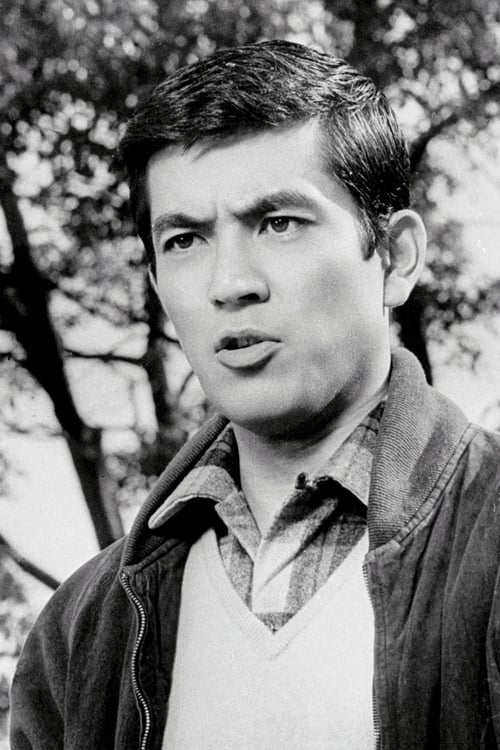
Yūzō Kayama
Acting
Biography
From Wikipedia, the free encyclopedia. Yūzō Kayama (加山 雄三 Kayama Yūzō) is a Japanese popular musician and film star, born on 11 April 1937. His father, Ken Uehara, was a film star during the 1930s. Yuzo Kayama became a big star in the 1960s in the Wakadaishō (Young Guy) film series. He showed his ability for drama when Akira Kurosawa cast him for his 1965 film, Red Beard, starring Toshirō Mifune. Kayama reported that he found the two years spent making this film the most difficult, but proudest work of his life. As a guitarist, he took inspiration from the American instrumental group The Ventures, and performed a form of psychedelic surf music in the 1960s with his Mosrite guitar. One of his best-known instrumentals is "Black Sand Beach". "Kimi to Itsumademo" ("Love Forever"), another of his compositions, sold over two million copies, and was awarded a gold disc in 1965. At that point it was the biggest selling disc in the Japanese recording industry's history. Description above from the Wikipedia article Yūzō Kayama, licensed under CC-BY-SA, full list of contributors on Wikipedia
Known For
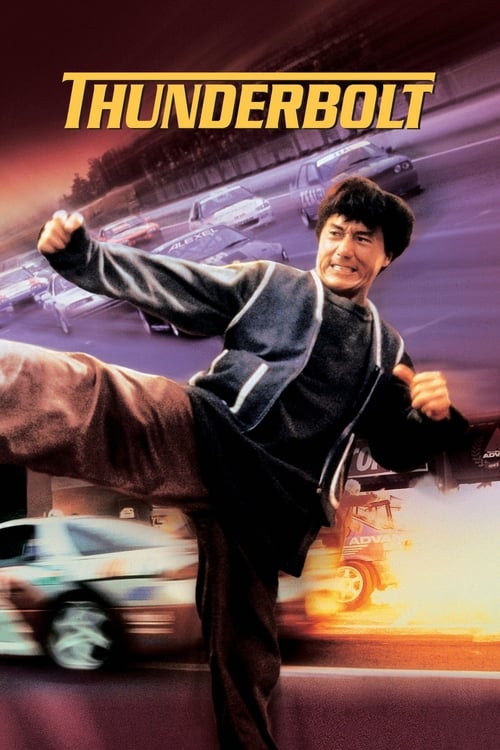
In order to release his kidnapped sister, sports car mechanic, Chan Foh To, has to defeat a super-criminal street racer.
Thunderbolt
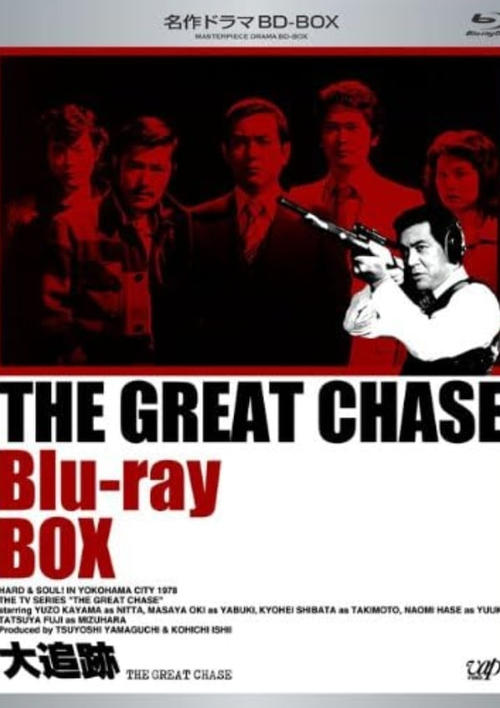
No description available.
The Great Chase
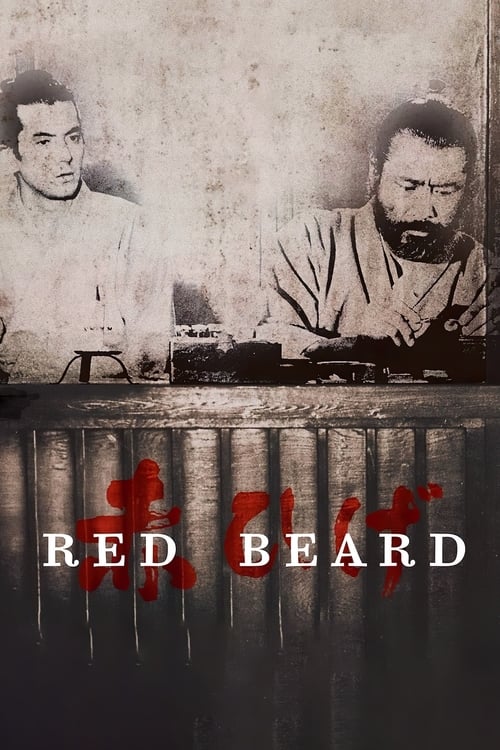
Aspiring to an easy job as personal physician to a wealthy family, Noboru Yasumoto is disappointed when his first post after medical school takes him to a small country clinic under the gruff doctor Red Beard. Yasumoto rebels in numerous ways, but Red Beard proves a wise and patient teacher. He gradually introduces his student to the unglamorous side of the profession, ultimately assigning him to care for a prostitute rescued from a local brothel.
Red Beard
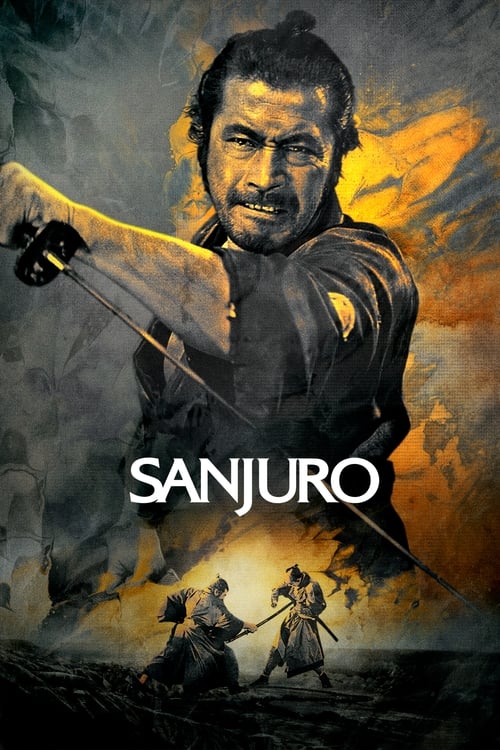
In this companion piece and sequel to "Yojimbo," jaded samurai Sanjuro helps an idealistic group of young warriors weed out their clan's evil influences, and in the process turns their image of a proper samurai on its ear.
Sanjuro
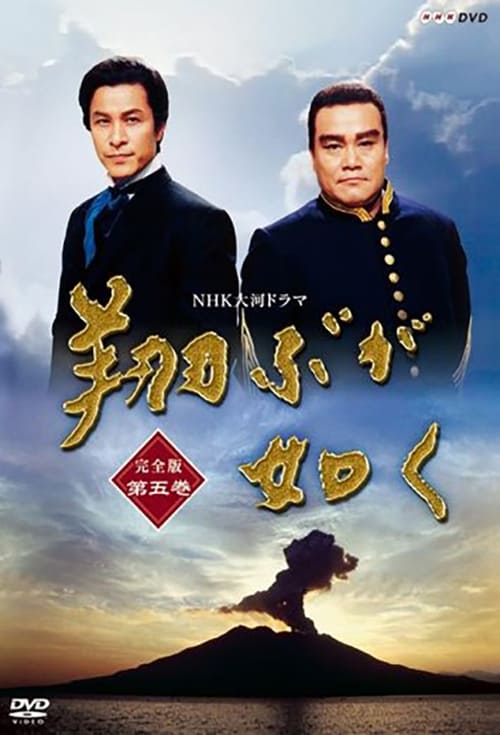
Historical drama about the life of Saigō Takamori and his involvement with the Meiji Restoration.
As If In Flight
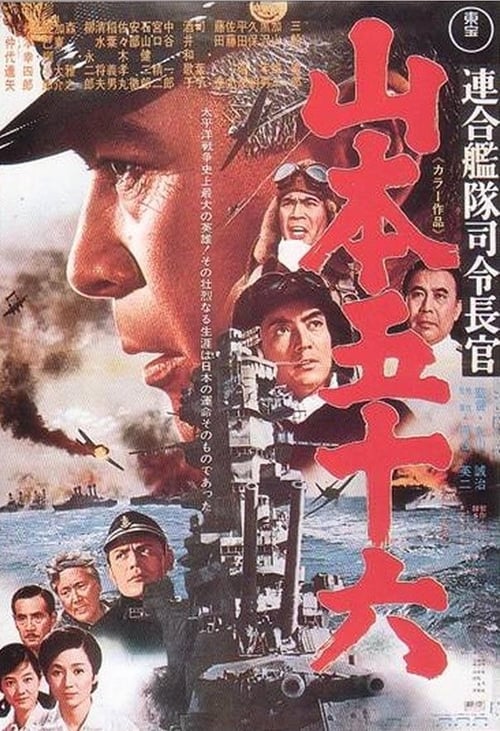
As Japan joins in a political pact with Nazi Germany and fascist Italy, Admiral Isoroku Yamamoto is appointed supreme commander of the Japanese fleet. With Japan headed inexorably toward war, Yamamoto, despite his misgivings, believes the only possible victory lies in destroying the American fleet by surprise at Pearl Harbor. The attack succeeds, but fails to sink the American carrier fleet. Thus Yamamoto must lead the Japanese navy into war with ever-diminishing likelihood of success.
Admiral Yamamoto
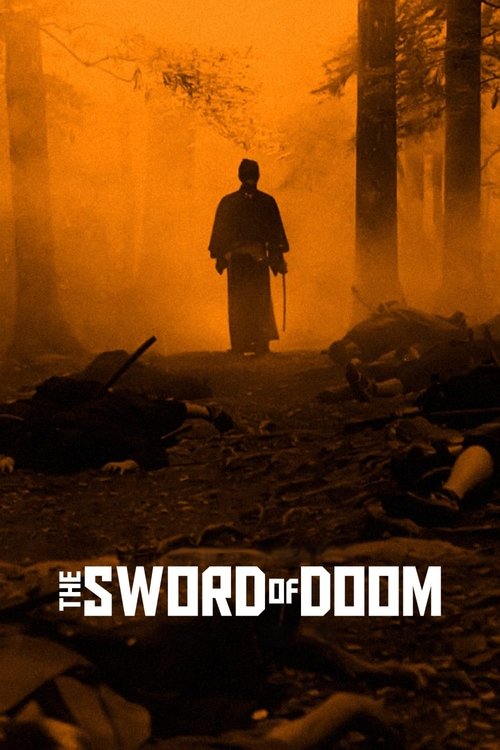
Ryunosuke, a gifted swordsman plying his trade during the turbulent final days of Shogunate rule, has no moral code and kills without remorse. It’s a way of life that leads to madness.
The Sword of Doom
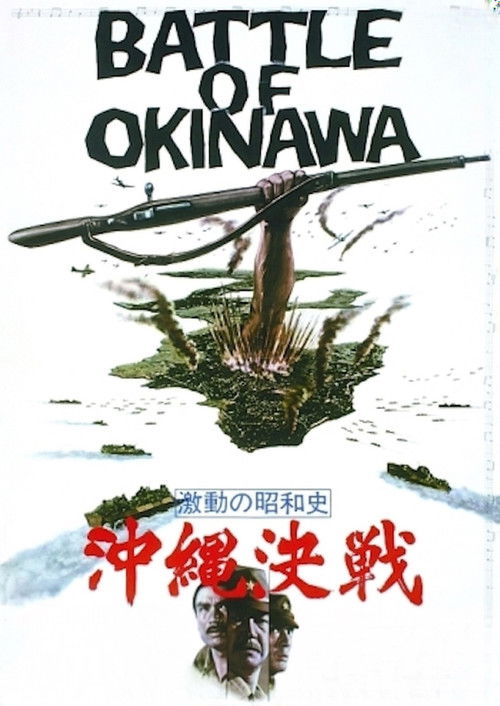
The Americans are swiftly closing on Okinawa, an island just south of the Japanese mainland. The Imperial command sends top generals and several army divisions to defend it at all costs. The mission quickly degenerates as vital resources and troops are diverted to other islands. After a civilian evacuation ends in tragedy most of non-combatants are forced to remain on the island. Many convert to soldier status. Tokyo sends mixed messages that squander time and resources, as when they order the defenders to build an airstrip for aircraft that never come. The truth soon becomes obvious: the high command decides that the island cannot be held and effectively abandons the Okinawan defenders. When the Americans land many troops are deployed in the wrong places. As the slaughter mounts, a suicidal attitude takes hold. Okinawa becomes a death trap, for civilian volunteers and non-combatants as well.
The Battle of Okinawa
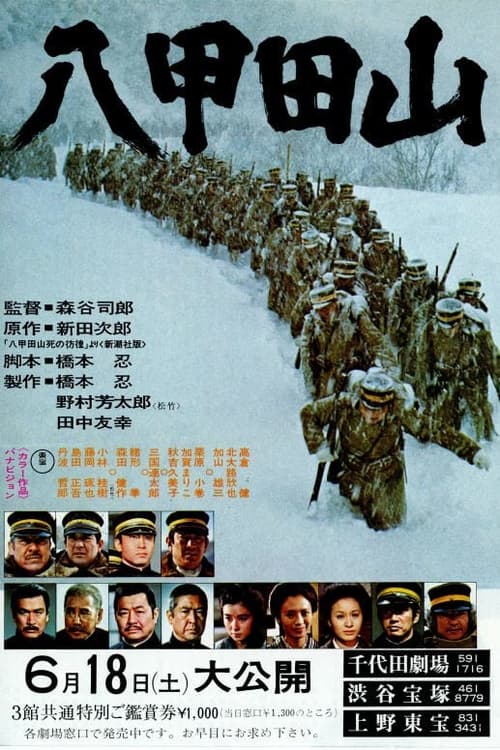
Two infantry regiments of the Imperial Japanese Army—210 men overall—tackled Mt. Hakkoda in the winter of 1902 to prepare for war with Russia.
Mount Hakkoda
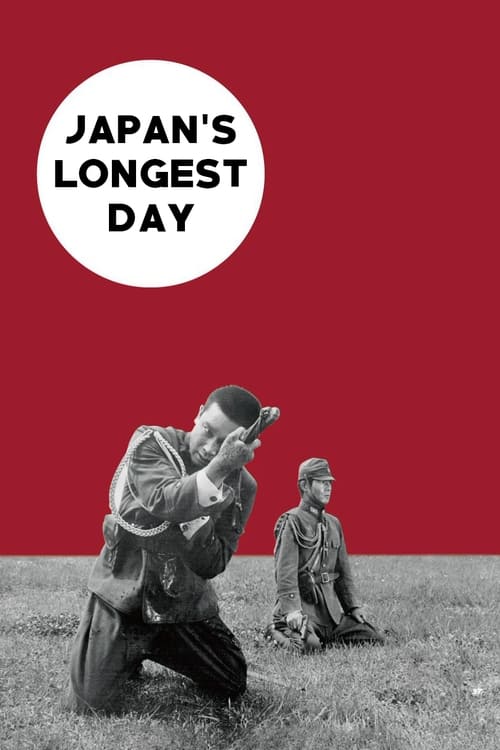
Following the detonation of the atomic bombs on Hiroshima and Nagasaki, the Japanese military and the government clash over the demand from the Allies for unconditional surrender. Minister of the Army Anami leads the military officers who propose to fight on, even to the death of every Japanese citizen. Emperor Hirohito, however, joins with his ministers in asking the unthinkable, the peaceful surrender of Japan. When the military plots a coup to overthrow the Emperor's civilian government, Anami must face the choice between his desires and loyalty to his Emperor.
Japan's Longest Day
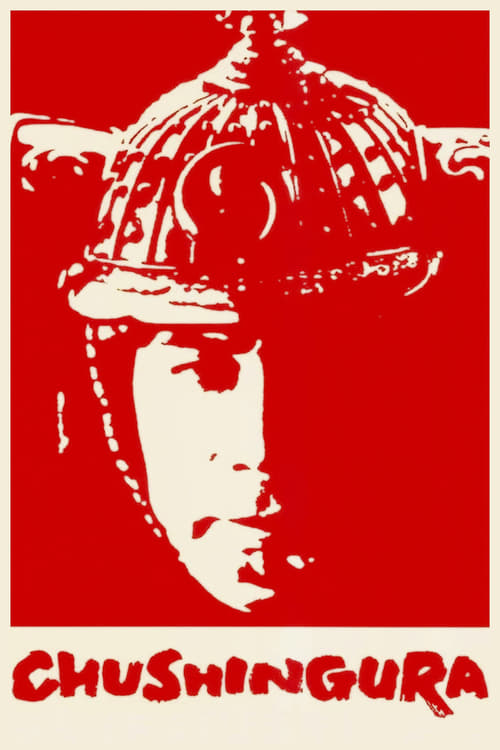
After their lord is tricked into committing ritual suicide, forty-seven samurai warriors await the chance to avenge their master and reclaim their honor.
Chûshingura
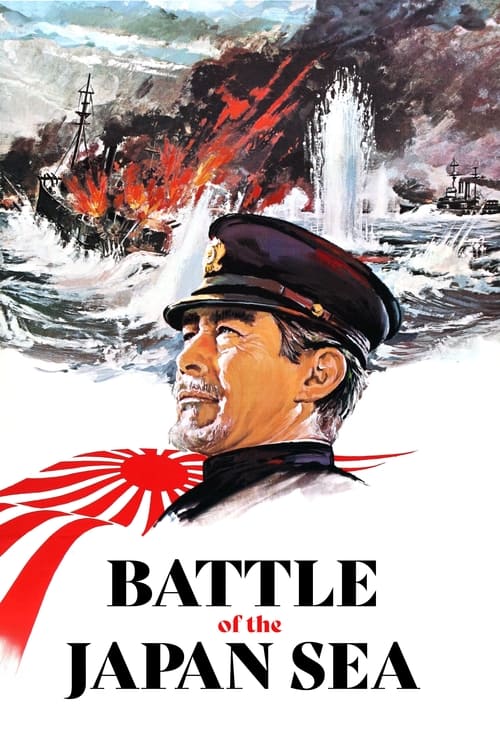
Japan and Russia clash in what comes to be known as the Russo-Japanese War. An attempt by the Japanese fleet and army to take Port Arthur fails, and a Russian fleet bears down on the Sea of Japan. Admiral Heihachiro Togo sends his fleet to confront the Russians, with results which stun both nations. Meanwhile, Major Genjiro Akashi makes secret negotiations with the Bolshevik revolutionaries in Russia, negotiations that have repercussions far beyond the conflict at hand.
Battle of the Japan Sea
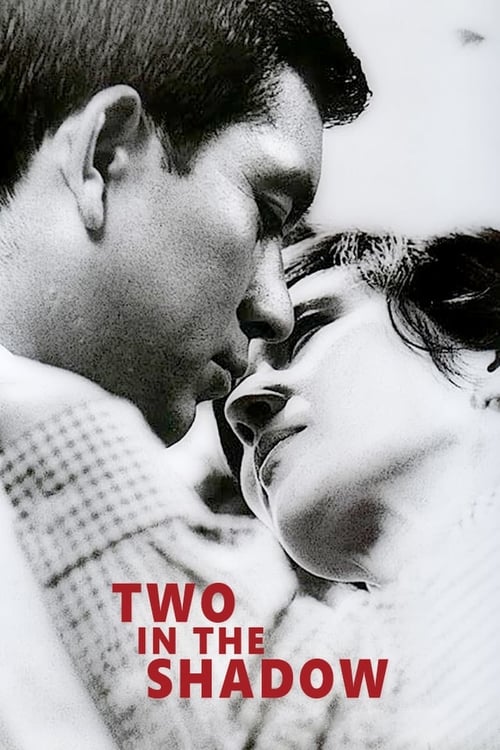
A man is involved in a fatal car accident, and though he is blameless, his company transfers him to a remote branch in a small town. Before he leaves, he gives the man's widow a large sum of money that she uses to move back to her hometown.
Two in the Shadow

In this patriotic WW II drama, the Japanese army demonstrates its courage and willingness to do anything to win as they endeavor to sneak into Communist China to bring back the flag of a defeated enemy regiment.
Westward Desperado
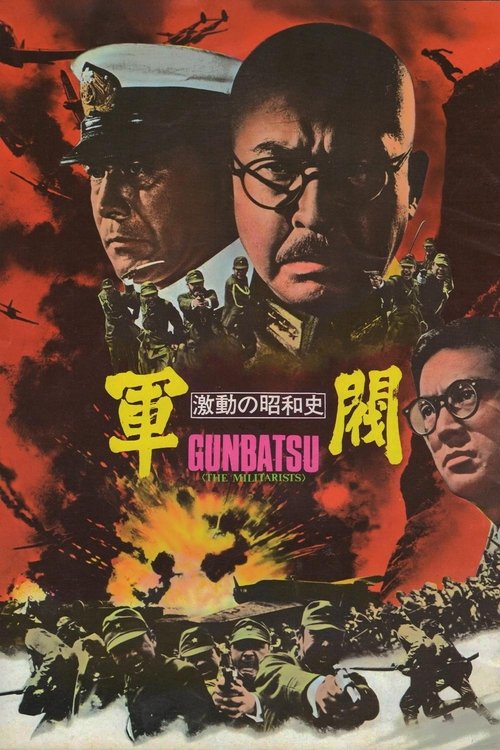
No description available.
The Militarists

Grown up son arrives home to learn his father, the newly elected mayor, has been assassinated. So he journeys down a path to find the assassin and gets involved with two opposing yakuza gangs.
Big Shots Die at Dawn
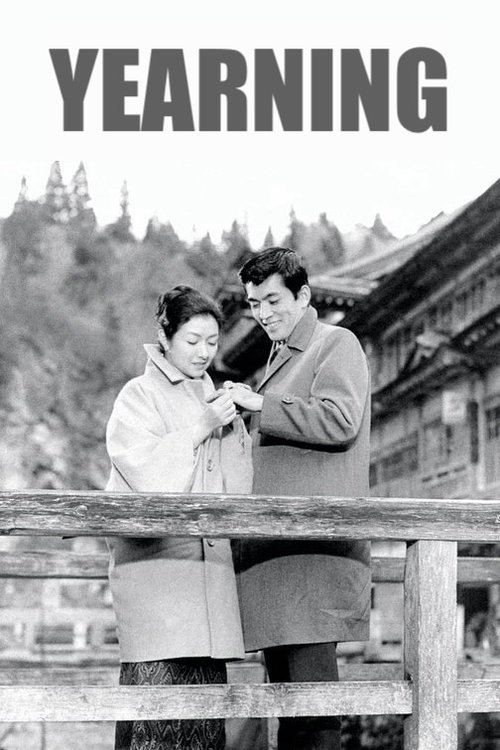
War widow Reiko rebuilds and runs the grocery shop in the house of her husband's family. Many years later, their business is threatened by a newly built supermarket and Reiko's in-laws plan to convert their small shop into a supermarket, to her detriment.
Yearning
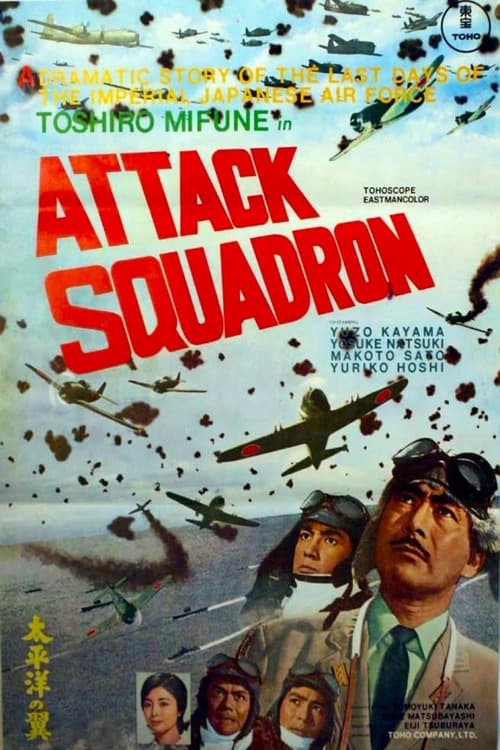
Lt. Col. Senda resists the idea of sending Japanese fighter pilots on suicide missions. He believes that what is really necessary for Japan to regain momentum in the war is for the air force to gather its most brilliant pilots into an elite squadron and use the unit to pinpoint attacks on the Americans. Disrespected by the kamikaze pilots who think the "non-suicidal" pilots are afraid, the unit redeems itself by stunning victories. But success leads the military leaders to expect too much of the unit, and new orders portend disaster.
Attack Squadron

Remake of Akira Kurosawa's films "Sanshiro Sugata and "Sanshiro Sugata Part II". A young man, Sanshiro Sugata, troubled by personal problems, takes up judo. His teacher, Shogoro Yano, is a devout man who has aroused the enmity of the local practitioners of jujitsu, the older and more accepted of the two sports. Sugata uses his newly learned prowess to gain a measure of respect from others; however, Shogoro insists that the sport has a spiritual side, a lesson Sugata has yet to learn. Eventually, in hand-to-hand combat with the father of a young woman he loves, he comes to understand the true meaning of judo.
Sanshiro Sugata
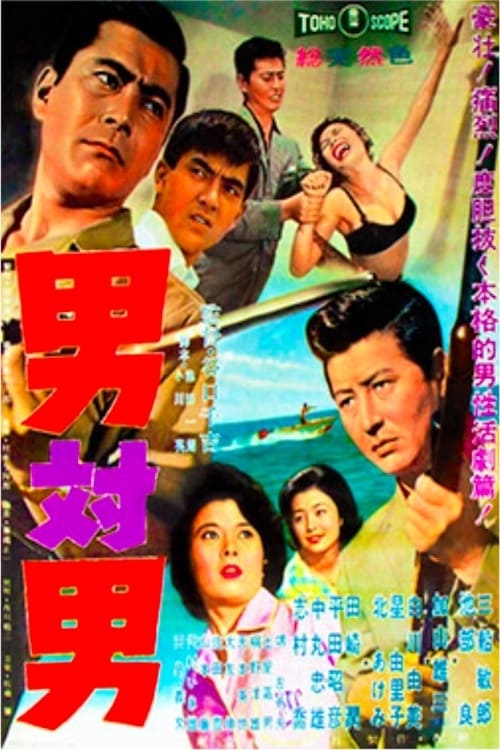
Kikumori runs a cabaret on the docks, while his friend Kaji operates transport boats. When a gang of drug dealers tries to force the pair to cooperate in a smuggling scheme, conflict arises between the two friends. Falsely blamed for murder, Kikumori is blackmailed into an attempt to sabotage Kaji's boats and kill him. But the friendship between the two men proves an obstacle to the gangleader's plans.