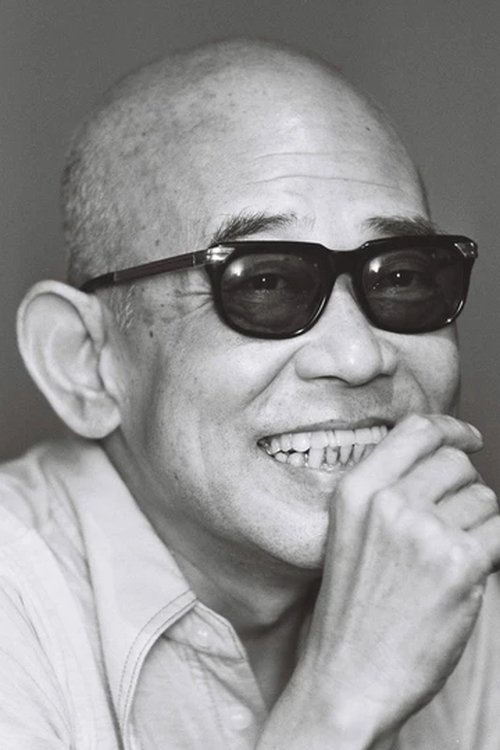
Taiji Tonoyama
Acting
Biography
Taiji Tonoyama (殿山 泰司, Tonoyama Taiji, 1915–1989) was a Japanese character actor who made many appearances in films and on television from 1939 to 1989. He was a close friend of Kaneto Shindo and one of his regular cast members. He was also an essayist. In 1950 he helped form the film company Kindai Eiga Kyokai with Shindo and Kōzaburō Yoshimura.
Known For

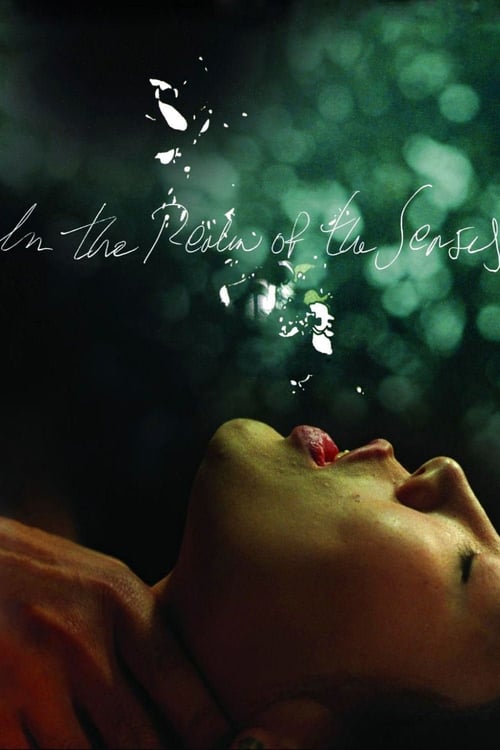
A passionate telling of the story of Sada Abe, a woman whose affair with her master led to an obsessive and ultimately destructive sexual relationship.
In the Realm of the Senses

No description available.
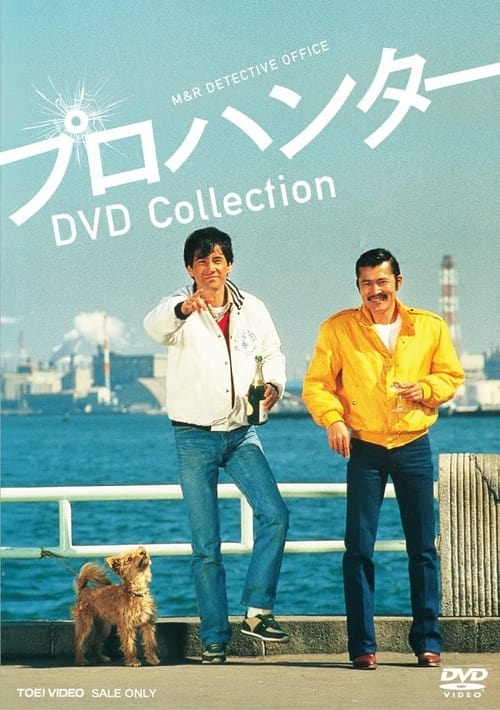
Pro Hunter

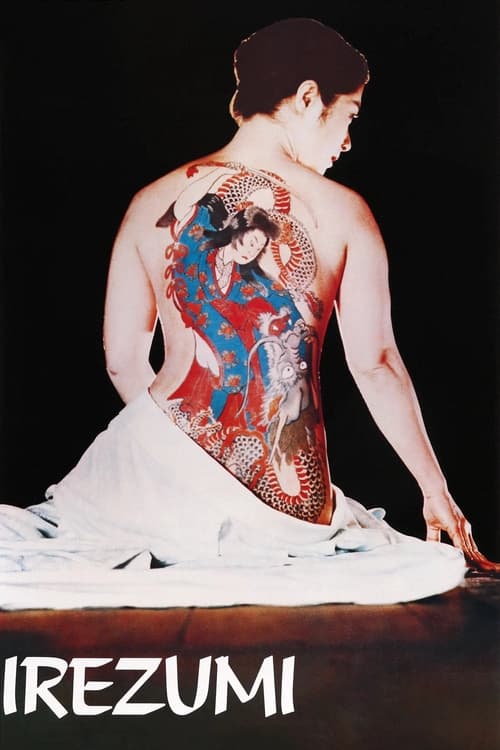
Sex & Fury chronicles Ocho's exploits as she searches for her father's killers, each identified by unique tattoos on their backs (a deer, a boar, and a butterfly). Along the way, she also crosses paths with Shunosuke, a radical set on murdering prominent politician Kurokawa, and Christina, an American spy posing as a gambler.
Sex and Fury

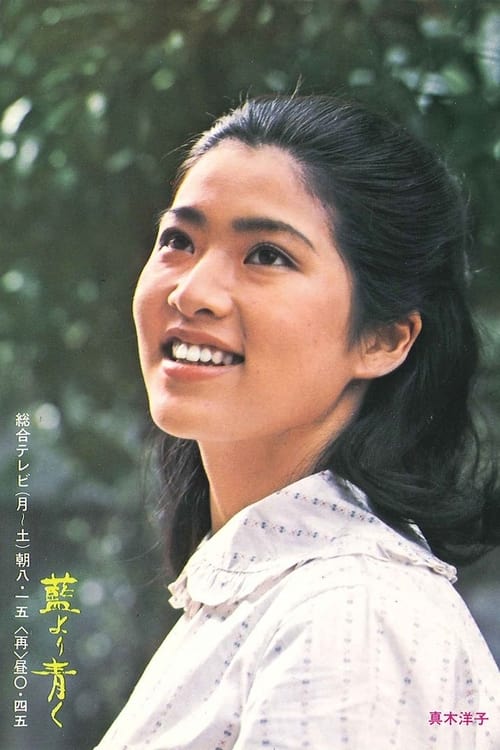
The 12th NHK Asadora. Set in Amakusa, Kumamoto Prefecture, at the end of the Pacific War. Maki is the heroine, married to Shuichi who must go to war. She stays home and takes on the role of other war widows, managing business and a Chinese restaurant.
Ai yori aoku

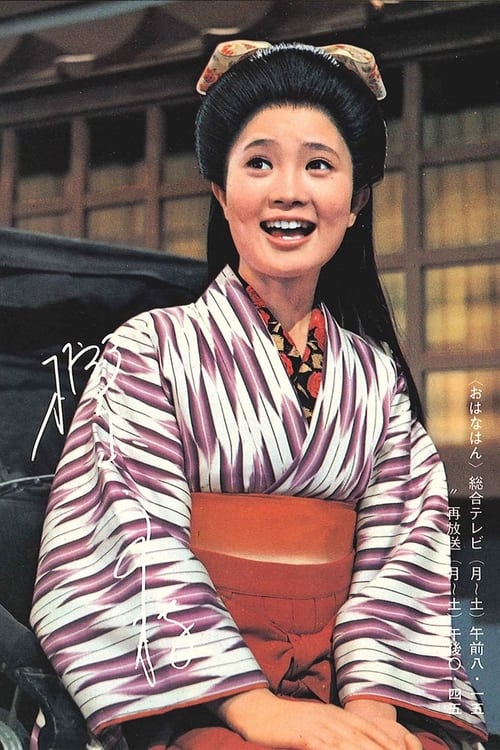
The 6th NHK Asadora. Starring Fumie Kashiyama as a woman, born in the Meiji era, who raises a family by herself.
Ohanahan

The series depicts the employees of a security company from different generations and backgrounds facing many difficult questions. It features a guard who survived a suicide mission during the war and his conflicts, rebellion, empathy and reconciliation with the younger generation born after the war.
The Roads Men Travel

After handing in a report on the treatment of Chinese colonial labor, Kaji is offered the post of labour chief at a large mining operation in Manchuria, which also grants him exemption from military service. He accepts and moves with his newlywed wife Michiko, but when he tries to put his ideas of more humane treatment into practice, he finds himself at odds with scheming officials, cruel foremen, and the military police.
The Human Condition I: No Greater Love

Senkichi Mizuta, a pharmaceutical company employee, and Shuzo Kadokura, a war profiteer, are diametrically opposed in appearance and personality, but are best friends. Kadokura secretly loves Mizuta's wife, Tami, and both Mizuta and Tami are aware of it. The drama depicts the subtle relationship between the two men and the people around them against the backdrop of the times and customs of the early Showa period, in which both are aware of each other's love, but no one speaks of it.
A-Un

In a small village in a valley everyone who reaches the age of 70 must leave the village and go to a certain mountain top to die. If anyone should refuse they would disgrace their family. Old Orin is 69. This winter it is her turn to go to the mountain. But first she must make sure that her eldest son Tatsuhei finds a wife.
The Ballad of Narayama

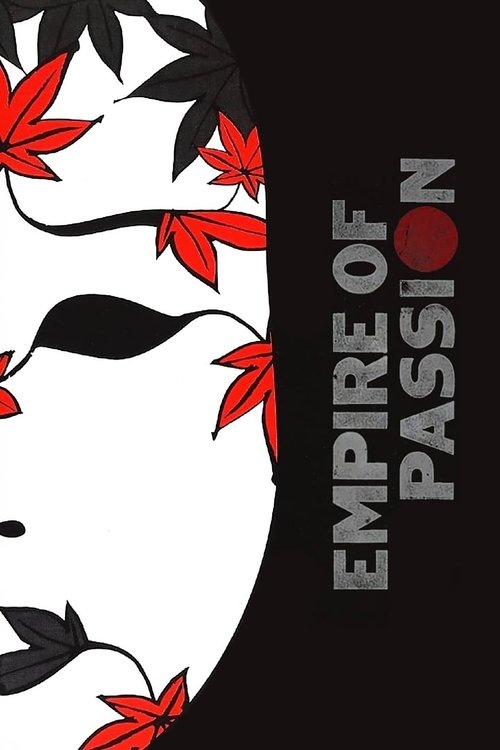
In a small Japanese village at the end of the 19th century, a rickshaw driver's wife takes on a much younger lover and the two conspire to murder him.
Empire of Passion

Koheita, a newly appointed magistrate, never shows his face in the magistrate's office, instead spending his time in the 'Horisoto', a den of evil where anything goes, from theft to prostitution to murder. However, this man is about to clean up the city in an unconventional way!
Kinagashi Bugyō

While her son, Kichi, is away at war, a woman and her daughter-in-law survive by killing samurai who stray into their swamp, then selling whatever valuables they find. Both are devastated when they learn that Kichi has died, but his wife soon begins an affair with a neighbor who survived the war, Hachi. The mother disapproves and, when she can't steal Hachi for herself, tries to scare her daughter-in-law with a mysterious mask from a dead samurai.
Onibaba

A lighthearted take on director Yasujiro Ozu’s perennial theme of the challenges of intergenerational relationships, Good Morning tells the story of two young boys who stop speaking in protest after their parents refuse to buy a television set. Ozu weaves a wealth of subtle gags through a family portrait as rich as those of his dramatic films, mocking the foibles of the adult world through the eyes of his child protagonists. Shot in stunning color and set in a suburb of Tokyo where housewives gossip about the neighbors’ new washing machine and unemployed husbands look for work as door-to-door salesmen, this charming comedy refashions Ozu’s own silent classic I Was Born, But . . . to gently satirize consumerism in postwar Japan.
Good Morning

The tragic, true story about Hachikō, an Akita dog who was loyal to his master, Professor Ueno, even after Ueno's death.
Hachiko

The world-famous woodblock artist Hokusai (1760-1849), a widower in need of a steady income, lives with his daughter Oei in the house of his friend Bakin.
Edo Porn

A woman, Tome, is born to a lower class family in Japan in 1918. The title refers to an insect, repeating its mistakes, as in an infinite circle. Imamura, with this metaphor, introduces the life of Tome, who keeps trying to change her poor life.
The Insect Woman

In postwar Tokyo, a blunt, alcohol-soaked doctor diagnoses a swaggering young yakuza with tuberculosis, forging an uneasy bond that’s tested when the gangster’s ruthless former boss returns and drags him back toward the swampy underworld he can’t escape.
Drunken Angel

No matter who holds me, the only thing that resides in my body is the strong taste of that man's body... A deeply emotional, humanistic romantic porn film that made Junko Miyashita's name super famous! This is a masterpiece! Directed by Kazunari Takeda.
Junko's Bliss

A thief, a murderer, and a charming lady-killer, Iwao Enokizu is on the run from the police.
Vengeance Is Mine

The culturally isolated, nomadic Seburi people of western Japan are the subject of this tragedy about a few of the community's members who especially experience difficulties as modern Japan encroaches on their world. The setting is World War II, and conflicts have already arisen when the military police come to take Seburi men away into the army. Still following their own customs that can be harsh at times, and are particularly cruel to women (women must give birth alone and unaided, a woman's adultery is punished by burying her up to her neck in the earth and then leaving her for days), the Seburi are mainly treated with fear and animosity by the non-Seburi townspeople of the region. Along with the hardships arising from cultural clashes, nature's own vagaries present other challenges to the Seburi -- who still lived in tents until the 1950s. Winter avalanches and snowstorms cause as much havoc as the tensions engendered by the slow encroachment of the modern world.