Nobuko Otowa
Acting
Biography
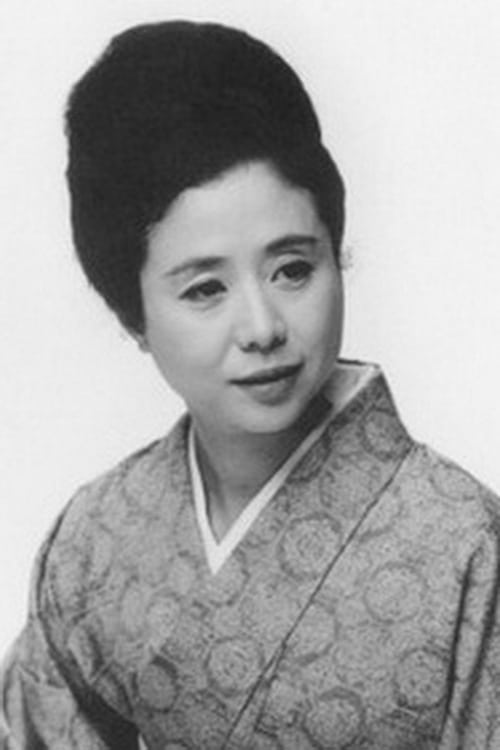
From Wikipedia, the free encyclopedia. Nobuko Otowa (1 October 1925 – 22 December 1994) was a Japanese film actress. She appeared in 134 films between 1950 and 1994. She was married to film director Kaneto Shindō. She posthumously won the award for best supporting actress at the 19th Japan Academy Prize for A Last Note, having been diagnosed with terminal liver cancer during its production. Description above from the Wikipedia article Nobuko Otowa, licensed under CC-BY-SA, full list of contributors on Wikipedia
Known For

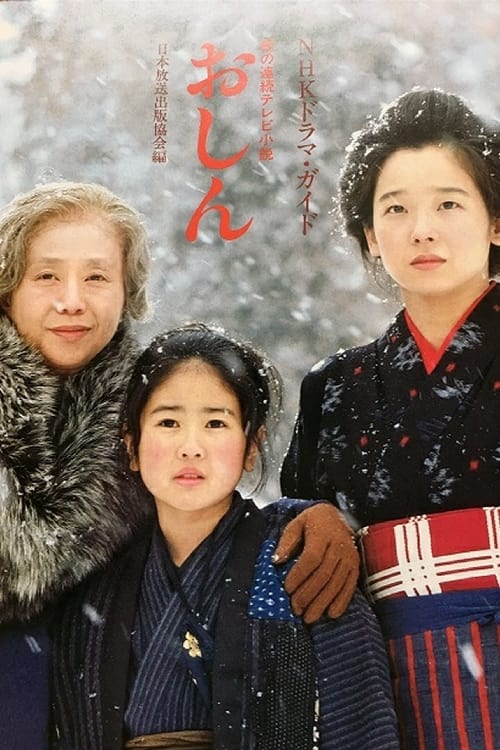
Oshin is a Japanese serialized morning television drama, which aired on broadcaster NHK from April 4, 1983 to March 31, 1984. The series follows the life of Shin Tanokura during the Meiji period up to the early 1980s. Shin was called "Oshin", which is an archaic Japanese cognomen.
Oshin

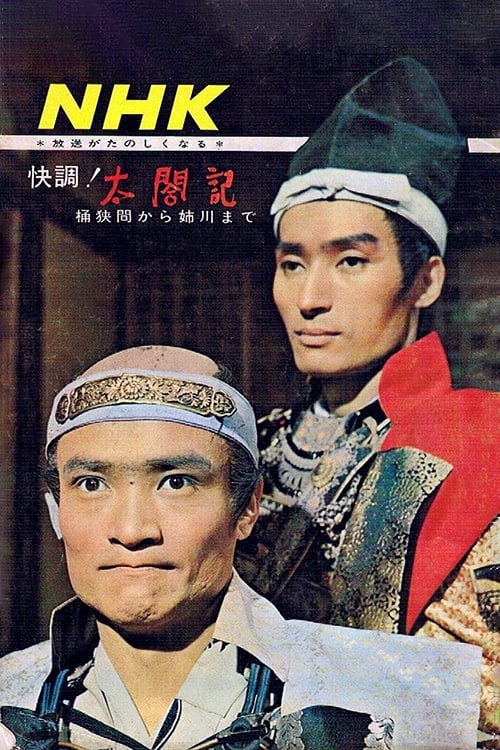
Based on the life of Hideyoshi Toyotomi (February 2, 1537 – September 18, 1598) a Sengoku period daimyo who unified Japan.
Taikouki

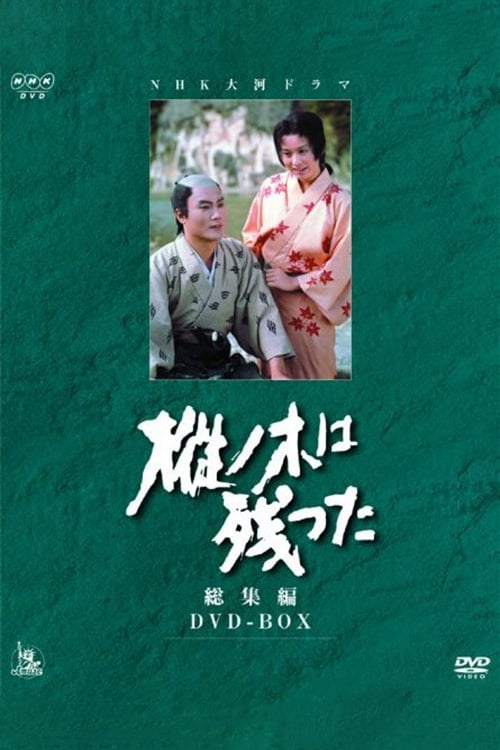
Depicting Date clan’s internal strife that occurred during a peaceful Edo period governed by the 4th Tokugawa shogun.
Mominoki wa Nokotta

No description available.
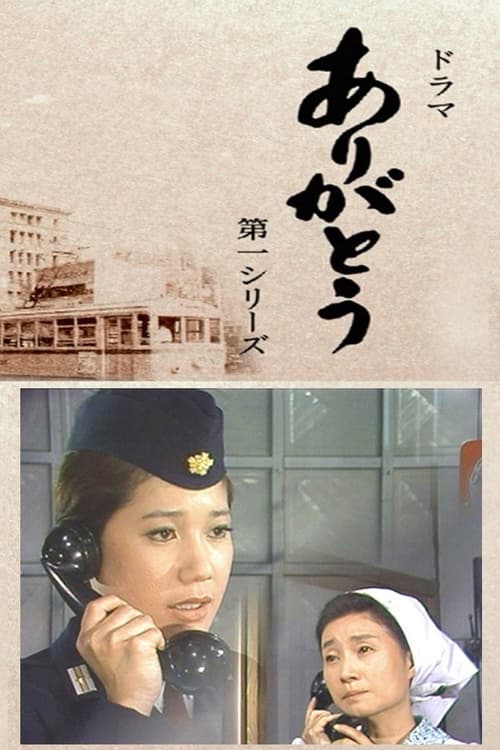
ありがとう

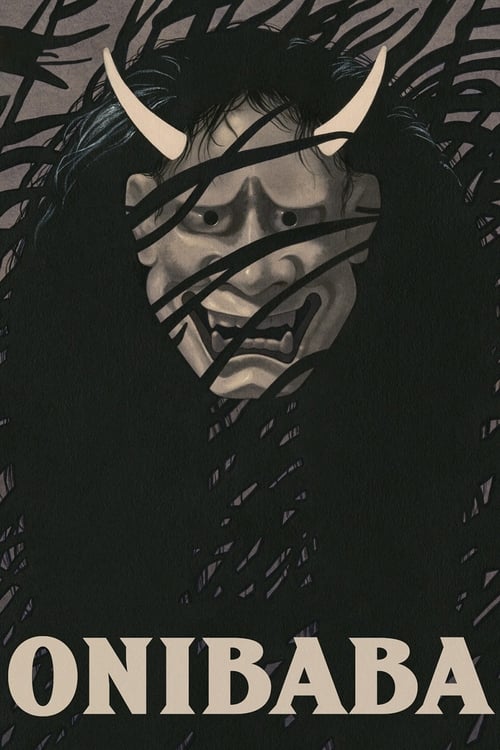
While her son, Kichi, is away at war, a woman and her daughter-in-law survive by killing samurai who stray into their swamp, then selling whatever valuables they find. Both are devastated when they learn that Kichi has died, but his wife soon begins an affair with a neighbor who survived the war, Hachi. The mother disapproves and, when she can't steal Hachi for herself, tries to scare her daughter-in-law with a mysterious mask from a dead samurai.
Onibaba

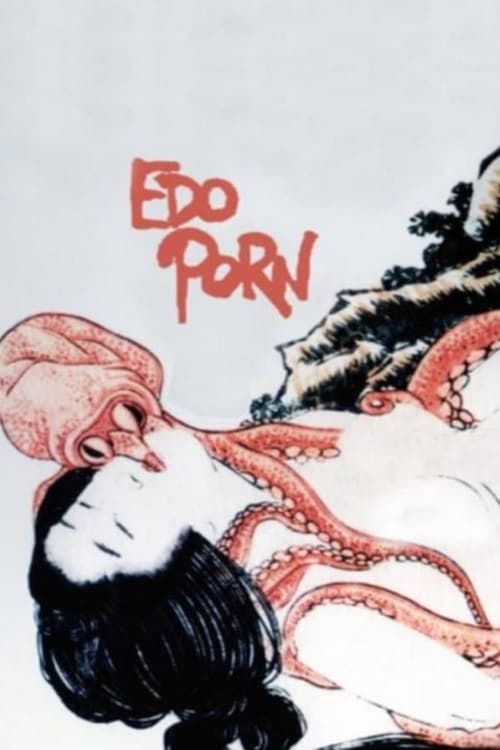
The world-famous woodblock artist Hokusai (1760-1849), a widower in need of a steady income, lives with his daughter Oei in the house of his friend Bakin.
Edo Porn

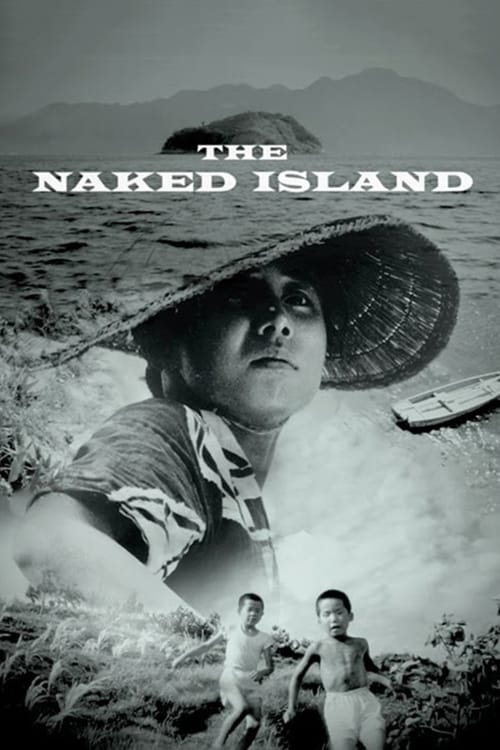
A family of four are the sole inhabitants of a small island, where they struggle each day to irrigate their crops.
The Naked Island

Kindaichi becomes involved in the case of an actress whose husbands keep dying mysteriously — and her new fiancé has just received a threatening letter.
Seishi Yokomizo Series II Masquerada

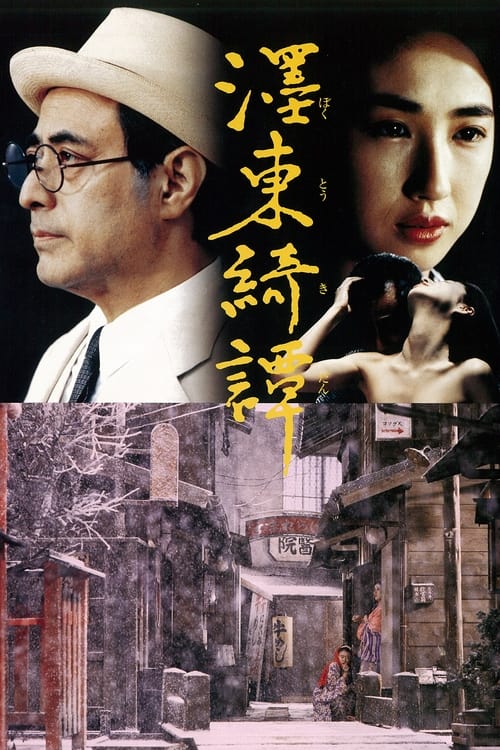
A story of Japanese writer Kafu Nagai (1879-1959), a man about sixty with a huge reputation of seducer who falls madly in love for a young geisha named Oyuki. Meticulous and smartly dressed, Nagai patiently wrote in his diary his thoughts during many years. A melancholy reflection on the passage of time and a brilliant interpretive exercise.
The Strange Tale of Oyuki

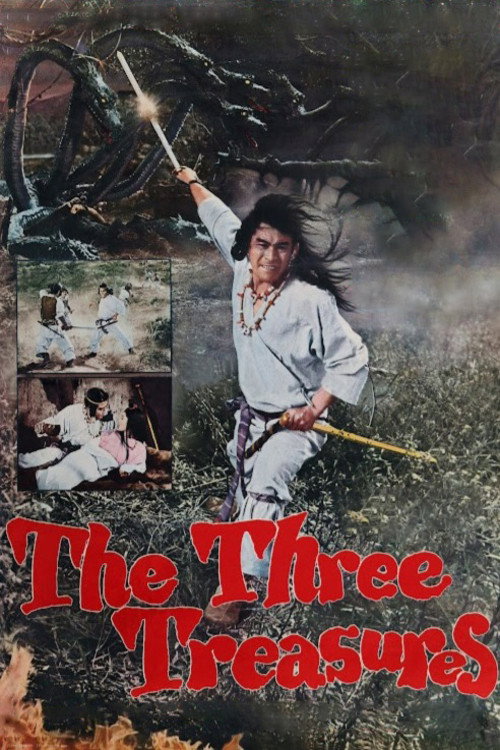
The legend of the birth of Shintoism. In Fourth Century Japan, the Emperor's son Ouso expects to succeed his father on the throne, but Otomo, the Emperor's vassal, prefers Ouso's stepbrother, and conspires to have Ouso die on a dangerous mission he has contrived. But Ouso prevails in the mission and returns to his father's castle under a new name, Prince Yamato Takeru. Otomo plots to have the Prince sent into even greater danger, but Otomo is unaware that the gods have favored the Prince and the outcome is far from what any of them expected.
The Three Treasures

Shows the devastation caused by the atomic bomb, and by use of a fictional storyline, portrays the struggle of the ordinary Japanese people in dealing with the aftermath.
Children of Hiroshima

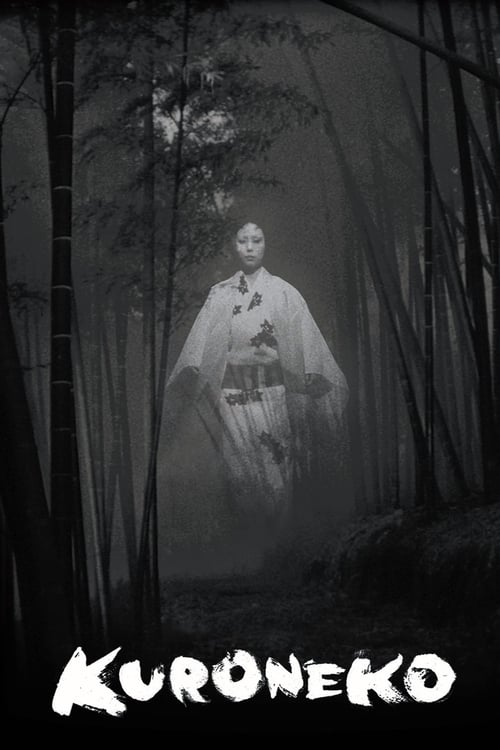
In the Sengoku period, a woman and her daughter are raped and murdered by soldiers during a time of civil war. Afterwards, a series of samurai returning from the war through that area are found mysteriously dead with their throats torn out. The governor calls in a wild and fierce young hero to quell what is evidently an Onryō ghost.
Kuroneko

1962 Japanese movie
Ika naru hoshi no moto ni

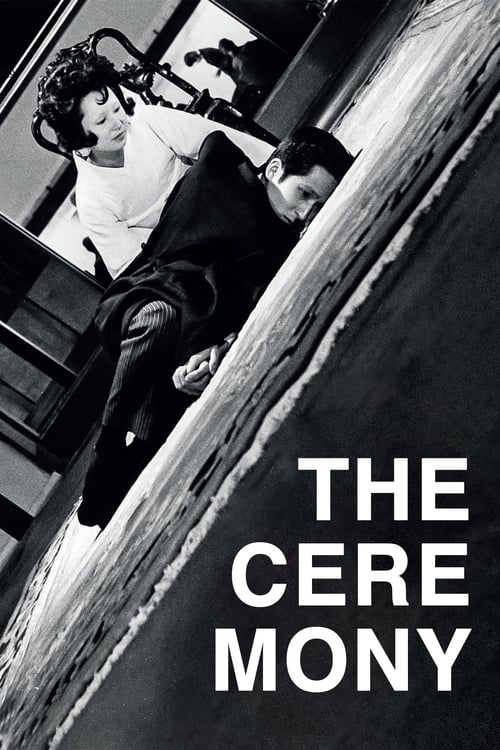
Oshima’s magisterial epic, centering on the ambivalent surviving heir of the Sakurada clan, uses ritual and the microcosm of the traditional family to trace the rise and fall of militaristic Japan across several decades.
The Ceremony

Japan, February 1868. As the Tokugawa shogunate declines and the power of Emperor Meiji grows, Gonzo, a soldier of the Restoration Army, returns to Sawando, his hometown, to announce the end of tyranny.
Red Lion
Former playmates (Naito and Tamura), both long ago abandoned by their parents, recall their youth and fall in love.
Once a Rainy Day

After her mother runs away from home, Tomoko is raised to be a geisha. One day Tomoko meets her mother in a red-light district in Tokyo and her life deeply gets in trouble.
The Scent of Incense

The body of Sakai Hatsuko, a woman of 23 who has been slain with a knife, has been found in a forest. Some days later, Ueda Hiroshi, a 19-year-old shipyard worker, is arrested and charged with the murder. At Ueda's trial, a complex story unfolds.
The Incident

The life and travels of adventurer Naomi Uemura, who disappeared in Alaska in 1984. A member of the first Japanese expedition to reach the summit of Mt Everest in 1970, Uemura also accomplished several "firsts". He was the first man to reach the North Pole solo, climb Denali solo, and float down the Amazon river solo. In the film, Uemura returns to Tokyo after a stint in Siorapaluk in Northern Greenland. In Tokyo, he reconnects with an old friend and, over coffee, shares his life story - from his days as a college dropout to his successful expedition to the top of Everest.
Lost in the Wilderness

Story of a Beloved Wife is an autobiographical work based on Shindo's first marriage. Jūkichi Uno stars as a struggling screenwriter, and Nobuko Otowa stars as the wife who supports him through his early struggles.