Art
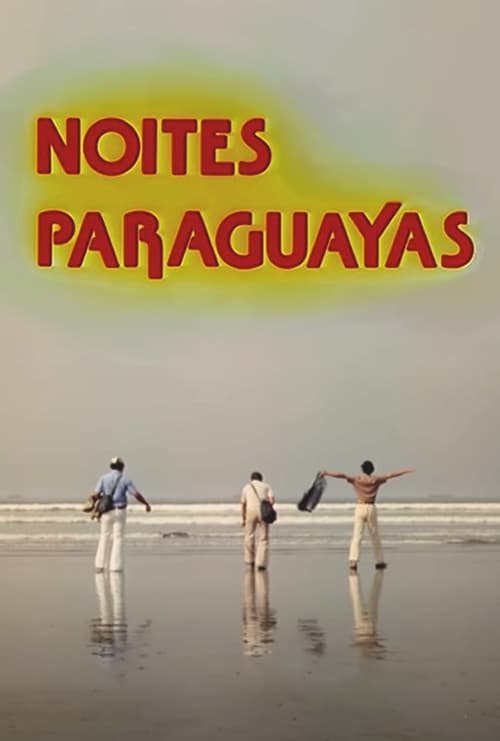
The path of Paraguayan immigrants who drive to Asuncion and then arrive in São Paulo. They are rural workers, musicians, vendors and underemployed people. Two parallel worlds: the Guarani culture and the Brazilian adventure in São Paulo juxtaposed with Paraguayan songs and the Guarani language, spoken by the main characters.
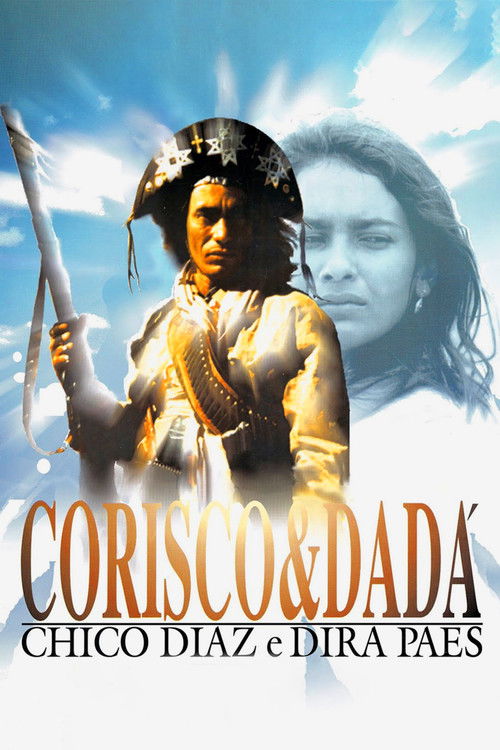
Cruel and brave Brazilian outlaw called Corisco, living in the backcountry in the Northeast, an arid region, rapes 12-year-old Dadá, who becomes his woman, following him and his gang. Although they were supposed to fight against social injustice, they terrorized the small villages along their way.
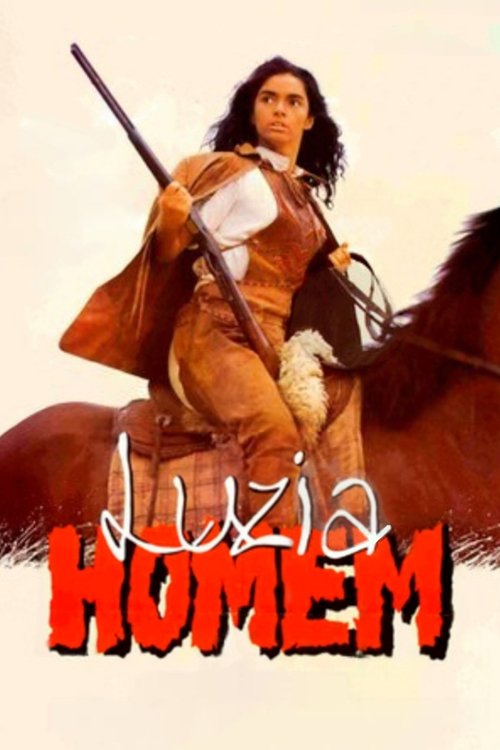
After witnessing the assassination of her parents, Luzia is raised by a cowboy and starts behaving like the men of Brazilian "Sertão". As a grown-up, she sets out to find her parent's murderer, but ends up discovering love.
No description available.
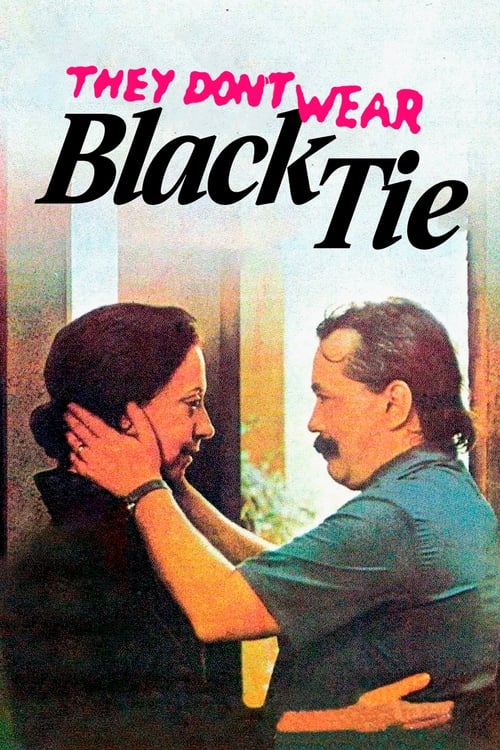
Otavio is an idealistic union leader trying to organize workers at a factory to resist the company's exploitative practices. His son, Tião, one of the employees, is more of a realist and doesn't want to risk losing his job by striking. This clash of perspectives puts the father and son at odds. Fortunately, Tião's mother, Romana, is on hand to act as a moderator between the two opinionated men.
With Brasilia as a setting, the film tries to recreate the political environment in Brazil when civilians were able to found new political parties, after 10 years of strict military rules. In the midst of a nationwide crisis, a group of politicians found an opposition party to the military regime, triggering violent denunciation against multinationals operating in the country. The explorer of the Seesaw deposit, United Mining, an American multinational that is being accused of several irregularities, sees in the internal struggle that divides the opposition party its only chance to silence the nationalist campaign that denounces it. Thus, a game is developed that ends up leading the characters to a tragic plot of corruption and fear.
Aroeiras is a fictional city in the northeastern interior of Brazil where Genésio lives. Old, widowed, retired and childless, he fills his loneliness drinking and dreaming of the nostalgic heroism of cangaceiros (northeastern outlaws) and the love of Rosália. His friend Baltazar, a peasant leader, does not believe in myths of the past. He believes that organized political struggle is the only possible way to change things and he is looking for new ways to fight the powerful.