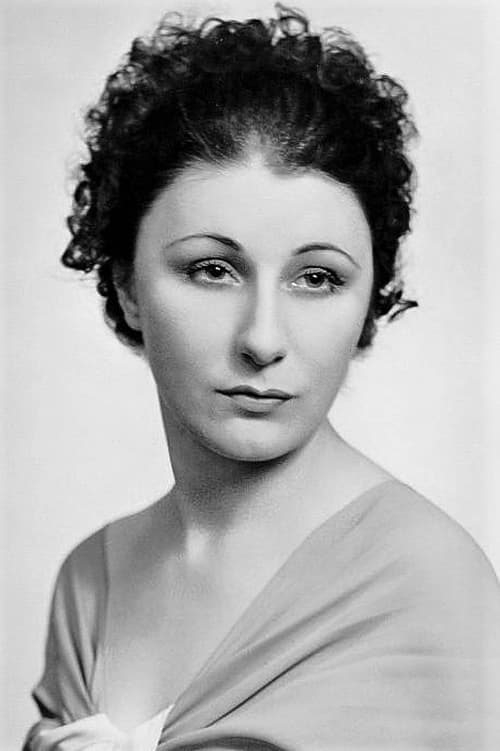
Judith Anderson
Acting
Biography
Dame Frances Margaret Anderson, AC, DBE (February 10, 1897 – January 3, 1992), known professionally as Judith Anderson, was an Australian actress who had a successful career in stage, film and television. Considered one of the greatest classical stage actors of the 20th century, she has two Emmy Awards and a Tony Award to her name, as well as a nomination for a Grammy Award and an Academy Award each. She began her acting career in Australia but her ambition brought her to New York in 1918. She established herself as one of the greatest theatrical actresses and was a major star on Broadway throughout the 1930s, 1940s and 1950s. Her notable stage works included the role of Lady Macbeth, which she played first in the 1920s, and gave an Emmy Award-winning television performance in Macbeth (1960). Anderson's long association with Euripides's "Medea" began with her acclaimed Tony Award-winning 1948 stage performance in the title role. She appeared in the television version of Medea (1983) in the supporting character of the Nurse. Anderson made her Hollywood film debut under director Rowland Brown in a supporting role in Blood Money (1933). Her striking, not conventionally attractive features were complemented with her powerful presence, mastery of timing and an effortless style. Anderson made a film career as a supporting character actress in several significant films including Alfred Hitchcock's Rebecca (1940), for which she was Oscar nominated for Best Supporting Actress. She worked with director Otto Preminger in Laura (1944), then with René Clair in And Then There Were None (1945). Her remarkable performance in a supporting role in Cat on a Hot Tin Roof (1958) fit in a stellar acting ensemble under director Richard Brooks. Anderson was awarded Dame Commander of the Order of the British Empire in the 1960 Queen's New Year's Honours List for her services to the performing arts. Living in Santa Barbara in her later years, she also had a successful stint on the soap opera Santa Barbara (1984) and was nominated for a Daytime Emmy Award in 1984. In the same year, at age 87, she appeared in Star Trek III: The Search for Spock (1984) as the High Priestess, and was nominated for a Saturn Award for that role. She was awarded Companion of the Order of Australia in the 1991 Queen's Birthday Honours List for her services to the performing arts. Anderson died at age 94 of pneumonia on January 3, 1992 in Santa Barbara, California.
Known For
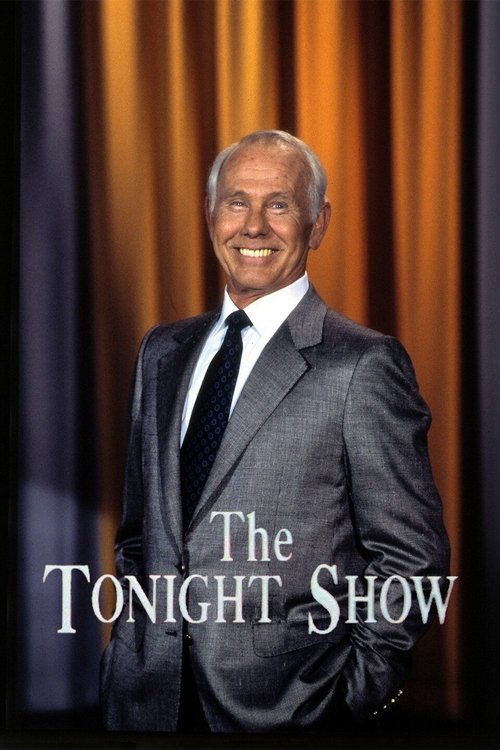
The Tonight Show Starring Johnny Carson is a talk show hosted by Johnny Carson under The Tonight Show franchise from 1962 to 1992. It originally aired during late-night. For its first ten years, Carson's Tonight Show was based in New York City with occasional trips to Burbank, California; in May 1972, the show moved permanently to Burbank, California. In 2002, The Tonight Show Starring Johnny Carson was ranked #12 on TV Guide's 50 Greatest TV Shows of All Time.
The Tonight Show Starring Johnny Carson
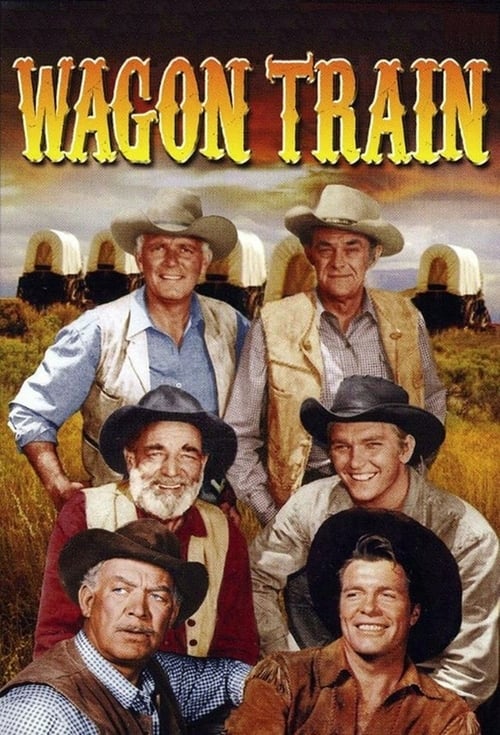
The series initially starred veteran movie supporting actor Ward Bond as the wagon master, later replaced upon his death by John McIntire, and Robert Horton as the scout, subsequently replaced by lookalike Robert Fuller a year after Horton had decided to leave the series. The series was inspired by the 1950 film Wagon Master directed by John Ford and starring Ben Johnson, Harry Carey Jr. and Ward Bond, and harkens back to the early widescreen wagon train epic The Big Trail starring John Wayne and featuring Bond in his first major screen appearance playing a supporting role. Horton's buckskin outfit as the scout in the first season of the television series resembles Wayne's, who also played the wagon train's scout in the earlier film.
Wagon Train
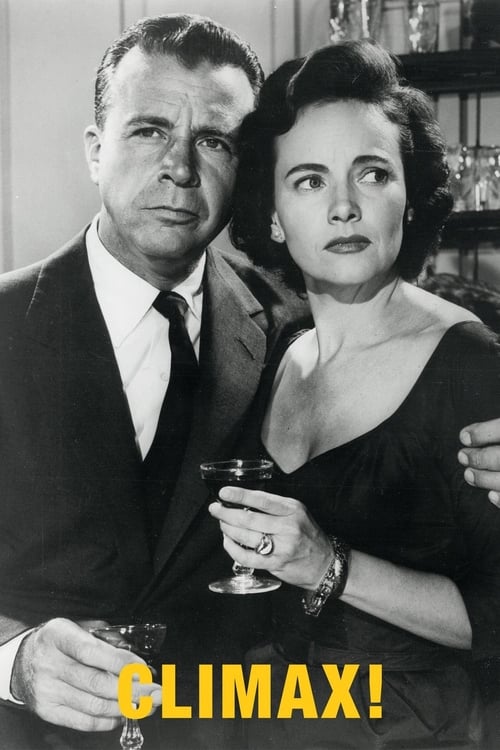
Climax! is an American anthology series that aired on CBS from 1954 to 1958. The series was hosted by William Lundigan and later co-hosted by Mary Costa. It was one of the few CBS programs of that era to be broadcast in color. Many of the episodes were performed and broadcast live.
Climax!

The Antoinette Perry Award for Excellence in Theatre, more commonly known as a Tony Award, recognizes achievement in live Broadway theatre. The awards are presented by the American Theatre Wing and The Broadway League at an annual ceremony in New York City. The awards are given for Broadway productions and performances, and an award is given for regional theatre.
Tony Awards

The Ed Sullivan Show is an American TV variety show that originally ran on CBS from Sunday June 20, 1948 to Sunday June 6, 1971, and was hosted by New York entertainment columnist Ed Sullivan. It was replaced in September 1971 by the CBS Sunday Night Movie, which ran only one season and was eventually replaced by other shows. In 2002, The Ed Sullivan Show was ranked #15 on TV Guide's 50 Greatest TV Shows of All Time.
The Ed Sullivan Show

Escaping death, a Hebrew infant is raised in a royal household to become a prince. Upon discovery of his true heritage, Moses embarks on a personal quest to reclaim his destiny as the leader and liberator of the Hebrew people.
The Ten Commandments
DuPont Show of the Month is an acclaimed 90-minute television anthology series that aired monthly on CBS from 1957 to 1961. The DuPont Company also sponsored a weekly half-hour anthology drama series hosted by June Allyson, The DuPont Show with June Allyson. During the Golden Age of Television, DuPont Show of the Month was one of numerous anthology series telecast between 1949 and 1962. Superficially, it resembled Playhouse 90 and other anthologies, but DuPont Show of the Month focused less on contemporary dramas and more on adaptations of literary classics, including Oliver Twist, The Prince and the Pauper, Billy Budd, The Prisoner of Zenda, A Tale of Two Cities and The Count of Monte Cristo.
DuPont Show of the Month
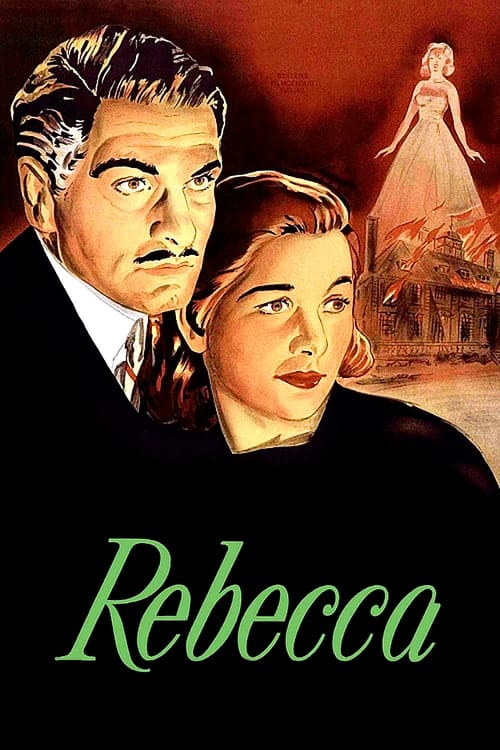
Story of a young woman who marries a fascinating widower only to find out that she must live in the shadow of his former wife, Rebecca, who died mysteriously several years earlier. The young wife must come to grips with the terrible secret of her handsome, cold husband, Max De Winter. She must also deal with the jealous, obsessed Mrs. Danvers, the housekeeper, who will not accept her as the mistress of the house.
Rebecca
Long-running anthology program sponsored by Hallmark Cards. Beginning in 1951 and continuing into 2019, the series received 80 Emmy Awards, 24 Christopher Awards, 11 Peabody Awards, 9 Golden Globes, and 4 Humanitas Prizes. Early seasons were a weekly live drama, eventually transitioning to videotaped and then filmed productions broadcast as occasional specials.
Hallmark Hall of Fame
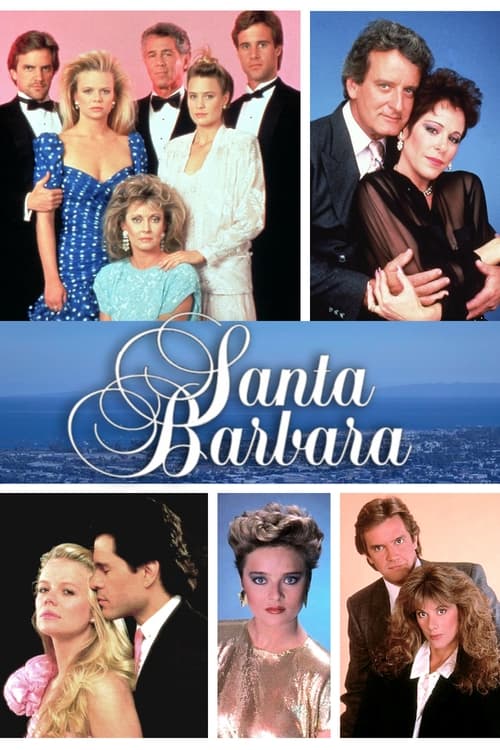
Santa Barbara is an American television soap opera, first broadcast in the United States on NBC on July 30, 1984, and last aired on January 15, 1993. The show revolves around the eventful lives of the wealthy Capwell family of Santa Barbara, California. Other prominent families featured on the soap were the rival Lockridge family, and the more modest Andrade and Perkins families. Santa Barbara aired in over 40 countries around the world and is best remembered for its witty dialogue and sometimes tongue-in-cheek situations that often seemed like an affectionate parody of the genre. The show won 24 Daytime Emmy Awards and 18 Soap Opera Digest Awards among various other awards.
Santa Barbara

A police detective falls in love with the woman whose murder he's investigating.
Laura
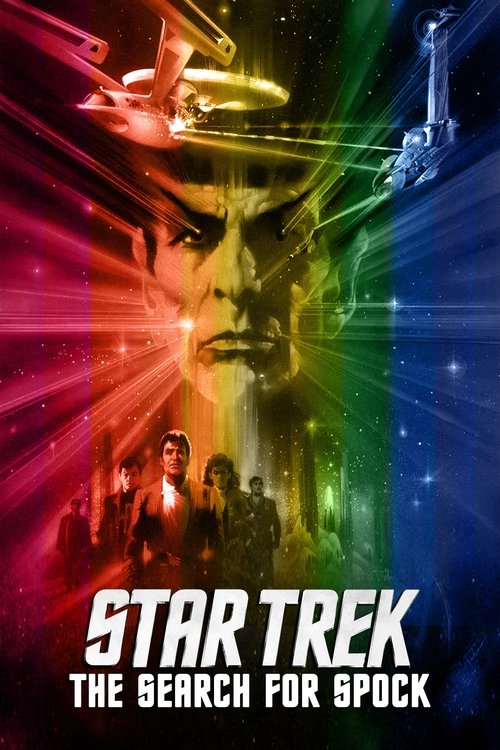
A surprise visit from Spock's father provides a startling revelation: McCoy is harboring Spock's living essence.
Star Trek III: The Search for Spock
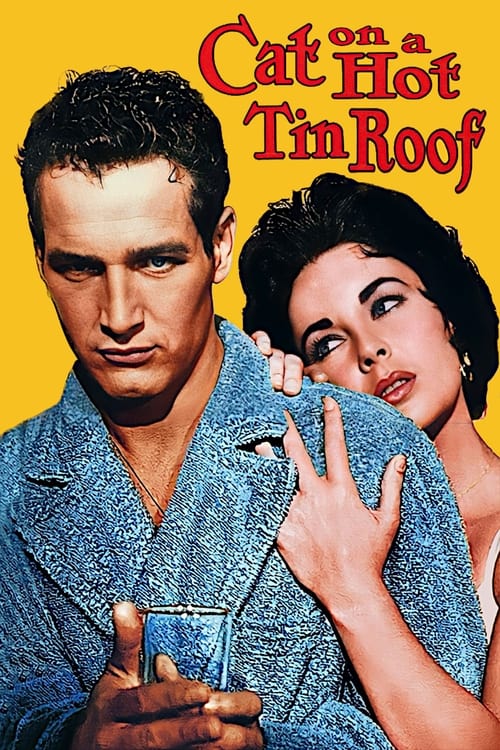
An alcoholic ex-football player drinks his days away, having failed to come to terms with his sexuality and his real feelings for his football buddy who died after an ambiguous accident. His wife is crucified by her desperation to make him desire her: but he resists the affections of his wife. His reunion with his father—who is dying of cancer—jogs a host of memories and revelations for both father and son.
Cat on a Hot Tin Roof
The Motorola Television Hour is an hour-long anthology series which alternated bi-weekly with The United States Steel Hour on ABC. The show premiered on November 3, 1953 and was last aired on June 1, 1954. It was sponsored by Motorola.
The Motorola Television Hour

In the reign of emperor Tiberius, Gallilean prophet John the Baptist preaches against King Herod and Queen Herodias. The latter wants John dead, but Herod fears to harm him due to a prophecy. Enter beautiful Princess Salome, Herod's long-absent stepdaughter. Herodias sees the king's dawning lust for Salome as her means of bending the king to her will. But Salome and her lover Claudius are (contrary to Scripture) nearing conversion to the new religion. And the famous climactic dance turns out to have unexpected implications...
Salome
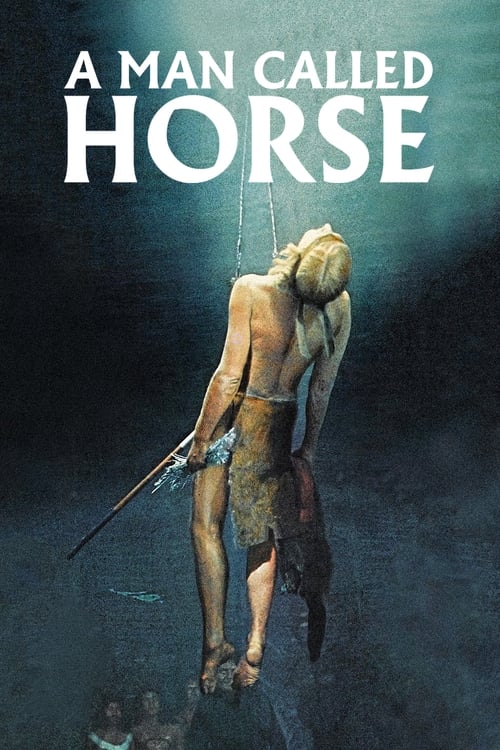
In 1825, English peer Lord John Morgan is cast adrift in the American West. Captured by Sioux Indians, Morgan is at first targeted for quick extinction, but the tribesmen sense that he is worthy of survival. He eventually passes the many necessary tests that will permit him to become a member of the tribe.
A Man Called Horse

Three childhood friends, Martha, Walter and Sam, share a terrible secret. Over time, the ambitious Martha and the pusillanimous Walter have married. She is a cold businesswoman; he is the district attorney: a perfect combination to dominate the corrupt city of Iverstown at will. But the unexpected return of Sam, after years of absence, deeply disturbs the life of the odd couple.
The Strange Love of Martha Ivers
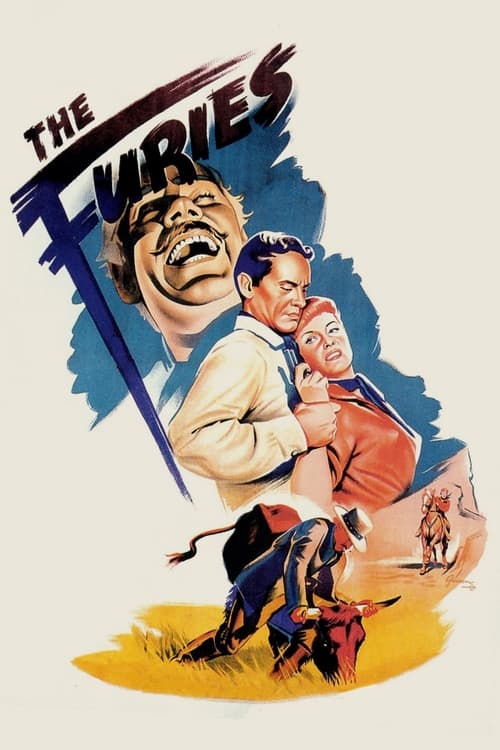
A New Mexico cattle man and his strong-willed daughter clash over land and love.
The Furies
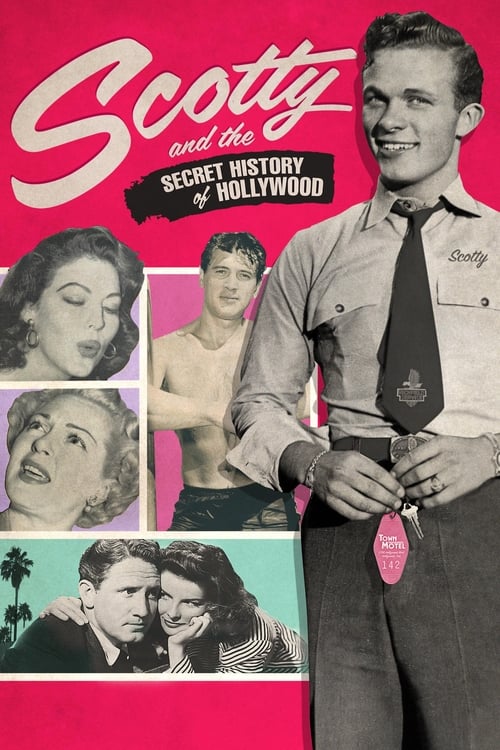
A deliciously scandalous portrait of unsung Hollywood legend Scotty Bowers, whose bestselling memoir chronicled his decades spent as sexual procurer to the stars.
Scotty and the Secret History of Hollywood
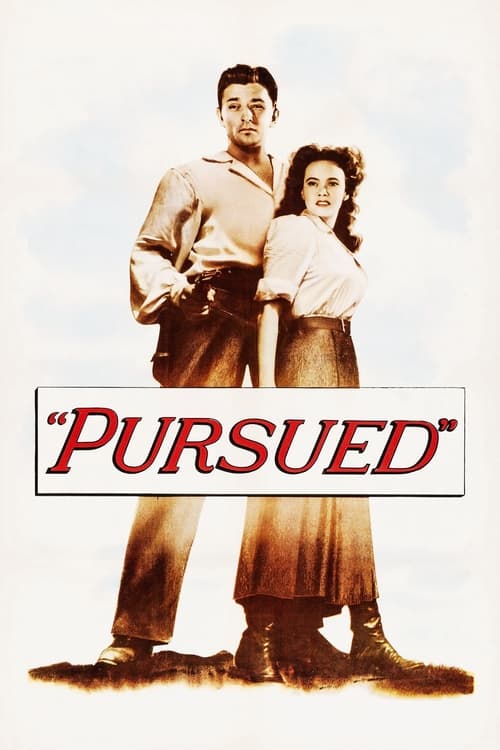
A boy haunted by nightmares about the night his entire family was murdered is brought up by a neighboring family in the 1880s. He falls for his lovely adoptive sister but his nasty adoptive brother and mysterious uncle want him dead.