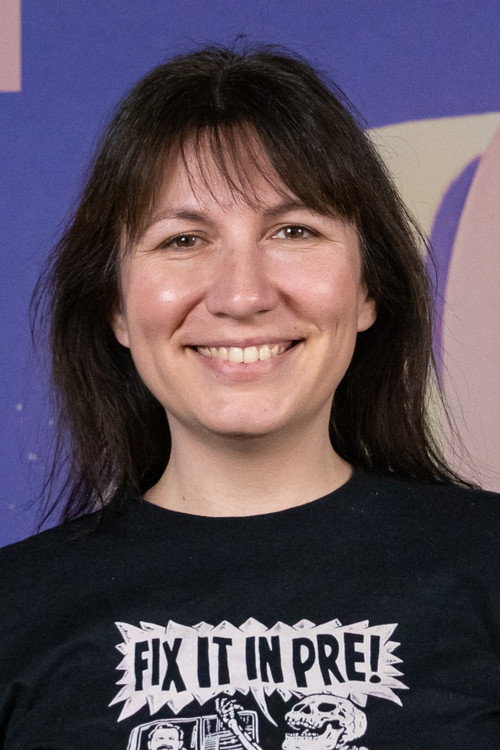
Smaragda Nitsopoulou
Directing
Known For

A meteorite lands in Sevasti’s living room. As the days pass, she becomes cut off from her friends and develops a love affair with the meteorite. The black stone grows every night and has now taken over the living room. On Sevasti’s last night on Earth, the meteorite has turned into a reincarnation of her dead husband.
Tektite

In this experimental short, the artist is exploring the notion of identity and belonging using as a starting point the last phrase from Ray Bradbury's allegoric book "The Martian Chronicles". The environment where the short takes place offers glimpses of a labour past that can be mistaken as an otherwordly space. The artist chooses this location to set the story of an astronaut while challenging the notions of extraterrestrial migration, ecology and imperialism.
I've always wanted to see a martian

A flock of sparrows try to survive, chased from their home. Unable to migrate, they find refuge in posthumus identities. Inspired by the 1958 "Eliminate Sparrows" campaign spearheaded by the Chinese Communist Party, this piece deals with the idea of instrumentalization of humans. Through this historical event that lead to the Great Chinese Famine, a tangent emerges with today's ecological emergencies and identitarian questions.
dead animals with a backstory
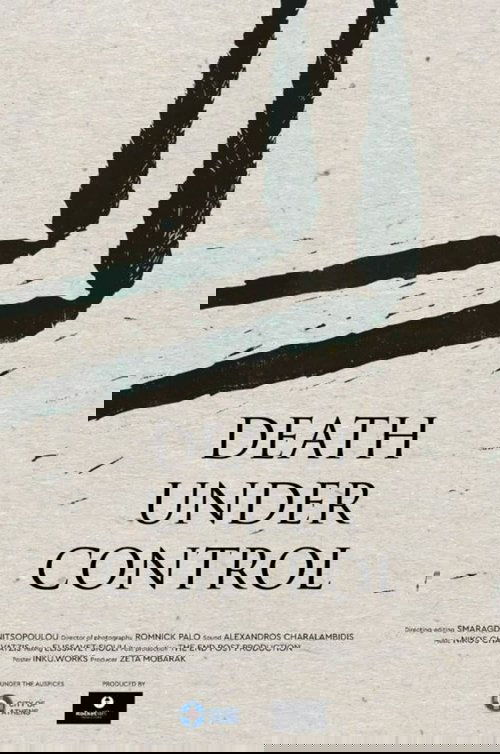
'Death Under Control' is a documentary about the neighborhood that was created around and nurtured by the 1st cemetery of Athens. Athenians always respected the dead and their social status was reflected in the grandeur of the epitaphs they created for their departed loved ones. The religious notions may vary over the years but the ecumenical need to remember remains the same. Throughout the years, mostly poor unskilled workers flocked to the neighborhood to work in all aspects of the funerary procession. As traditions changed and evolved, these professions gained structure and gravitas but never escaped their discomforting associations. In 'Death under control' we meet the descendants of the first workers of death. Businesses that go back for at least 4 generations with undisrupted continuity. What is considered to be a brim and macabre form to make a living, is seen under a new perspective from the stories that morticians, funerary house owners, florists, and sculptors narrate.