Writing
No description available.
Facing a financial crisis, Guilherme receives an ultimatum: he must pay his overdue rent within 24 hours or face eviction from the Copacabana apartment—located in Rio de Janeiro's South Zone—where he lives with his family: his wife Joana, his children Kika, Beto, and Tatá, and his father Olavo. Left with no other option, they move into a large house in São Cristóvão (in the North Zone) lent to them by Joaquim, a Portuguese friend. The family struggles to adapt to the suburban neighborhood and cope with their lack of money. To overcome the crisis, Guilherme becomes a partner in Joaquim's auto repair shop.
Os Ossos do Barão is a Brazilian telenovela produced by SBT and originally broadcast from April 28 to September 8, 1997. It is an adaptation of Jorge Andrade's 1963 play of the same name, adapted for television by Walter George Durst, with collaboration from Duca Rachid, Mário Teixeira, and Marcos Lazarini. The telenovela stars Ana Paula Arósio, Tarcísio Filho, Juca de Oliveira, Othon Bastos, and Leonardo Villar. Set in São Paulo in 1948, the story follows Egisto Ghirotto, the wealthy son of Italian immigrants who dreams of gaining social prestige by marrying his son, Martino, to Isabel, the great-granddaughter of the late Baron of Jaraguá. Their romance sparks a bitter conflict between a rising immigrant family and a declining aristocratic dynasty, exposing themes of class, ambition, tradition, and the social transformation of Brazil.
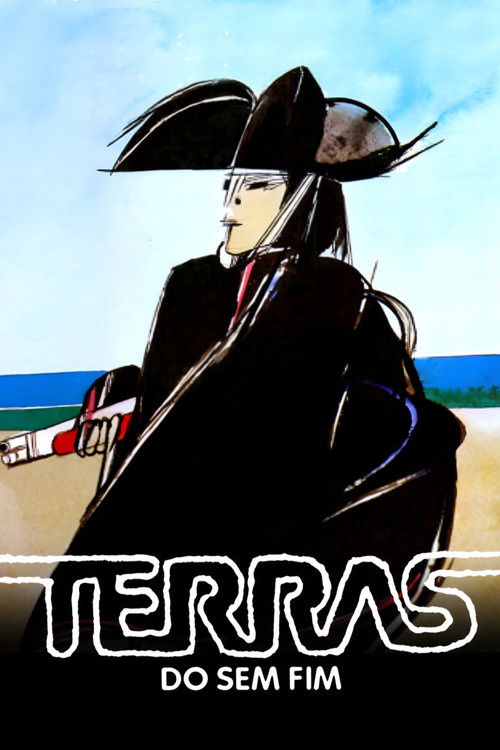
The central theme of the soap opera is the struggle for political control in the interior of Bahia between the two most powerful *coronéis* (landowning bosses) of the cocoa region: Sinhô Badaró and Horácio da Silveira. Virgílio, an ambitious lawyer, is summoned to the town by Colonel Horácio but ends up becoming involved with Ester, the colonel's wife. Captain João Magalhães is a card sharp who poses as a military engineer, successfully deceiving the entire town. He falls in love with Sinhô Badaró's daughter, Donana. By the end of the story, he reveals that he had only gotten close to the Badarós out of opportunism. After numerous clashes with Sinhô Badaró, Colonel Horácio secures political power in the town of Ferradas, with the acknowledgment of the local population.
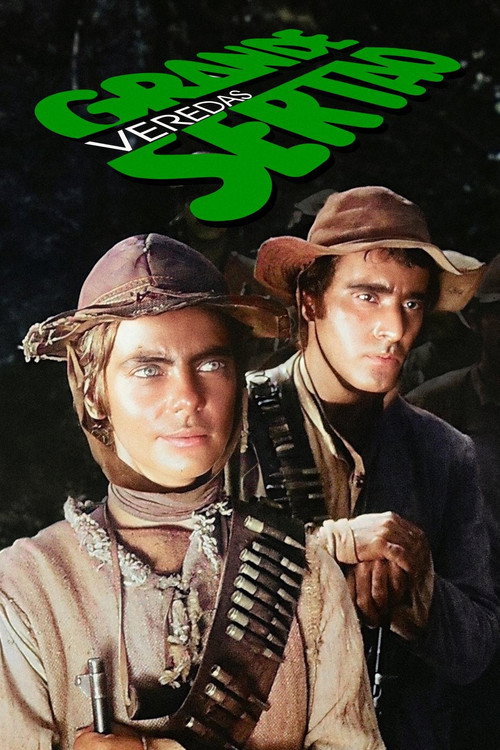
A cowboy narrates his 'jagunço' life of disputes, revenges, loves and deaths, through the years that he traveled central-east Brazil, in the first decades of the 20th century, while federal troops were in conflict with provincial forces.
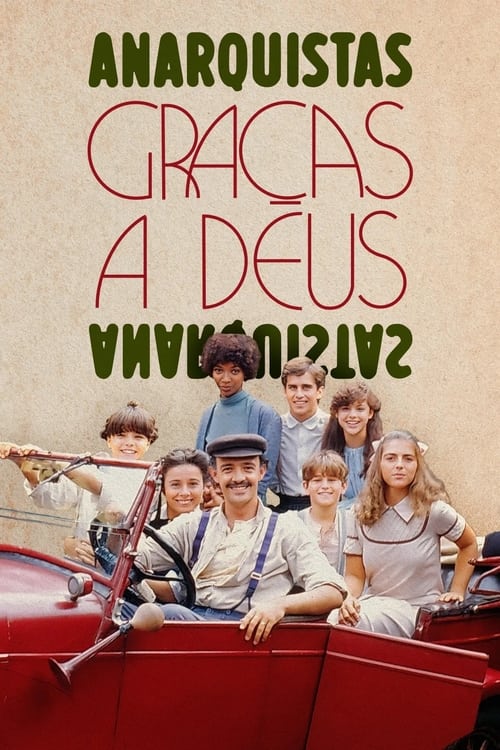
Adapted from the book by Zélia Gattai, the series portrays her family's memories, addressing, with good humor, the dreams and difficulties experienced by immigrants in São Paulo in 1920
The story takes place in São Paulo, in the late 1920s, and has Mariano's memories as its starting point. Orphaned, he loses the aunt who raised him and ends up in Madame Iara's brothel, where he meets two people who transform his life: Esmeraldo, a gigolo who loves the good life who becomes his master; and the prostitute Guadalupe, known as Lu, a sweet and extremely sensual woman. Esmeraldo is Lu's boyfriend, whom he loves unconditionally. Mariano enters the couple's lives and ends up falling in love with her, thus forming the love triangle that drives the entire narrative.
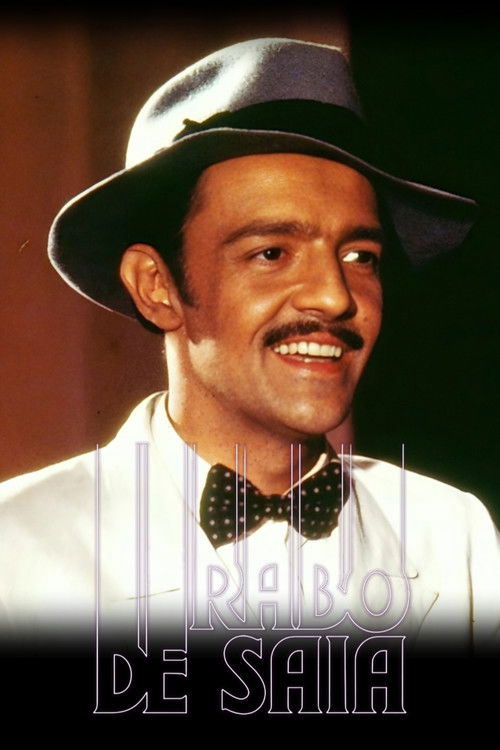
The miniseries is set in the late 1920s and tells the story of traveling salesman Quequé, who maintains three families in different fictional cities in the Northeast. Eleuzinha, from Nova União, in Pernambuco, is her husband's inseparable companion, with whom she has four children: Iraíldes, Maninho, Laide and Lili. It is with Eleuzinha that Quequé feels at ease, exercising his more liberal side.
Man finds a job as a dog catcher, but feels sorry for the animals and sets them free.
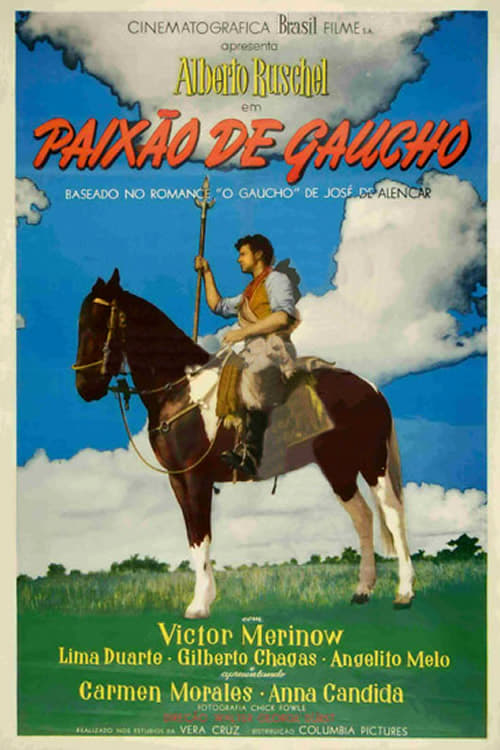
In 1836 Brazil, a hawker arrives in a small village in the State of Rio Grande do Sul to avenge the death of a friend. He becomes friends with an outgoing knight, but they start loving the same woman. Besides, Farrapos War begins, and they take different positions in the conflict, leading to rivalry.