Roger Buck
Editing
Known For
Jomo Kenyatta's death in 1978 brought to an end a political career that encompassed more than 50 years of African history. Kenyatta entered politics in the mid-1920s and then spent 17 years in exile in Europe. He returned to Kenya in 1946, and was elected president of the nationalist movement, the Kenya African Union. Arrested and imprisoned in 1952 for allegedly leading 'Mau Mau', he was released in 1961 and two years later became Kenya's first Prime Minister. In power, the man whom European settlers had once reviled as "the leader to darkness and death" was eulogized by them as a pillar of stability, while former allies challenged him by creating a left-leaning political opposition. Kenyatta weaves archival and contemporary images with interviews with friends and relatives, comrades and opponents, to create a biographical portrait of a key figure in 20th century politics, and a case study of what Frantz Fanon called the pitfalls of nationalism as a political force in Africa.
Kenyatta
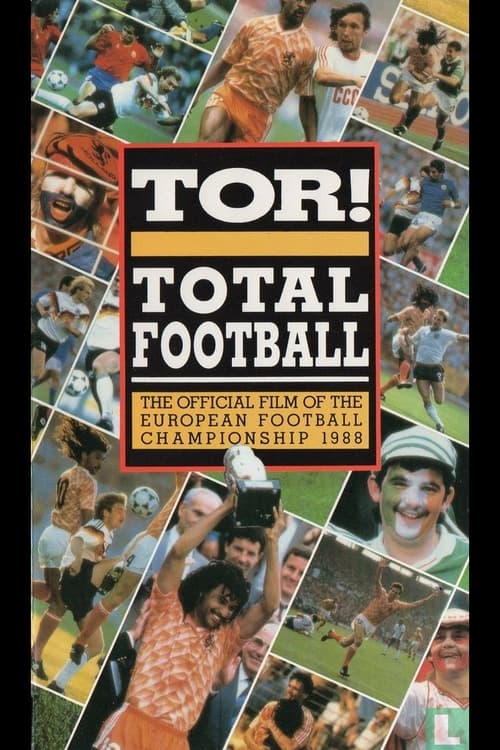
Ruud Gullit, Marco van Basten, The brothers Koeman… These were some of the superstars from Holland whose blazing talents made the European Championship of 1988 so memorable and one to log indelibly in the whole recent legend of outstanding international football. Eight teams qualified for the tournament finals, including England who scored more goals than any other side, 18, to reach the final stages – and the Cinderella side from the Republic of Ireland, managed by Jack Charlton. But most of all Euro ’88 had a winning side who swept all before them in a colourful and passionate series of displays that will be viewed again and again by anyone fascinated and intrigued by the way the world’s most popular game is so sumptuously developing as it enters its second organised century. It is a must for fans and serious students alike.
Tor! Total Football
In the late 19th century, Britain, France, Germany and other European states agreed on the division of Africa into a patchwork of colonies, and set about exploring and exploiting their new possessions. White Man's Country combines period photographs and contemporary location footage with the testimony of African and European witnesses, to examine both sides of Europe's "civilizing mission" in Africa.
White Man's Country
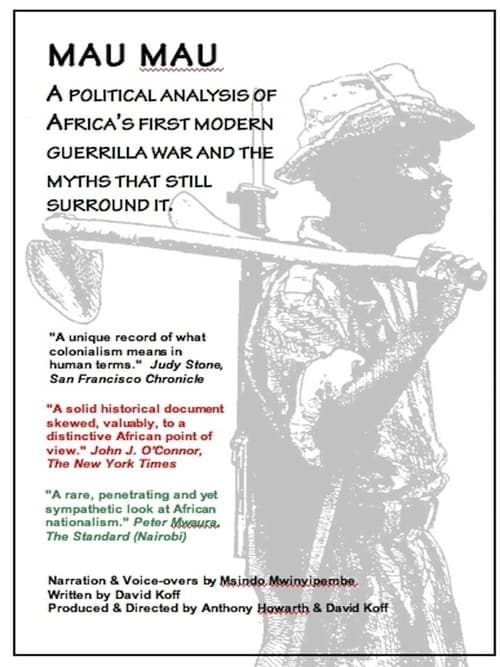
In October 1952 the British government declared a State of Emergency in Kenya. Its object: the defeat of "Mau Mau." In the war that followed, fewer than 40 of Kenya's 40,000 white settlers were killed while more than 15,000 Africans lost their lives, and hundreds of thousands more were arrested and subjected to a humiliating and often brutal process of "rehabilitation." But what was Mau Mau? A movement based, according to the British Colonial Secretary, on a "perverted nationalism and a sort of nostalgia for barbarism"? Or the Land Freedom Army, an organized political and military response to repression and armed aggression? Using newsreel and previously inaccessible archive footage, and drawing on interviews with participants on both sides, Mau Mau examines the myth and the reality of Africa's first modern guerrilla war.
Mau Mau
Sunderland, against all of the odds, beat Leeds United in the 1973 FA Cup final, and memories of that triumphant city are revived when a photographer revisits his home town. But any ideas about moving back are sorely tested when his rose-tinted recollections clash with the realities of life in Sunderland. An engaging comedy-drama that explores our need to belong.
Homeground
On a beautiful summer's day, a river is crowded with boats. In a moment of carelessness, a man falls overboard. While struggling to reach the surface he strikes his head and sinks to the bottom. In a twilight world, he views past scenes from his life.
In the Twilight
Poplar's long tradition of political and social activism is on show in this community film. The East London district has been home to both grassroots and high-profile radicals, from social reformer George Lansbury in the 1920s to the contemporary Teviot Festival Committee. This film was made by Liberation Films, a non-profit company which grew from a group of anti-Vietnam War activists.