Acting
Crown Court is an afternoon television courtroom drama produced by Granada Television for the ITV network that ran from 1972, when the Crown Court system replaced Assize courts and Quarter sessions in the legal system of England and Wales, to 1984.
Theatre 625 is a British television drama anthology series, produced by the BBC and transmitted on BBC2 from 1964 to 1968. It was one of the first regular programmes in the line-up of the channel, and the title referred to its production and transmission being in the higher-definition 625-line format, which only BBC2 used at the time.
An anthology of short plays shown on BBC Television between 1965 and 1973, used in part at least as a training ground for new writers, on account of its short length, and which therefore attracted many writers who later became well known.
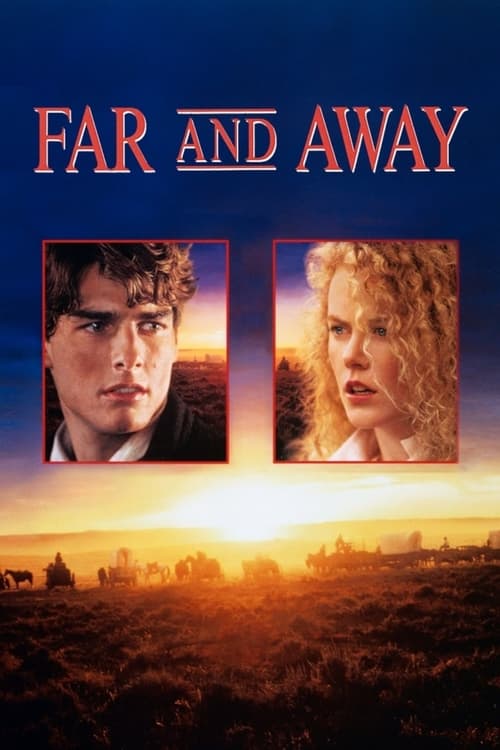
A young free-spirited Irish woman from an affluent Protestant family spontaneously befriends a street-smart commoner cheated by her family’s hostile land takeovers. They escape to America, ready to take advantage of the 19th century Oklahoma land rush.
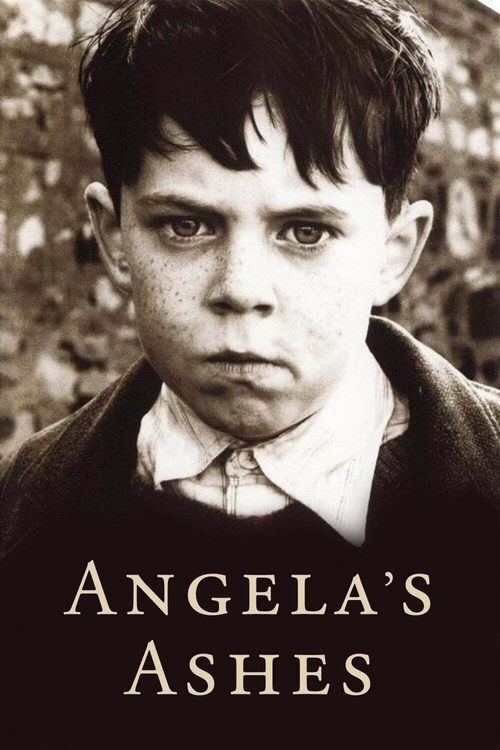
An Irish Catholic family returns to 1930s Limerick after a child's death in America. The unemployed I.R.A. veteran father struggles with poverty, prejudice, and alcoholism as the family endures harsh slum conditions.
Story Parade specialized in adaptations of modern novels. It was broadcast on June 5, 1964 and repeated on August 28, 1964. The teleplay was by Terry Nation (who invented "Blake's 7" and the Daleks in Dr. Who), and Elijah Baley was played by the late Peter Cushing. It also starred John Carson John Carson as R. Daneel Olivaw and Kenneth J. Warren. The master tapes of the program were erased, however a few clips from the production have turned up in various documentaries about Isaac Asimov's work.
Anthology series of love stories.
An anthology of single plays offering up adaptations of either of prominent stage plays or novels.
No one expects much from Christy Brown, a boy with cerebral palsy born into a working-class Irish family. Though Christy is a spastic quadriplegic and essentially paralyzed, a miraculous event occurs when, at the age of 5, he demonstrates control of his left foot by using chalk to scrawl a word on the floor. With the help of his steely mother — and no shortage of grit and determination — Christy overcomes his infirmity to become a painter, poet and author.
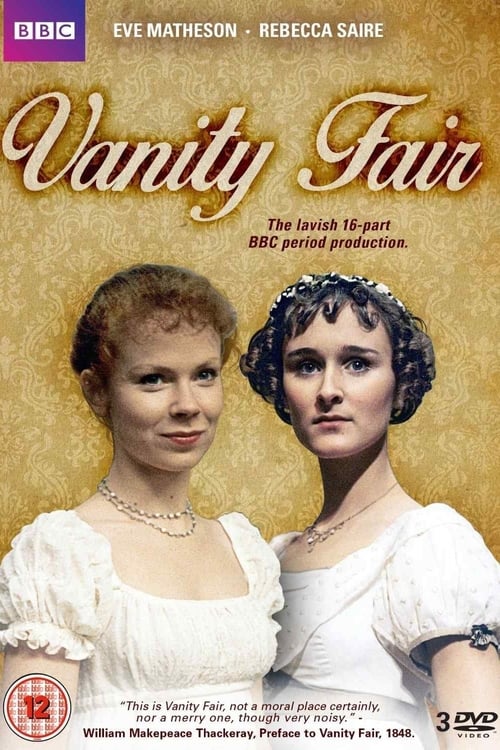
In early 19th century England, ambitious and ruthless orphan Rebecca Sharp advances from the position of governess to the heights of British society.
An anthology of 1920s set plays and musicals, transmissioned from 10 September to 10 December 1968 on BBC One.
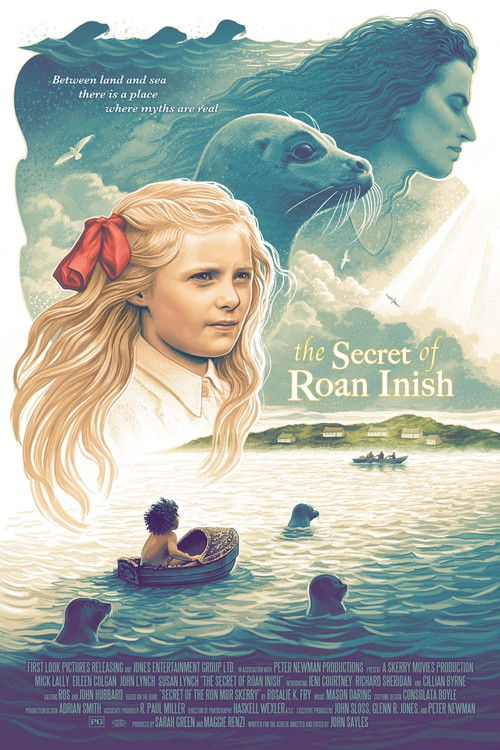
Ten-year-old Fiona is sent to live with her grandparents in a small fishing village in Donegal, Ireland. She soon learns the local legend that an ancestor of hers married a Selkie – a seal who can turn into a human. Years earlier, her baby brother was washed out to sea and never seen again, so when Fiona spies a naked little boy on the abandoned Isle of Roan Inish, she is compelled to investigate.
Roisin and Septa are two young nurses from Dublin who go to work at a hospital in Belfast. Roisin meets and falls in love with Tom, a young Protestant car mechanic. This causes a series of problems for the young couple, their families and friends.
A grieving Connecticut mother temporarily switches houses with a woman in Dublin, Ireland.
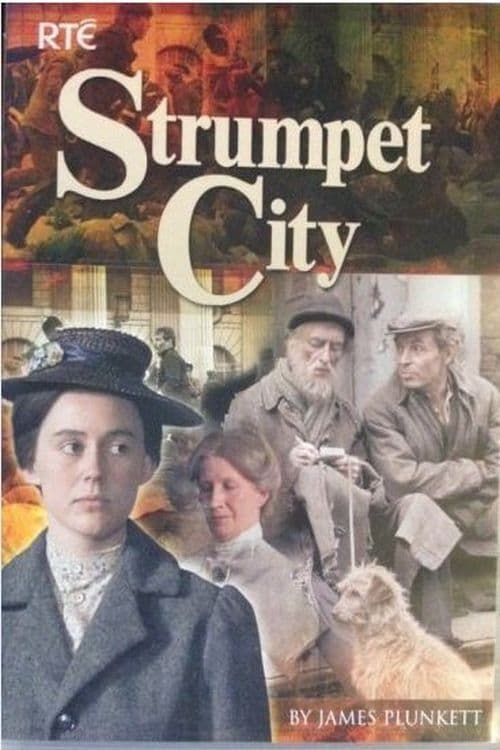
Strumpet City was a 1980 television miniseries produced by Irish broadcaster RTÉ, based on James Plunkett's 1969 novel Strumpet City. It was RTÉ's most ambitious and expensive production to date. The script was written by Hugh Leonard, and Peter O'Toole played James Larkin, the union leader.
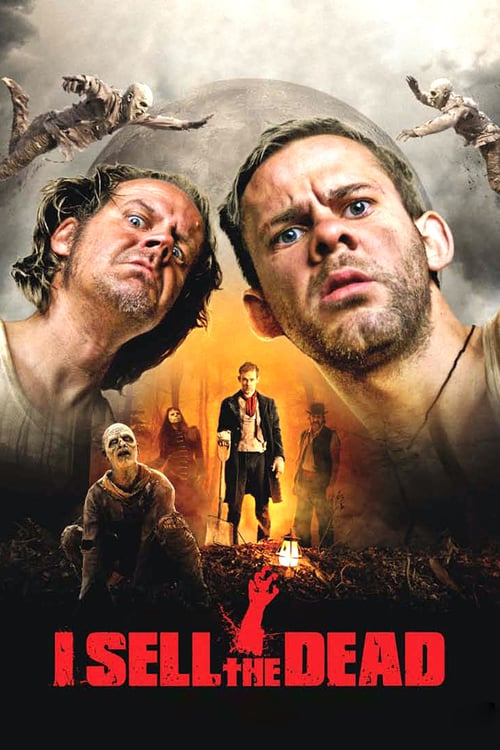
18th century justice catches up with a pair of grave robbers. With only a few hours to go before his date with the guillotine, Arthur Blake tells his life story to Father Francis Duffy. Before long, Arthur spills the beans on how he got started in the grim corpse peddling business with seasoned ghoul Willie Grimes.
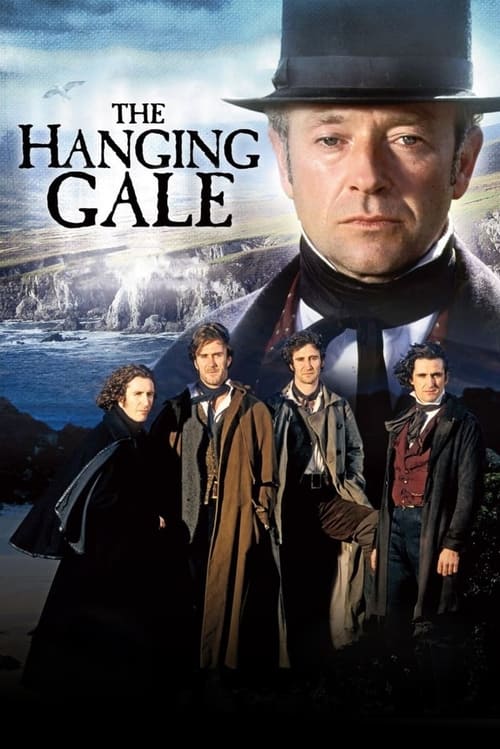
The Hanging Gale is a four-episode television serial which first aired on RTÉ One and BBC1 in 1995. The series was a British–Irish co-production, made by Little Bird Films for BBC Northern Ireland in association with Raidió Teilifís Éireann, with support from the Irish Film Board. The serial, set in 1846 at the beginning of Ireland's Great Famine, starred the four McGann brothers: Joe McGann, Paul McGann, Mark McGann and Stephen McGann, and was based on an original idea by Joe and Stephen McGann while researching their family's history. The title of the series comes from the term 'hanging gale', the name for a widespread practice in Ireland at the time, where a landlord would allow new tenants a six-month grace period on payment of their rent, with the expectation that the rent owed would be paid when the land's crops were harvested and sold.
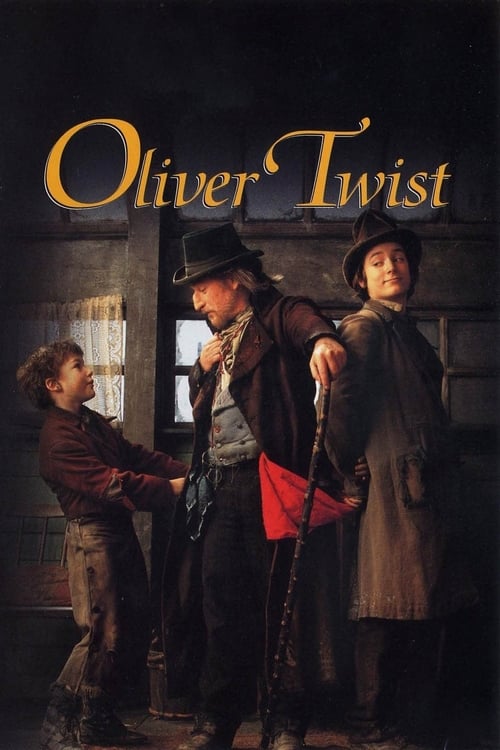
An orphan endures a harsh life in a workhouse before fleeing to London, where he falls in with a gang of juvenile pickpockets led by the criminal Fagin, and eventually finds a better life, exposing the cruelties of poverty and child labor in Victorian England.
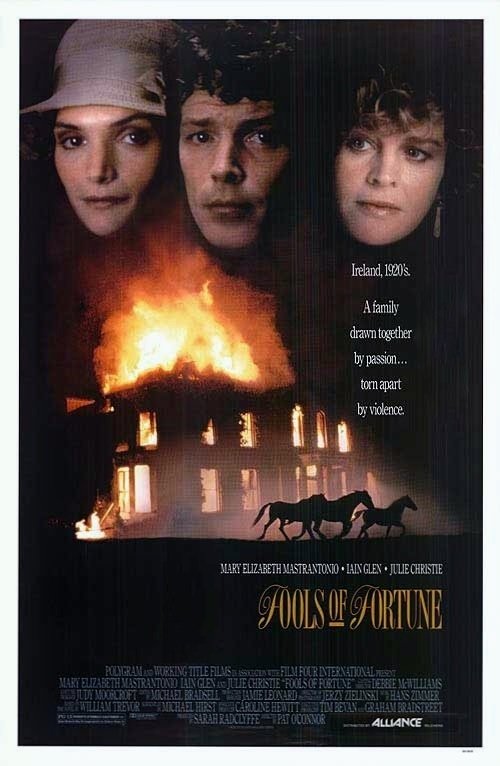
A Protestant Irish family is caught up in a conflict between Irish Republicans and the British army.
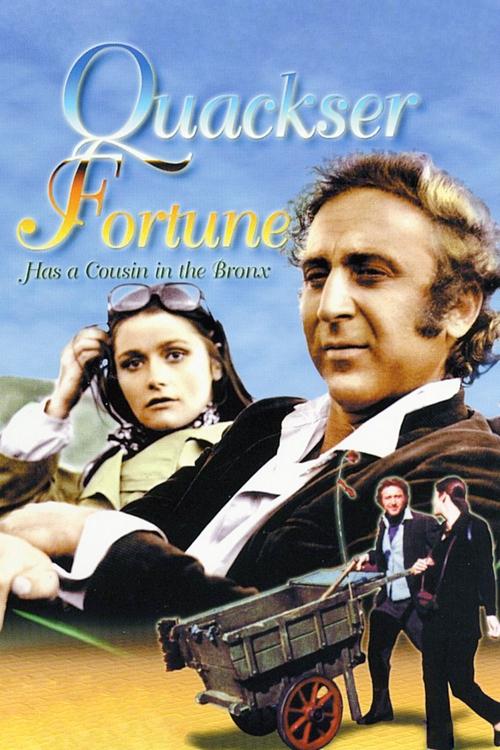
In Dublin, a working class family has been unsuccessful in convincing their son to get a real job: the son prefers his job of scooping up horse's dung and selling it for flower gardens. An American exchange student almost runs him over and gets to know him. The dung man has ignored warnings from his family and suddenly the horses have been banned from Dublin. His new love is leaving for America and he must find a way to cope with the new reality.