Production
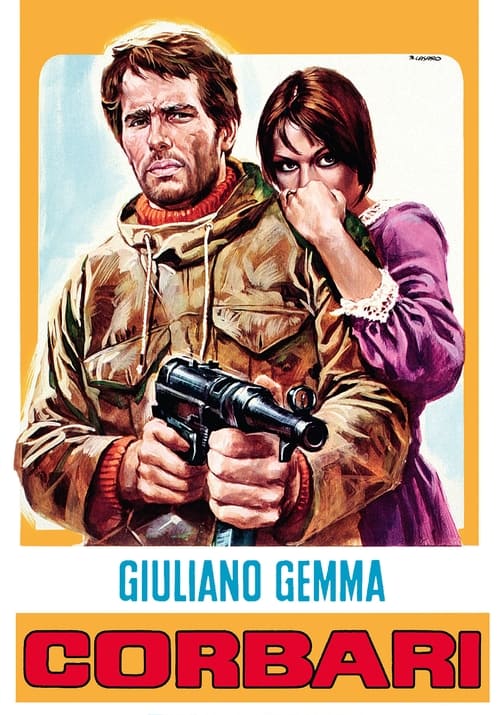
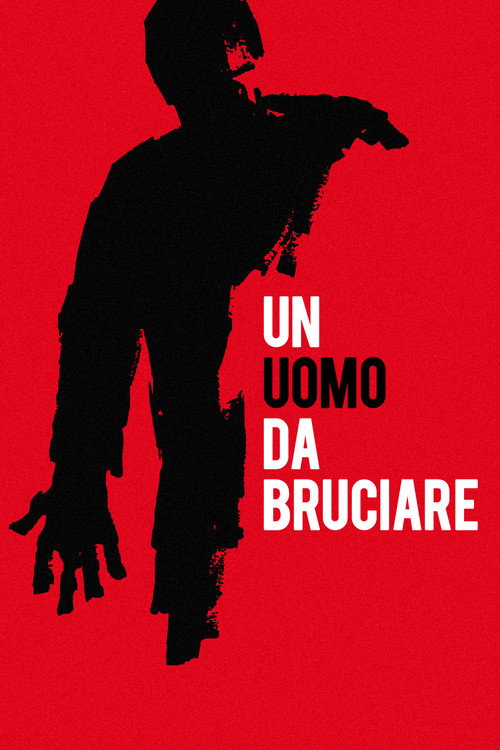
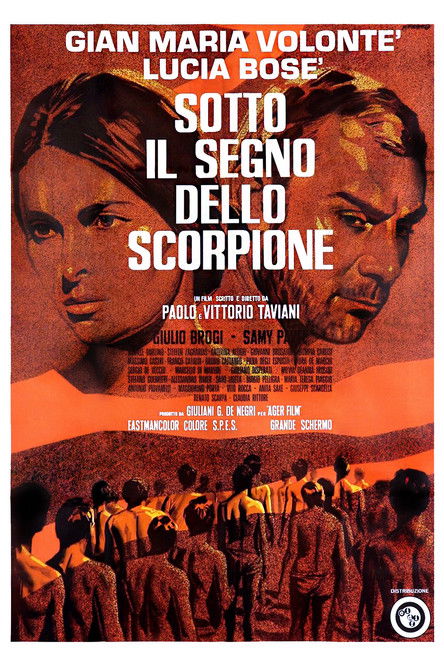
The real story of the partisan Silvio Corbari (Giuliano Gemma). Silvio forms a band of partisans in Northern Italy, completely independent from the Italian organized resistance (CLN). Ines (Tina Aumont), leaves her husband to join the band and becomes Silvio's lover. Silvio seems to suceed in creating a free-zone, his personal republic, independent from Nazi-occupied Italy, in a little village called Tregnano.
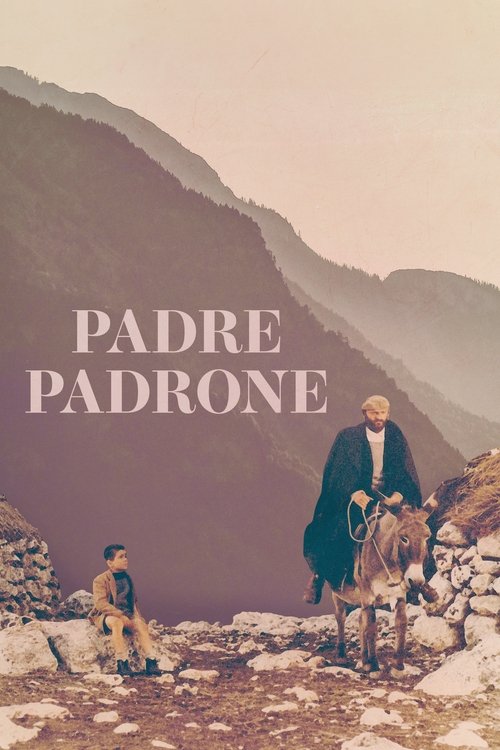
The true story of the life of Gavino Ledda, the son of a Sardinian shepherd, and how he managed to escape his harsh, almost barbaric existence by slowly educating himself, despite violent opposition from his brutal father.
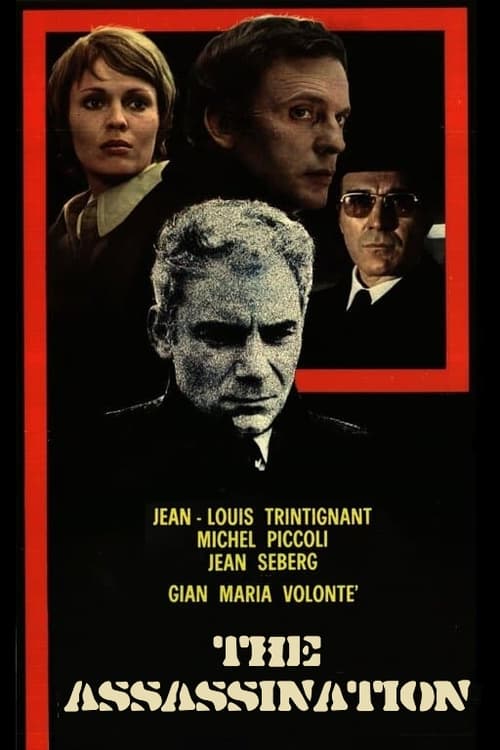
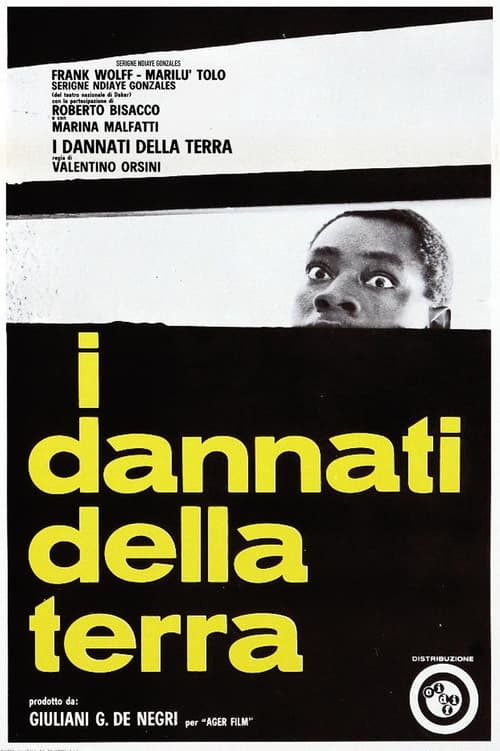
Darien, a left-wing police informant, is forced to lure his old friend Sadiel to Paris, allegedly to film a television special about the Third World. Sadiel, the exiled leader of a North African state, is being hunted by the ruthless Colonel Kassar, who will stop at nothing to capture his political rival. Once Sadiel arrives in Paris, Darien realizes he has been manipulated. He tries to turn back the clock, not realizing what or who he’s truly dealing with.
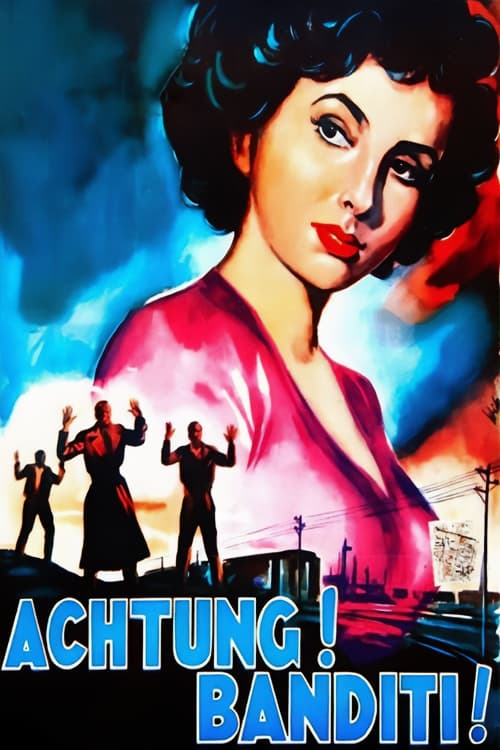
During the winter of 1944, the partisans stationed in the Ligurian Apennines must go to a factory in Genoa, in order to pick up a delivery of weapons. Meanwhile, there's a strike in the city and the Nazis are trying to suppress it violently. The factory becomes the scene of fighting between the Germans and the partisans but the latter, aided by the workers, will be able to get the better.
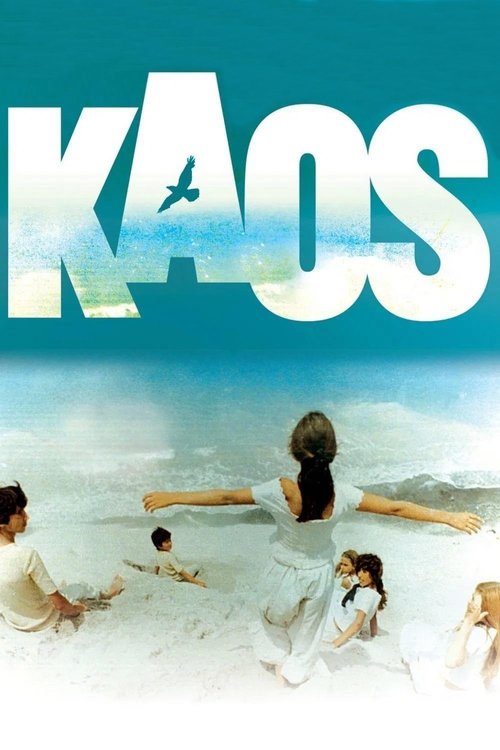
Five stories center on a werewolf, a feudal landlord, peasants, a ghost, and a mother and her sons.
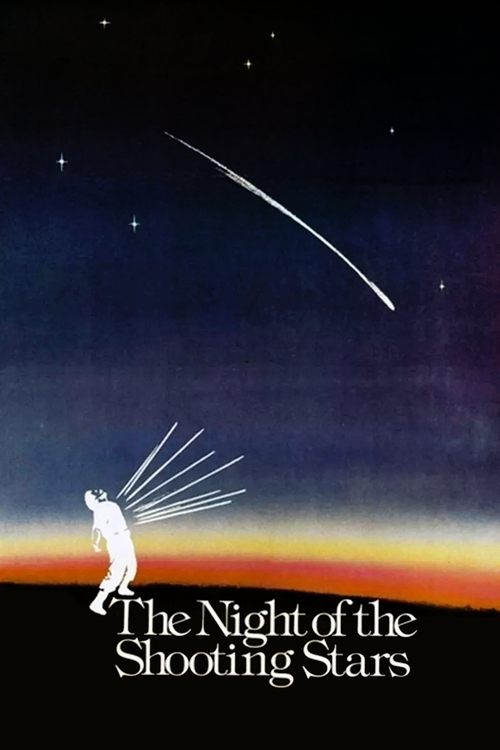
The Night of San Lorenzo, the night of the shooting stars, is the night when dreams come true in Italian folklore. In 1944, a group of Italians flee their town after hearing rumours that the Nazis plan to blow it up and that the Americans are about to arrive to liberate them.
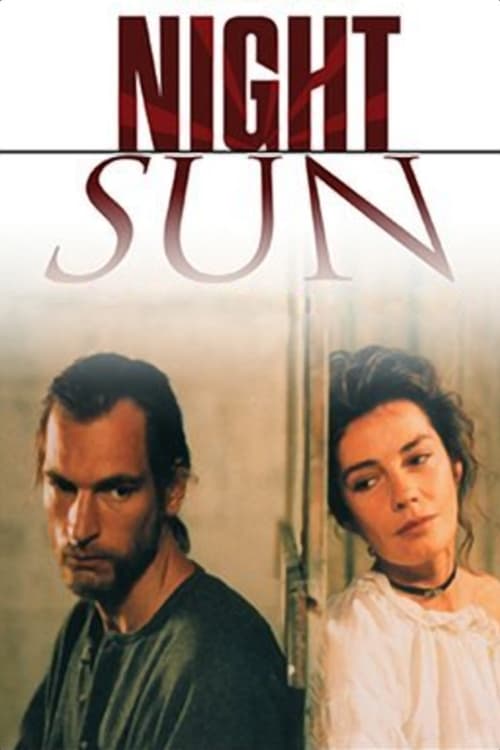
Based on Leo Tolstoy's novel, Father Sergius, Night Sun stars Julian Sands as Sergio, a nobleman in 18th-century Italy who is expected to marry a duchess, Nastassja Kinski. Upon learning that she was previously the King's mistress, Sergio turns his back on society and becomes a monk. While at the hermitage he tries to resist all sexual temptations before him and soon becomes known as a miracle worker. Eventually he succumbs to a young seductress and knowing he is undeserving of the adulation, leaves the hermitage to travel around as a homeless beggar.
Political activist Salvatore returns to his native Sicily and stirs up trouble among the peasants, urging them to confront the Mafia and demand the right to plough their own fields. The peasants refuse to help him, and Salvatore is marked by the Mafia as a troublemaker.
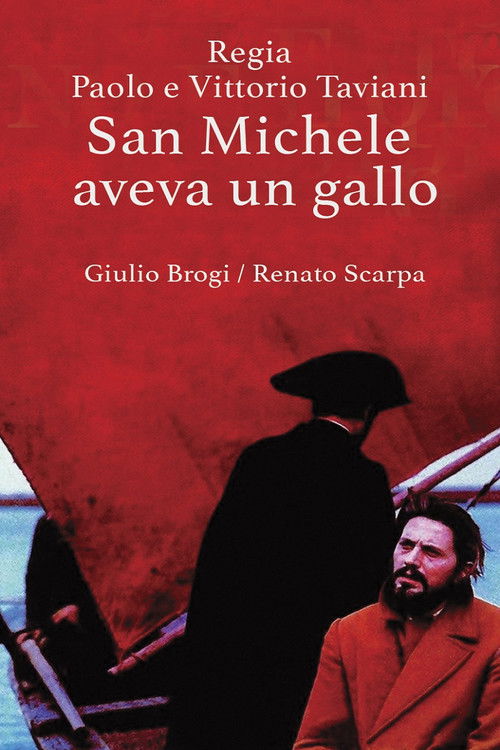
After the 1815 Restoration, an aging revolutionary finds himself reluctantly involved in an attempted insurrection in Southern Italy while growing increasingly disillusioned with his cause.
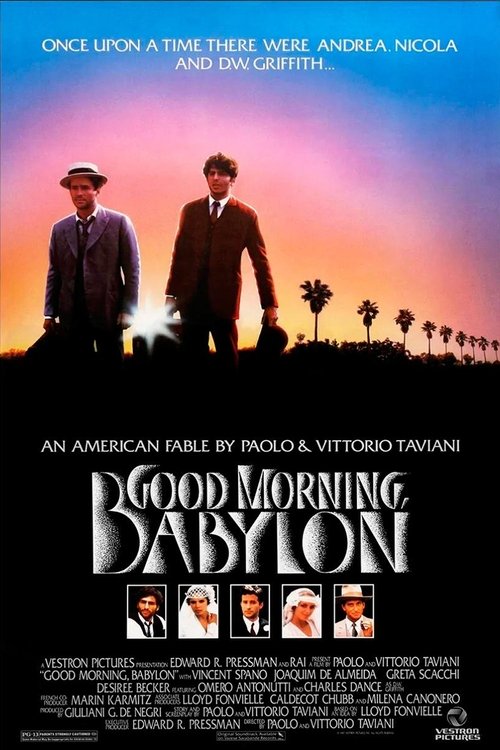
After the bankruptcy of their father's stonemasonry firm, brothers Nicola and Andrea emigrate to America to restore their fortunes. After many adventures and near-disasters, they end up in Hollywood, designing sets for D.W. Griffith, and marry beautiful actresses. However, tragedy strikes with the arrival of World War I, which finds the brothers fighting on opposite sides...
An island has been decimated by a volcanic eruption and the few survivors escape to a nearby island. Led by Rutolo, they know that their new home is equally susceptible to such a catastrophe via its own volcano, but they are unable to convince the current inhabitants of Island #2 to flee with them to a mainland.
Florence, Italy, 1925, during the fascist dictatorship. In order to live near his girlfriend Bianca, young Mario moves to a humble street in the old city center, where he befriends Maciste and Ugo, two anti-fascists.
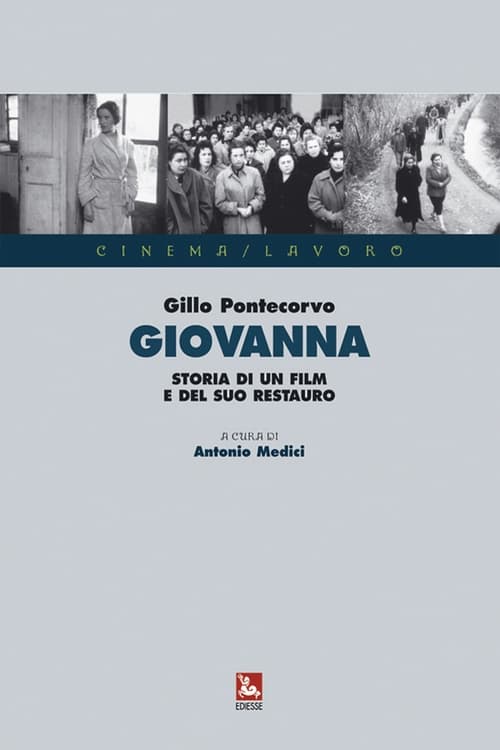
This short is set in the early 1950s in a small textile factory in central Italy (Prato). Giovanna and her fellow female workers decide to enact a protest against the direction of the factory's dismissal plan, by occupying the factory and continuing to work until the proprietor cancels the dismissals. None of these women can really afford to lose their jobs, as it is the only income in the family. All workers receive moral and material support from their families, apart from Giovanna, who bravely endures her husband's disapproval. Almost all the women hold out for thirty-five days in spite of the proprietor's attempts to break their resistance. At first he blocks the road to the factory, then he cuts off electric power to increase their isolation; finally, he tries to convince them to accept the dismissal of at least a smaller number of them. But the women overcome these obstacles, determined to resist...
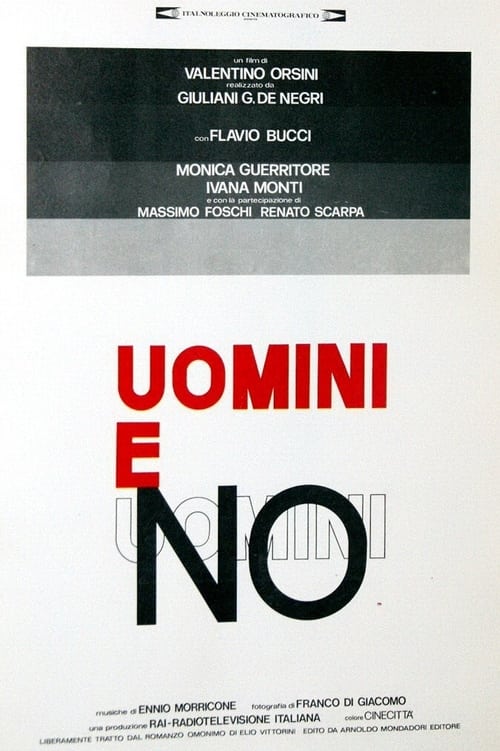
In Milan, in the winter of 1944, the ruthless Cane Nero leads the fascists against the partisans. Enne 2, one of the leading figures of the C.N.L., meets Berta, whom he loved three years ago, but Berta refuses to leave her husband for him. Enne 2 is pursued by the fascists of Cane Nero and, instead of running away to Turin, waits for Berta to rejoin him
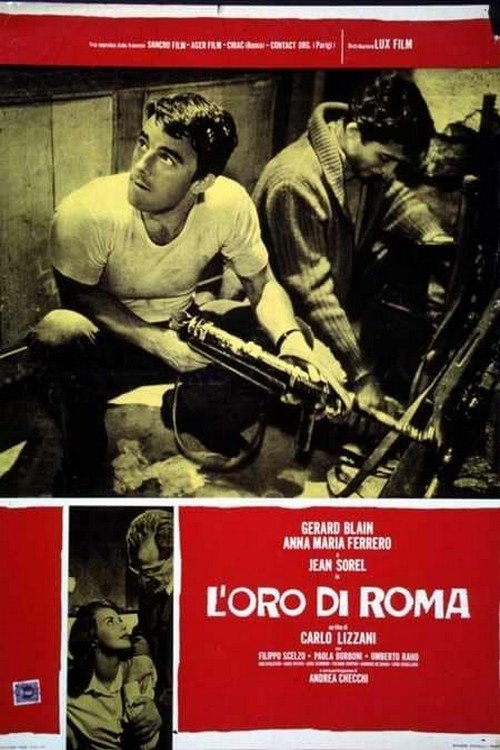
Rome 1943. The German Commandant of the city causes a turmoil in the Jewish community by offering them what seems to be an expensive way out of imprisonment and death.
Upon his death, a young African director, Abramo Malonga, bequeathed his first and last unfinished film to his former teacher, the Italian director Fausto Morelli. Morelli, who after seeing the work, is confronted with a confusing, complex and, in part, incomprehensible work. Helped by the young widow of Abramo Malonga and by the notes left by his deceased friend, and again by his personal memories, the Italian director attempts to reconstruct and complete the film. Fausto's work progresses with difficulty, not only because of the problems the film poses for him, but because of the problems that arise in his daily life. After a long crisis, after which he returns to Pisa with his former party companions and abandons himself to love and his own solitude, Fausto takes up the work of his African friend, closing it with a final invention, in which , with a bold metaphor, has refigured the human condition of our time.
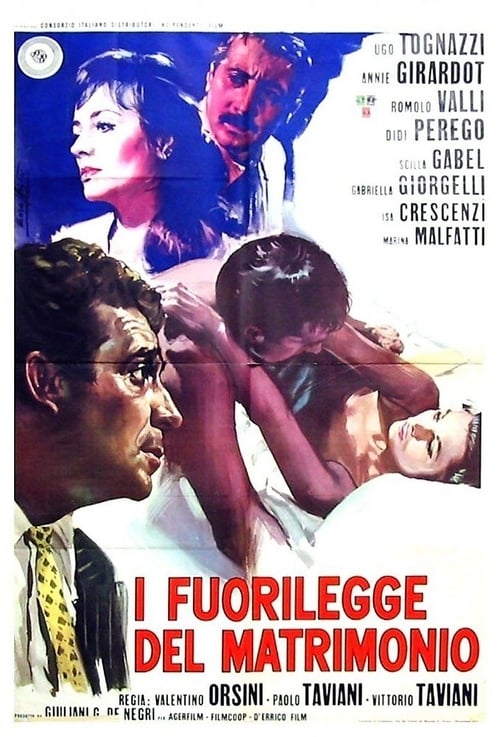
This film is very much a docudrama which portrays the difficulties of Italian life circa 1963 due to the absence of a divorce law. Five scenarios with different actors portray realistic situations where divorce is clearly warranted but, because marriage was strictly in the purview of the Catholic Church at that time, which strictly forbade divorce, these people are shown to suffer the consequences in their daily lives. Italy got its first civilian divorce law in 1970.
Sentenced to life imprisonment for illegal activities, Italian International member Giulio Manieri holds on to his political ideals while struggling against madness in the loneliness of his prison cell.
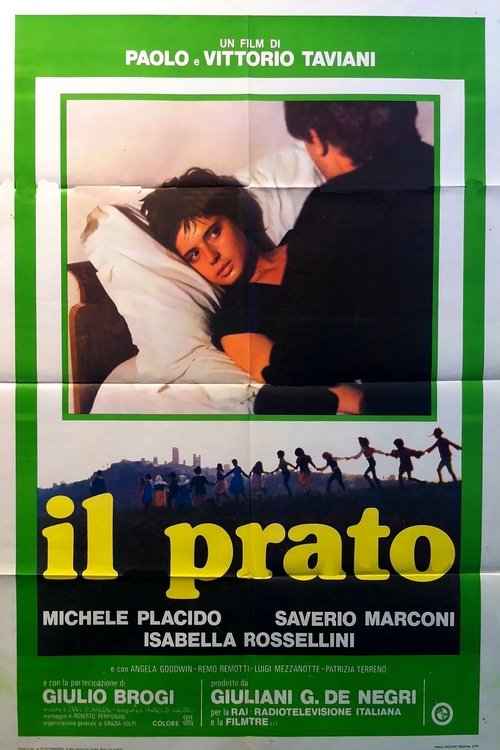
Romantic entanglements develop between three young Italians frustrated by their current economic and social status.
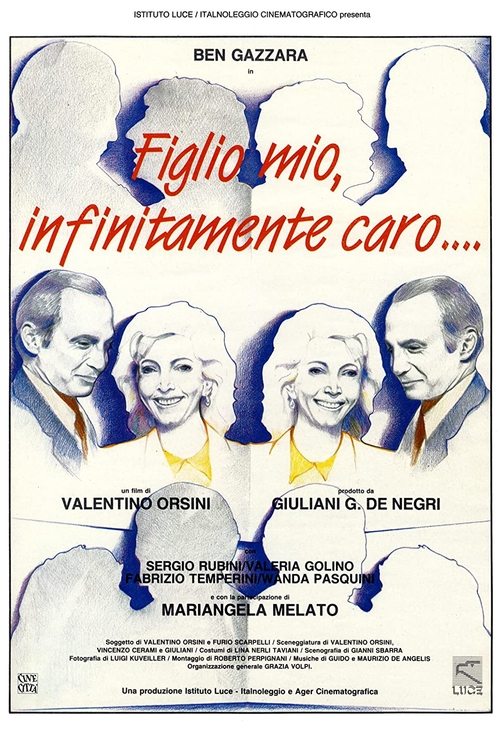
A respectable lawyer finds out his son is a heroin addict. Heartbroken, he'll do anything to help his only child, even if it means sharing his hell.