FEEL IT.STREAM
René Clair

René Clair

Directing

Biography

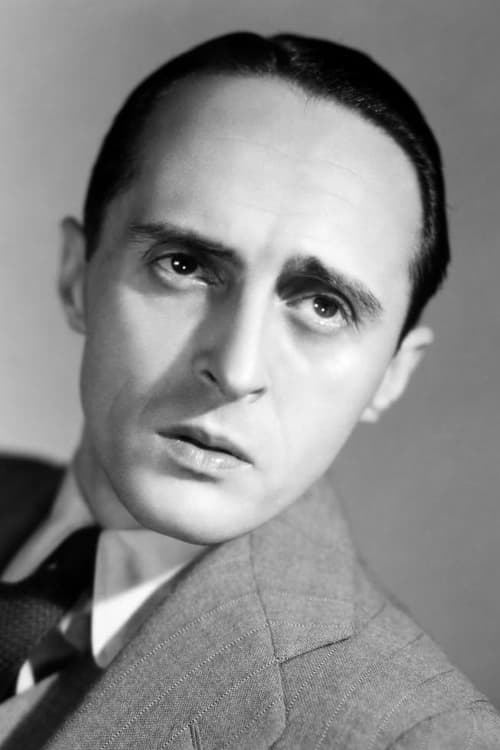
René Clair was a French filmmaker and writer. He first established his reputation in the 1920s as a director of silent films in which comedy was often mingled with fantasy. He went on to make some of the most innovative early sound films in France, before going abroad to work in the UK and USA for more than a decade. Returning to France after World War II, he continued to make films that were characterised by their elegance and wit, often presenting a nostalgic view of French life in earlier years. He was elected to the Académie française in 1960. Clair's best known films include The Italian Straw Hat (1928), Under the Roofs of Paris (1930), Le Million (1931), À nous la liberté (1931), I Married a Witch (1942), and And Then There Were None (1945). In 1924, while Clair was working on Ciné-sketch for the theatre with France Picabia, he first met a young actress, Bronja Perlmutter, who subsequently appeared in his film Le Voyage imaginaire (1926) premiered at the newly opened Studio des Ursulines. They married in 1926, and their son, Jean-François, was born in 1927. René Clair died at home on 15 March 1981, and he was buried privately at Saint-Germain-l'Auxerrois. Clair's reputation as a film-maker underwent a considerable reevaluation during the course of his own lifetime: in the 1930s he was widely seen as one of France's greatest directors, alongside Renoir and Carné, but thereafter his work's artifice and detachment from the realities of life fell increasingly from favour. The avant-gardism of his first films, and especially Entr'acte, had given him a temporary notoriety, and a grounding in surrealism continued to underlie much of his comedy work. It was however the imaginative manner in which he overcame his initial scepticism about the arrival of sound which established his originality, and his first four sound films brought him international fame. Clair's years of working in the UK and USA made him still more widely known but did not show any marked development in his style or thematic concerns. It was in the post-war films that he made on his return to France that some critics have observed a new maturity and emotional depth, accompanied by a prevailing sense of melancholy but still framed by the elegance and wit that characterised his earlier work. However, in the 1950s the critics who heralded the arrival of the French New Wave, especially those associated with Cahiers du Cinéma, found Clair's work old-fashioned and academic. The paradox of Clair's reputation has been further heightened by those commentators who have seen François Truffaut as the French cinema's true successor to Clair, notwithstanding the occasions of their mutual disdain.
Known For

Le Grand Échiquier
8.0

Le Grand Échiquier is a French variety television program created and presented by Jacques Chancel. It aired at 8:30 pm on the first channel of the ORTF from January 12, 1972 to July 12, 1972, then on the second color channel of the ORTF from September 1972 to December 1974, and finally on Antenne 2 from January 1975 to December 21, 1989. The program returned to France 2 on December 20, 2018 and is hosted by Anne-Sophie Lapix.

Le Grand Échiquier

1972
No image
6.0

No description available.

Midi trente

1972
Cinépanorama
8.7

No description available.

Cinépanorama

1956
No image
9.0

Produced for television by Claude-Jean Philippe, the « Encyclopédie audiovisuelle du cinéma », recounts the history of French cinema from its birth to the beginning of the 1960s. With commentary read by Jean Rochefort.

Encyclopédie audiovisuelle du cinéma

1978
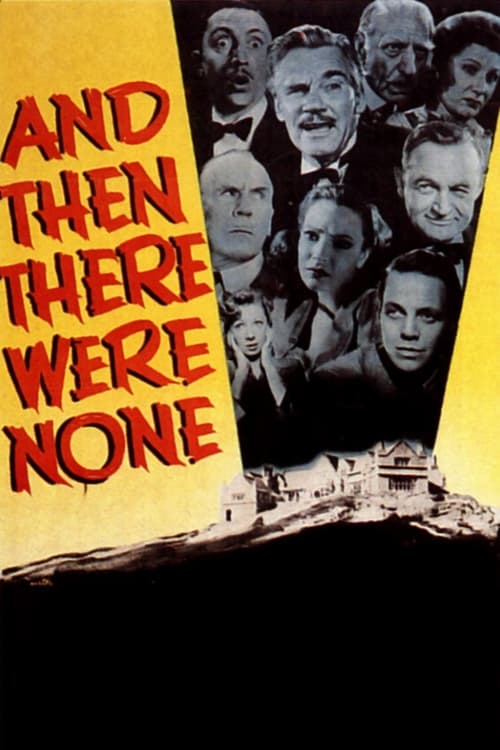
And Then There Were None
7.0

Ten strangers are summoned to a remote island and while they are waiting for the mysterious host to appear, a recording levels serious accusations at each of the guests. Soon they start being murdered, one by one. As the survivors try to keep their wits, they reach a disturbing conclusion: one of them must be the killer.

And Then There Were None

1945
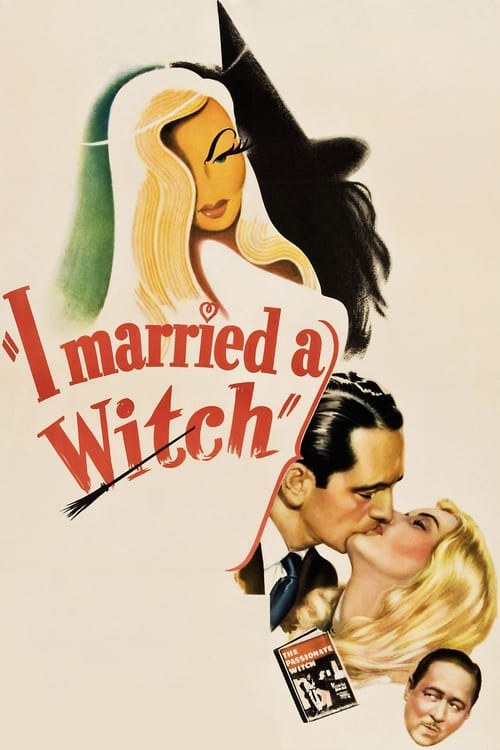
I Married a Witch
6.9

A 17th-century witch returns to wreak havoc in the life of a descendant of the Puritan witch hunter who burned her, but runs afoul of her father when she discovers that her mischief might have found her true love.

I Married a Witch

1942
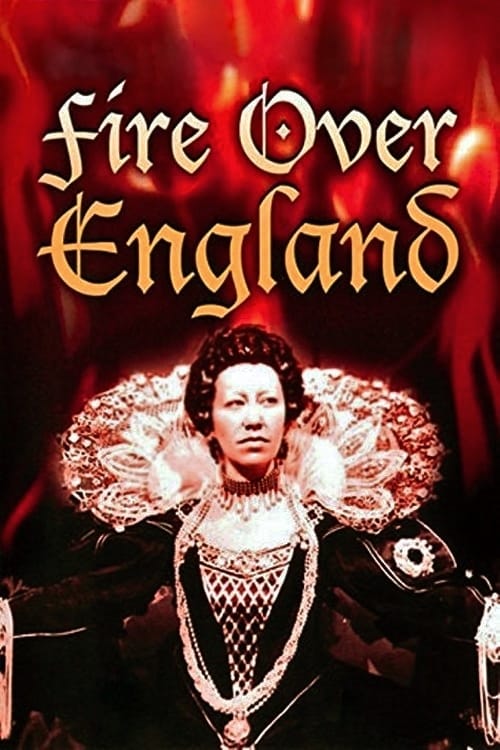
Fire Over England
6.2

The film is a historical drama set during the reign of Elizabeth I (Flora Robson), focusing on the English defeat of the Spanish Armada, whence the title. In 1588, relations between Spain and England are at the breaking point. With the support of Queen Elizabeth I, British sea raiders such as Sir Francis Drake regularly capture Spanish merchantmen bringing gold from the New World.

Fire Over England

1937
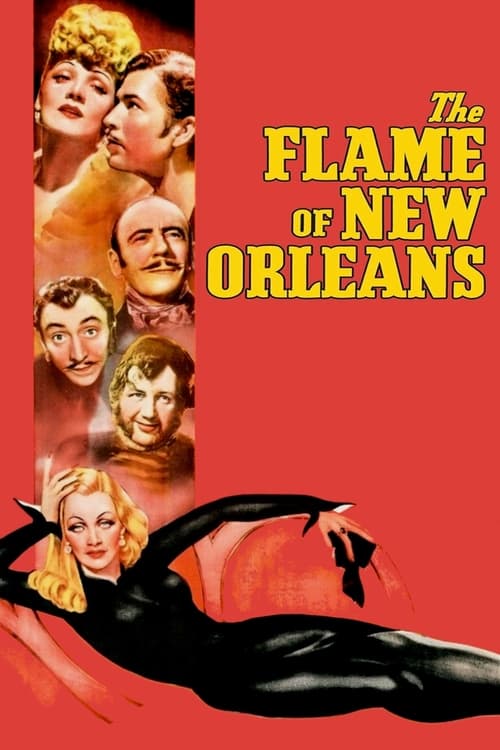
The Flame of New Orleans
6.6

In old New Orleans, a beautiful adventuress juggles the attentions of a rich banker and a dashing sea captain.

The Flame of New Orleans

1941
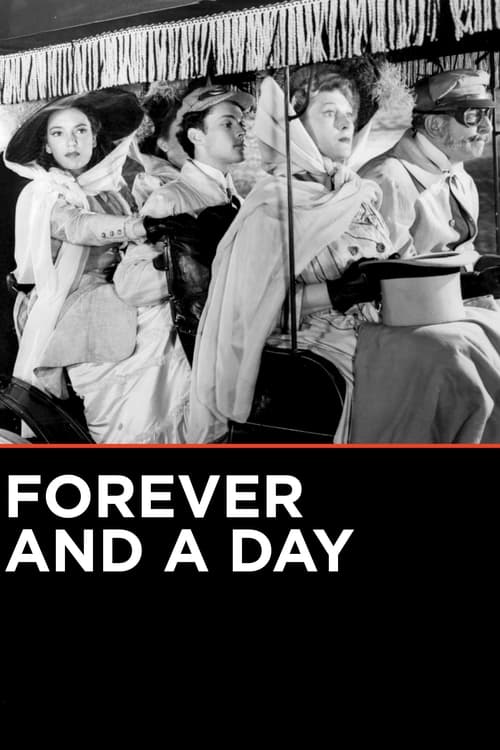
Forever and a Day
7.5

In World War II, American Gates Trimble Pomfret is in London during the Blitz to sell the ancestral family house. The current tenant, Leslie Trimble, tries to dissuade him from selling by telling him the 140-year history of the place and the connections between the Trimble and Pomfret families.

Forever and a Day

1943
It Happened Tomorrow
6.8

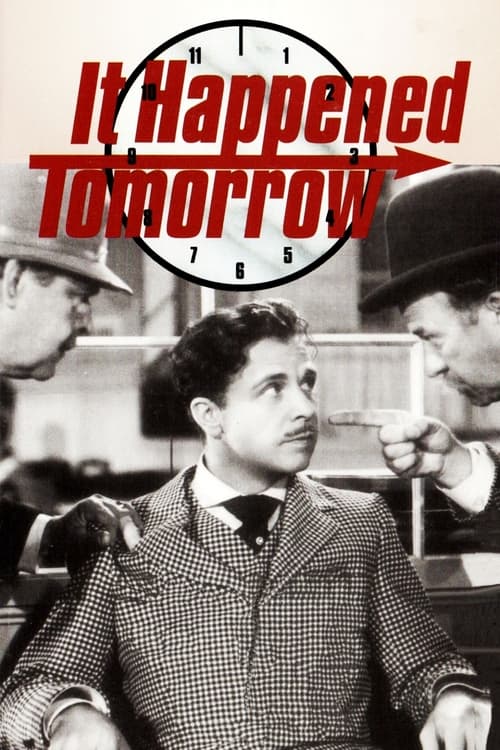
A young turn-of-the-century newspaper man finds he can get hold of the next day's paper. This brings more problems than fortune, especially as his new girlfriend is part of a phony clairvoyant act.

It Happened Tomorrow

1944
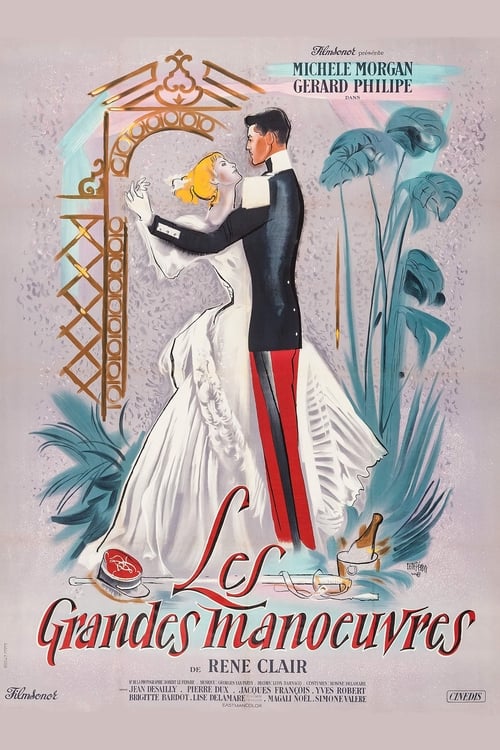
The Grand Manoeuvre
6.1

Armand, a boastful womaniser, makes a bet that he can seduce any girl he wants. He soon crosses paths with a beautiful Parisian divorcee, who is nothing like anyone he has ever met before.

The Grand Manoeuvre

1955
À Nous la Liberté
7.0

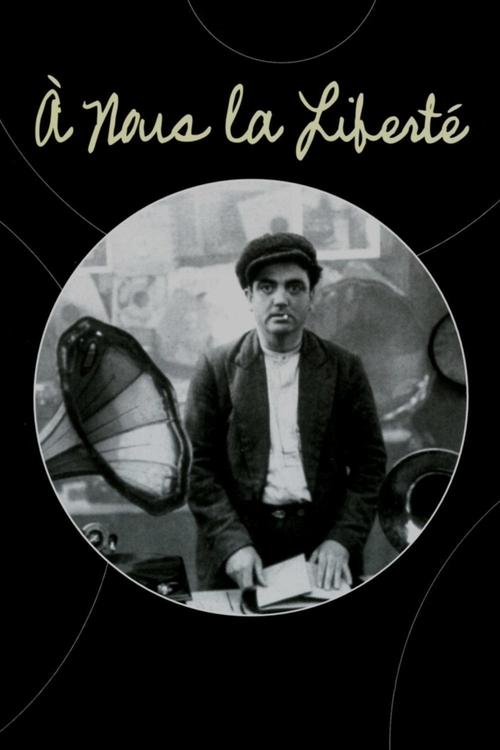
In this classic French satire, Louis, a convict, escapes from prison and takes on legitimate work, making his way up in the business world. Eventually becoming the head of a successful factory, Louis opts to modernize his company with mechanical innovations. But when his friend Émile finally leaves jail years later and reunites with Louis, the past catches up with them. The two, worried about being apprehended by police, long to flee the confines of industry.

À Nous la Liberté

1931
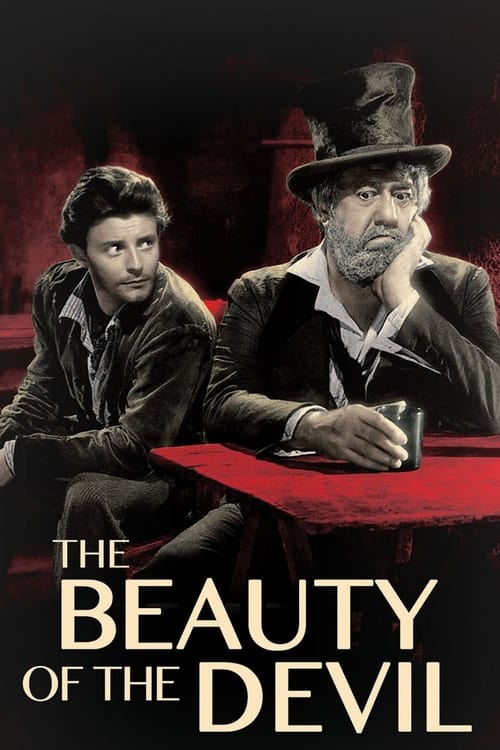
The Beauty of the Devil
7.2

Henri Faust, retiring after 50 years as a professor in a circa-1700 French university, despairs at the ravages of old age ... whereupon Mephistopheles, agent of Lucifer, appears as a virile, handsome young man and exchanges bodies with him to induce Faust to sign a pact to exchange his soul for renewed youth, riches and power. But though the "new" Faust is attracted by the material improvements in his life, he remains wary of signing, while Mephistopheles, now posing as the aged professor whose body he inhabits, must find a way to trick him into signing the pact - and dissuade him from the love of a gypsy girl who prays for his soul - or find himself damned by his own Master...

The Beauty of the Devil

1950
The Ghost Goes West
6.7

Donald Glourie shares his crumbling ancestral home with the ghost of his Highland ancestor, Murdoch, who has been condemned to haunt the castle until he avenges a 200-year-old insult from a rival clan. To clear his mounting debts, Donald sells the dilapidated pile to an American businessman, Mr Martin, who has the castle complete with the Glourie ghost transported and rebuilt in Florida. While old-world gentility rubs up comically against 20th-century materialism, Martin's daughter takes a liking to both Donald and Murdoch, convinced they are one and the same man...

The Ghost Goes West

1935
Entr'acte
7.0

Stop-motion photography blends with extreme slow-motion in Clair's first and most 'dada' film, composed of a series of zany, interconnected scenes. We witness a rooftop chess match between Marcel Duchamp and Man Ray, a hearse pulled by a camel (and chased by its pallbearers) and a dizzying roller coaster finale. A film of contradictions and agreements.

Entr'acte

1924
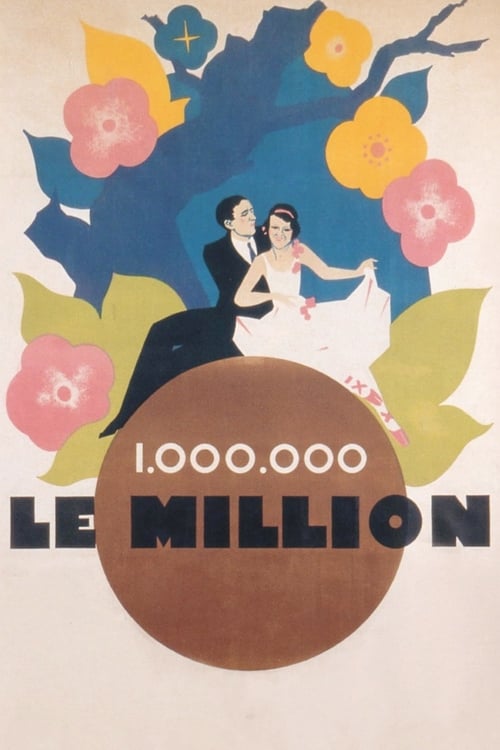
Le Million
6.9

Debt-ridden painter Michel is overcome with joy at discovering that he has just won 1 million florins in the Dutch lottery, but almost immediately, he discovers that his softhearted girlfriend, Béatrice, has given away his jacket containing the winning ticket to an elderly petty thief. Soon Michel, Beatrice and Michel's artistic rival, Prosper, are hurtling through the streets of Paris on the trail of the missing jacket.

Le Million

1931
Break the News
7.5

Two small-time song-and-dance men come up with what they believe is a surefire publicity stunt, guaranteed to keep their names in the public eye--one of them will "disappear" in what looks like a murder, and the other will be convicted of the crime. Then the "dead man" will suddenly show up at his partner's murder trial. Unfortunately, things don't quite go as planned. For one thing, no one seems to much care that the "dead man" is missing, and for another thing he's mistaken for the leader of a Balkan revolutionary group and is kidnapped by the other side.

Break the News

1938
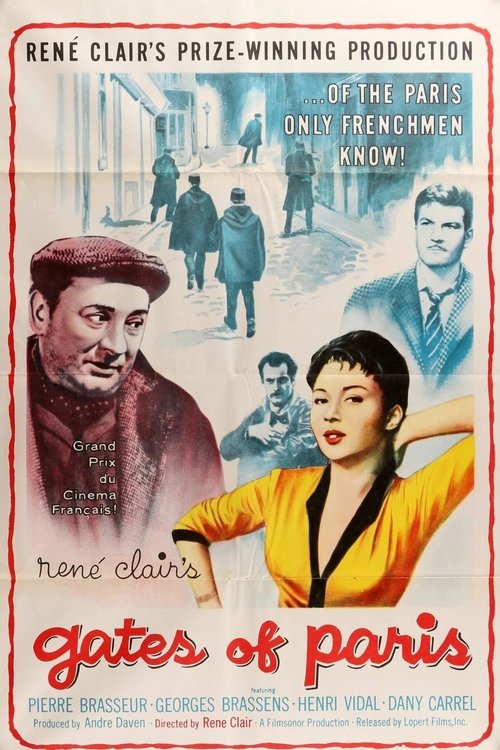
The Gates of Paris
6.6

Juju, a drunken oaf who feels the need of being important to someone---anyone---and his friend The Artist are forced at gunpoint to house a fugitive, Pierre Barbier, in Juju's broken-down home. The urge for being needed is such in Juju that he gives up drinking and takes care of Pierre. But one day Juju finds out that Pierre has been making love to his girl Maria...

The Gates of Paris

1957
Beauties of the Night
6.2

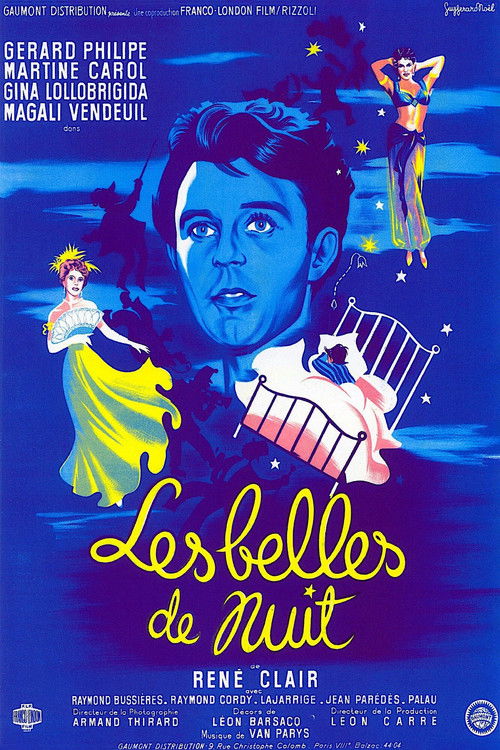
A daydreaming French composer sees himself as a fine figure dashing through history.

Beauties of the Night

1952
Under the Roofs of Paris
6.6

In the tenement slums of Paris between the world wars, impoverished street singer Albert yearns for beautiful Romanian immigrant Pola. Pola's boyfriend, local hoodlum Fred, grows jealous of Albert's constant attention to his woman and frames the hapless musician for one of his own petty crimes. But while Albert is in prison for Fred's misdeed, Pola ends up falling for Albert's faithful best friend, Louis.

Under the Roofs of Paris

1930