FEEL IT.STREAM
Chishū Ryū

Chishū Ryū

Acting

Biography

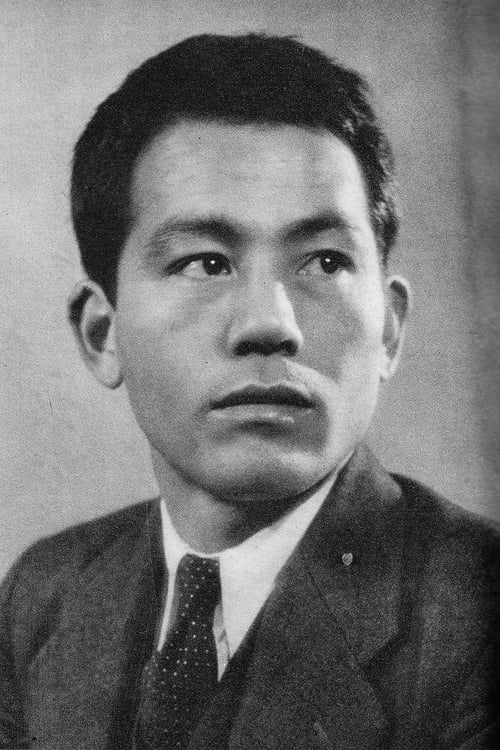
Chishu Ryu (May 13, 1904 in Kumamoto, Japan – March 16, 1993 in Yokohama, Japan) was a famous Japanese film actor, a favourite of the director Yasujiro Ozu. From 1928 to 1992 he appeared in at least 155 films, including Ozu's Tokyo Story (1953) and Yoshitaro Nomura's Castle of Sand (1974). From 1969 until his death, Ryu became familiar to a new generation as the curmudgeonly but benevolent Buddhist priest in Yoji Yamada's Tora-san movie series (a role he parodied to great effect in a cameo in Juzo Itami's 1984 comedy, The Funeral). Description above from the Wikipedia article Chishû Ryû, licensed under CC-BY-SA, full list of contributors on Wikipedia.​

Known For

The Roads Men Travel
8.2

The series depicts the employees of a security company from different generations and backgrounds facing many difficult questions. It features a guard who survived a suicide mission during the war and his conflicts, rebellion, empathy and reconciliation with the younger generation born after the war.

The Roads Men Travel

1976
Tamayura
N/A

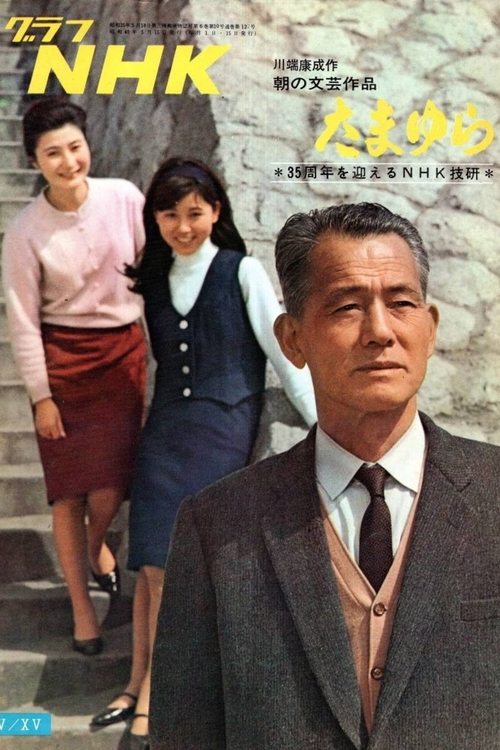
The 5th NHK Asadora. Starring Chishuu Ryuu as an old man who begins to travel after he retires. From a story written for television by Yasunari Kawabata.

Tamayura

1965
Tokyo Story
8.2

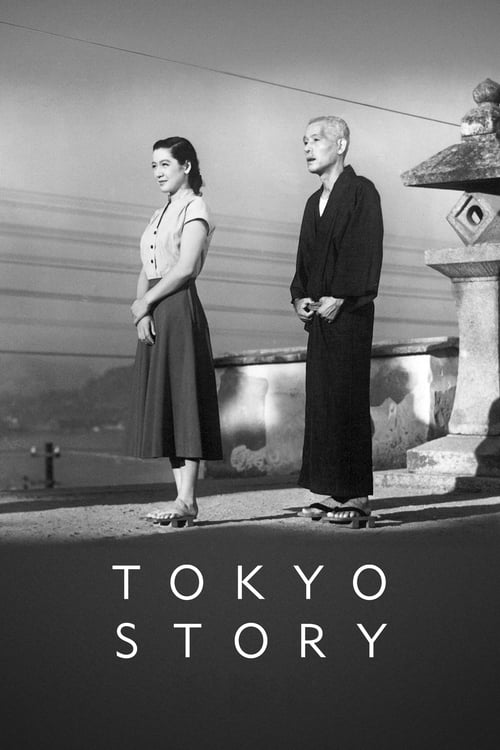
The elderly Shukishi and his wife, Tomi, take the long journey from their small seaside village to visit their adult children in Tokyo. Their elder son, Koichi, a doctor, and their daughter, Shige, a hairdresser, don't have much time to spend with their aged parents, and so it falls to Noriko, the widow of their younger son who was killed in the war, to keep her in-laws company.

Tokyo Story

1953
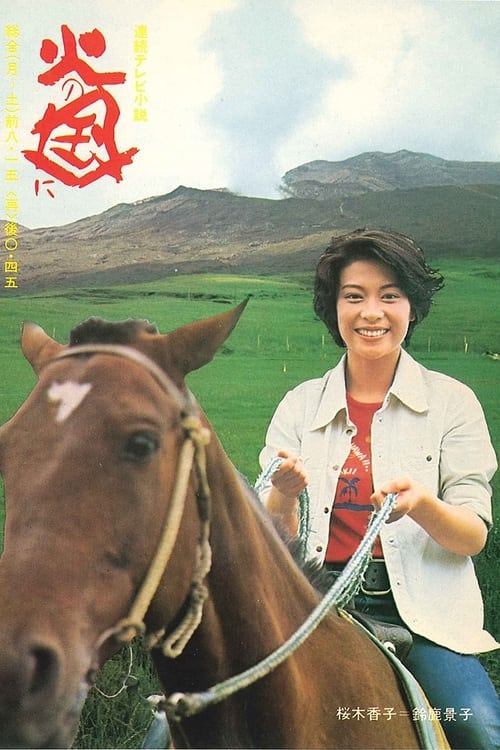
Hi no kuni ni
N/A

The 18th NHK Asadora. Starring Keiko Suzuka about a woman who strives to become a landscape gardener.

Hi no kuni ni

1976
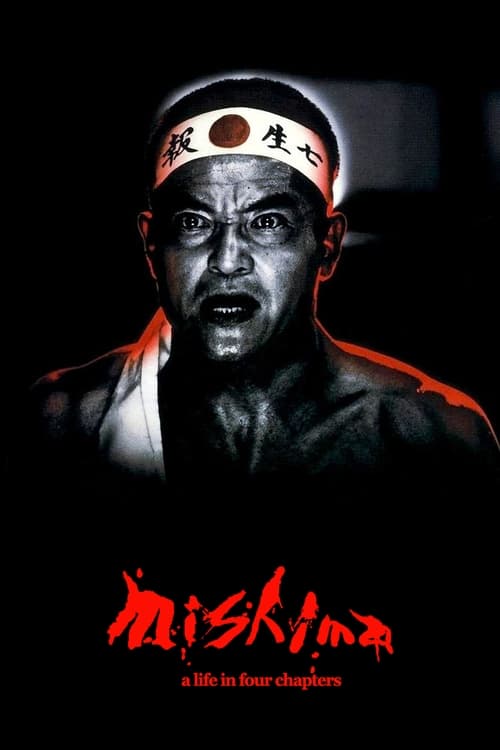
Mishima: A Life in Four Chapters
7.8

A fictional account of the life of Japanese author Yukio Mishima, combining dramatizations of three of his novels and a depiction of the events of November 25th, 1970.

Mishima: A Life in Four Chapters

1985
Red Beard
8.1

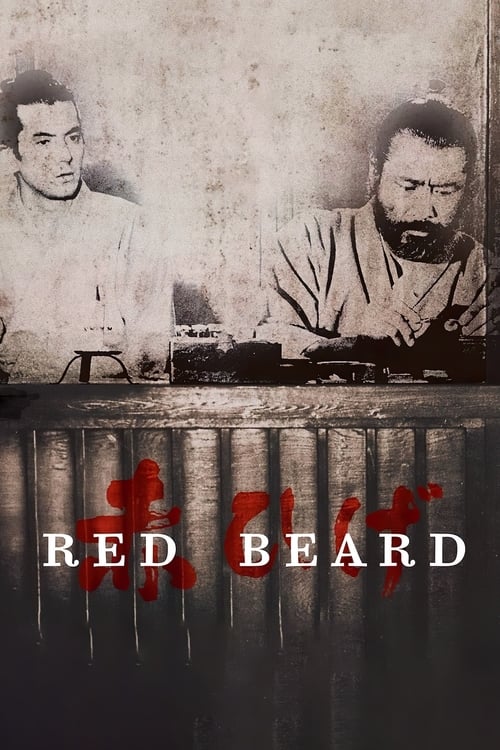
Aspiring to an easy job as personal physician to a wealthy family, Noboru Yasumoto is disappointed when his first post after medical school takes him to a small country clinic under the gruff doctor Red Beard. Yasumoto rebels in numerous ways, but Red Beard proves a wise and patient teacher. He gradually introduces his student to the unglamorous side of the profession, ultimately assigning him to care for a prostitute rescued from a local brothel.

Red Beard

1965
Dreams
7.7

Eight visually rich vignettes drawn from Kurosawa’s own dreams—fox weddings and vanished orchards, a soldier’s ghosts, a walk through Van Gogh’s canvases, nuclear nightmares, and a water-mill utopia—meditate on childhood, art, mortality, and humanity’s uneasy bond with nature.

Dreams

1990
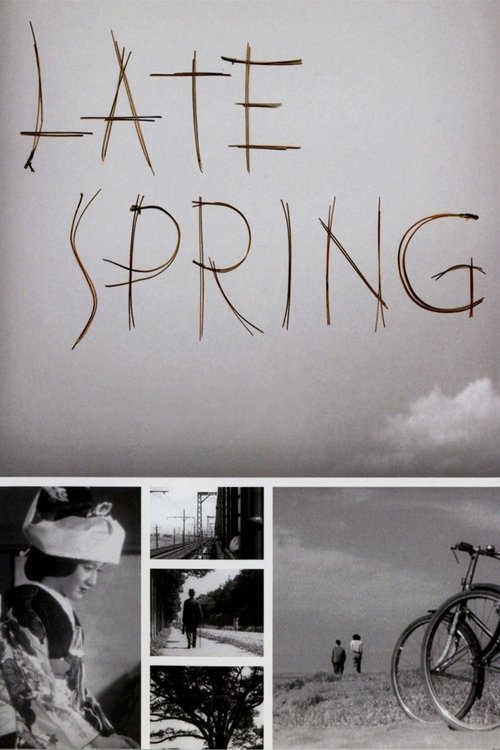
Late Spring
8.0

Noriko is perfectly happy living at home with her widowed father, Shukichi, and has no plans to marry -- that is, until her aunt Masa convinces Shukichi that unless he marries off his 27-year-old daughter soon, she will likely remain alone for the rest of her life. When Noriko resists Masa's matchmaking, Shukichi is forced to deceive his daughter and sacrifice his own happiness to do what he believes is right.

Late Spring

1949
Zoku zoku jiken
N/A

Daisaburo Kikuchi (Tomisaburo Wakayama), a skilled lawyer full of humanity, thrillingly depicts the process of stepping into the background of the case step by step.

Zoku zoku jiken

1980
Haguregumo
6.5

Set at the end of the Edo period, the series depicts Kumo's family with his wife, Kame, their 11-year-old son, Shinnosuke. Kumo is always ignoring work and playing and he is also notorious for womanising.

Haguregumo

1978
A-Un
N/A

Senkichi Mizuta, a pharmaceutical company employee, and Shuzo Kadokura, a war profiteer, are diametrically opposed in appearance and personality, but are best friends. Kadokura secretly loves Mizuta's wife, Tami, and both Mizuta and Tami are aware of it. The drama depicts the subtle relationship between the two men and the people around them against the backdrop of the times and customs of the early Showa period, in which both are aware of each other's love, but no one speaks of it.

A-Un

1980
The Bad Sleep Well
7.7

In this loose adaptation of "Hamlet," illegitimate son Kôichi Nishi climbs to a high position within a Japanese corporation and marries the crippled daughter of company vice president Iwabuchi. At the reception, the wedding cake is a replica of their corporate headquarters, but an aspect of the design reminds the party of the hushed-up death of Nishi's father. It is then that Nishi unleashes his plan to avenge his father's death.

The Bad Sleep Well

1960
Good Morning
7.7

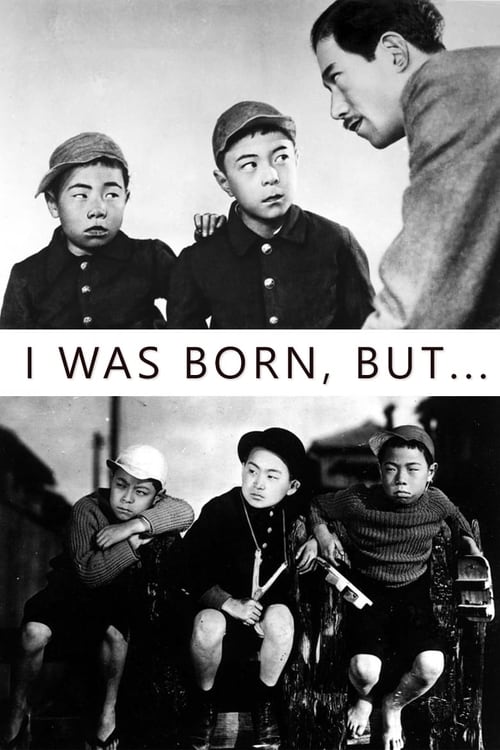
A lighthearted take on director Yasujiro Ozu’s perennial theme of the challenges of inter­generational relationships, Good Morning tells the story of two young boys who stop speaking in protest after their parents refuse to buy a television set. Ozu weaves a wealth of subtle gags through a family portrait as rich as those of his dramatic films, mocking the foibles of the adult world through the eyes of his child protagonists. Shot in stunning color and set in a suburb of Tokyo where housewives gossip about the neighbors’ new washing machine and unemployed husbands look for work as door-to-door salesmen, this charming comedy refashions Ozu’s own silent classic I Was Born, But . . . to gently satirize consumerism in postwar Japan.

Good Morning

1959
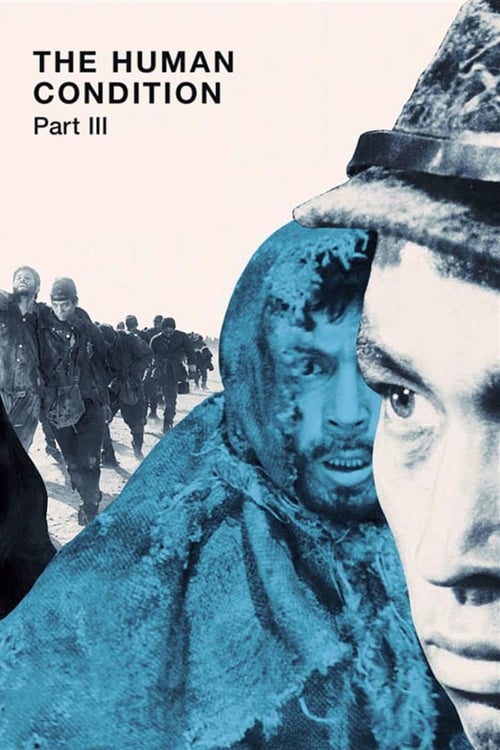
The Human Condition III: A Soldier's Prayer
8.4

After the Japanese defeat to the Russians, Kaji leads the last remaining men through Manchuria. Intent on returning to his old life, he faces great odds in a variety of different harrowing circumstances as he and his men sneak behind enemy lines.

The Human Condition III: A Soldier's Prayer

1961
Until the End of the World
6.7

In 1999, a woman's life is forever changed after she survives a car crash with two bank robbers, who enlist her help to take the money to a drop in Paris. On the way, she runs into another fugitive from the law — an American doctor on the run from the CIA. They want to confiscate his father's invention – a device which allows anyone to record their dreams and visions.

Until the End of the World

1991
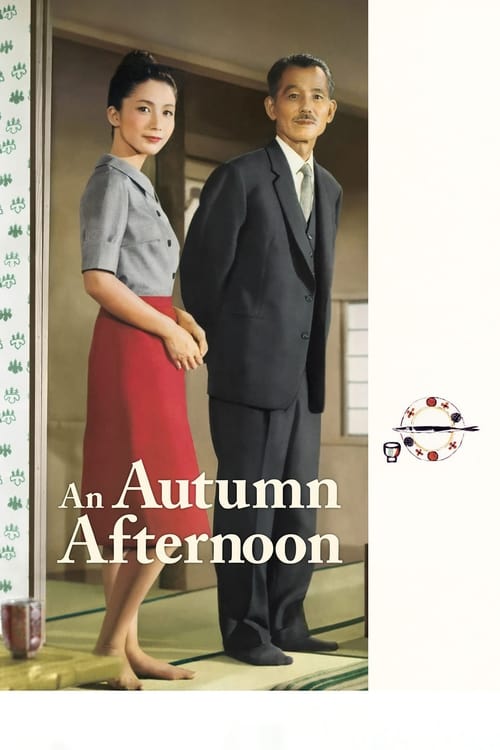
An Autumn Afternoon
7.9

Widower Shuhei Hirayama's caretaker is his 24-year-old daughter, Michiko. Gradually, he comes to realize that Michiko should not be obliged to look after him for the rest of his life, so he arranges a marriage for her.

An Autumn Afternoon

1962
Tokyo Suburbia
N/A

Two couples are confronted with the fact that their children have dropped out of high school and started living together. This drama questions the meaning of “life” as they overcome a series of incidents.

Tokyo Suburbia

1979
An Early Autumn
N/A

A former couple, separated for over 20 years, were reunited after being told their son had only 3 months to live. What should they do as parents? As they worried, they soon began to feel the weight of their family ties...

An Early Autumn

1987
Floating Weeds
7.5

A theater troupe master's visit with his old flame unintentionally sets off a chain of unexpected events with devastating consequences.

Floating Weeds

1959
The Funeral
7.2

When Wabisuke's father-in-law unexpectedly dies, the family goes through a series of random events and occurrences as the funeral unfolds over three days in their home.

The Funeral

1984