Writing
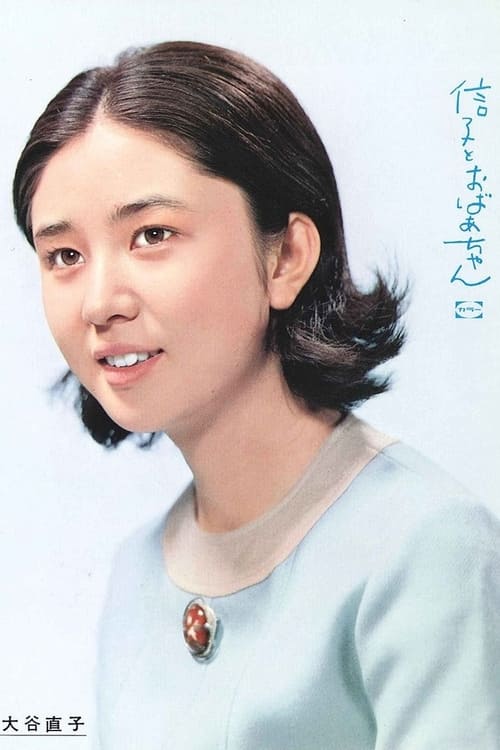
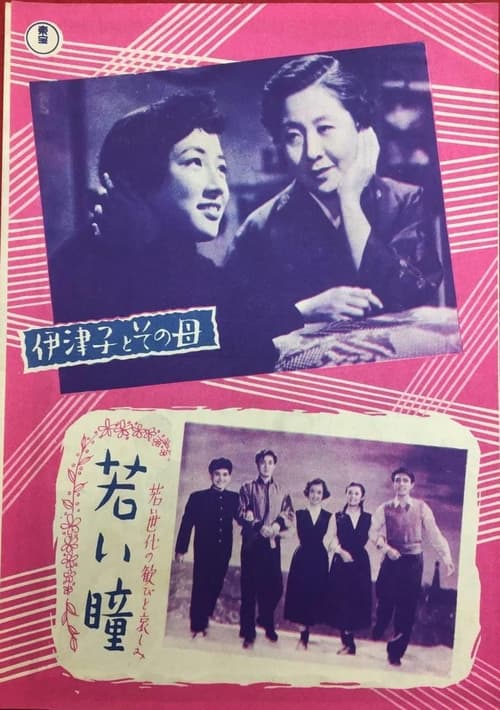
The 9th NHK Asadora. Starring Naoko Otani as a young woman living with her grandmother.
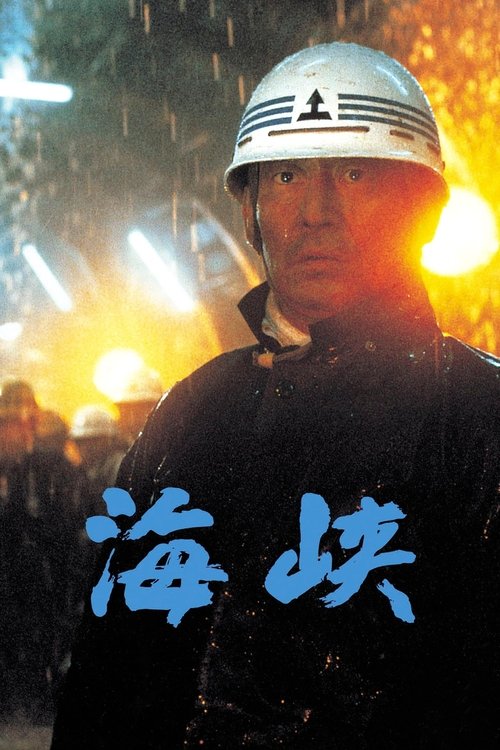
After a passenger ship sinks in 1954, Go Akutsu devises a life-saving project in the form of a tunnel under the Tsugaru Strait. While working on this project Akutsu becomes involved with Tae Makimura leading to his estrangement from his wife.
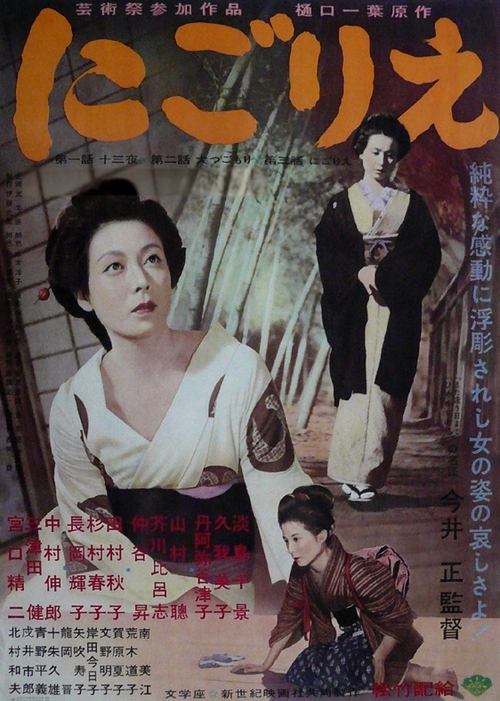
A Japanese woman writes down three stories she has witnessed or heard of in her diary, each about the difficult situation a young woman finds herself in.
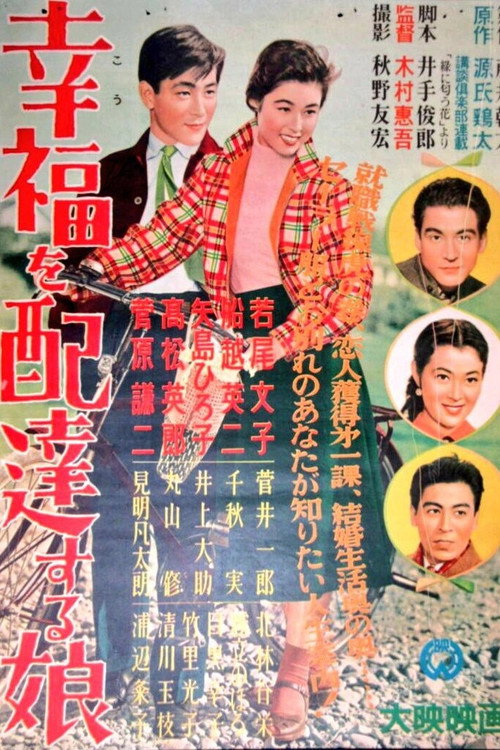
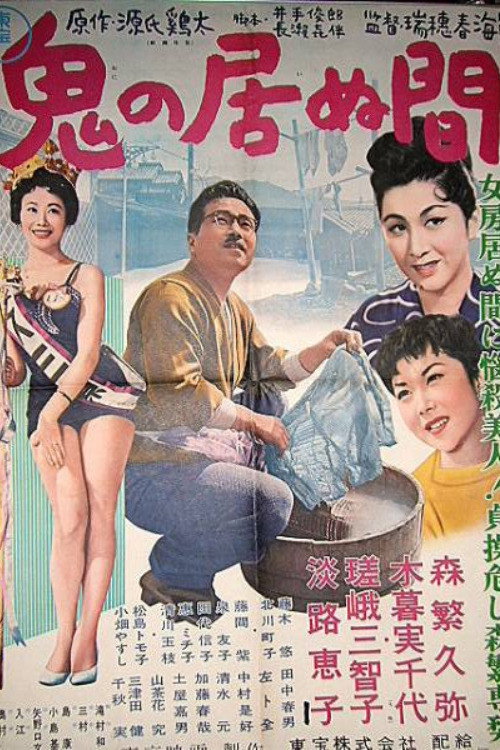
A father gives his four daughters his substantial retirement allowance on the stipulation that they leave him alone, as he wants some freedom. Each of the daughters has a romantic interest and it's noticeable that the father, too, has someone in mind.
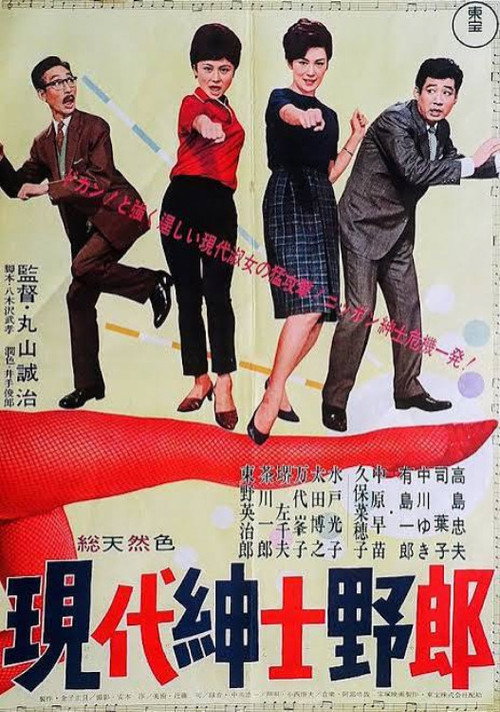
1950s Japanese comedy.
No description available.
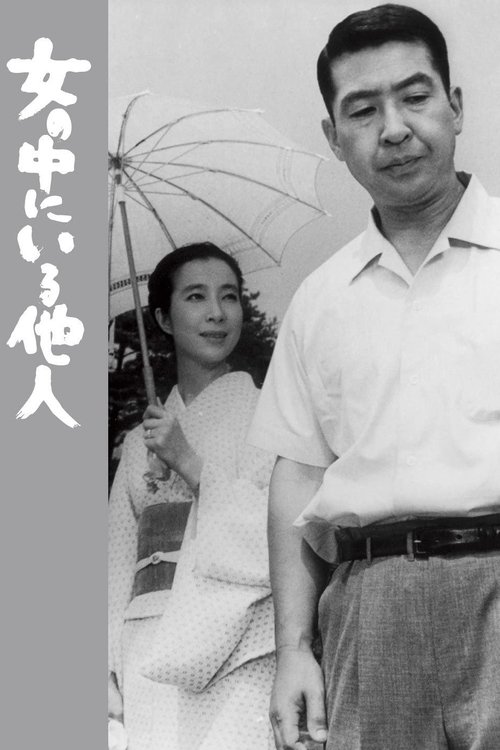
Tashiro coincidentally meets his best friend Sugimoto in a bar very close to the apartment in which Sugimoto’s wayward wife is found dead. Although Tashiro is not a suspect in the police investigation, he is racked with guilt and confesses to his wife, Masako. In an effort to further relieve his tortured sense of guilt, he then confesses to Sugimoto. Neither his wife nor his friend can believe that he could have been involved.
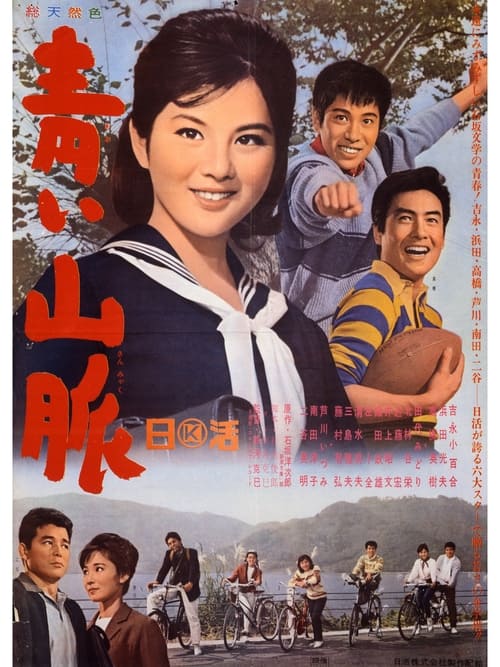
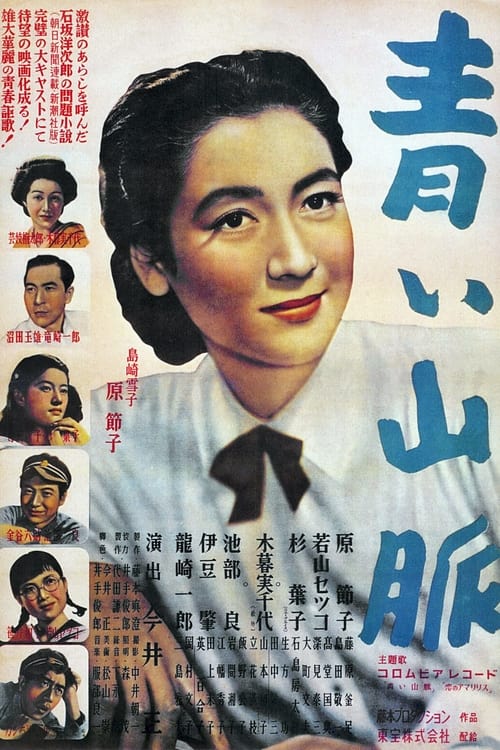
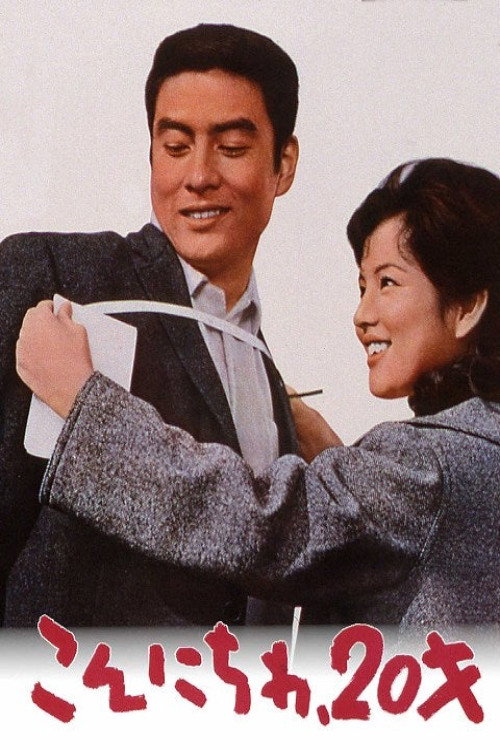
Yojiro Ishizaka's original work was made into a drama co-starring Masahiko Tsugawa and Chieko Matsubara. Centered around Misako Inoue, who runs a dressmaking school with her mother together, and Kentaro Kamijima, a high school physical chemistry teacher. The drama depicts the love between the two, their youth, and their growth.
Shinko Terasawa was always considered to be the odd ball of the bunch. At a time when romance was against school regulations, Shinko was the first to take a bite out of the forbidden fruit. Expelled from her former school, she finds herself in an all-girls school in Jokamachi, where rumors fly. One day, Shinko delivers an anonymous love letter addressed to her English teacher, Ms. Shimazaki. Convinced that the students are playing a prank, Ms. Shimazaki is adamant about getting to the bottom of this "problem”.
A high-schooler involved in turn-of-the-decade student movements works to escape his comfort zone and apply himself.
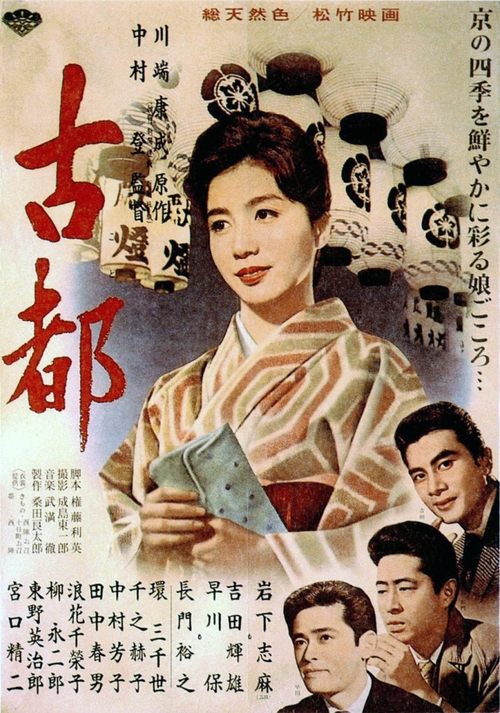
In this Japanese drama, a dry goods merchant's daughter is surprised to discover that she has a twin sister. In rural Japan it was thought that twins bring bad luck, so the sister was abandoned at birth. Later her parents tell her that her sister was kidnapped. The woman doesn't believe this and when she eventually meets her twin, both women are involved in love affairs. The merchant's daughter is seeing an educated fellow. Trouble ensues when she begins suspecting that he may be more interested in her sister.
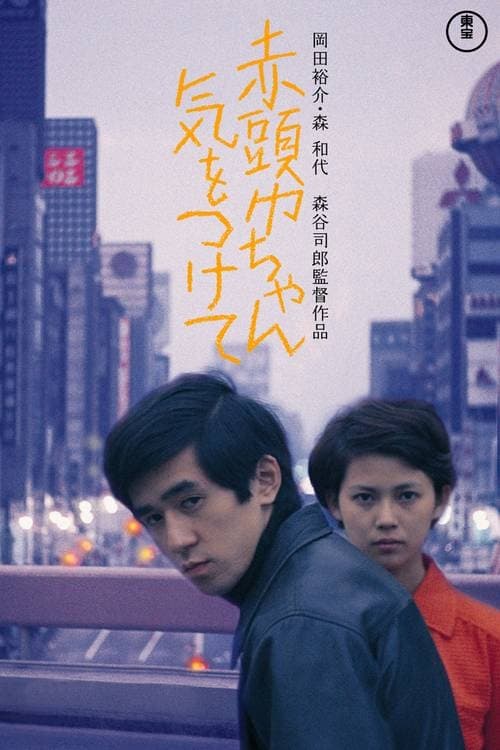
Yoshie Nogami, a factory worker by day, works as a bar hostess at night. She begins a passionate affair with one of her regulars, but his changing demeanor and constant demands for money lead Yoshie down a dark path.
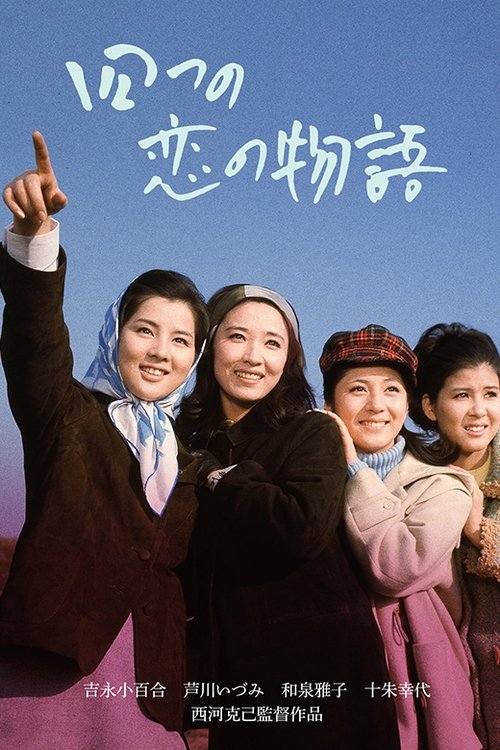
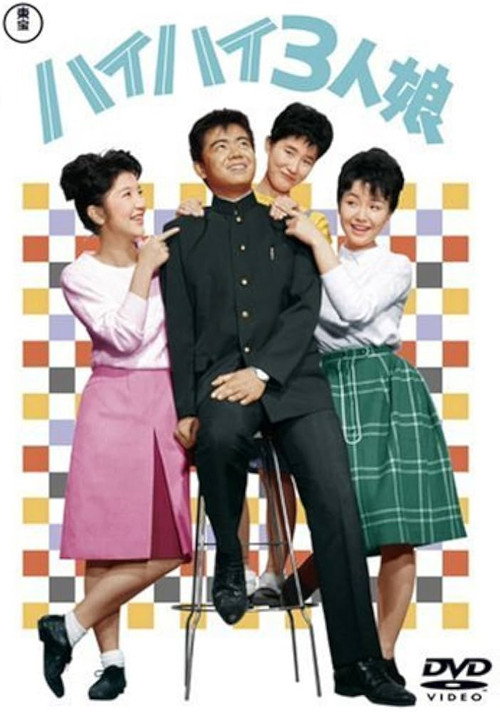
Musical comedy starring Watanabe Productions recording stars Nakao, Sono, and Ito as Toho's new "Sannin musume," three young women intended for 1960s audiences what Hibari Misora, Izumi Yukimura, and Chiemi Eri had been in the 50s.
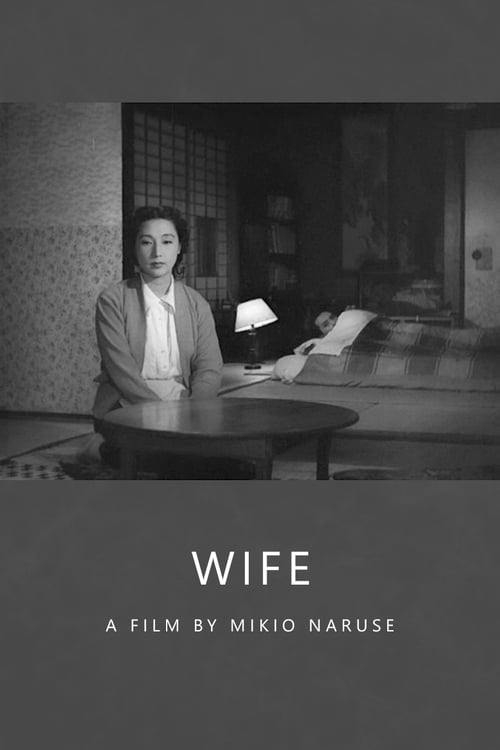
Ten years into a marriage, the wife is disappointed by the husband's lack of financial success, meaning she has to work and can't treat herself and the husband finds the wife slovenly and mean-spirited: she neither cooks not cleans particularly well and is generally disagreeable. In turn, he alternately ignores her and treats her as a servant. Neither is particularly happy, not helped by their unsatisfactory lodgers. The husband is easily seduced by an ex-colleague, a widow with a small child who needs some security, and considers leaving his wife.
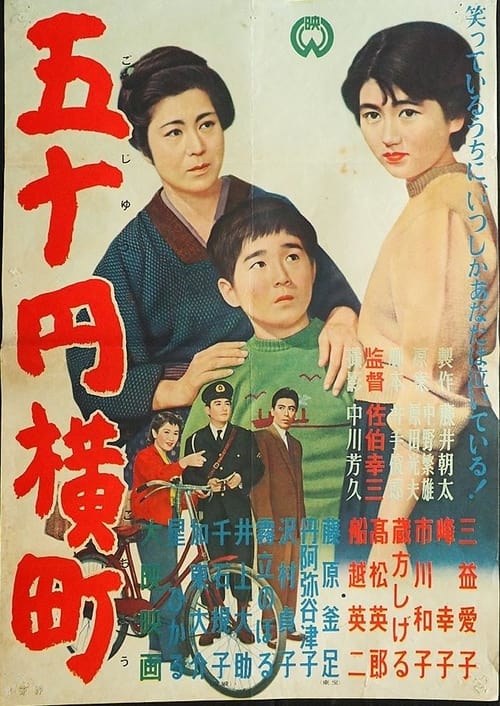
An elderly woman devoted to her foster-daughter searches for a good husband for her.
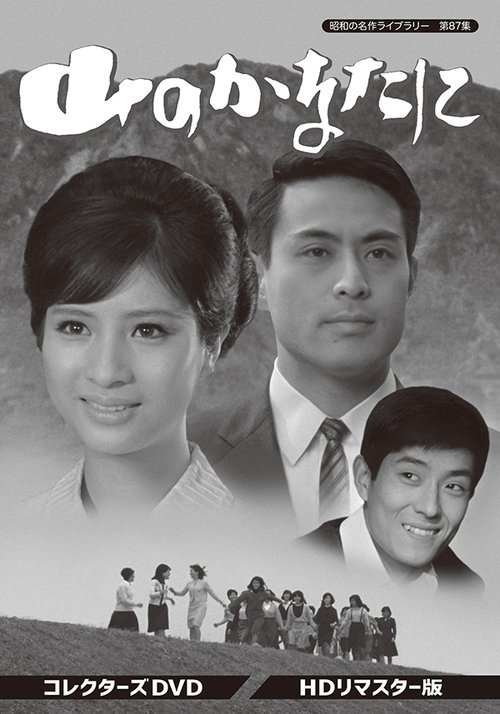
Teacher Yukiko finds herself in opposition to conservative faculty and villagers after defending a student for being in a relationship with a young man from Tokyo.
After being widowed, Mihoko Ishizawa supports her five daughters by running a boarding house. Most of her daughters eventually marry former student tenants, but her independent-minded youngest daughter, Kanako, resists traditional expectations and clashes with her mother’s views on marriage and women’s roles. When a medical student named Kawasaki moves in, Kanako gradually forms a connection with him, forcing the family to confront changing attitudes toward love, independence, and modern life.