Writing
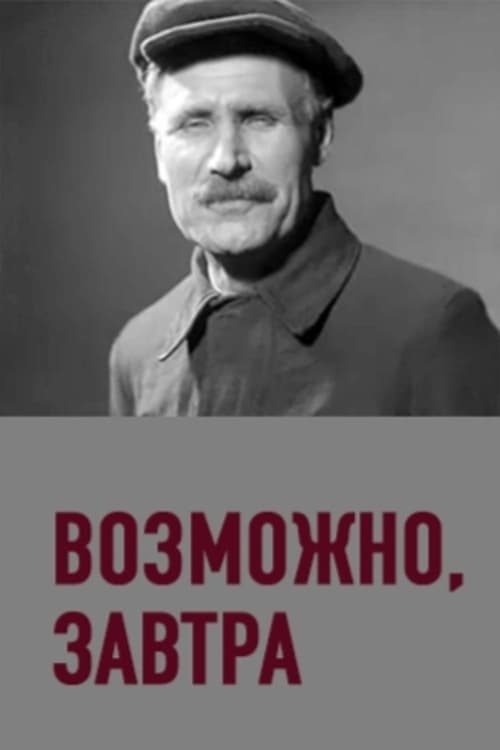
The end of the 1920s. The capitalist world is in crisis. The fascists unleash war against the Soviet Union. The enemy attack interrupts the peaceful labor of Soviet people. Hundreds of production workers join the Red Army. At the front go Red Army units, columns of tanks, units of the people's militia. Enemy airplanes appear over the Soviet city, black bomb bursts are rising. The streets are moving mournful funeral processions of the first victims of the war. At the end of the movie, a worker appears on the screen, appealing to the audience to be ready for the war, which has not yet come, but will come “maybe tomorrow"
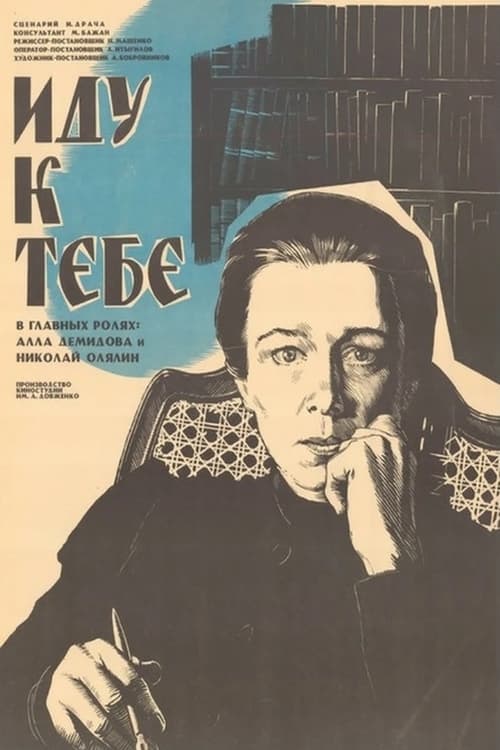
The main motive of the film - a tragic love of Lesya Ukrainka to Marxist revolutionary Sergei Merzhinskiy. The film is about the poetess' trip to her beloved, in the literal and metaphorical sense at the same time.
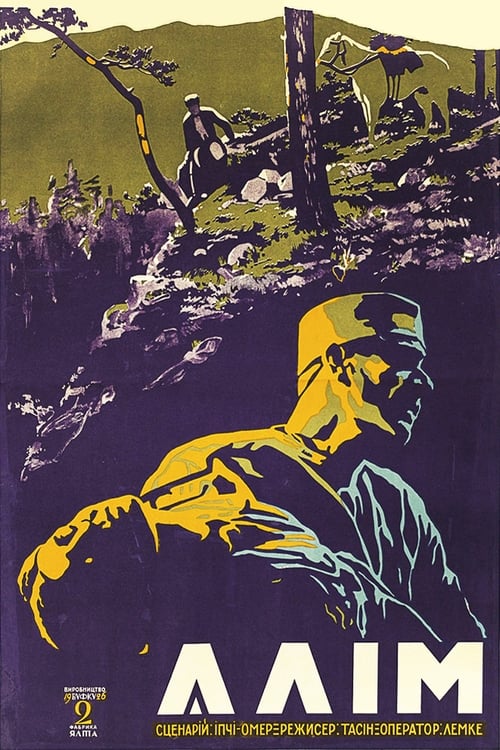
Crimea. The middle of the 19th century. A proud and brave jigit Alim Aidamak who cannot put up with the workers’ abuse, works at the leather factory of the greedy Ali-bay. One day he responds in kind. He is fired, but he takes the memories of the beautiful daughter of his ex-master, Sara, with him. Young people went their separate ways. Alim takes the revolutionary path; he and his friends go to the mountains and start an underground struggle. Only his name is enough to terrify landlords, Mirzas and civil servants. Authorities send a Cossack detachment to catch the Crimean Tatar Robin Hood. The adventure film, which reminds an American western, was filmed based on a Crimean Tatar legend, which in 1925 was turned into a play by the repressed Crimean Tatar writer Ipchi Ümer. The shooting of the film under the script of the Ukrainian avant-garde poet Mykola Bazhan began in the autumn of 1925, when the indigenisation policy in the national republics caused demand on the national plots.
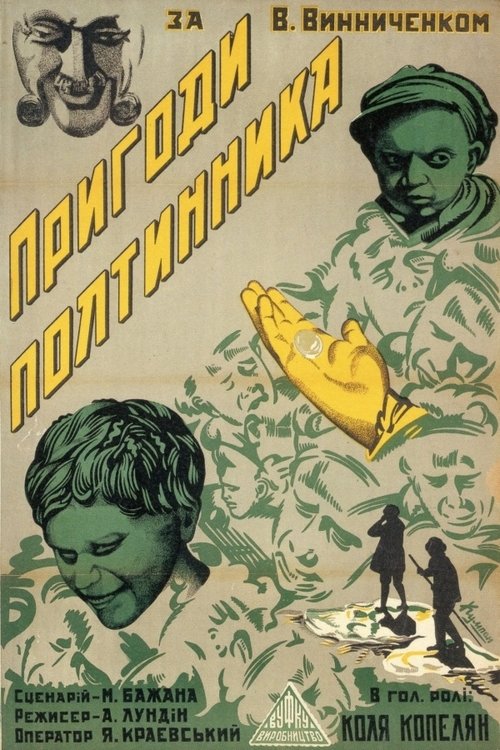
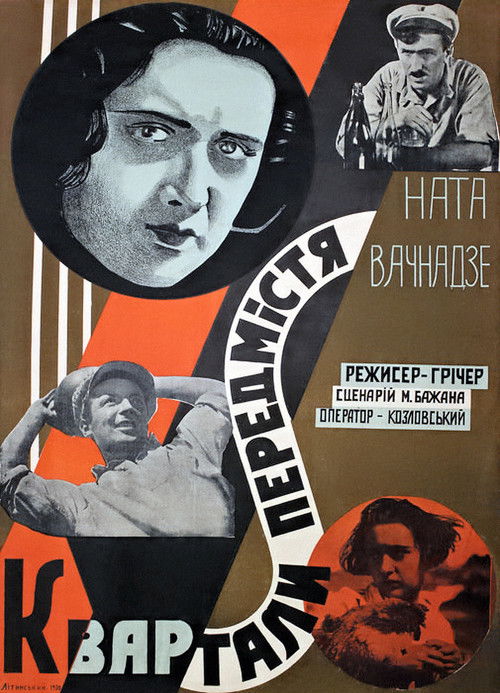
Children from working class neighborhoods wearing patched-up clothes have fun in Kyiv streets - they slide down showy slopes, walk on the brink of a precipice and even conquer the light ice of the Dnieper river. They can see, how rich people live, only through a gap in the fence. The boy Fedko who is called "a tearaway" because of his naughty and disobedient character comes up with some risky entertainment, and adults often punish him for this while his friends do respect him.
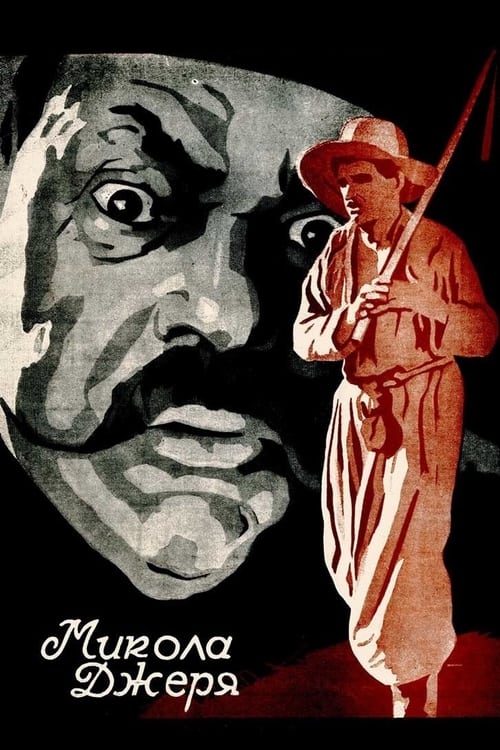
Freedom-loving Mykola Dzheria goes away from the village because of poverty and villainage. He leaves his senior parents, his young wife Nemydora and escapes to the sugar-mill. His friend dies because of slave work. Mykola goes to the Dniester reed beds. Working with other escapees, Mykola falls in love with the daughter of the cooperative leader. The girl also likes the handsome guy. However, their fate is decided by the landlord’s servants; they set the reed beds on fire, shackle Mykola and take him to Verbivka. The film was released on 01 April 1927 in Kyiv and on 24 May 1928 in Moscow. The film is lost.
An agitprop film about children's participation in socialist competitions and the struggle to fulfill the industrial and financial plan.
In the late 1920s Jewish girl Dora falls in love with a young Russian Komsomol member. His parents,who are captive to religious superstitions, don't like Dora. She still goes to live with him and will find herself facing those superstitions in her husband home too.
The heroine of the film leaves her husband, who does not allow her to study, takes her child with her and goes to medical school.