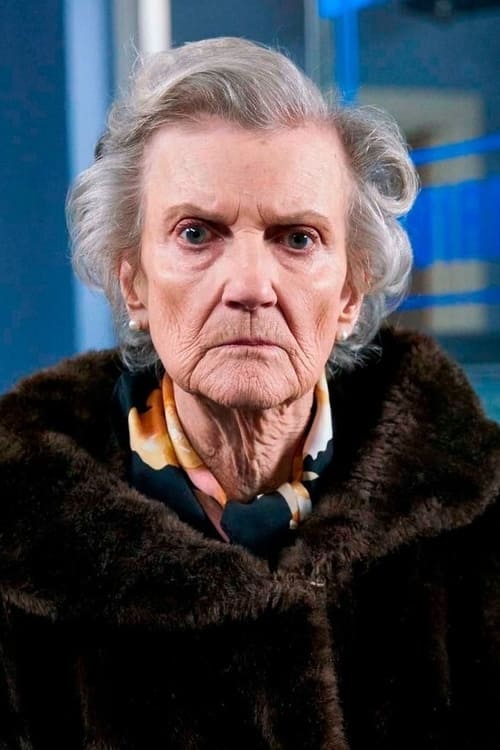
Rosalind Knight
Acting
Biography
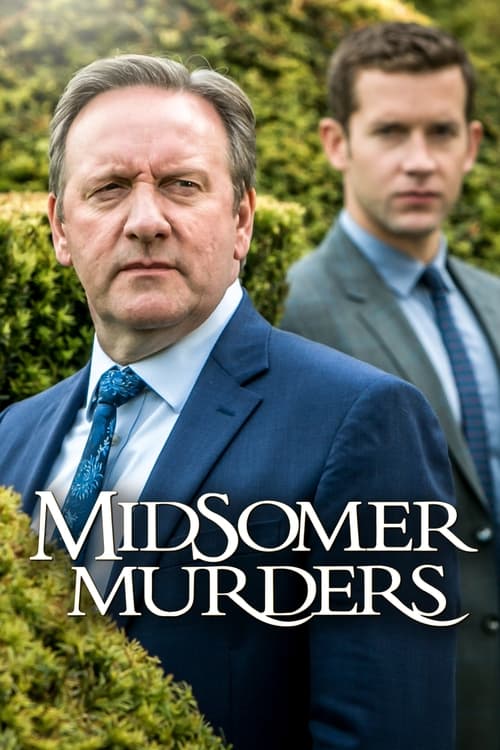
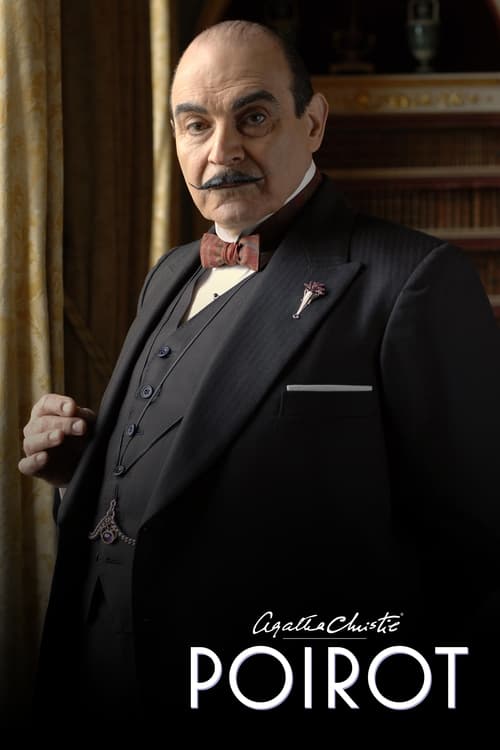
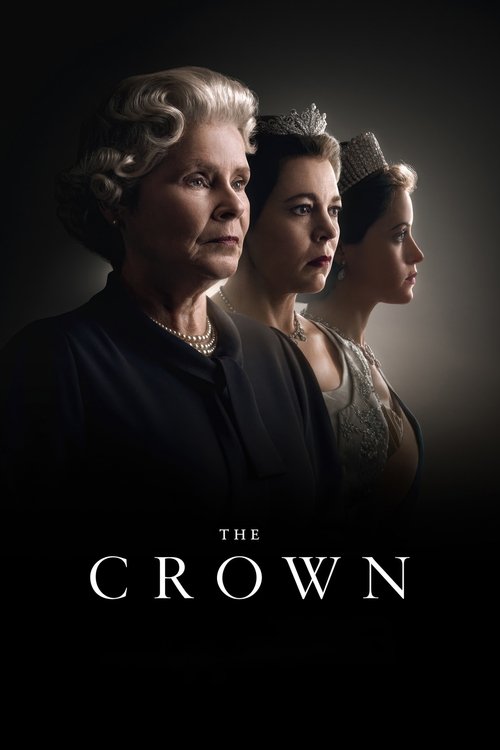
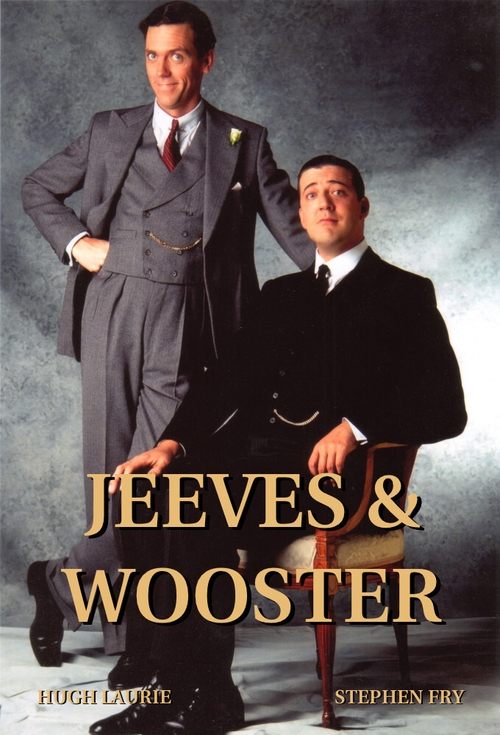
Born in Marylebone, London, versatile character actress Rosalind Marie Knight was born to theatrical parentage. Her father was the accomplished thespian Esmond Knight. Her mother, the comedienne Frances Clare, often featured in Ivor Novello operettas. Rosalind's interest in theatre was first kindled at the age of six when she and her mother attended a staging of Novello's "The Dancing Years" at Drury Lane. Rosalind was evacuated to the countryside with her nanny during the war years. In 1949, she accompanied her father to the Old Vic Theatre and became enthralled by a production of "The Snow Queen", primarily performed by drama school novices. The following year she won an audition and spent two years at the Old Vic Theatre School. This was succeeded by a lengthy apprenticeship in repertory which led to her gaining further experience as assistant stage manager for the West of England Theatre Company, the Midland Theatre Company in Coventry and the Piccolo Theatre Company in Manchester. In 1955, she made her first impact on screen as a lady-in-waiting in Laurence Olivier's Richard III (1955), which also featured her father in the cast. A year later, having come to the attention of a movie producer, she played Annabel, one of the schoolgirls, in Blue Murder at St. Trinian's (1957) (decades later, she would return as a teacher in the sequel The Wildcats of St. Trinian's (1980)). This set the tone for a number of subsequent comedic roles which included a couple of early Carry On's and the Tony Richardson-directed Tom Jones (1963), in which she played the giddy Mrs. Harriet Fitzpatrick. While doing the Carry On films she was not under any form of contract and was paid a mere $50 a week. In 1957, Rosalind joined her father in an early BBC adaptation of Nicholas Nickleby (1957) as the spiteful Fanny Squeers. In a later miniseries based on Charles Dickens, Martin Chuzzlewit (1964), she was a splendidly shrewish Charity Pecksniff. During her prolific career, Rosalind relished every opportunity to portray a diverse range of characters, good and bad, from servants to princesses (Alice of Battenberg in The Crown (2016)) to old maids (Aspasia Fitzgibbon in The Pallisers (1974)) to wealthy socialites (Margot Asquith in Nancy Astor (1982)) and unpleasant aristocratic dowagers (Daphne Winkworth in Jeeves and Wooster (1990)). She even essayed a retired prostitute turned landlady in the sitcom Gimme Gimme Gimme (1999). In addition to a staple of period dramas she guested in numerous episodic TV dramas, including Poirot (1989), Dalziel and Pascoe (1996), Heartbeat (1992), Marple (2004), Midsomer Murders (1997) and Sherlock (2010). All the while, she remained heavily engaged in theatrical work with the Old Vic, The Royal Shakespeare Company and the Royal Court Theatre, her last appearance being the strict, incorruptible governess Mrs. Prism in Shaw's "The Importance of Being Earnest". Rosalind was married to director/producer Michael Elliott from 1959. In 1976, she helped rebuild and re-open the Royal Exchange Theatre in Manchester, of which her husband was involved as one of five artistic directors. She was also a patron of the Actor's Centre in London and the Ladies' Theatrical Guild (a charity founded in 1891). Rosalind Knight continued to perform as an actress right up to her death on December 19 2020, at the age of 87.