Sound
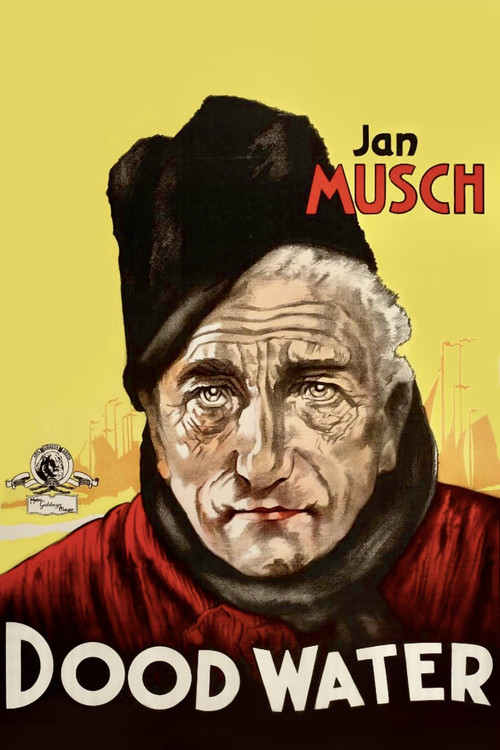
John Van Laer is the overseer of a vast rubber plantation in the Dutch East Indies. His new wife Renee joins him at the plantation, but the monotony of her existence and unbearable heat soon drive her to distraction. One of Van Laer's workmen takes advantage of the boss' absence to seduce Renee.
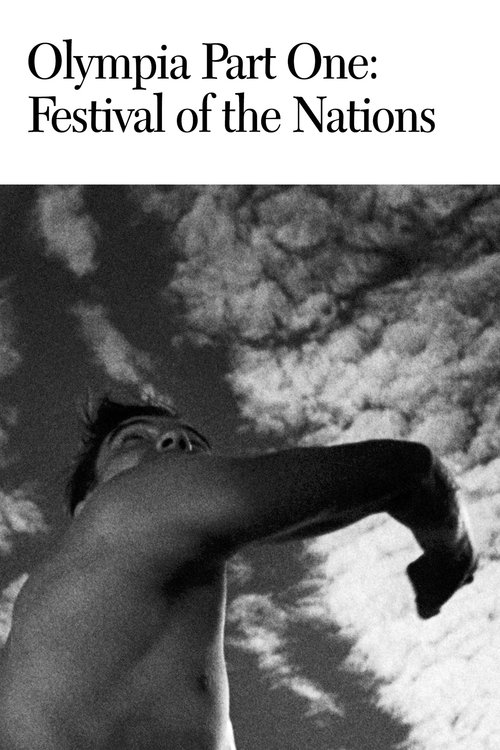
Starting with a long and lyrical overture, evoking the origins of the Olympic Games in ancient Greece, Riefenstahl covers twenty-one athletic events in the first half of this two-part love letter to the human body and spirit, culminating with the marathon, where Jesse Owens became the first track and field athlete to win four gold medals in a single Olympics.
After building a dam, closing off the Zuiderzee from the sea, it effectively turns the former sea into a lake and the fishermen call it "dead water". They desperately attack the dam with spades and even explosives, culminating in tragedy.
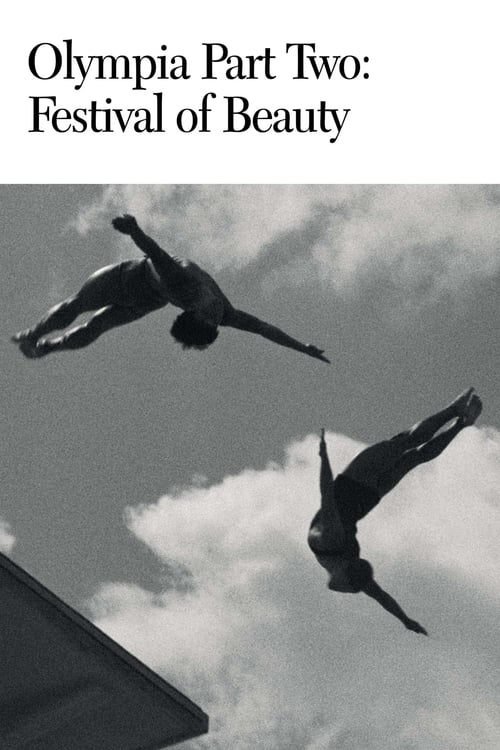
Part two of Leni Riefenstahl's monumental examination of the 1938 Olympic Games, the cameras leave the main stadium and venture into the many halls and fields deployed for such sports as fencing, polo, cycling, and the modern pentathlon, which was won by American Glenn Morris.
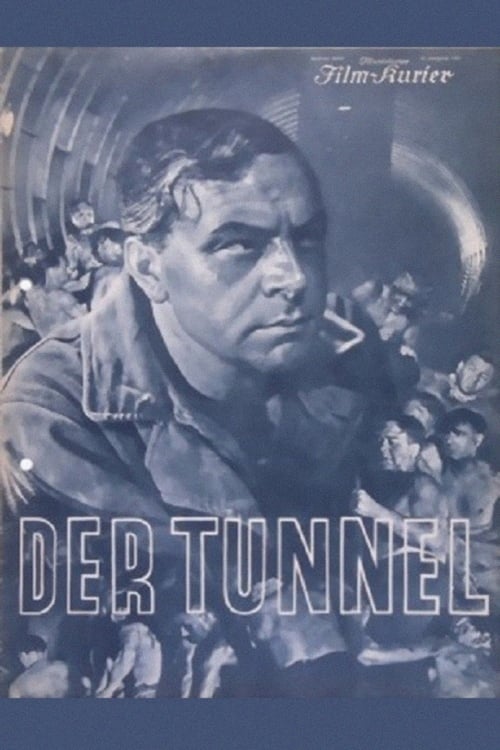
The engineer MacAllan designs a tunnel, which will join America and Europe together on the seabed. A group of American billionaires are financing the gigantic project, but the construction of the tunnel is proving to be as tedious as it is dangerous. MacAllan's worst enemy is the speculator Woolf, who had embezzled the money for the construction and who is attempting to cover up his crime by carrying out acts of sabotage. Also filmed in 1933 in a French-language version, LE TUNNEL, and remade in 1935 in England as TRANSATLATIC TUNNEL.
A Moscow hotel waiter, found at the scene of a murder, tries to locate the real killer among a series of suspects.
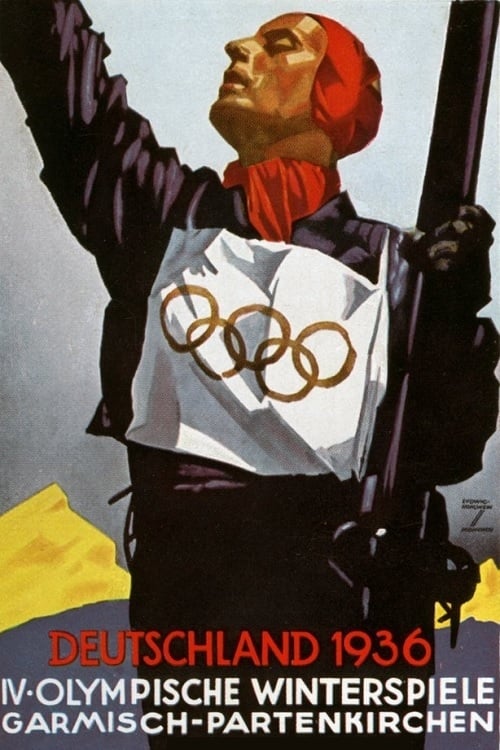
This Nazi propaganda film covers the 1936 Winter Olympics that were held in Germany.
Hans Richter, noted for his abstract shorts, has everyday objects rebelling against their daily routine.
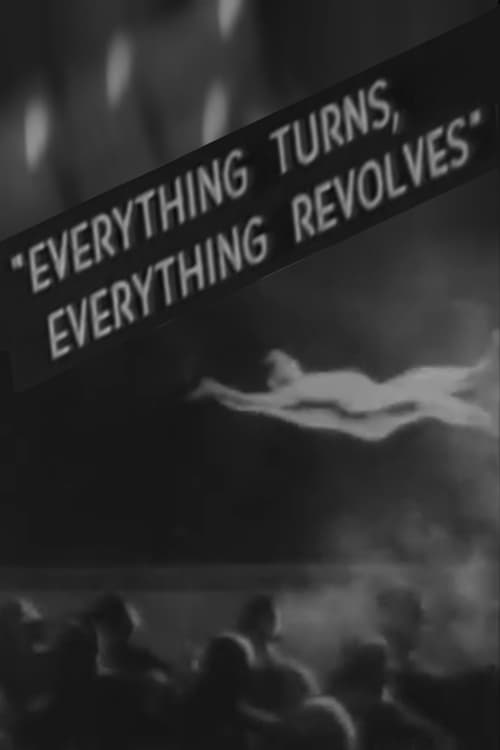
A day at the carnival — sensational tent shows where miracles can be seen for the price of admission, boisterous noise of crowds and barkers, shrill and gaudy circus music, the violence of the street ten-fold. This is the substance of Everything Turns, Richter’s first sound film. At its premier at Baden-Baden Richter got into a fight with two Nazi officials who disliked the film's ‘modernism.’ Yet in 1936 it was awarded first prize for artistic merit by the Nazis, with Richter’s name suppressed from the credits. He had long since left Germany.
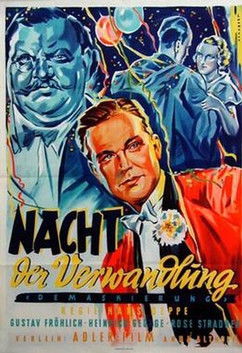
Nacht der Verwandlung (A Night of Change) stars Gustav Froelich as a globe-circling aviator, a character clearly based on America's Wiley Post. While basking in his celebrity at a nighttime carnival, Froelich romances Rose Stradner, the unhappy wife of brutish Heinrich George. When George refuses to give Stradner her freedom, she takes it anyway, but her fling with Froelich is doomed to disappointment. Our hero learns the hard way that one can be in a teeming crowd, yet still be all alone. Leading lady Stradner later resettled in Hollywood, where she appeared in such films as The Last Gangster and Keys to the Kingdom.
Impressions from Bremen's old town and harbor. Finally, images of the ship "Bremen" entering the harbor, showing the rudder of the auxiliary aircraft with a swastika and the swastika flag on the bow of the ship.
Nazi propaganda film about the embryo of metal falling from the sky, extracted by the German industry for various purposes.