Soram
Directing
Known For
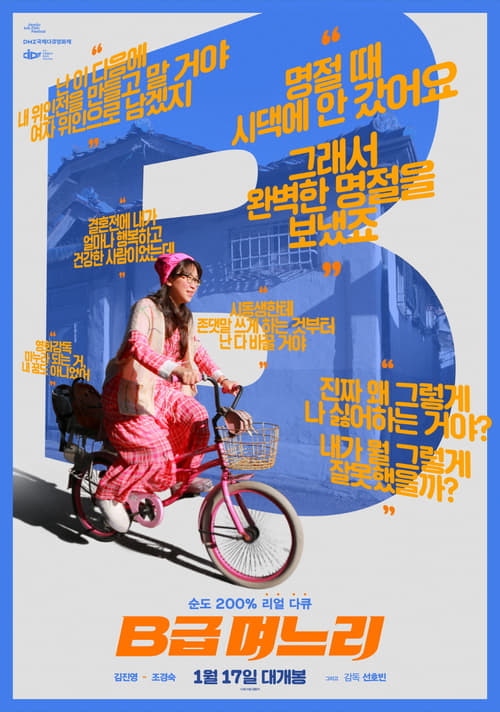
In our 3-year marriage, we have fought on every holiday, on parents' birthdays, during ancestral rituals, and even on Christmas. We argue all the time. The tension between my wife and my mother is killing me.
Myeoneuri: My Son's Crazy Wife
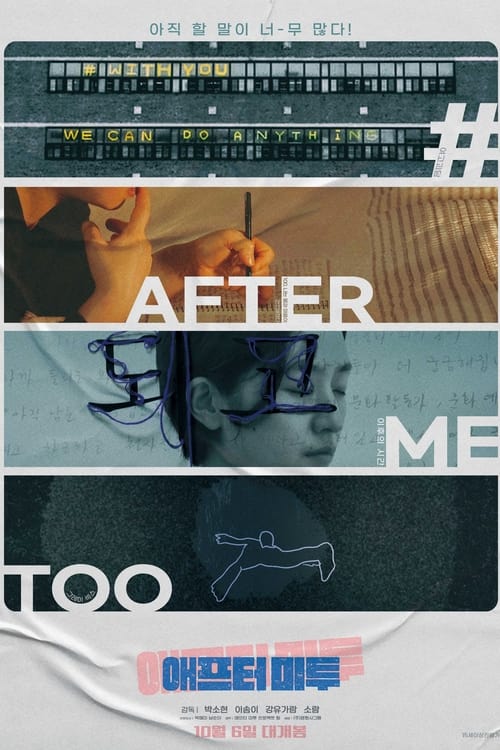
Three years since Korean society was first rocked by the MeToo movement, how much has changed? As the title suggests, #AfterMeToo tackles the activism and resistance that remained after the initial Me Too fever cooled. This anthology documentary ties together four shorts, dealing with the ‘School Me Too’ movement amongst teenagers, the fallout of the Me Too movement in the art world, confessions surrounding sexual trauma from long ago and its respective healing process, and the sexual self-determination of women.
#Aftermetoo
Serial murder examines how seemingly rational choices can perpetuate inequality, challenging viewers to reconsider workplace structures and their societal implications. The Footprints of the Invisible Man Walking on the Sand explores diverse mourning processes, documenting memories, testimonies, and funerals of those for whom death is as close as life. Chores of one's own revisits a construction site 31 years later, exploring the impact of a young worker's death.