Trevor Getz
Production
Known For
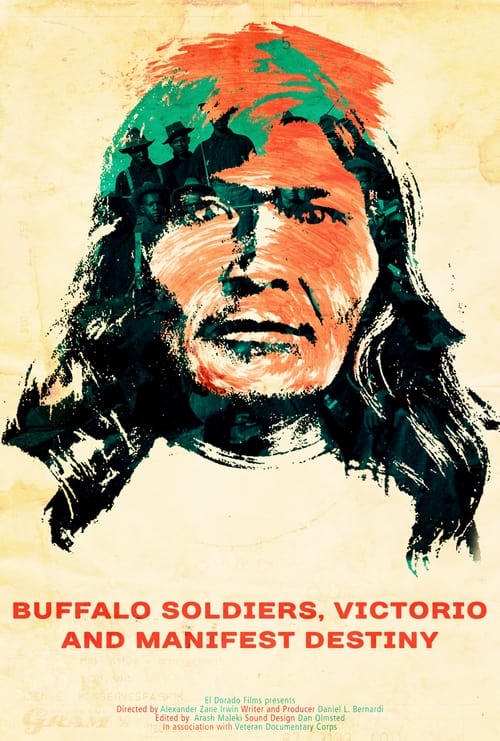
A look into the 19th century American-Indian Wars, Manifest Destiny, and the conflicts between Apache tribes and the African-American Buffalo soldier regiments.
Buffalo Soldiers, Victorio and Manifest Destiny
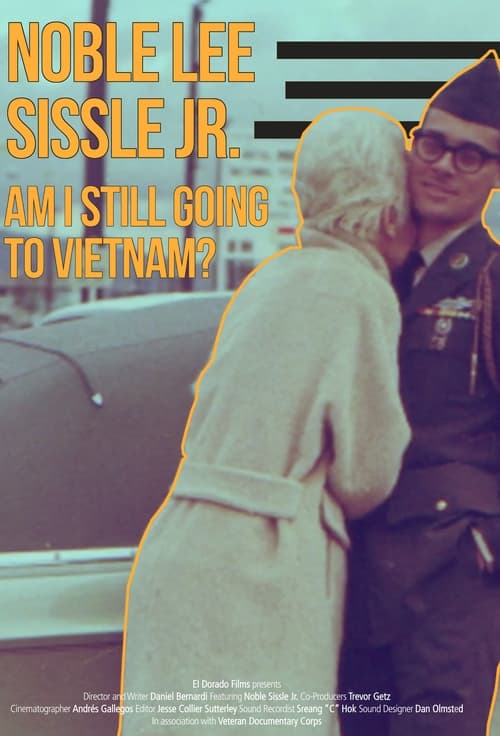
The story of Noble Sissle Jr., a production company owner, community development expert, and veteran of the Vietnam War. Combining archival footage with interviews and family portraits, the film explores Sissle Jr.’s life, and the way he carries on the legacy of his father, Noble Sissle – the famous WWI Harlem Hell Fighter and leader of the Harlem Renaissance. Includes original music and footage of Noble Sissle.
Noble Sissle Jr.: Am I Still Going to Vietnam?
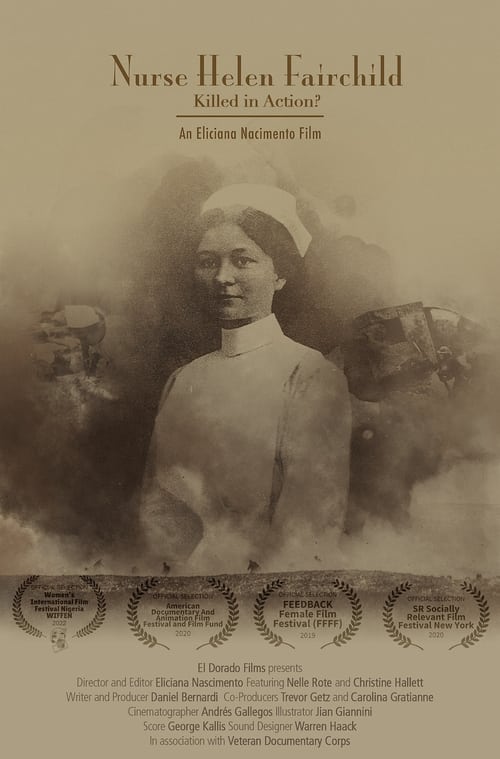
Bravery, compassion and the will to save lives motivated the young Nurse Helen Fairchild to leave home in Pennsylvania and embark on a journey to Europe, where she served as a surgical nurse during World War I before dying on the front lines.
Nurse Helen Fairchild: Killed in Action?
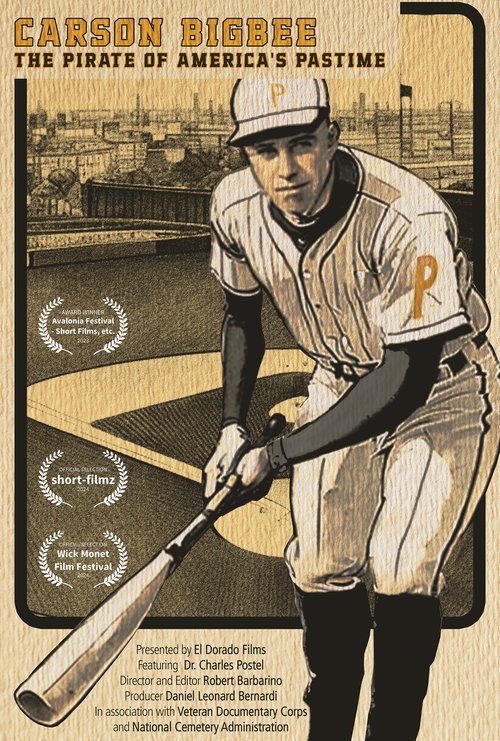
In a time when America was on the brink of modernization, Carson "Skeeter" Bigbee emerged from rural Oregon to become an embodiment of national transformation. Born to working parents in 1895, Bigbee’s life as a multi-sport athlete, a baseball star with the Pittsburgh Pirates, a World War I enlistee, and a World Series hero, intersected with America's Progressive Era, the electrification of society, the First World War, and the onset of the Great Depression. His story, from hitting the decisive run in the 1925 World Series to managing in the American Girls Professional Baseball League, is a poignant reflection of ambition, patriotism, and the resilient spirit of an ever-changing nation in the early 20th Century.
Carson Bigbee: The Pirate of America's Pastime
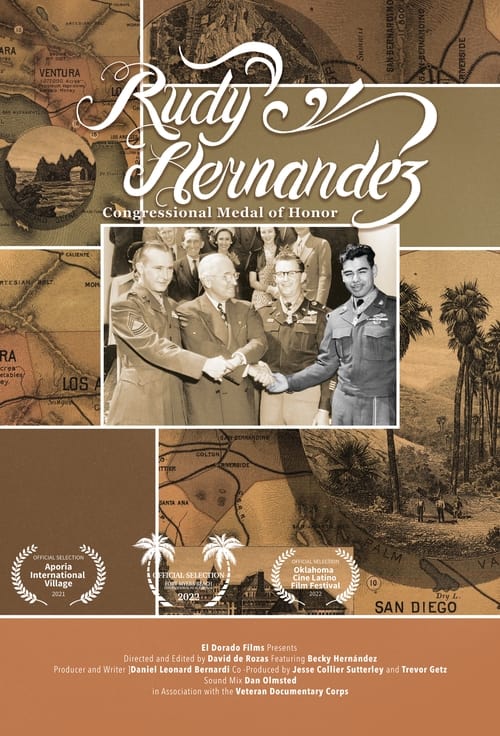
Mexican American Rodolfo P. Hernandez faced death along the 38th parallel, earning a Congressional Medal of Honor for valor during the Korean War. A story of heroism, perseverance and service, Hernandez proved that even in the most dire circumstances a wounded soldier can accomplish his mission and go on to greater service as a veteran.
Rudy Hernandez: Congressional Medal of Honor
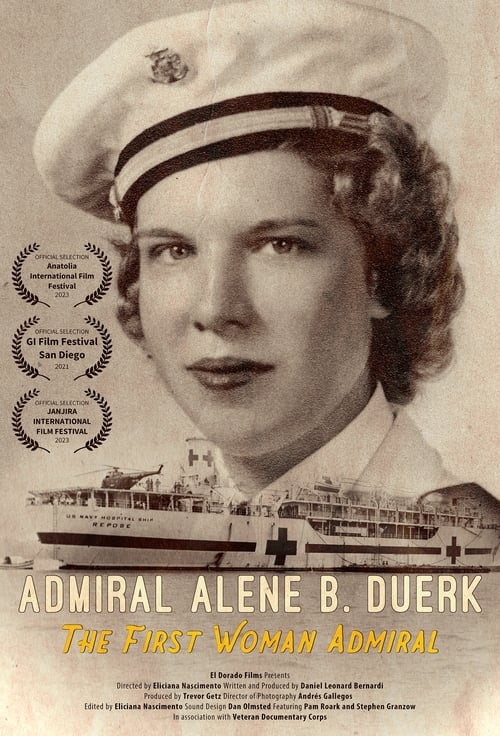
Following the tradition of military service in her family, Alene Duerk enlisted as a Navy nurse in 1943. During her eventful 32 year career, she served in WWII on a hospital ship in the Sea of Japan, and trained others in the Korean War. She became the Director of the Navy Nursing Corps during the Vietnam War before finally attaining the rank of Admiral in the U.S. Navy. Despite having no other women as mentors (or peers), Admiral Duerk always looked for challenging opportunities that women had not previously held. Her consistently high level of performance led to her ultimate rise to become the first woman Admiral.
Alene B. Duerk: The First Woman Admiral
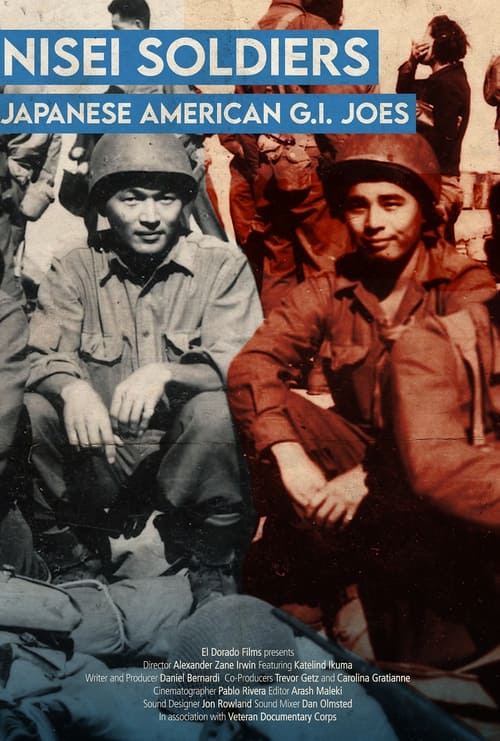
Leaving internment camps to defend their country in Europe, Japanese-American Nisei soldiers of WWII became the most decorated unit in American history.
Nisei Soldiers: Japanese American G.I. Joes
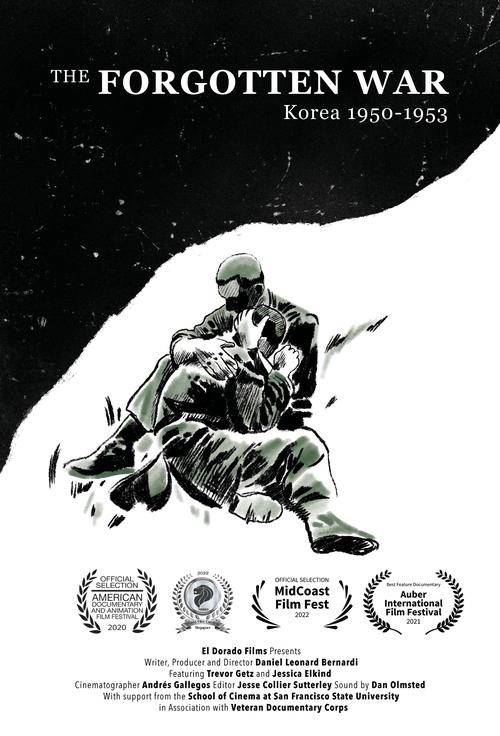
The Korean War saw three years of heavy combat take place on the small Korean peninsula, ending in a stalemate that remains contested to this day. This documentary tells the story of the Forgotten War from the point of view of the veterans that were sent to fight it.
The Forgotten War
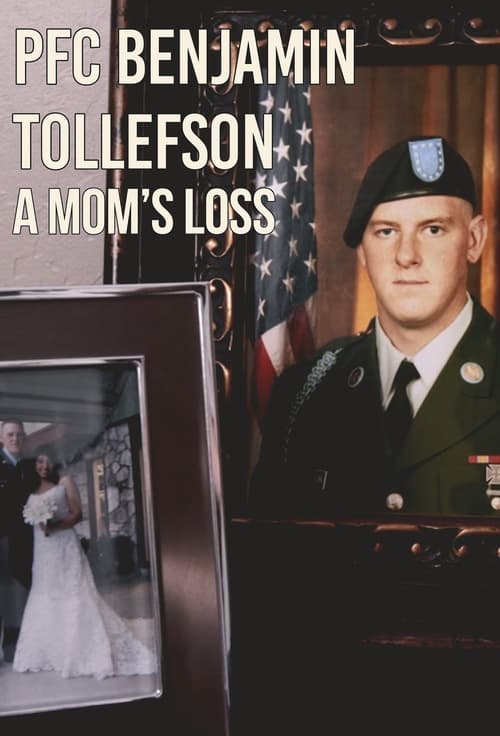
PFC Benjamin Tollefson was killed in action during Operation: Iraqi Freedom. His mother tells the story he never got a chance to share.
PFC Benjamin Tollefson: A Mom's Loss
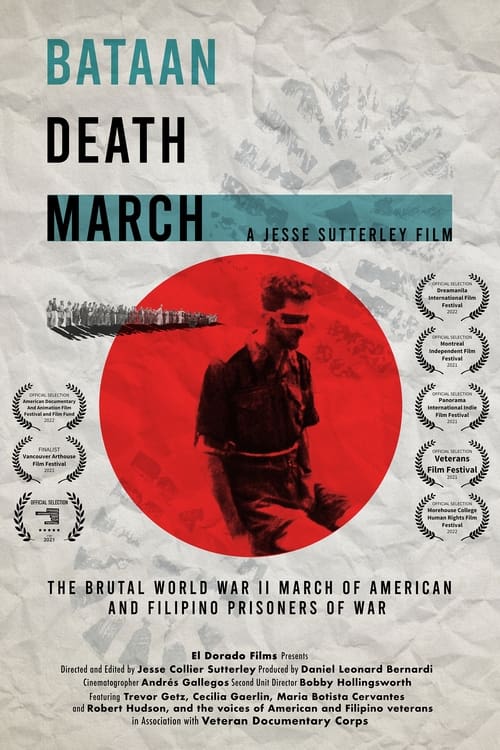
Within hours of the Japanese attack on Pearl Harbor, bombs rained down on U.S. and Filipino forces in the Philippines. After months of vicious fighting, Allied forces surrendered on the island only to be met with a brutal march to P.O.W. camps dotted across the islands. Thousands died on the marches, before reaching the P.O.W. camps where countless more died. The surrender of the Philippines, now almost forgotten in U.S. history, is commemorated in the Philippines every year.
Bataan Death March
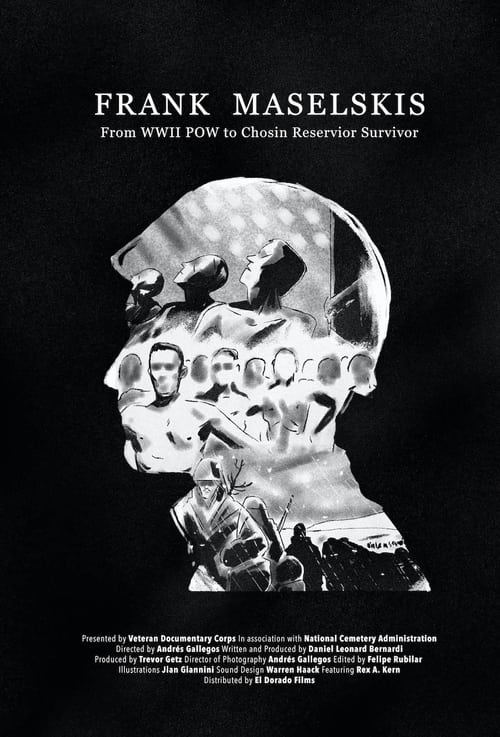
Despite his horrible experience as a prisoner of war during WWII, Frank Maselskis stays in the military and goes on to fight in Korea, where he participates in the brutal battle of the Chosin Reservoir. Upon returning home, Frank struggles to live a normal life while raising his daughters.
Frank Maselskis: From WWII POW to Chosin Reservoir Survivor
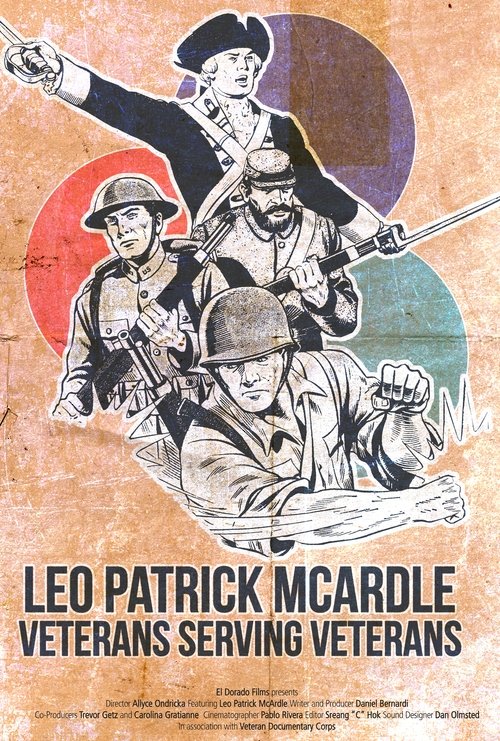
A veteran creates support systems that help other veterans and their families.
Leo Patrick McArdle: Veterans Helping Veterans
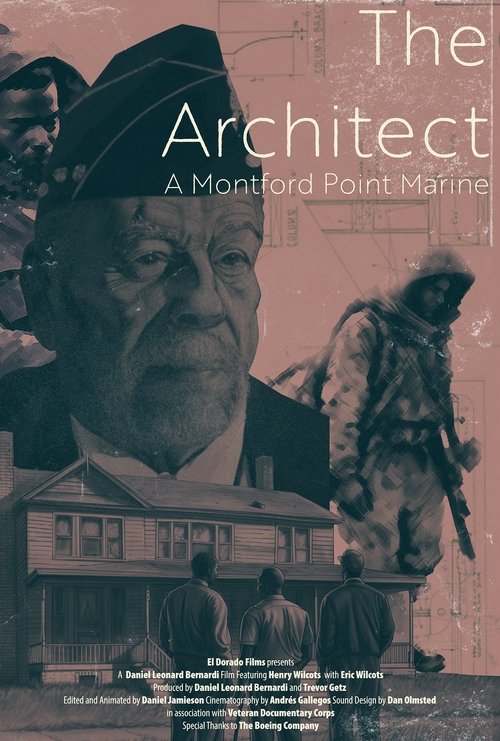
In this dynamic and dramatic short film, an African American veteran takes us on an extraordinary journey through his life. From a chance visit to the Pentagon, to growing up in a vibrant integrated neighborhood, his story is one of resilience and inspiration. Fueled by the determination to seize educational opportunities, he enlists just in time to experience the racial divisions of his era before Truman desegregates the military. Thrust into the brutality of the Korean War, the weight of combat becomes an indelible part of his soul. Returning home, he embarks on a new path as an architect and discovers unexpected connections in far-off Pakistan. As his family expands, his sons reflect on the man who raised them and the legacy he instilled. This film unearths the essence of the Black experience in the early 20th century, paints a vivid portrait of the Chosin Reservoir, and unravels the intricate tapestry of race, family, and personal growth.
The Architect: A Montford Point Marine
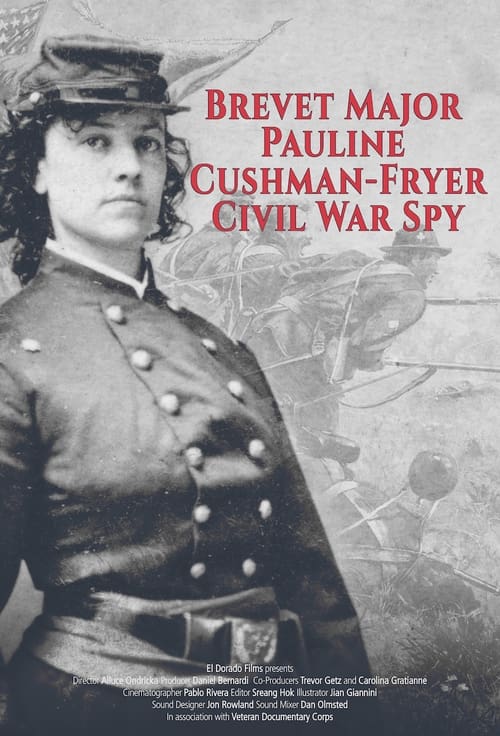
Performed by Constance Smith, Pauline Cushman-Fryer tells us how she became a Union Spy, was almost hanged, was granted the rank of Major by Abraham Lincoln, and died lonely in San Francisco from an overdose of opium.
Brevet Major Pauline Cushman-Fryer: Civil War Spy
Raymond Carlson remembers his older brother, a medic killed in action in the Vietnam War when Raymond was only seven years old. The impact of that loss lingers today more than fifty years later.
Cpl. Richard Carlson: A Brother's Loss

Lieutenant Commander Che Barnes, who died in 2009 after the plane he was flying was struck by U.S. Marine Corps helicopters, is remembered by his two brothers for his passion for flying and saving lives. Barnes and his fellow Coasties and U.S. Marines died in the line of duty. This is Che's story.
Lt. Cmdr. Che Barnes: Fallen Brother
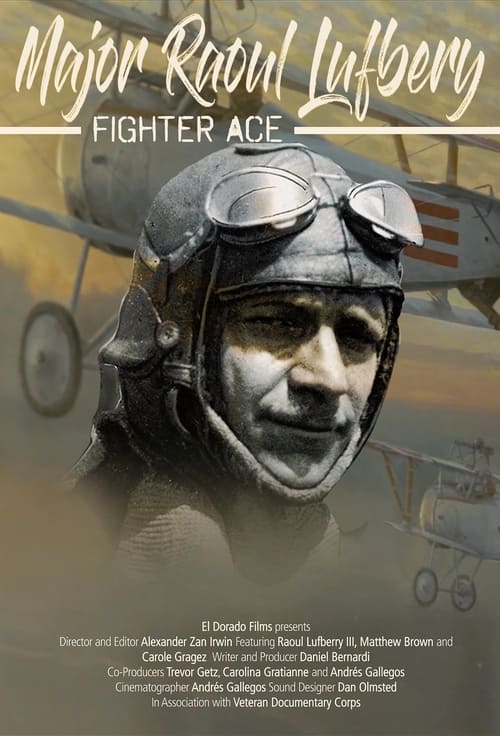
The story of WWI Pilot Gervais Raoul Lufbery, a triple confirmed WWI ace, mechanic and world traveler. Explores the Lafayette Escadrille squadron, a formation of volunteer pilots serving in France on behalf of the United States whose service marked the early origins of the U.S. Air Force.
Major Raoul Lufbery: Fighter Ace
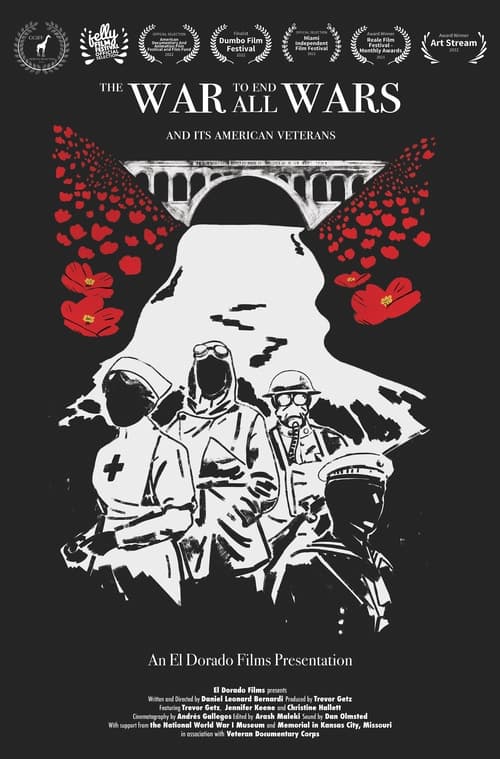
Relying on newly discovered archival footage, memoirs from the fallen, and expert commentary from scholars, this documentary tells the story of World War I from the American perspective: Its ace pilots, mine-laying Sailors, heroic doughboys, Harlem Hell Fighters, and courageous nurses.
The War to End all Wars... and its American Veterans
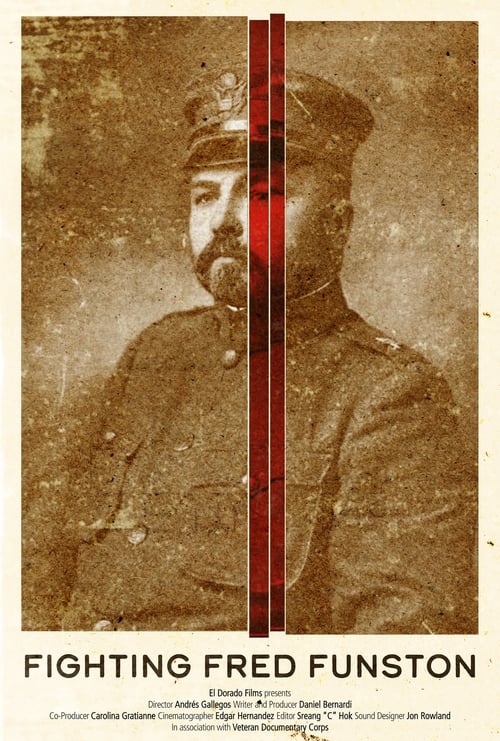
On April 18th, 1906, San Francisco witnessed its most devastating natural disaster – an earthquake that initiated a city-wide fire. The commanding officer of the U.S. Army base at the Presidio, Fred Funston, gathered citizens to fight the fire, patrol the streets, and rebuild the city – all without authorization.
Fighting Fred Funston
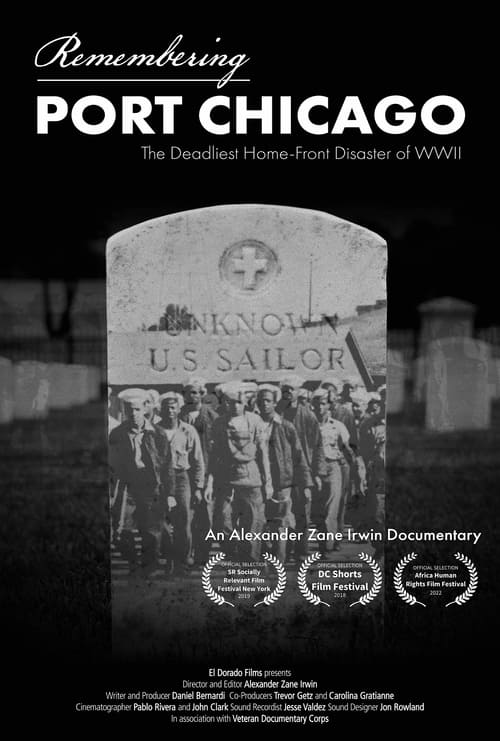
In California's Bay Area, a painful memory lingers of the Port Chicago disaster of WWII, when hundreds of the Navy's first Black Sailors perished, and the White officers in charge were protected by the chain of command.