
Carlos Sáenz
Camera
Known For
In 1977, the workers of the INAVE vehicle assembly company went on strike. This strike was declared legal, one of the few registered in the country. This strike was also a strike that demanded great sacrifice from the workers. It lasted more than three months, more than three months without pay and in constant struggle, until the strikers finally achieved their victory.
La Huelga Legal En Costa Rica
The silent majority is the Costa Rican peasantry, which has been the object of traditional contempt and which has manifested itself in various forms: unfair salary compensation, bad prices for their agricultural products, financing difficulties, land grabs, precarious housing and educational conditions. health. Precariousness, peasant migrations and the depletion of the agricultural frontier are also analyzed in the film.
La Mayoría Silenciosa

No description available.
Costa Rica 1975
The film is a call of conscience about the disappearance of forests in the country. Great industrial needs have created a greater demand for wood, the necessary expansion of livestock and agriculture is causing the destruction of forests in regions where only forests can provide an acceptable economic return. In view of the irrational progress of tree felling and in view of the slowness with which state institutions intervene in this problem - determining for the future of the country - it was decided to make this film.
Agonía en la Montaña
This film presents three possible techniques or methods that make it possible to meet the growing demand for wood without the country becoming a desert: spontaneous reforestation, carried out by the country's youth, technical and commercial plantation, and the comprehensive use of forests. . Scientists and farmers, peasants and young people express their opinions on these techniques and on the critical situation that the country is going through. The "lone witness", a tree abandoned to its fate in the middle of infertile pastures in the Puriscal area, leaves graphic testimony about the felling of trees taken to the absurd.
Recuperación de la montaña
This documentary summarizes the history, traditions, and living conditions of the Black population in the province of Limón, Costa Rica addressing the origins of the Afro-Caribbean and the groups that settled on the Atlantic coast.
El Negro en Costa Rica
This film shows the general aspects of the school garden program carried out by the Ministry of Public Education in the country's schools. In its development, the film shows how schoolchildren prepare the land, plant vegetables and legumes, take care of their crops and collect the harvest to, finally, consume these products in the school cafeteria. As a result of all this, the school garden becomes the “classroom” where the student learns the basic techniques of cultivating the land and the importance of good and healthy nutrition. At the same time, interest, affection and respect for farm work is awakened in the student.
Vamos a la Huerta
Documentary about malnutrition in Costa Rica
El enemigo oculto
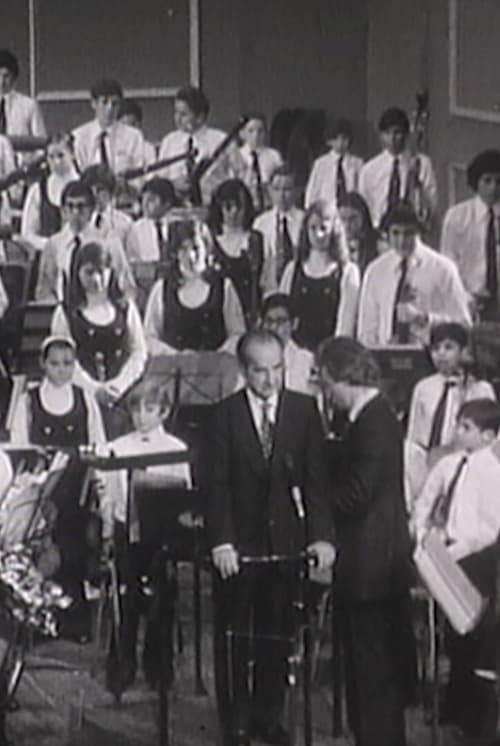
The film gives us an idea of how the Youth Symphony Orchestra operates, which was created taking into account a young member and a future violinist named Iván, who alternates soccer with violin exercises.
Para qué tractores sin violines
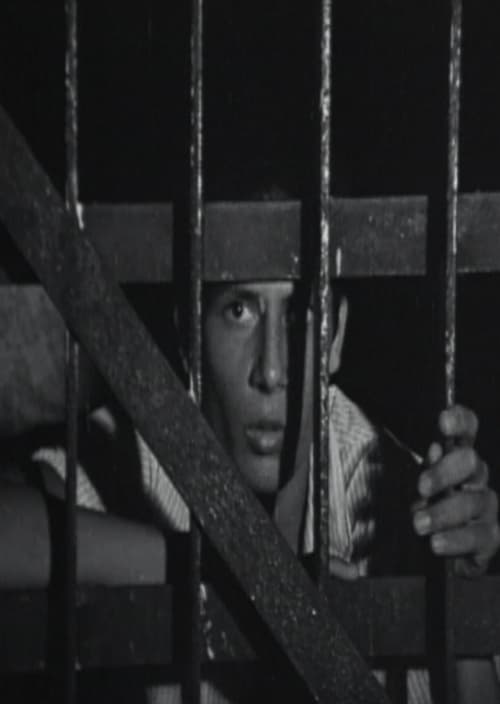
The film offers us the other side of the prison problem and questions the often simplistic prejudices with which we normally approach this problem.
Los Presos
In 1974, the Instituto Costarricense de Electricidad (ICE) began work on the Arenal hydroelectric project. As a result, two towns, Arenal and Tronadora, had to be relocated. Canto a dos pueblos is the first of three films made to record this significant event.