FEEL IT.STREAM
Lulu Keating

Lulu Keating

Directing

Biography

Lulu Keating (b.1952) has a diverse and prolific practice in film and video crossing genres of fiction, animation, experimental and documentary. With pan-Canadian connections, from Halifax to Vancouver to Dawson City in the Yukon, Lulu remains a vital force in the creative community of artists working with the moving image. She spent several years in Halifax, contributing actively to the community there in her work with the Linda Joy Media Arts Society and the Atlantic Filmmakers' Co-operative. Besides her many short works exploring hand processing and personal narrative, Lulu has directed two feature films. The Midday Sun (1989) was the first Canadian feature shot entirely in Africa (Zimbabwe). Lucille's Ball (2013), was made in Vancouver, created with assistance from the Women in the Director's Chair Feature Film Award. Its success on the festival circuit included Best Canadian Feature Film Award at Toronto's Female Eye Festival and capturing one of Vancouver's Leo Awards (Best Editing). (Description from Yukon on Screen)

Known For

Lucille's Ball
N/A

Lucille comes of age in the rebellious, sexually liberated 1970's. Determined to take advantage of the new freedom offered by The Pill, she explores and experiments with women and men, straight and gay, at home and abroad. Lucille is devoted to being a musician, but her sexual abandonment and haunting past threaten to destroy her. Teddy, a music producer, responds to her appeal for help. He insists that she behave like a professional, and he helps her put together a stronger band. She recruits sax player Hank the Hunk to her band, and they fall in love. Lucille is ready to have a baby, but Hank sits on the fence.

Lucille's Ball

2013
John and the Missus
7.5

A small Canadian town is devasted when a local mine--the town's only source of income--is closed. One man incurs the wrath of the townsmen when he stubbornly refuses the small amount of settlement money offered by the government.

John and the Missus

1987
"They Didn't Starve Us Out": Industrial Cape Breton in the 1920s
8.0

For 200 years, coal mining had been a way of life in Cape Breton. By 1920 things were looking up: miners were unionized and paid decent wages. Then the British Empire Steel Corporation arrived and bought every single steel and coal company in Nova Scotia. BESCO cut wages by a third, setting off a bitter labour dispute. The miners settled in for a long strike. Finally, in 1925, the military ended the unrest with brute force. But the miners, in one sense, had won. They broke up the monopoly and provided an example to workers across the country.

"They Didn't Starve Us Out": Industrial Cape Breton in the 1920s

1991
City Survival
N/A

A young woman leaves the comfort of her small rural community to pursue opportunities in a big Canadian city. She encounters obstacles that almost force her to return home, but she eventually picks up the skills to adjust to the city.

City Survival

1983
The Midday Sun
7.0

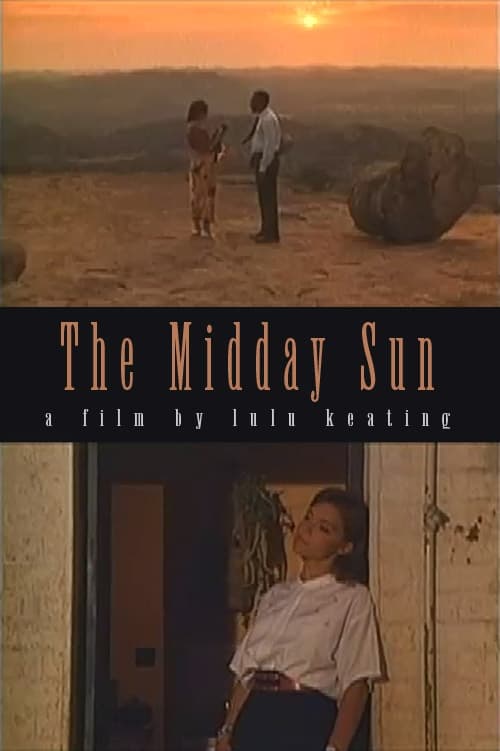
Maggie is an ordinary Canadian girl with the best of intentions who has signed on to work in a Catholic mission in Zimbabwe. With an ample supply of enthusiasm and ignorance, she consistently demonstrates her lack of understanding of the local culture. When she is robbed, she fights for the release of the man convicted of the crime and belatedly makes some attempt to understand her environment.

The Midday Sun

1990
No image
N/A

Based on the Lewis Carol nonsense poem "Jabberwocky," this three-minute animation brings to life the fearsome Jabberwock, the Jub-Jub bird, and other fanciful creatures. Hand-coloured still photographs and cell drawings lend a storybook quality to this imaginative fairy-tale

The Jabberwock

1981
No image
7.0

In this first of Lulu Keating's films, she animates photos she's accumulated that celebrate her extroverted spirit.

Lulu's Back in Town

1980
No image
N/A

Experimental documentary by Lulu Keating

Ladies in Waiting

2000
The Moody Brood
N/A

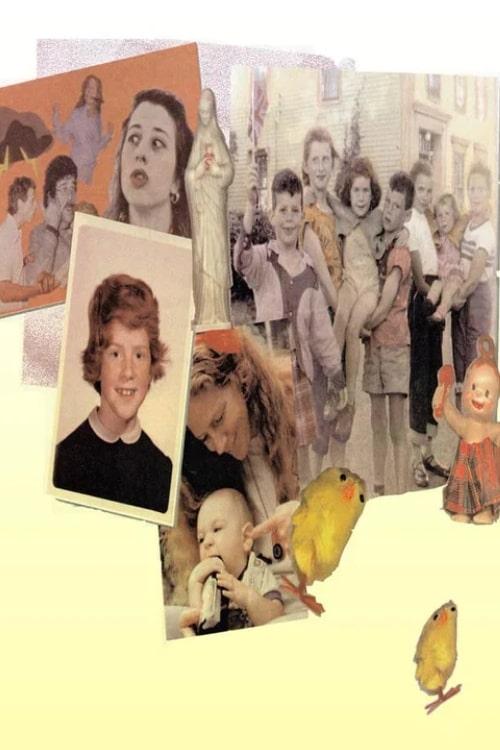
A documentary unlike any other, The Moody Brood explodes the myth of the idealized, normal family-a popular and pervasive post-WWII notion. The film examines issues universal to all families: the effects of community and religion, the influence of siblings, and the moral standards imposed by parents. Award-winning filmmaker Lulu Keating traces the lives of her 10 siblings from their childhood in the 1940s to present day, from a small Catholic community to the world stage. Along the way, she asks some difficult questions: Can we, as adults, shed past experiences? Or do they shape our whole lives?

The Moody Brood

2000
No image
N/A

Pandemic reflections at the Dawson Landfill.

Rear View

2022