Directing
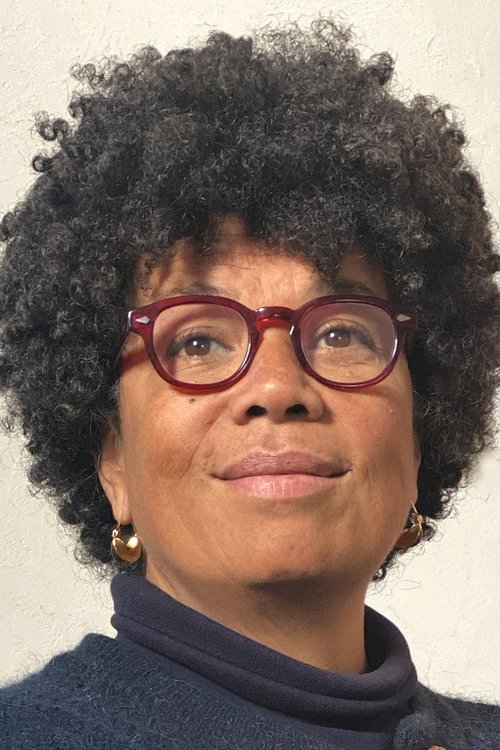
Sylvaine Dampierre is a French documentary filmmaker of Guadeloupean descent
In the community gardens of New York
Sartène, a Corsican village enclosed in the stone corset of a town, a fortress clinging to its mountain, is like an island within an island. The space in Sartène is shared, surveyed for decades according to an immutable rite and on the margins of the square which forms its heart, stand the North Africans.
We follow Fernand, a former worker at Renault, in his allotment in the heart of the most famous industrial wasteland on the Île Saint-Germain, an island located in the Seine, in Issy-les-Moulineaux in the Hauts-de-Seine near Paris, France.
We discover a modest, almost derisory garden, located in the heart of the women's prison in Rennes, Brittany, France.
Farida Belghoul, a teacher at a high school in the northern suburbs of Paris, has decided to withdraw her own children from the school system. Believing the system is in a state of total collapse, she wants to save her own children—as she puts it. Alternating between outrage and disillusionment, Farida fights a daily battle to keep her "closed-door" school alive.
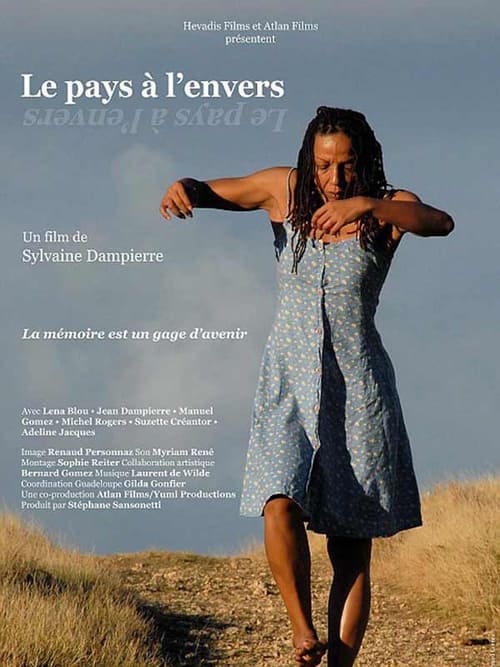
Returning to the island that her father left 50 years earlier, the filmmaker goes back in time to retrace the history of her name.
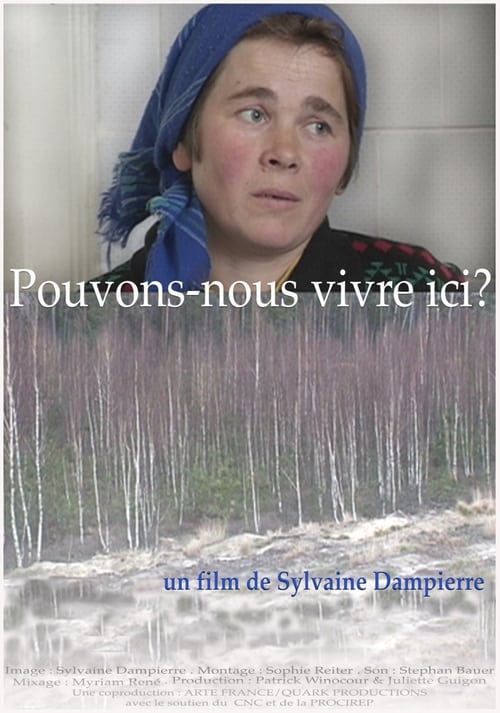
Olmany, Terebejov, Gorodnaïa: Three villages in the Stolyn district, Belarus, 200 kilometers from Chernobyl. In this area, the radiation rate was considered too low to justify the systematic evacuation of the population. Sixteen years after the disaster, life continues in a seemingly unchanged landscape. These farming communities face an invisible threat on a daily basis.
A garden in Réunion
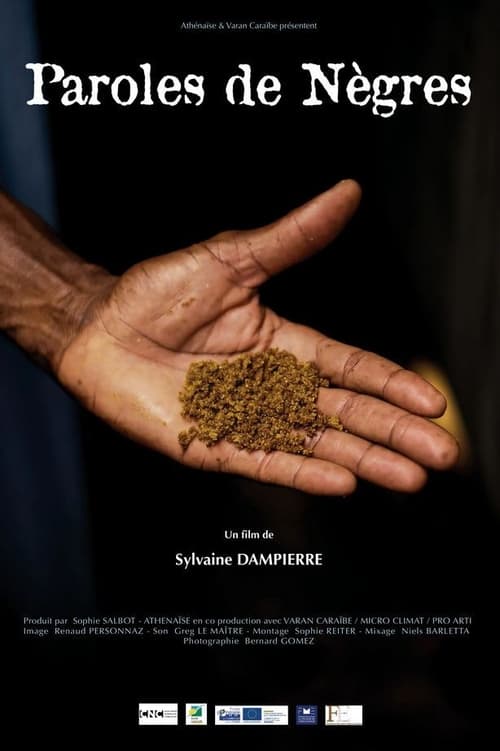
On Guadeloupe, an archipelago in the Caribbean, the past speaks up. Sylvaine Dampierre has the workers of an old sugar refinery read passages from the transcripts of an 1842 court case, while the machines roar and groan in the background. The testimonies of the slaves from back then in the rusty halls of today give rise to a polyphony both explosive and poetic in nature.