Wang Ping
Directing
Biography
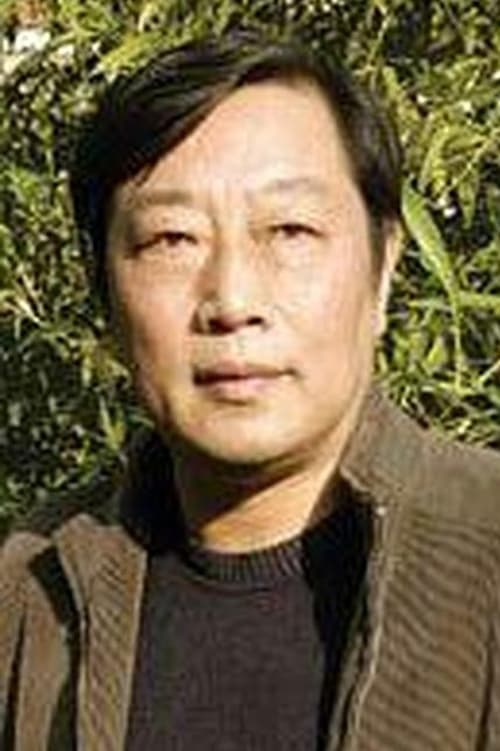
Wang Ping is a director of Shandong Film Studio and a national first-level director. He has directed a number of film and television works and won many domestic awards. He joined the army in 1972 and served successively as a soldier and projectionist. In 1978, he retired from the army and worked as an officer in the Political Department of Shandong Broadcasting Bureau. In 1979, he worked as a cameraman in Shandong TV Station's Literature and Art Specialty Department. In 1982, he was transferred to Shandong Radio and Television Art Troupe as a cameraman and director. From March 1989 to July 1990, he studied at Beijing Film Academy. In 1995, he was transferred to Shandong Film Studio as deputy director and director. From September 2000 to September 2002, he studied in the postgraduate course of Beijing Broadcasting Institute. (Maoyan Wang Ping: https://maoyan.com/films/celebrity/30223)
Known For

No description available.
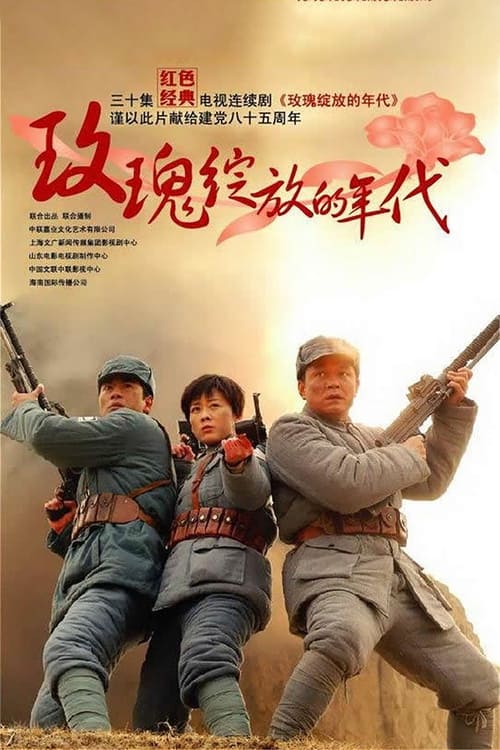
The Era of Roses In Bloom

In the 1200s, a man arose whose ruthlessness was so feared, he emerged as the greatest empire builder ever known to mankind. Inspired by true historical events.
Kingdom of Conquerors

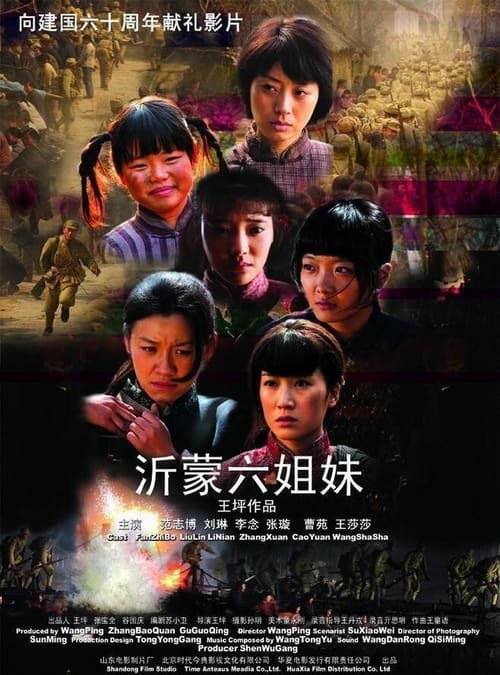
Set in a Shandong village during the crucial Menglianggu Campaign between communists and nationalists in 1947, the film follows six women from various families as the (largely offscreen) civil war impacts their feudal existence.
Six Sisters in the War

The film charts the fortunes of two women who loved each other as sisters, but whose paths diverge when the Revolution brings an end to their old way of life in the brothel.
Blush

A group of criminals call themselves the "Northern Detachment". They commit several major crimes on the Beijing-Guangzhou Railway. The Public Security Bureau sends Ma Xiaolong after them.
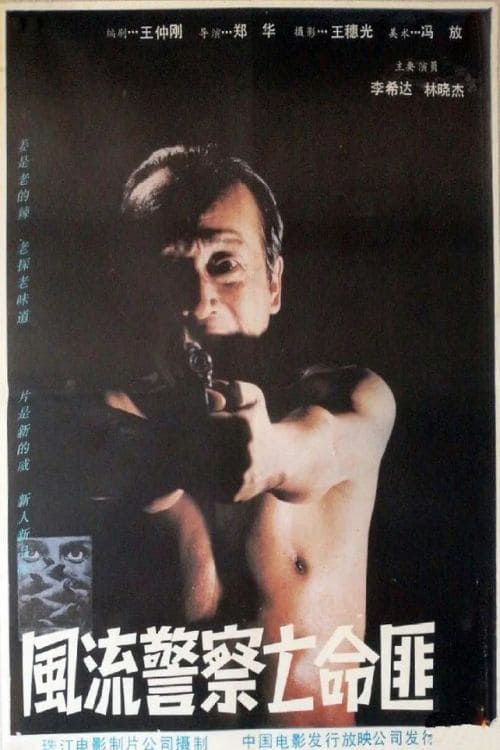
Cops and Desperados

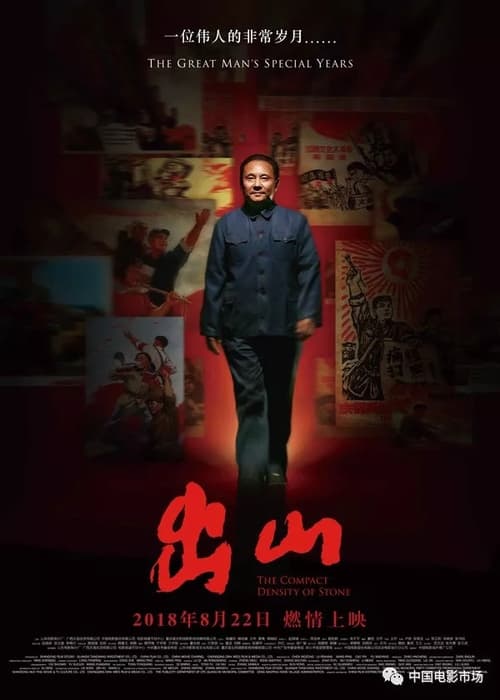
The film passes through two periods of Deng Xiaoping serving as the Secretary of Ruijin County Party Committee in 1930 and his comeback in 1973.
The Compact Density of Stone

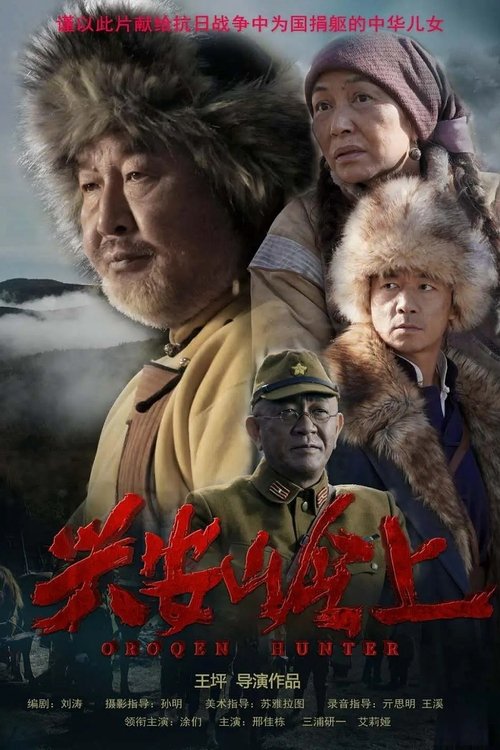
Oroqen Hunter directed by Wang Ping. It tells the story of the deep revolutionary friendship forged between Gai'er Mountain, the leader of the Oroqen tribe, and Wang Dahu, a commander of the Northeast Anti-Japanese United Army, during their resistance against Japanese invaders. Sworn as brothers, they led the Oroqen people to assist the Northeast Anti-Japanese United Army in fighting the Japanese in the regions of Nenjiang, Nehe, Dedu, and Arun Banner.
Oroqen Hunter

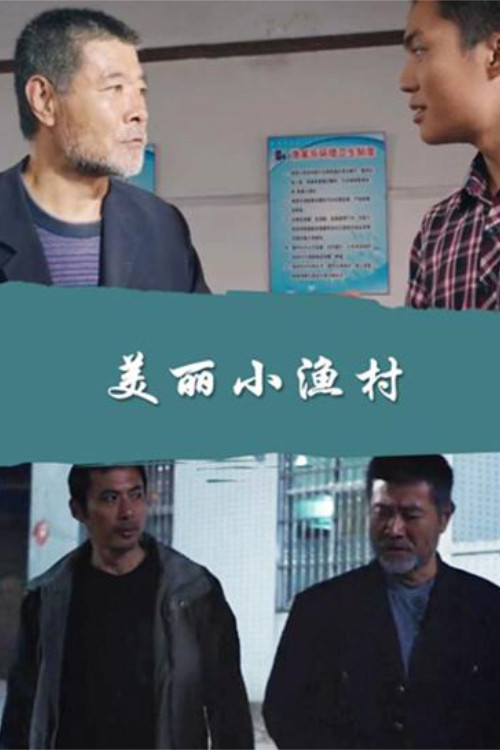
The film is based on the development and transformation of Hekou Village in Rongcheng City, portraying the challenges faced by this small fishing village during the post-reform era. It tells the story of a once-prosperous village where the women, with little to do, spent their time playing cards and arguing. A retired village party secretary, aiming to restore positive village values, decides to launch a “Fishing Village Homestay” initiative to enrich their lives. Through shared efforts filled with both laughter and tears, the village women discover new life goals, and the homestay business thrives.
A Pretty Little Fishing Village

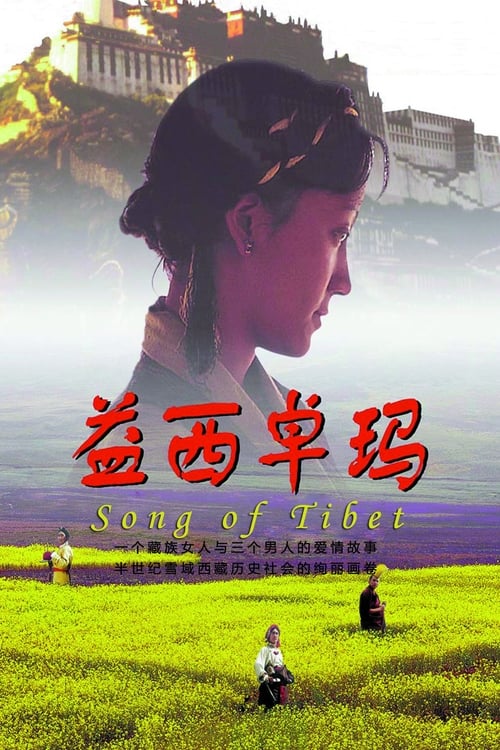
The story of Yeshe Dolma, and her turbulent marriage to a proud warrior, Jiacuo, across half a century.
Song of Tibet

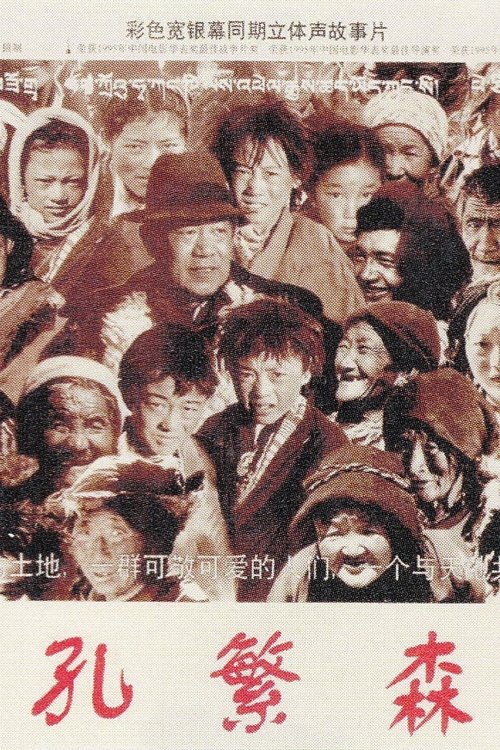
Biography of the beloved Kong Fan Sen, a government official of Ali, an outlying area of Tibet. Kong leads the people of Ali to build a better home, but unfortunately dies on the way of an investigation.
Kong Fan Sen
Sunkai, a high school Chinese language arts teacher, becomes a host for the radio program "Star in the Sky". Being a popular host, he faces the misunderstanding from his wife Guo Li and admiration from his co-host Taotao.
Star in the Sky

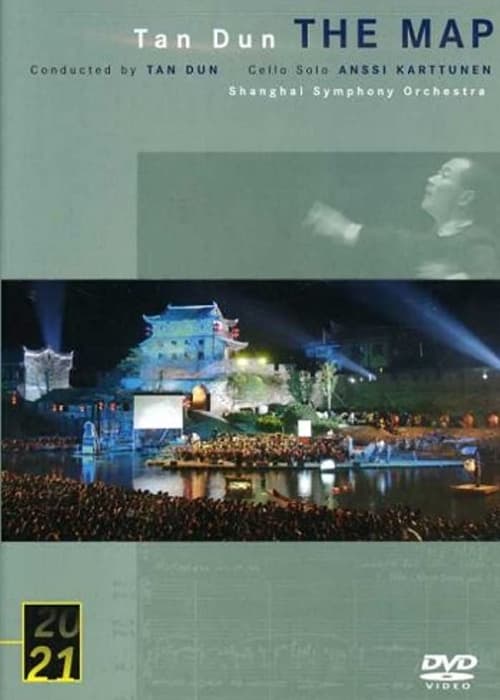
A performance documentary which preserves a special performance of Tan Dun's trail-blazing performance piece, performed by the Shanghai Symphony Orchestra under the direction of the composer, and featuring soloist Anssi Karttunen on cello.
The Map

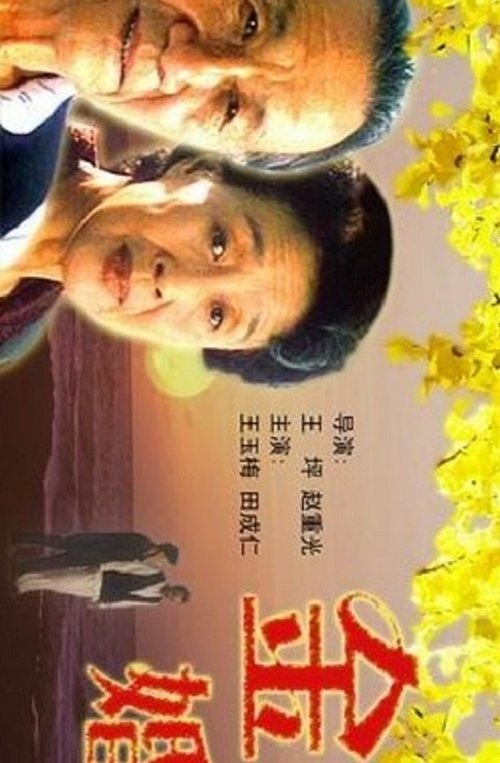
On the day of their golden anniversary, a couple leave a long note to all their children and board a train. They are going back to the place where they first met each other. They are going to celebrate the golden jubilee by themselves, for themselves.