Dolly Tree
Costume & Make-Up
Biography
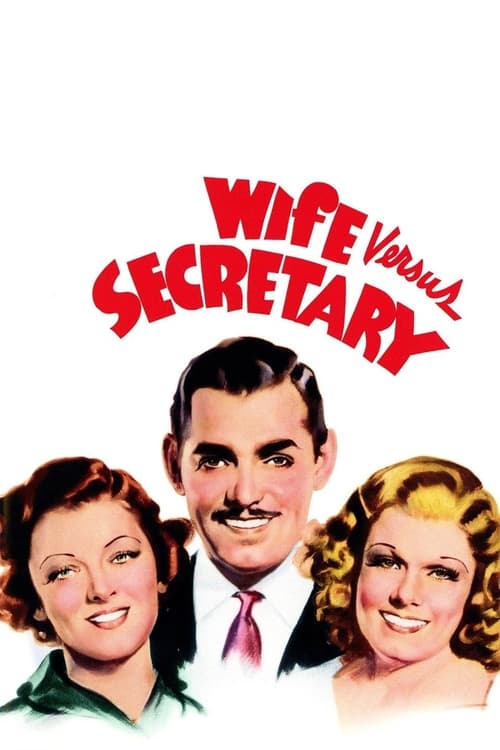
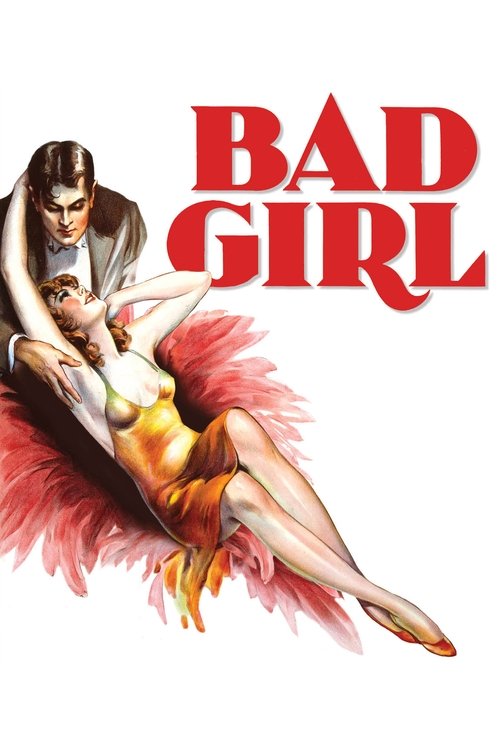
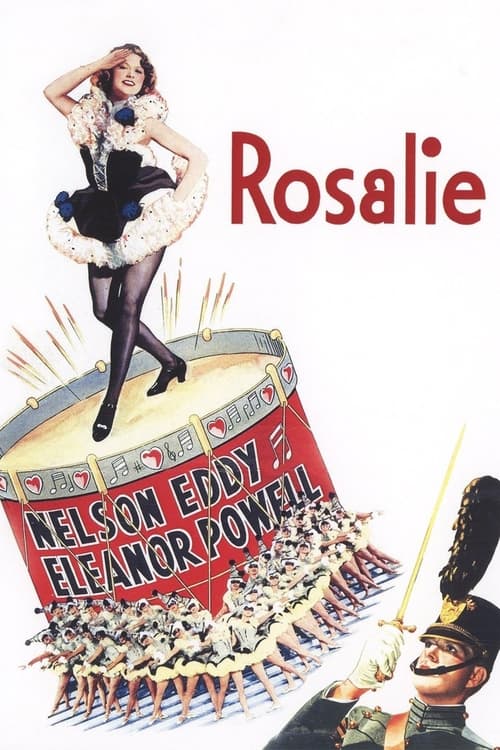
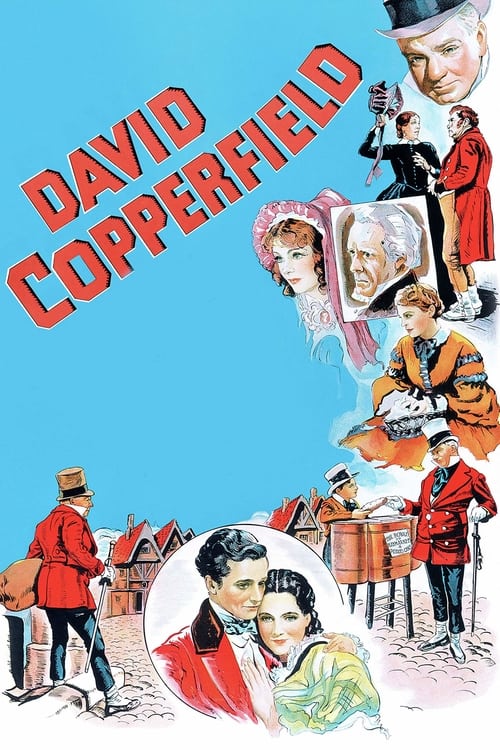
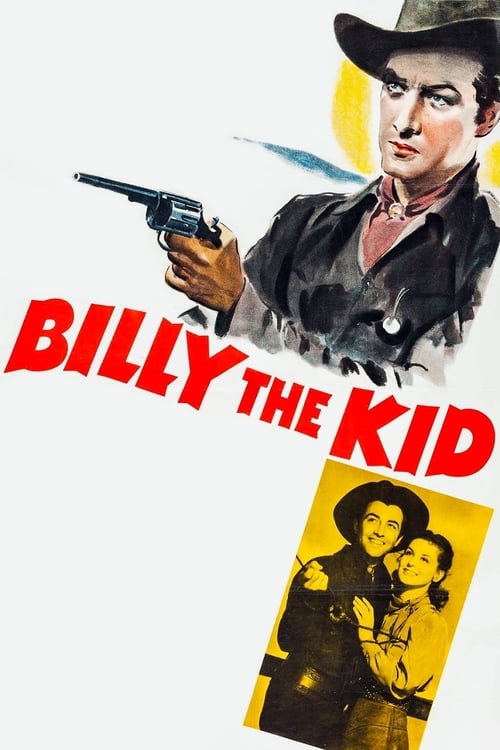
From Wikipedia, the free encyclopedia Dolly Tree (17 March 1899–17 May 1962) was an English illustrator, actress and costume designer who during the 1930s and 1940s designed dresses for Myrna Loy, Jean Harlow, Rosalind Russell, Maureen O'Sullivan and Judy Garland among others in addition to costuming historical dramas such as David Copperfield (1935) and A Tale of Two Cities (1935). Born in Westbury-on-Trym in Bristol in 1899 as Dorothy Marian Isbell, the daughter of Charles Edwin Isbell (1863-1942) , a solicitor, and Bertha Marian (née Keith-Williams) at an early age she discovered an aptitude for drawing before being drawn towards a career on the stage. In 1912 her family relocated to London and she began her career as an artist after seeing the play Vanity Fair at the Palace Theatre in 1916. Of the play she later wrote, ‘I was fascinated by the wonderful dancing and art of Regine Flory and admired her so much that I started to design a special poster of her, really to amuse myself, based on my recollections of this vivid artist seen across the footlights.’ A friend took her drawing to Sir Alfred Butt who bought it and gave her a two-year contract (c1917-1918) to design posters and programme covers for of all his shows including The Boy (1917), The Beauty Spot (1918), Going Up (1918), Telling the Tale (1918), The Latest Craze (1919), The Kiss Call (1919), Very Good Eddie (1919) and Hello America (1919). Her comic illustrations also appeared in various British newspapers and magazines. Between 1915 and 1918 Dolly Tree appeared in five British silent films as an actress. In the United Kingdom her career as a costume designer began in the 1920s on various cabaret shows in London in particular; in 1923 she collaborated on her first film, Woman to Woman, directed by Graham Cutts and with Alfred Hitchcock as the co-screenwriter, artistic director and assistant director. Her work became popular in Paris where she became the first English person and the first woman to design for the Folies Bergère. In 1926 she moved to the United States, first working in New York where she created the costumes for the 1928 Broadway play Diamond Lil starring Mae West. She then went to Hollywood where she was involved in designing for 175 American films, firstly for Fox Studios (1929-1931) and then for Metro-Goldwyn-Mayer (1931-1942), mainly as a designer of dresses, among others alongside Adrian. In 1931 while working at Fox Studios she met and married the American Naval officer Thomas Kimes. Although the marriage was a happy one but his career in the Navy kept them apart and they divorced in 1940. After her divorce Tree began to drink heavily which lead to her leaving MGM in 1942 and returning to Fox Studios where she married her second husband Don E. Whiteford. However, this marriage also did not work and they quickly divorced, which drove Tree further into alcoholism. Her second divorce, her heavy drinking and the death of her father in 1942 lead to her becoming increasing unreliable and losing her job.