Directing
No description available.
Lucania, or the Basilicata, is a region in southern Italy where industrious farmhands have inexorably worked the hills planted with wheat for thousands of years. The labor of yore and the modern farmers of today coexist in a single era, caring for the land, crops and livestock, as the seasons come and go. Their sweat and tears are sublimated by Guastamacchia, a farmhand and songster who crosses the region as a day laborer. His voice evokes the tales of survival of a rural community marked by decades-long labor struggles and militancy. For these workers, who have transmitted their stories orally only, song is their elected form of speech, their universal language. The music flows to the verses of Rocco Scotellaro, the bard of freedom for the land workers, a militant among them and on the printed page. In what is left of the rural culture of the 20th century, the farm workers strain to hand down ancestral practices to a future as yet unclear.
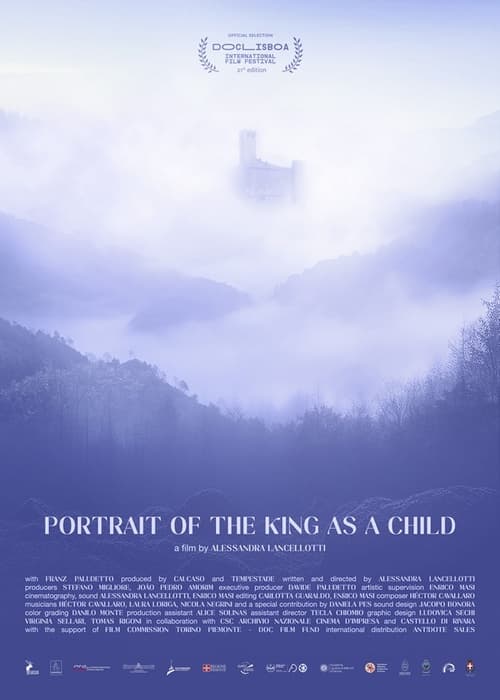
In 1983, Franz Paludetto acquired Rivara Castle at the foot of the Italian Alps. A century earlier, artists from all over Europe had gathered here to establish the Rivara School of Painting. We witness the story of Italy during the latter half of the 20th century.
Once upon a time, there was a castle on a mounting, with a man inside. The man placed all the conflict and all the beauty of the world inside the castle. His name was Franz. He came by foot from the Alps, leaving behind a history of violence, and he dedicated his life to the creation of a cenaculum for the arts to redeem himself from the trauma of fascism. Over the course of a ten-year story, as his latest young artist grows up, the gallery owner takes possession of her memories and approaches death.