Directing
PBS' premier science series helps viewers of all ages explore the science behind the headlines. Along the way, NOVA demystifies science and technology, and highlights the people involved in scientific pursuits.
A look at relevant scientific issues
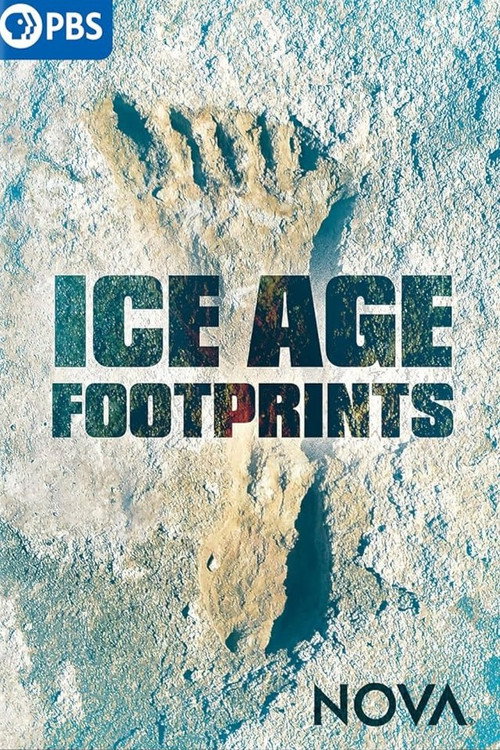
Thousands of footprints stretch for miles across New Mexico’s White Sands National Park, capturing moments when Ice Age humans encountered now-extinct beasts, including enormous ground sloths and mammoths. What can these footprints reveal about the peopling of the Americas and what life was like at the end of the last Ice Age?
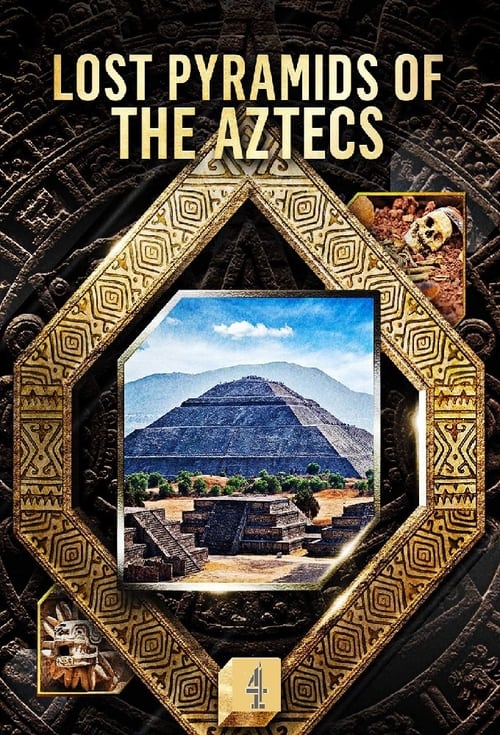
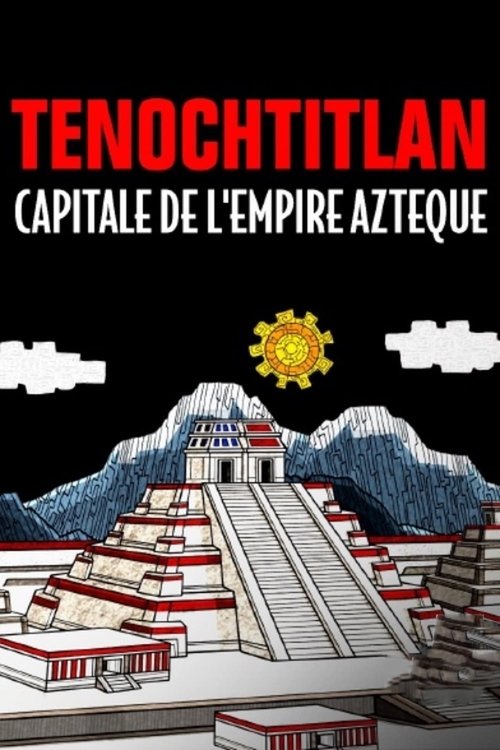
The Aztecs ruled one of the most powerful civilisations ever seen in the Americas. They were ruthless warriors and ingenious engineers, who conquered a huge territory and built towering pyramids and ambitious civil engineering projects using manpower alone. But after just 200 years their vast empire was wiped out by Spanish invaders, and their cities and monuments were destroyed. Today many of the Aztecs’ secrets lie buried underneath Mexico City. Now archaeologists are digging deeper than ever before to find out who the Aztecs were and how they built their remarkable empire. Using stunning CGI imagery, unique access to ongoing new excavations, and a pioneering experiment to build a replica Aztec pyramid in the Mexican countryside, Lost Pyramids of the Aztecs is an immersive investigation into the vanished world of this fascinating civilisation.
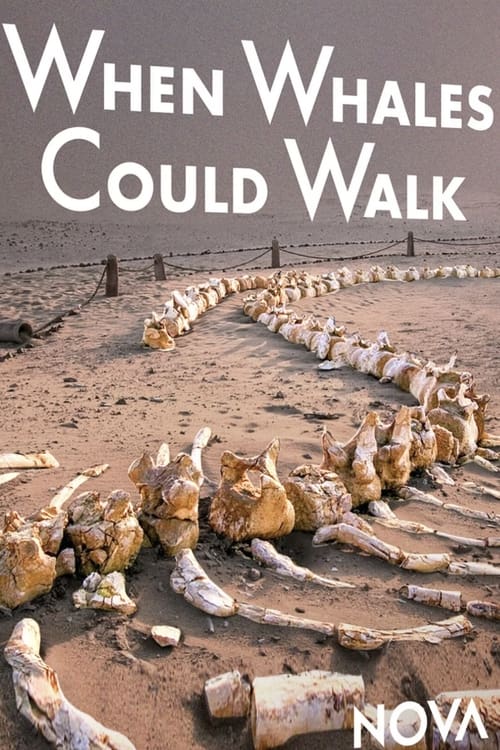
In Egypt's Sahara Desert, massive skeletons with strange skulls and gigantic teeth jut out from the sandy ground. This fossil graveyard, millions of years old, is known as the "Valley of the Whales." Now, paleontologists have unearthed a whole new species of ancient whale dating to 43 million years ago, and this predator wasn't just able to swim – it also had four legs and could walk. Follow scientists as they search for new clues to the winding evolutionary path of mammals that moved from the land into the sea to become the largest animals on Earth.
No description available.