Acting
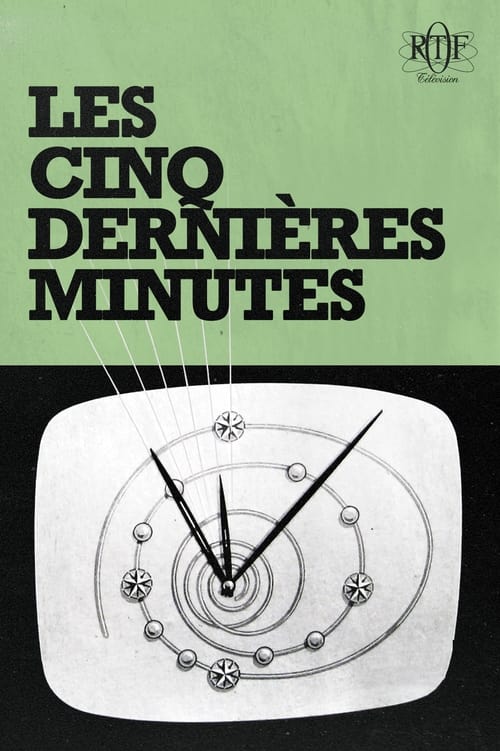
Les Cinq Dernieres Minutes is a crime based French television series
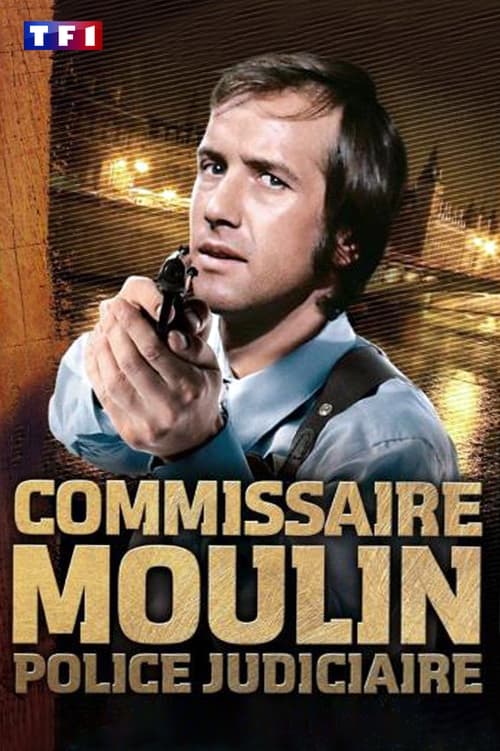
The series follows the adventures of lighthearted Jean-Paul Moulin, a police Commissaire, and his team as they solve crimes.
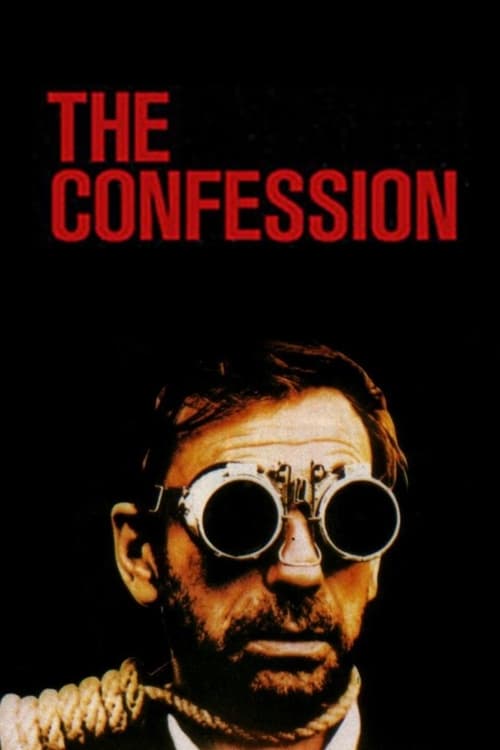
In 1950s communist Czechoslovakia, a government minister, a war veteran long a loyal party man, leads a relatively comfortable life with his wife. However, he soon finds himself under surveillance, then under arrest. Unclear what his offense is, agents for the totalitarian regime interrogate and torture him, aiming to use their unending power to gain a false confession for these supposed crimes against the state.
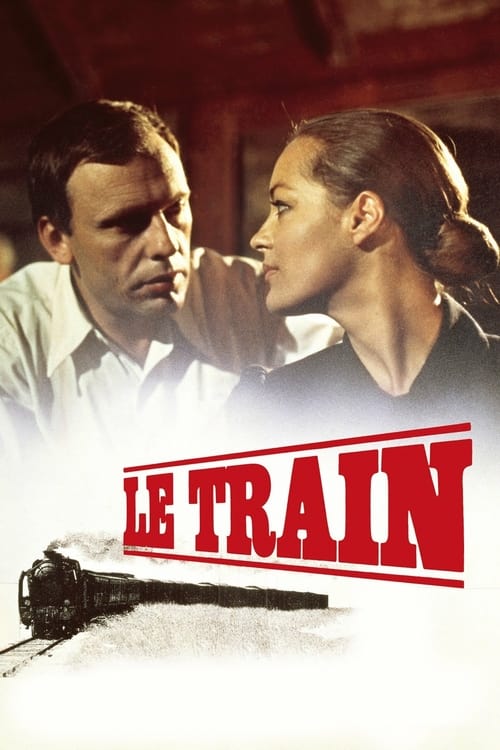
Two people, a Frenchman and a Jewish German woman, meet on a train while escaping the German army entering France.
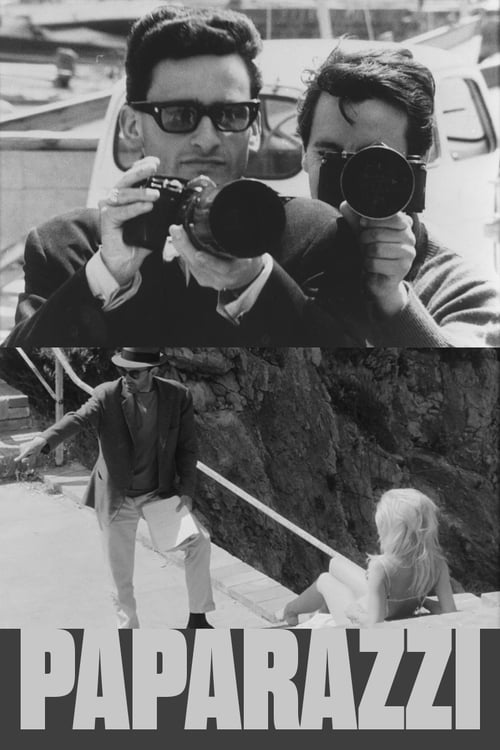
Paparazzi explores the relationship between Brigitte Bardot and groups of invasive photographers attempting to photograph her while she works on the set of Jean-Luc Godard's film Le Mépris (Contempt). Through video footage of Bardot, interviews with the paparazzi, and still photos of Bardot from magazine covers and elsewhere, director Rozier investigates some of the ramifications of international movie stardom, specifically the loss of privacy to the paparazzi. The film explains the shooting of the film on the island of Capri, and the photographers' valiant, even foolishly dangerous, attempts to get a photograph of Bardot.
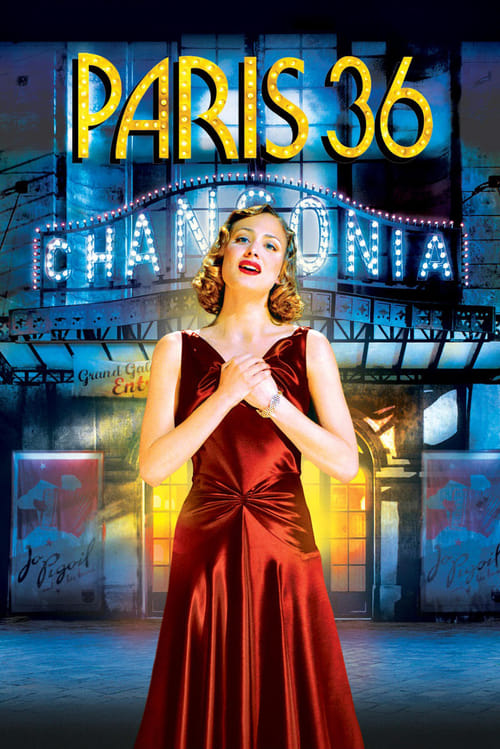
A star is born in a time of both celebration and instability in this historical drama with music from director Christophe Barratier. In the spring of 1936, Paris is in a state of uncertainty; while the rise of the Third Reich in Germany worries many, a leftist union-oriented candidate, Léon Blum, has been voted into power, and organized labor is feeling its new power by standing up to management.
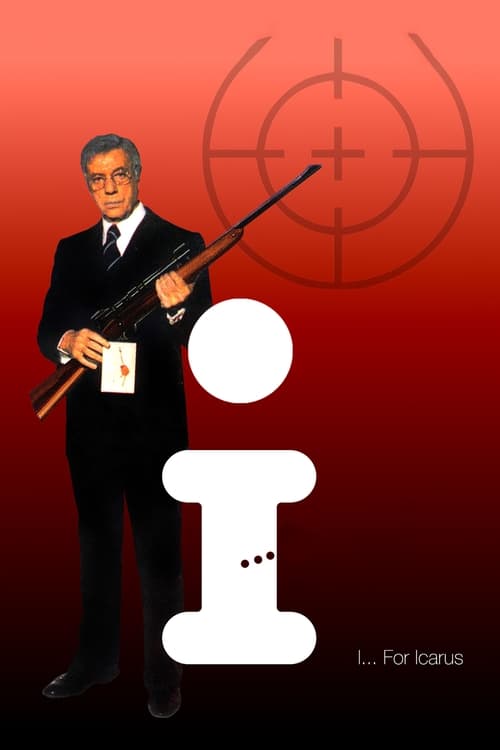
Following the assassination of President Marc Jarry, a member of the investigation committee refuses to sign off on the committee's final findings.
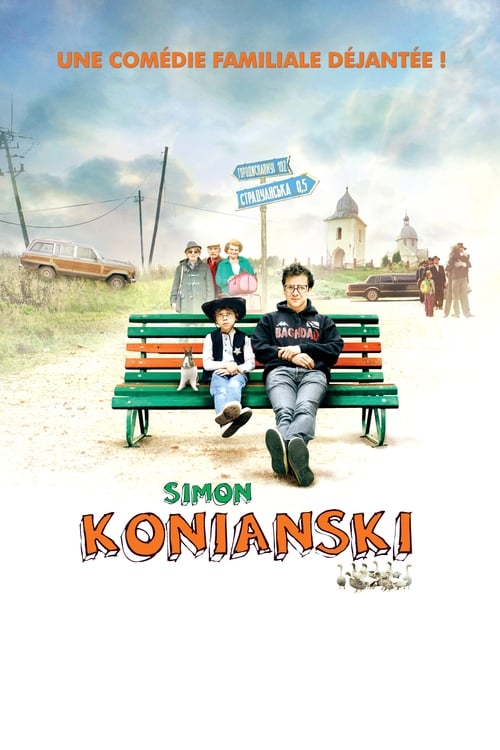
Simon, 35, has returned to live temporarily with his father. They make life unbearable for each other. To add spice to this situation, Uncle Maurice and Aunt Mala, Ernest's brother and sister, meddle in everything and, notably, try to find a "nice little Jewish girl" for Simon to marry. When Ernest passes away, Simon fulfils his father's last request: bury him in the village where he was born, in the depths of Ukraine. And so Simon finds himself caught up in an event-packed road movie in the company of his paranoid old uncle, his aunt who nags him endlessly about his "Goy dancer", his six-years-old son, his father's body and his ghost, and also a rabbit. Not to mention his ex who hassles him by phone. The journey will be nothing like a cruise down the Nile!
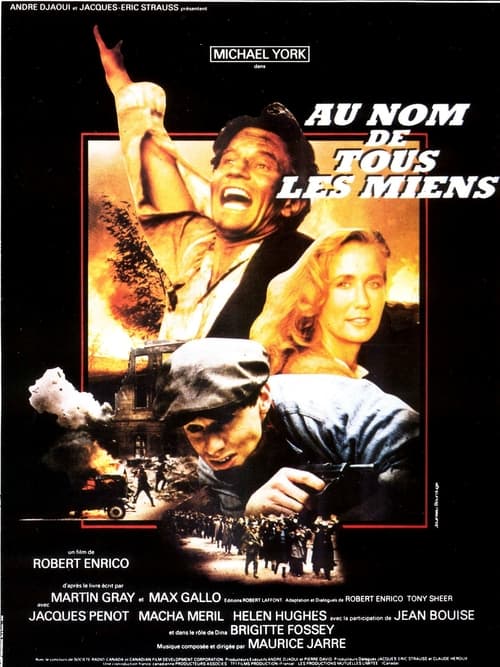
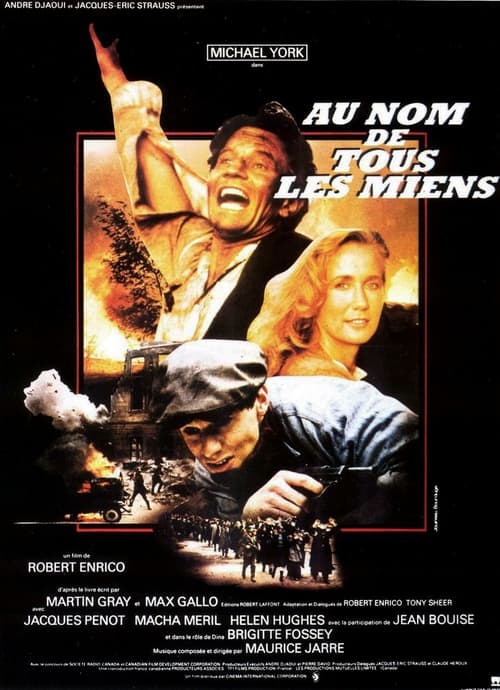
Polish Martin Gray recalls the Holocaust, New York prosperity, and losing his wife and family.
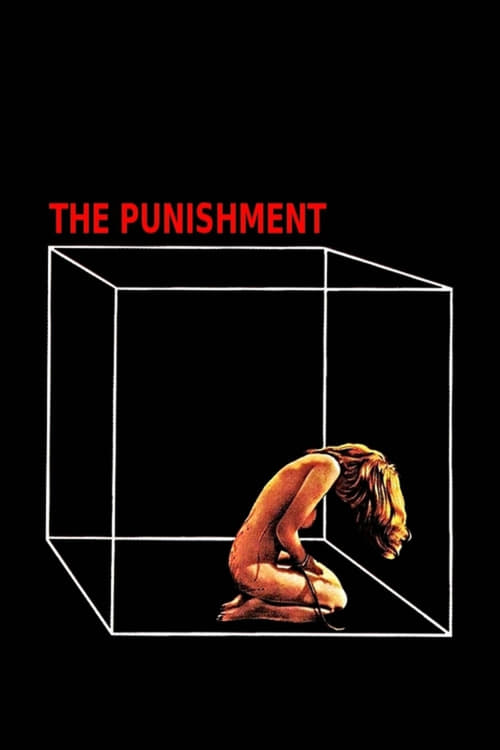
Britt, deluxe call-girl, is punished by the brothel owner because she was not accomodating enough to a customer. From now on, she must obey to all customers sadistic wishes, or else.
Martin Gray, whose life has been marked by tragedy and who has overcome terrible hardships, has decided to share his story.
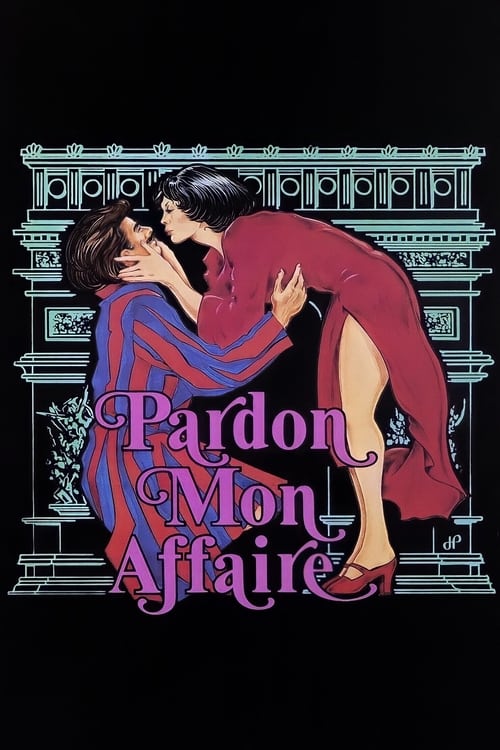
On an otherwise normal day, Étienne, a happily married man and a good father, sees something that stops him dead in his tracks: a gorgeous woman in a billowing red dress. Long after she has left his vision, her memory continues to haunt his mind. He falls instantly in love with her and tries everything to get to know her better. Helping Étienne snare his elusive lady in red are his three bumbling buddies, which all have secret affairs and/or cheat on their wives.
No description available.
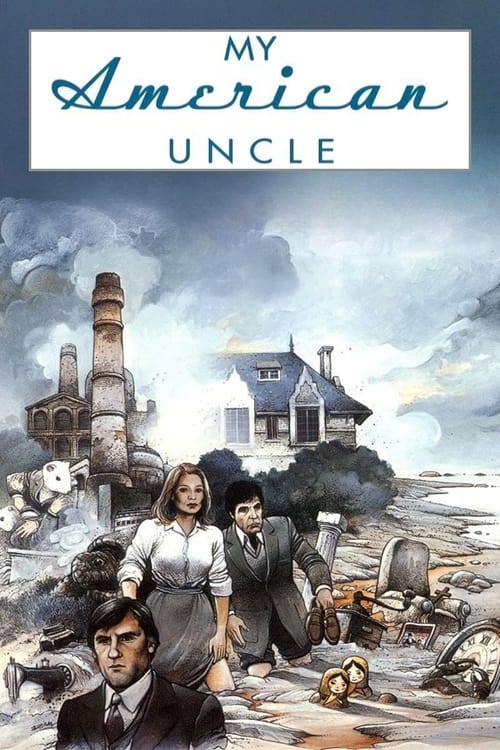
Professor Henri Laborit uses three people's stories to discuss behaviourist theories of survival, combat, rewards and punishment, and anxiety: René is a technical manager at a textile factory and must face the anxiety caused by corporate downsizing; Janine is a self-educated actress/stylist who learns that the wife of her lover is dying and must decide to let them reunite; and Jean is a controversial career-climbing writer/politician at a crossroads in life.
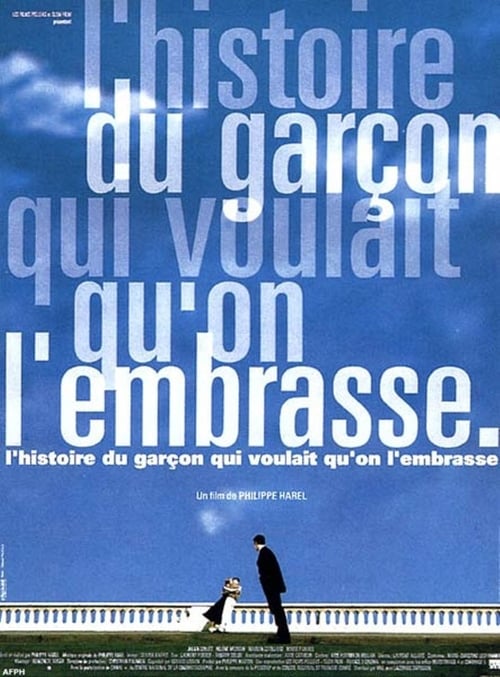
Raoul is a 20 years old student in Paris. Girls are not interested in him, though he is good-looking. He wonders why. Raoul does not look for a great passion, he only wants to be kissed. We will follow his love tribulations.
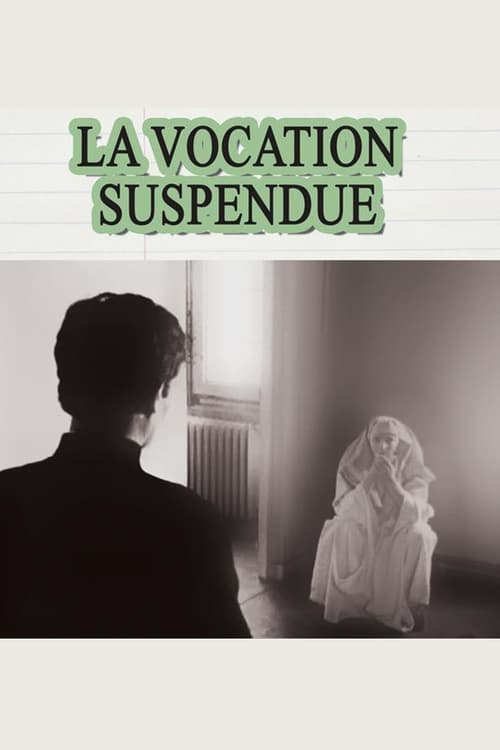
The film centers on a Dominican monk named Jérôme (played by one actor in colour and another actor in black-and-white) and his interactions with various higher-ups within the French Catholic Church. Ruiz's intention was to reflect the ideological arguments that plagued Latin American left-wing political parties.
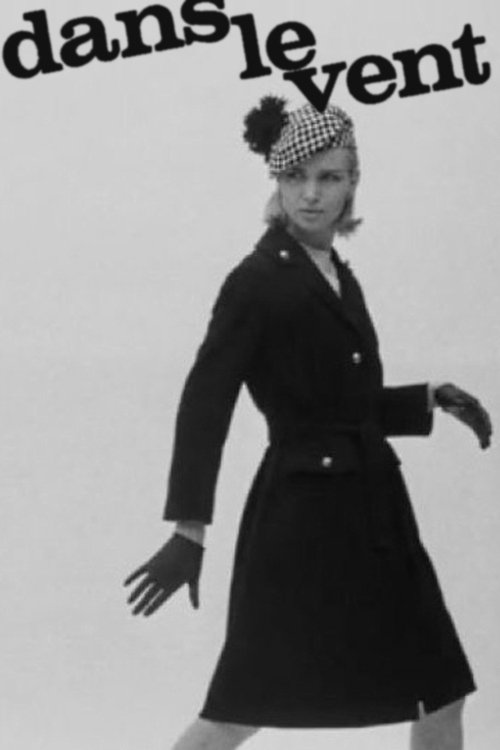
Short subject on how fashion is created-- not by the great couturiers, but on the street.
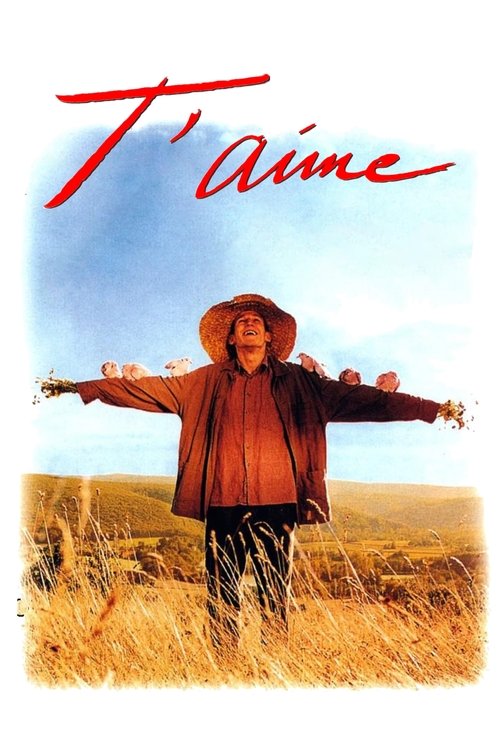
Zef, twenty years old, is a simple-minded man who can only say one word: "love you". Always happy, loving everyone, he lives with his sister Sophie on a farm in the Lot. Attracted by the sad smile of Marie, he rapes her one evening without realizing the gravity of his act. Commited in a psychiatric asylum, Zef falls into a deep silence. Hugues, a doctor with avant-garde methods, is in charge of caring for Marie. He decides to confront her with Zef, convinced that her healing goes through a long reappropriation of life and love.
In this political drama, five left-leaning friends gradually lose heart in the Socialist government elected in 1981 in France. One of the five men is a television broadcaster; the others are a teacher about to become an academic inspector, a tax man, the director of a cultural center, and a sociologist who is about to step into a ministerial position. Their interlocking lives are told in alternating vignettes over a four-year period, and the professions director Jacques Fansten has chosen for his main characters seem to be a comment on the media, education, budget or finance, the arts, and government bureaucracy under Socialist rule.