FEEL IT.STREAM
Roger Blin

Roger Blin

Acting

Biography

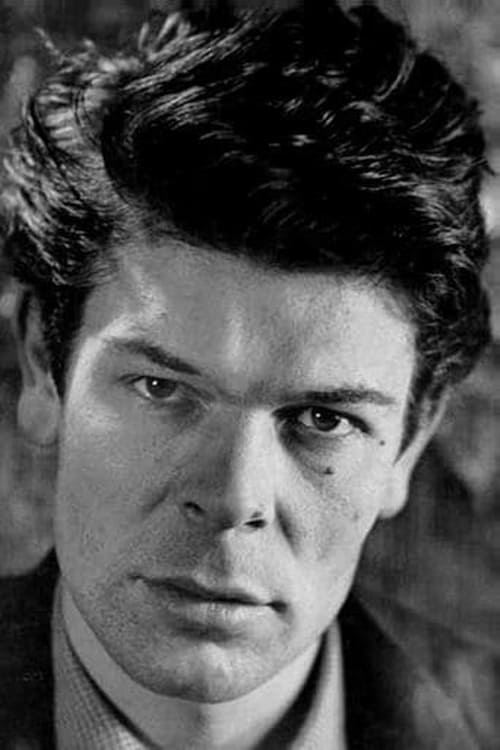
Roger Blin (Neuilly-sur-Seine, France, 22 March 1907 – Évecquemont, France, 21 January 1984) was a French actor and director. He staged world premieres of Samuel Beckett's Waiting for Godot in 1953 and Endgame in 1957. Blin was the son of a doctor; however, despite his father's wishes, Blin forged a career in the theatre. As a teenager he was 'fascinated' by the Surrealists and their conception of revolutionary art. He was initially part of the left-wing theatre collectives The Company of Five and The October Group. In 1935 Blin served as Antonin Artaud's assistant director for his production of Les Cenci [The Cenci] at the Folies-Wagrams theatre in 1935. Following his work with Artaud, Blin focused on 'political street-theatre.' During the war, Blin was a liaison between the Resistance and the French Army. His extensive career as both director and actor in both film and theatre has been largely defined by his work and relationship with Artaud, Samuel Beckett and Jean Genet. In addition to being a close friend and confidant of Artaud during the latter's nine years of internment, he directed the first performances of Beckett's Waiting For Godot, Happy Days and Endgame as well as directing the initial performance of Genet's The Blacks and the controversial The Screens. Genet's key correspondences to Blin have been published by Editions Gallimard. The 1986 Faber and Faber publication, "Samuel Beckett: The Complete Dramatic Works" carries only three dedications from Beckett: "Endgame" is dedicated to Blin, while "Come and Go" is for John Calder, and "Catastrophe" is for Václav Havel. Source: Article "Roger Blin" from Wikipedia in English, licensed under CC-BY-SA 3.0.
Known For

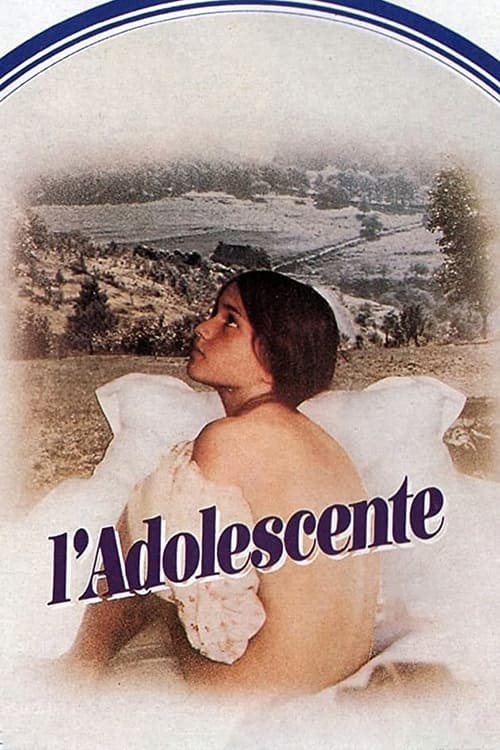
The Adolescent
4.5

In the summer of 1939, 13-year-old Marie goes with her parents to visit her grandparents in a small town near Avignon. Marie discovers her femininity and falls for a young Jewish doctor, but he prefers Eva, Marie's mother.

The Adolescent

1979
The Hunchback of Notre Dame
6.7

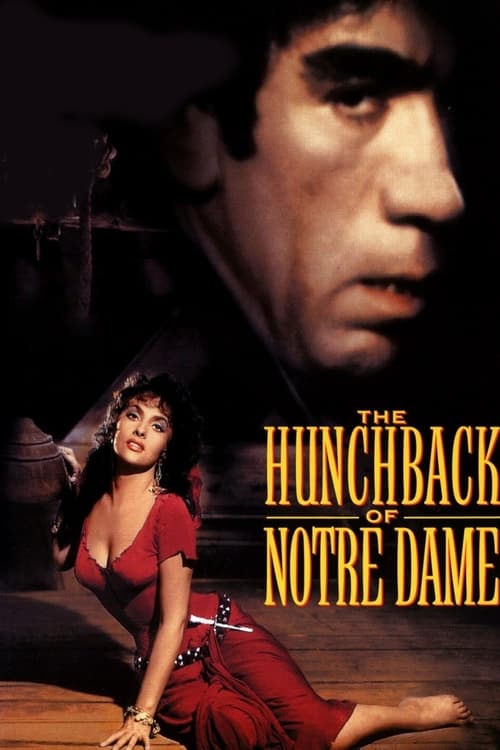
Paris, 1482. Today is the festival of the fools, taking place like each year in the square outside Cathedral Notre Dame. Among jugglers and other entertainers, Esmeralda, a sensuous gypsy, performs a bewitching dance in front of delighted spectators. From up in a tower of the cathedral, Frollo, an alchemist, gazes at her lustfully. Later in the night, Frollo orders Quasimodo, the deformed bell ringer and his faithful servant, to kidnap Esmeralda. But when the ugly freak comes close to her is touched by the young woman's beauty...

The Hunchback of Notre Dame

1956
Orpheus
7.6

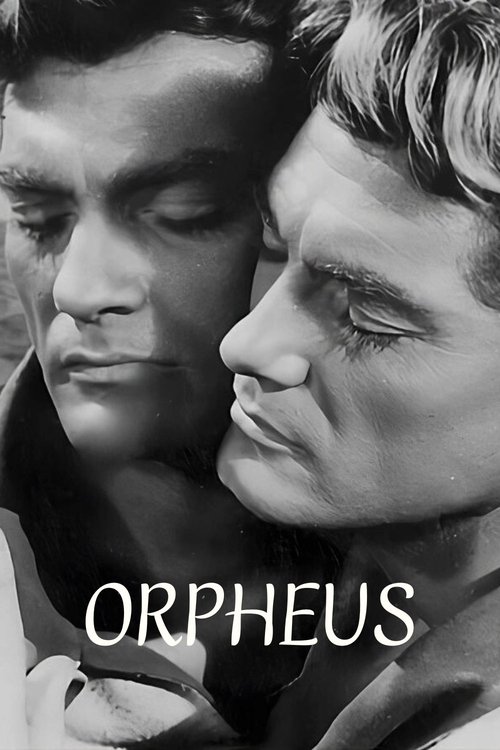
A famous poet in postwar Paris, scorned by the Left Bank youth, is in love with both his wife Eurydice and a mysterious princess. Seeking inspiration, the poet becomes obsessed and follows the princess from the world of the living to the land of the dead.

Orpheus

1950
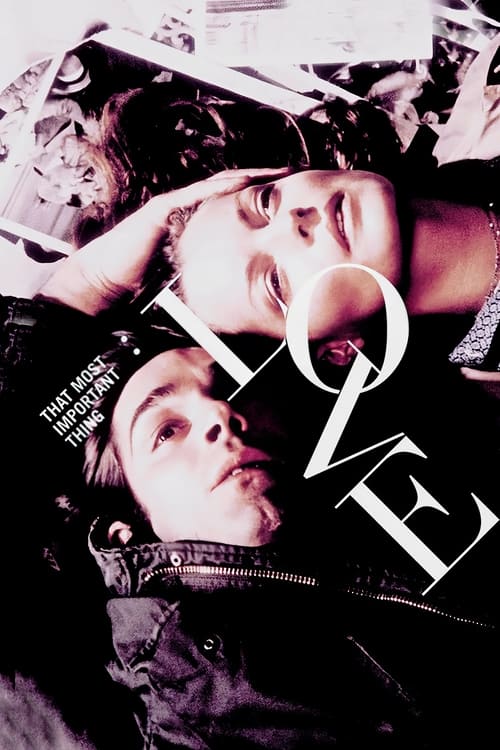
That Most Important Thing: Love
7.0

Servais Mont, a freelance photographer who works taking compromising photos, gets fascinated by Nadine Chevalier, a tormented low-budget movie actress married to an eccentric film photo collector.

That Most Important Thing: Love

1975
Le Corbeau
7.5

Remy Germain is a doctor in a French town who becomes the focus of a vicious smear campaign, as letters accusing him of having an affair and performing unlawful abortions are mailed to village leaders. The mysterious writer, who signs each letter as "Le Corbeau" (The Raven) soon targets the whole town, exposing everyone's dark secrets.

Le Corbeau

1943
Paris Blues
6.5

During the 1960s, two American jazz musicians living in Paris meet and fall in love with two American tourist girls and must decide between music and love.

Paris Blues

1961
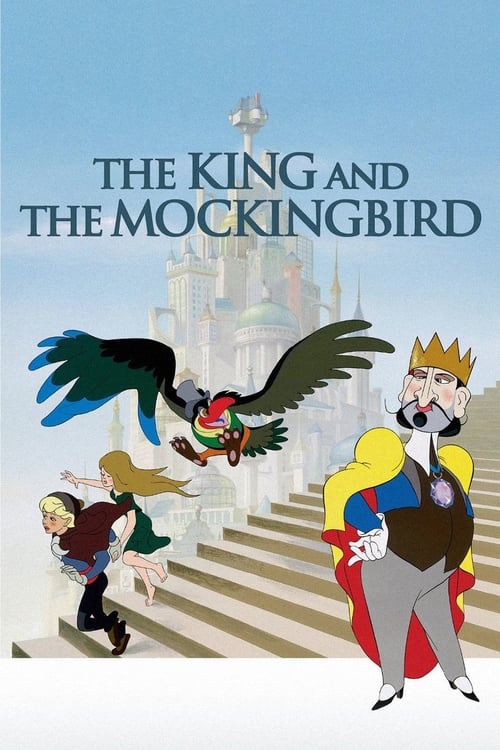
The King and the Mockingbird
7.8

A young shepherdess and a chimneysweep plan to get married and escape the clutches of a tyrannical king in love with her, assisted by the guile of a cheeky mockingbird, the king's archenemy.

The King and the Mockingbird

1980
The Devil's Envoys
6.8

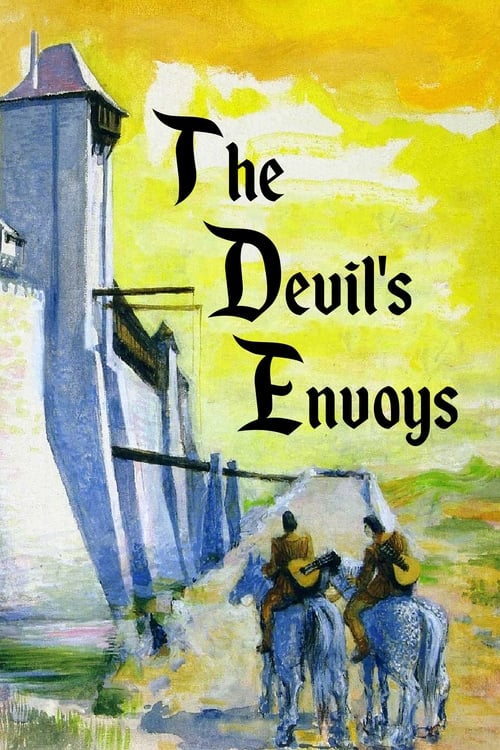
At the end of the 15th century, a man and a woman, posing as traveling minstrels, are sent by the Devil to a castle to seduce its inhabitants.

The Devil's Envoys

1942
Jenny
6.1

When her fiancé breaks off their engagement, Danielle leaves London and returns to her mother, Jenny, in Paris. With her business partner Benoît, Jenny runs what appears to be a respectable nightclub – it is in fact a place where wealthy men can buy the favours of attractive young women. Oblivious to her mother's professional and personal life, Danielle meets a handsome young man named Lucien, and falls in love with him – not realising that he is Jenny's lover...

Jenny

1936
Volpone
6.8

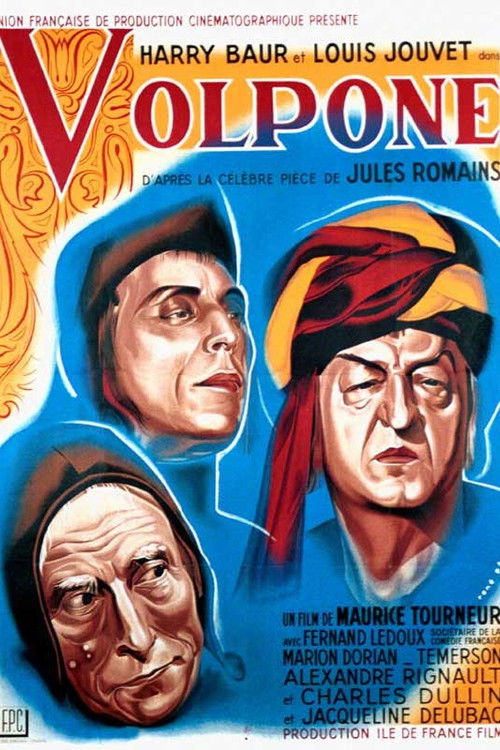
Volpone, an elderly Venetian, connives with his money-crazed servant to convince his greedy friends that he is dying, knowing that each will try to curry favor with him in order to be named his heir. He is inundated with valuable gifts, and soon finds himself entangled deeper and deeper in a web of lies.

Volpone

1941
Aloïse
6.2

Aloise creates a series of haunting drawings while she is incarcerated in an institution for the insane in turn-of-the-century Switzerland. She endures torments as a musically gifted girl and later as a young woman; her developing madness and the barbaric treatments of the time are shown.

Aloïse

1975
Unusual Tales
7.2

A group of policemen look over three murder cases including a cutthroat that prays on young women, a madman that hid his deformed landlord's corpse in the floor, and a wine aficionado who buries his friend alive.

Unusual Tales

1949
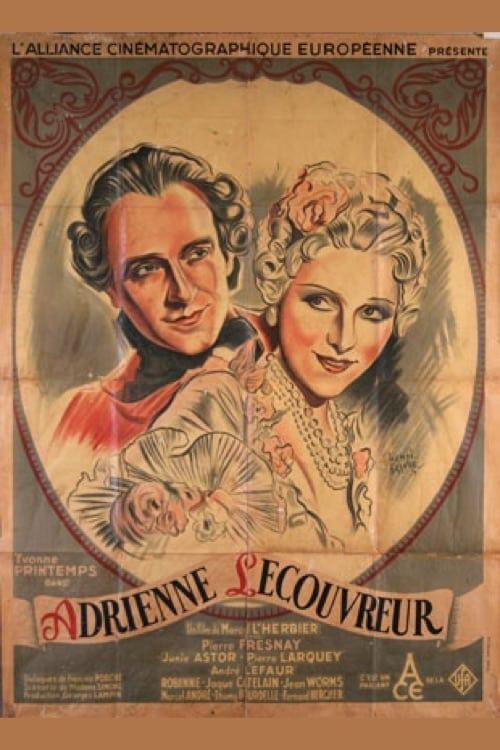
Adrienne Lecouvreur
5.7

Adrienne Lecouvreur is an acclaimed actress who falls in love with Polish prince Maurice de Saxe, only to be poisoned by a jealous rival while Maurice is away at war. The film was a co-production between the two countries, and was made at UFA's Berlin Studios. It was based on the 1849 play Adrienne Lecouvreur by Eugène Scribe and Ernest Legouvé about the life of the eighteenth century actress Adrienne Lecouvreur.

Adrienne Lecouvreur

1938
Colonel Chabert
6.9

The story of a French officer who is assumed dead during the Napoleonic Wars, but returns ten years later to a very different France, both on a political and personal level. The film is based on the novel Colonel Chabert by Honoré de Balzac.

Colonel Chabert

1943
Le Fantôme de Laurent Terzieff
6.0

Laurent Terzieff was more than a good actor, after having been a real "star" in the cinema, through his professional choices, he gradually became a real "conscience of the theater", so much had he thought about his art. He received six Molière awards and was always unanimously praised by his peers. “THE GHOST OF LAURENT TERZIEFF” is a daring portrait, as it explores in depth “the secrets of a soul” and the atypical journey of the actor.

Le Fantôme de Laurent Terzieff

2020
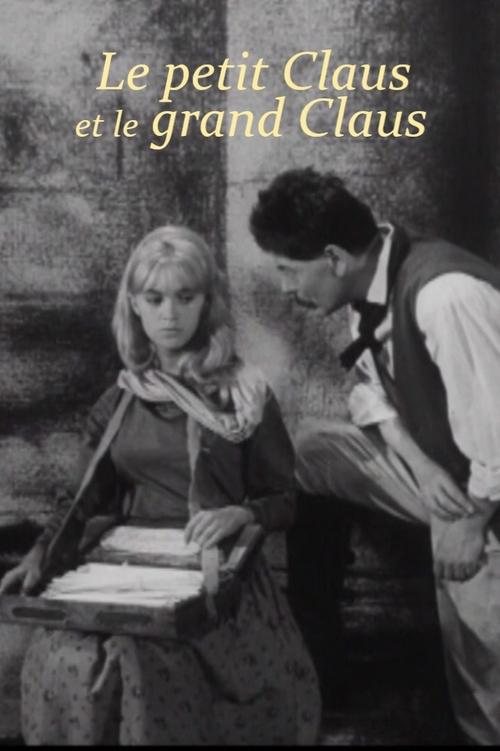
Little Claus and Big Claus
7.0

Once upon a time there lived in the same village two men bearing the very same name. One of them chanced to possess four horses, the other had only one horse, so, by way of distinguishing them from each other, the proprietor of four horses was called "Great Claus," and he who owned but one horse was known as "Little Claus"...

Little Claus and Big Claus

1964
The Life and Loves of Beethoven
6.8

Lyrical biography of the classical composer, depicted as a romantic hero, an accursed artist.

The Life and Loves of Beethoven

1937
The Curious Adventures of Mr. Wonderbird
7.2

A chimney sweep and his beloved shepherdess are aided by Wonderbird in their escape from a ruthless dictator

The Curious Adventures of Mr. Wonderbird

1953
The Curtain Rises
7.8

1938, France, Paris, at the Superior Conservatory of Dramatic Art ("Conservatoire Supérieur d'Art Dramatique"). The first-year entrance exams are in full swing. Many applicants, few accepted. Isabelle (Janine Darcey) is one of the few chosen. She joins former students from the second and third years, including François (Claude Dauphin) and Cécilia (Odette Joyeux). They attend the drama class run by Professor Lambertin (Louis Jouvet). The young people, passionate and eager to become comedians, clash in tumultuous love affairs, because by dint of acting, they imagine that life is a farce. François, for example, is in love with Isabelle, who also loves him, but is pursued by Cecilia, his former mistress... "Put art in your life and life in your art!"

The Curtain Rises

1938
Life Is Ours
6.4

A propaganda film of the communist party of France, showing how the comrades help the proletariat against the capitalists.

Life Is Ours

1936