Julie Martin
Acting
Known For
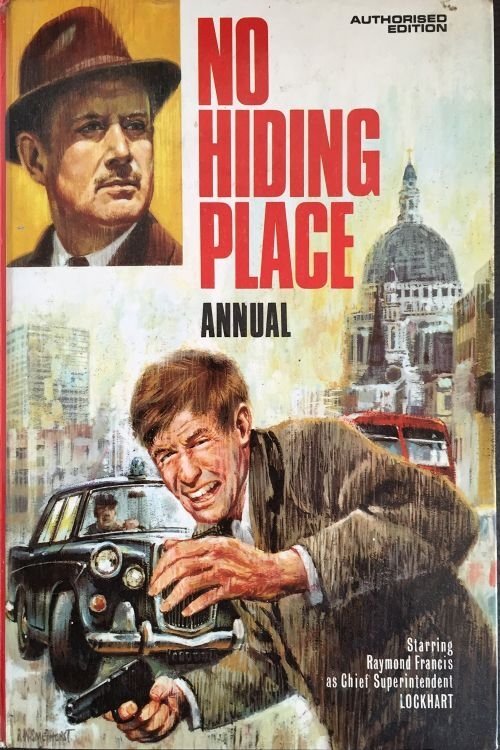
No Hiding Place is a British television series that was produced at Wembley Studios by Associated-Rediffusion for the ITV network between 16 September 1959 and 22 June 1967. It was the sequel to the series Murder Bag and Crime Sheet, all starring Raymond Francis as Detective Superintendent, later Detective Chief Superintendent Tom Lockhart.
No Hiding Place
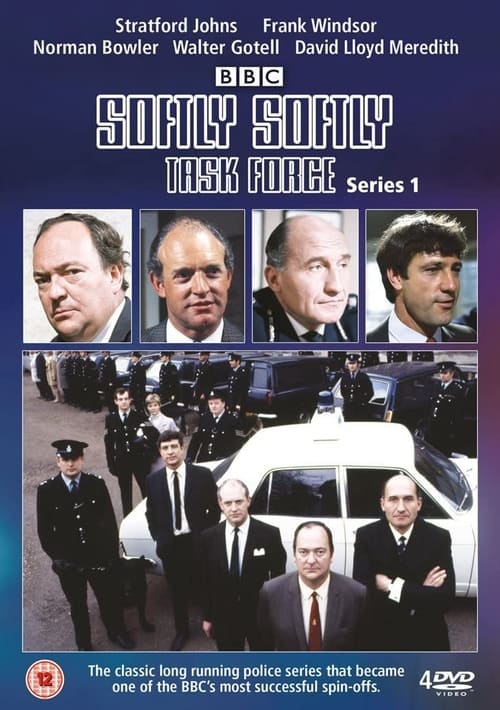
Softly, Softly is a British television drama series, produced by the BBC and screened on BBC 1 from January 1966. It centred around the work of regional crime squads, plain-clothes CID officers based in the fictional region of Wyvern, supposedly in the Bristol area of England.
Softly, Softly
An anthology of single plays offering up adaptations of either of prominent stage plays or novels.
Festival
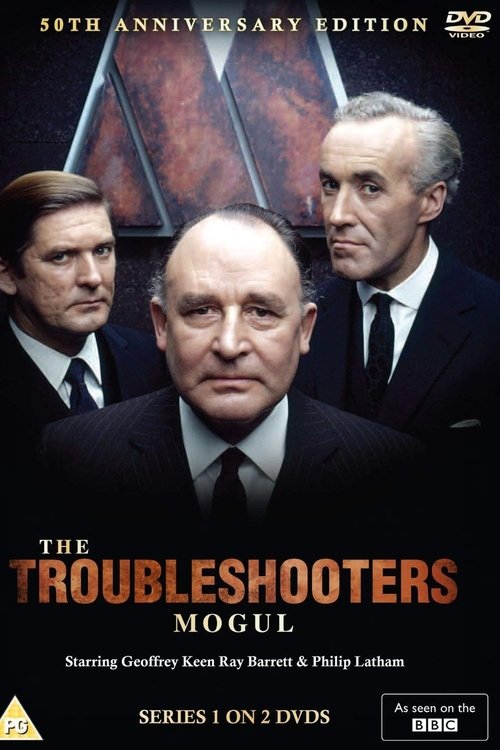
The Troubleshooters is a British television series made by the BBC between 1965 and 1972, created by John Elliot. During its run, the series made the transition from black and white to colour transmissions. The series was based around an international oil company – the "Mogul" of the title. The first series was mostly concerned with the internal politics within the Mogul organisation, with episodes revolving around industrial espionage, internal fraud and negligence almost leading to an accident on a North Sea oil rig.
The Troubleshooters
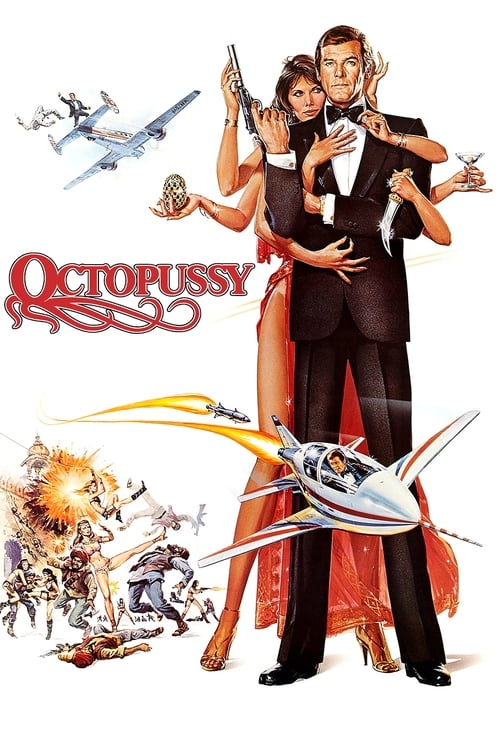
James Bond is sent to investigate after a fellow “00” agent is found dead with a priceless Indian Fabergé egg. Bond follows the mystery and uncovers a smuggling scandal and a Russian General who wants to provoke a new World War.
Octopussy

Comedy Playhouse is a long-running British anthology series of one-off unrelated sitcoms that aired for 120 episodes from 1961 to 1975. Many episodes later graduated to their own series, including Steptoe and Son, Till Death Us Do Part, All Gas and Gaiters, The Liver Birds, Are You Being Served? and Last of the Summer Wine, which is the world's longest running sitcom, having run from January 1973 to August 2010.
Comedy Playhouse
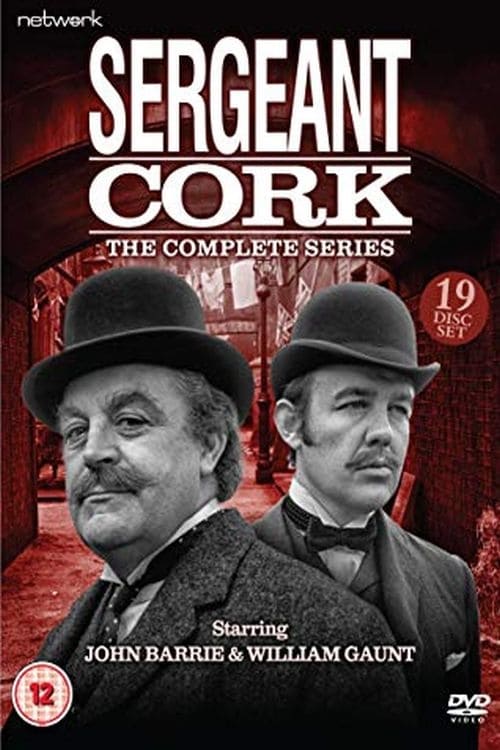
Sergeant Cork is a British detective television series which first aired between 1963 and 1968 on ITV. It was a police procedural show that followed the efforts of two police officers and their battle against crime in Victorian London. In all 66 hour-long episodes were aired during the five-year run, although the last episode was not broadcast until January 1968, 16 months after the others. Journalist Tom Sutcliffe has credited it as a first example of the use of the Victorian-era policeman in a television crime series. A 1969 review in The Age opined that rather than suspense, the strengths of the series were its "excellent period settings and wonderfully thick pea-soupers" which "add up to splendid evocative stuff", as well as the performance of star John Barrie. At no time during the whole series is Sergeant Cork's first name given.
Sergeant Cork
A depiction of the conflict between King Henry VIII of England and his Lord Chancellor, Sir Thomas More, who refuses to swear the Oath of Supremacy declaring Henry Supreme Head of the Church in England.
A Man for All Seasons
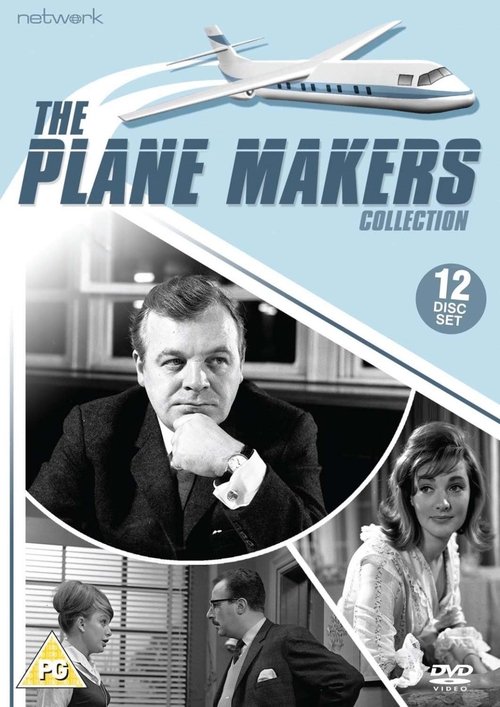
The Plane Makers is a British television series created by Wilfred Greatorex and produced by Rex Firken. ATV made three series for ITV between 1963 and 1965. It was succeeded by The Power Game, which ran for an additional three series from 1965 to 1969. Firkin continued as producer for the first two series, and David Reid took over for series 3.
The Plane Makers

A.T.V's hour-long drama series. Crime of Passion is based on true cases. The series, written by Lord Ted Willis and set in modern France, contains six love stories that do not end happily, but in violence and death. The action of each play moves between the courtroom at the trial and flashbacks, which show the events leading up to the crime.
Crime of Passion
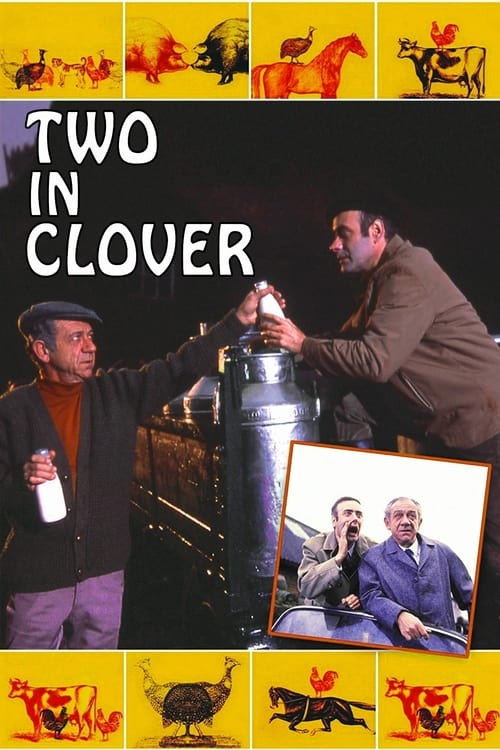
Two in Clover is a British sitcom produced by Thames Television for two series from 1969 to 1970 on ITV. It starred Sid James and Victor Spinetti and was written by Vince Powell and Harry Driver, and produced and directed by Alan Tarrant. The first series was made in black and white and the second series was made in colour. Frustrated office workers Sid Turner and Vic Evans decide to leave behind their nine-to-five lifestyle for the simpler life of living in the countryside and running a farm.
Two in Clover
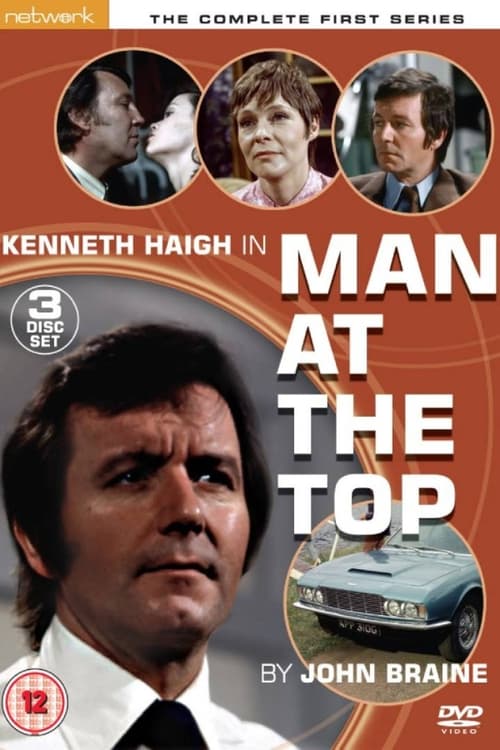
Man at the Top was a British television series originally aired on ITV lasting for 23 episodes between 1970 and 1972 . The series depicted the character of Joe Lampton, the protagonist of John Braine's novel Room at the Top and two films Room at the Top and Life at the Top. In 1973 a spin-off film from the series, Man at the Top, was released.
Man at the Top
Alcock and Gander is a British sitcom that aired on ITV in 1972. Starring Beryl Reid and Richard O'Sullivan, it lasted for one series. It was written by Johnnie Mortimer and Brian Cooke, who later wrote Man About the House, where O'Sullivan was the lead male character. It was made for the ITV network by Thames Television.
Alcock and Gander
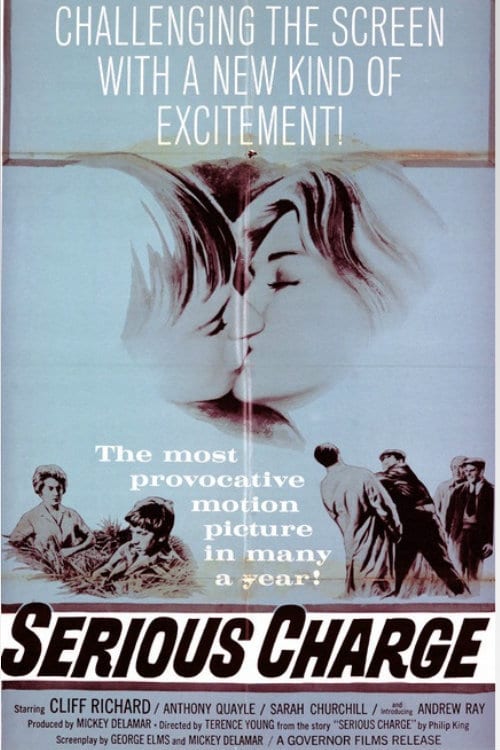
Howard Phillips, a vicar who's new in the town of Bellington, wants to reach out to youth. The previous vicar's daughter, Hester Peters, who fears being a spinster, wants to be his wife. He tells her he's not interested. When he confronts a tough kid about something the youth has done, the lad sets out to frame the vicar. Hester, who's walked in on the confrontation, backs the youth's story. The town sides with her and the lad, turning against Phillips. He has a crisis of faith. What options does he have; can no one help him, his reputation, or his calling?
Serious Charge
A teacher with an interest in the feminine form visits a nudist camp, and then dreams of naked women.
Pussy Galore
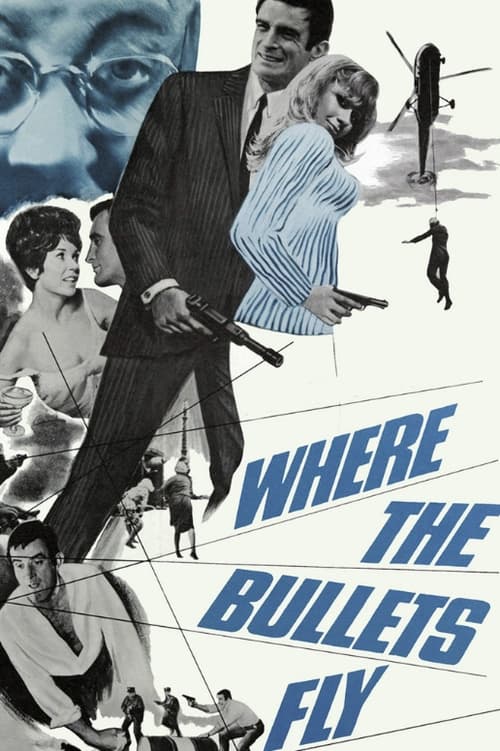
In a spoof of the spy genre a secret agent chases a missing formula that can drain nuclear energy from an element named Spurium,
Where the Bullets Fly
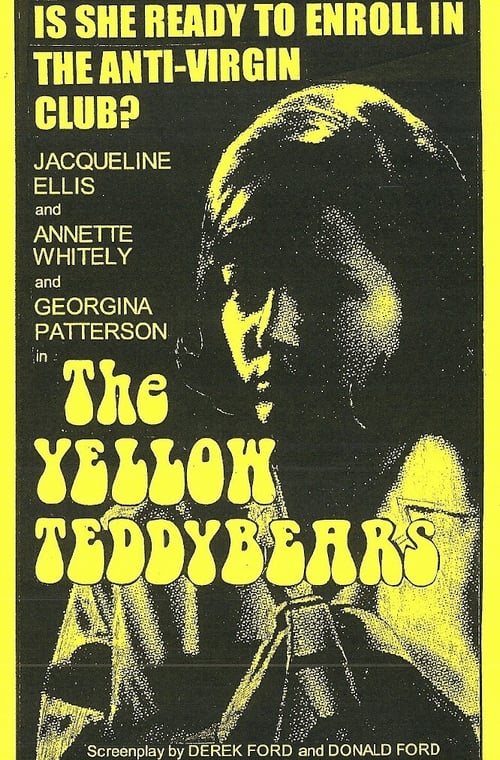
A clique of girls in an English school wear a small yellow teddy bear on their uniform to signify that they have lost their virginity. Linda, the girls' leader, fears she may be pregnant from her window cleaner boyfriend, "Kinky", an aspiring pop singer. Desperate, and unable to confide in her parents, she must wrestle with her conscience and decide what course of action to take. Meanwhile, a concerned teacher learns the significance of the yellow teddy bears, and in trying to help the girls in question, puts her own career in jeopardy.
The Yellow Teddy Bears
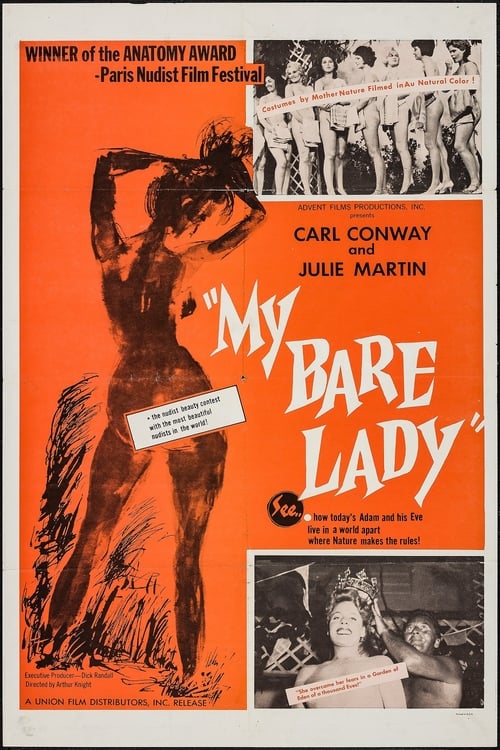
Tina is horrified when she crashes her bicycle into a pond and is rescued from drowning and taken to a nudist camp by her rescuer to recover, but naturist bliss and true love await.