Acting
Annabella, Jean Gabin and Fernand Gravey star as a trio of circus trapeze artists. Both Gabin and Gravey love Annabella, but she has eyes only for Gravey. Seething with jealousy, Gabin plots revenge against his rival. He "accidentally" drops Gravey into a net during rehearsal -- but does he plan to do the same during a performance, when the trio works without a net?
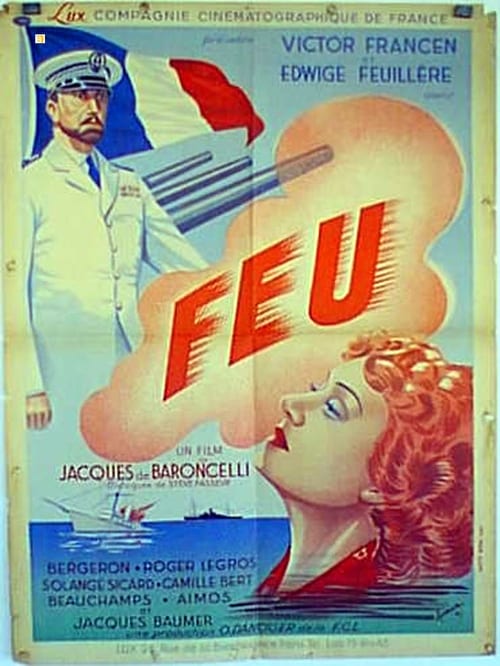
During the Rif War, a lieutenant commands a torpedo boat. He finds in an abandoned yacht, a beautiful portrait of a woman, and soon meets this one who is married to a brutal and jealous baron.
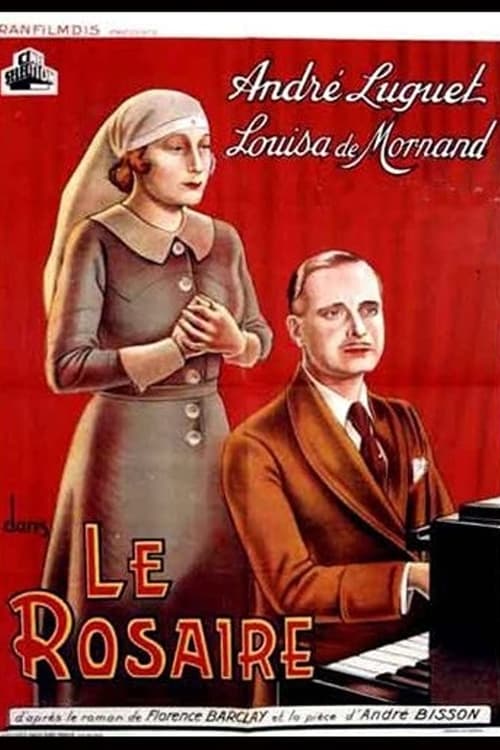
A beautiful and serious woman renounces the love that inspires her Gerard, a man younger than her. Later, Gerard having become blind, she takes the place of the nurse, then confesses her identity to the cripple who opens his arms to her.
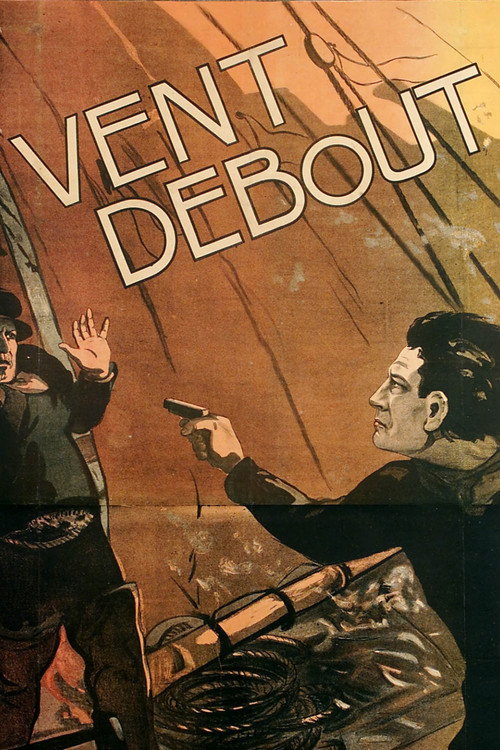
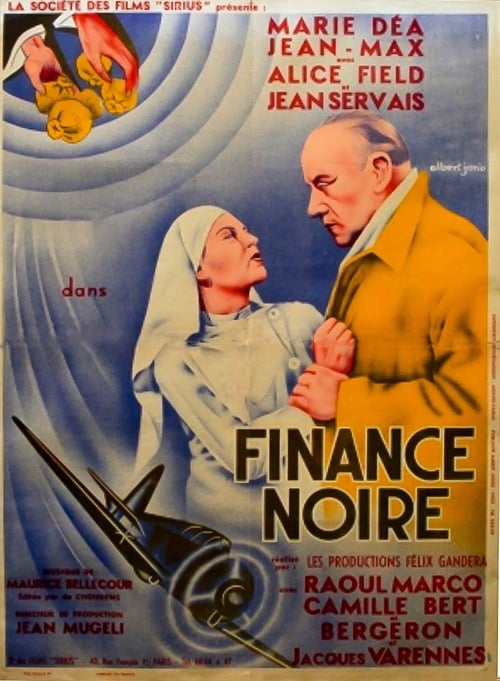
Jacques Averil leads an idle life which plunges him into weariness and melancholy. When he learns of the suicide of his father, a banker ruined by dark speculation in Icelandic minerals, he decides to take charge. An old friend of his father offers him the opportunity to join as a sailor.
In Central Europe, an organization of counterfeiters is headed by Burcq. An Air France pilot introduces an intelligence agent to the principality. A woman, Helene, betrays them first, then in love with Francois, the pilot, helps the two friends to escape.
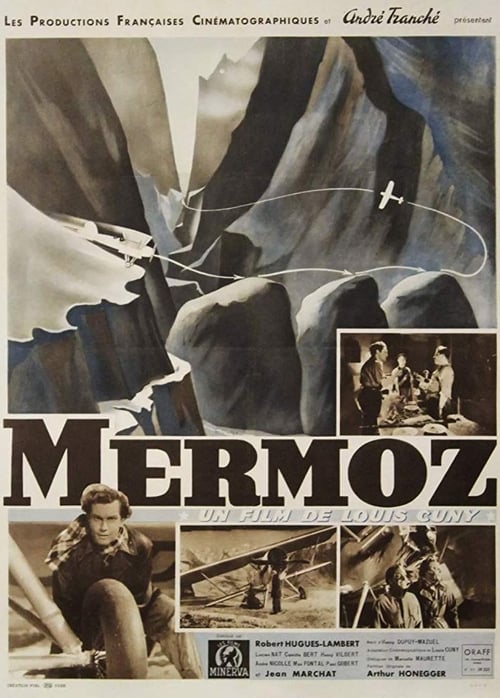
Biography and apology of the famous pilot, nicknamed by some the Archangel, who organized the airmail network of South America, flew the first over the Andes Cordillera, maintained the mystique of the South Atlantic, militated in the Crosses of Fire and perished at the controls of "La Croix du Sud" during its twenty-fourth crossing.
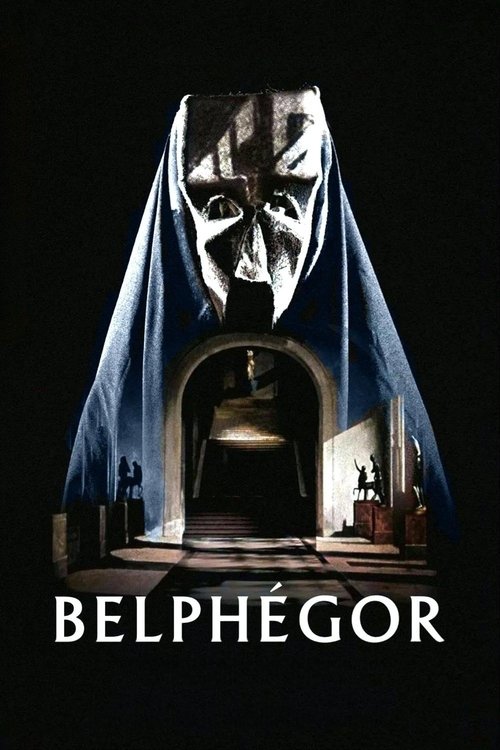
Belphégor deals with a series of mysterious appearances by a masked-and-robed figure in the Louvre; a security guard is murdered, and a later police trap is foiled when the phantom—“Belphégor” (the name of a legendary demon)—uses knock-out gas. Journalist Jacques Bellegarde of “Le Petit Parisien” (the real-life newspaper which published the original story in serial installments), investigates, and eventually discovers famous detective Chantecoq and his vivacious daughter Colette are also on the case.
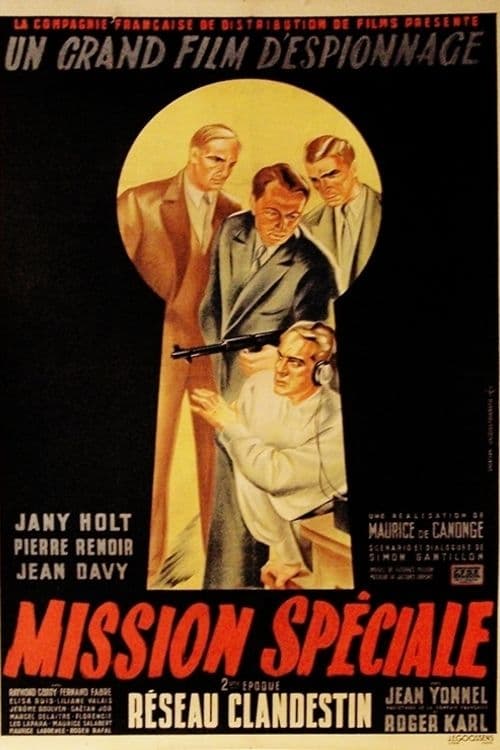
The exploits of Chief Police Inspector Chabrier, first before the invasion of France in May 1940 as he fights against spies preparing the coming the Germans, particularly Emmy de Welder, the alleged manager of the Rouen hospital. Later, Chabrier and his men go underground and resist the occupiers whatever the price to pay. When the Liberation comes Chabrier resumes his activities at the French National Police.
No description available.
Filmed in French Morocco, Itto's dialogue is spoken primarily in the tribal Chleuh language. The jingoistic story concerns a series of clashes between French occupational forces and a rebellious Chleuh chieftain. Itto (Simone Berriau), chief's daughter, becomes embroiled in a romance with a Moroccan tribesman who has gone over to the French side. It is implied in Itto that it's okay to betray one's own people if it will preserve French colonialism in Africa. To modern viewers, the rampant chauvinism in Itto is a difficult pill to swallow.
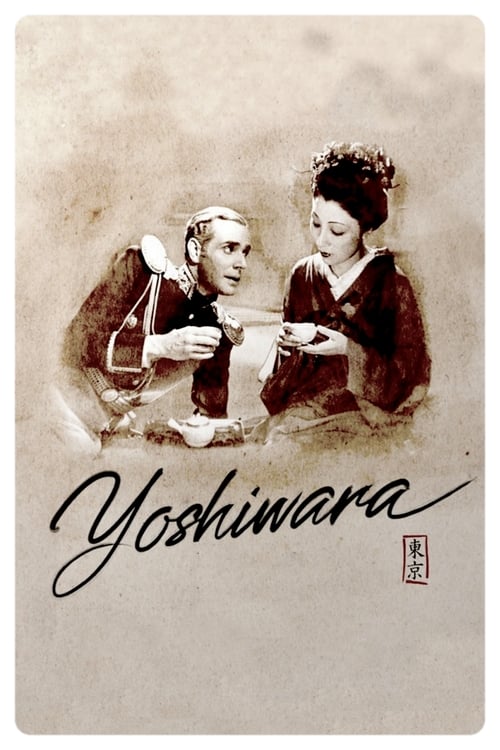
Based on a novel by Maurice Dekobra, the film is set in Yoshiwara, the red-light district of Tokyo, in the nineteenth century. It depicts a love triangle between a high-class prostitute, a Russian naval officer, and a rickshaw man.
Inhabitants of a flophouse struggle to survive under the harsh treatment imposed by the landlord, Kostyleva. One resident, young thief Wasska Pepel, ends his affair with the landlord's wife, Vassilissa, and takes up with her sister, Natacha. Pepel also befriends the baron, a former nobleman fallen on hard times, but Pepel's attempts at happiness are complicated when he's accused of murder by a spiteful Vassilissa.
In 1914, in the first months of World War I, Louise Jarraud loses her husband, killed on the front. Shortly after, she gives birth to a baby, who soon dies. Devastated by this double misfortune, Louise decides to dedicate her life to caring for the children of others. She becomes a nurse with several employers, giving her affection to little boys or girls. A widower and another man propose to her but she refuses twice determined as she is to live only for the children in her charge.
During a transvestite ball, a young provincial meets Fanny Legrand. A great love is born between them. Later, the young man learns that Fanny was a great coquette. He leaves her, he comes back, he forgives. But when he embarks for America, Fanny does not follow him.
The life of Thérèse Martin, who entered the Carmel at the age of 15, in 1888, under the name of Sister Thérèse of the Child Jesus, died nine years later, and canonized in 1925.
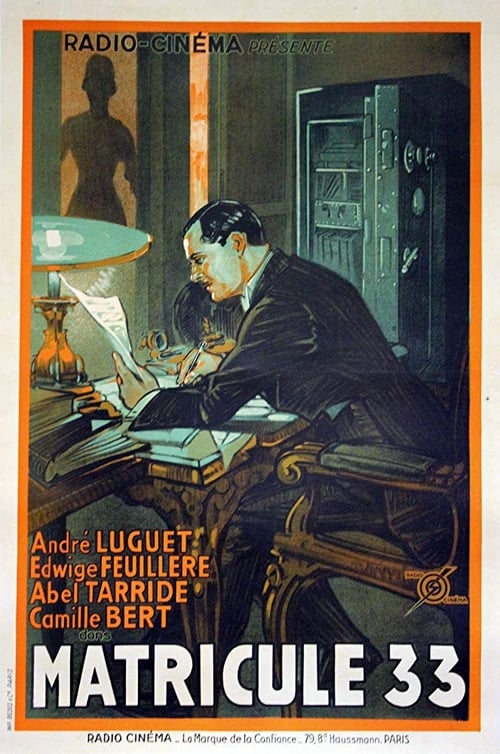
In 1917, a French deserter entered the service of German counterintelligence, but Villard (number 33) was a real French spy. Discovered, he is saved by a German spy who betrays her country for love.
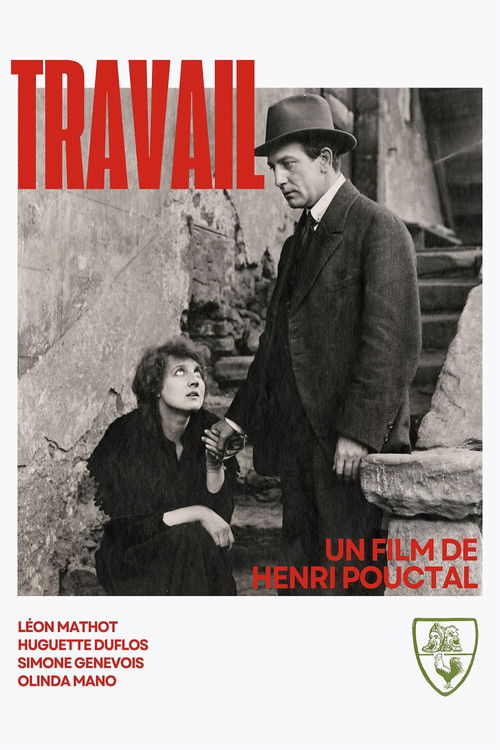
Luc Froment, a reform-minded engineer, starts working at a steel mill in a small town. There he founds small groups of workers (and their families) under miserable conditions. Under the influence of Fourier's ideas, Froment tries to turn the mill into a workers' co-operative.
Pierre Buxeuil is better known as the popular clown Bux. One day, he falls in love with Nicole, a romantic but whimsical young lady. He soon elopes her and the beautiful Nicole follows him, persuaded that she will love circus life. Unfortunately for Bux she does not and she leaves him as a result. After a few other disappointments due to false accusations, Bux finally marries a kind-hearted circus acrobat and pursues a successful career under the big top.