Georges Rivière
Acting
Biography
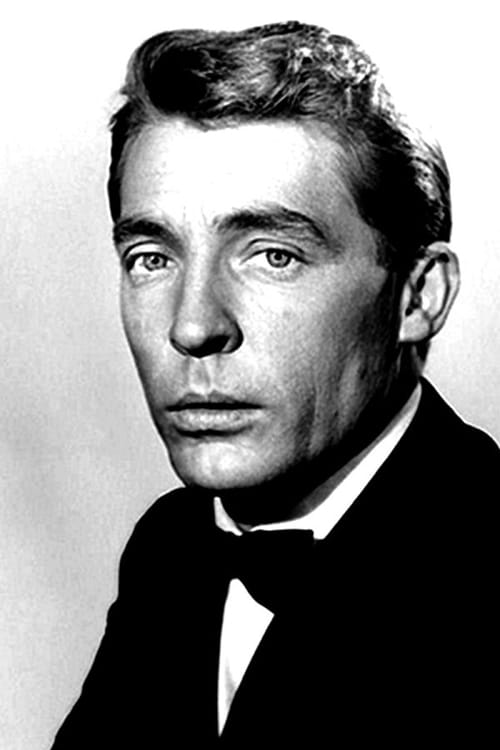
Georges Aristide Claude Félix Rivière (born 1 July 1924) is a French retired actor who worked in Argentine cinema in the 1950s. He appeared in nearly 50 films between 1948 and 1970.
Known For

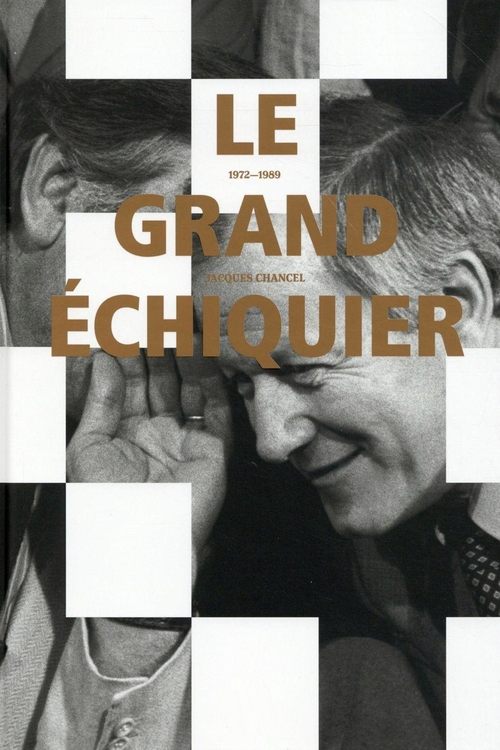
Le Grand Échiquier is a French variety television program created and presented by Jacques Chancel. It aired at 8:30 pm on the first channel of the ORTF from January 12, 1972 to July 12, 1972, then on the second color channel of the ORTF from September 1972 to December 1974, and finally on Antenne 2 from January 1975 to December 21, 1989. The program returned to France 2 on December 20, 2018 and is hosted by Anne-Sophie Lapix.
Le Grand Échiquier

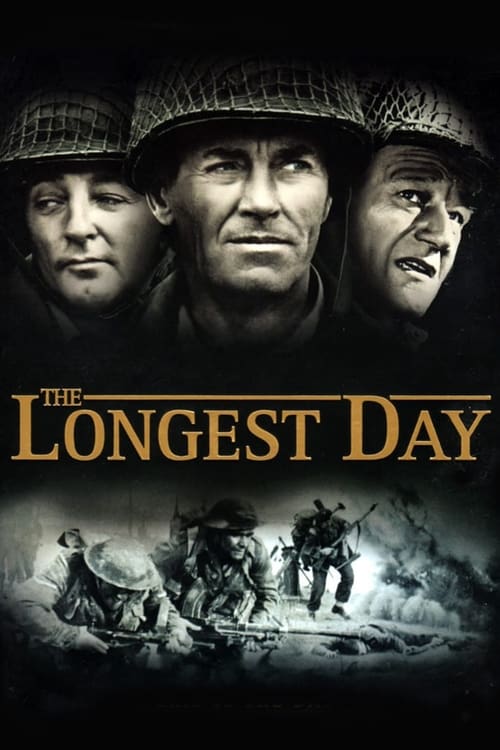
The retelling of June 6, 1944, from the perspectives of the Germans, US, British, Canadians, and the Free French. Marshall Erwin Rommel, touring the defenses being established as part of the Reich's Atlantic Wall, notes to his officers that when the Allied invasion comes they must be stopped on the beach. "For the Allies as well as the Germans, it will be the longest day"
The Longest Day

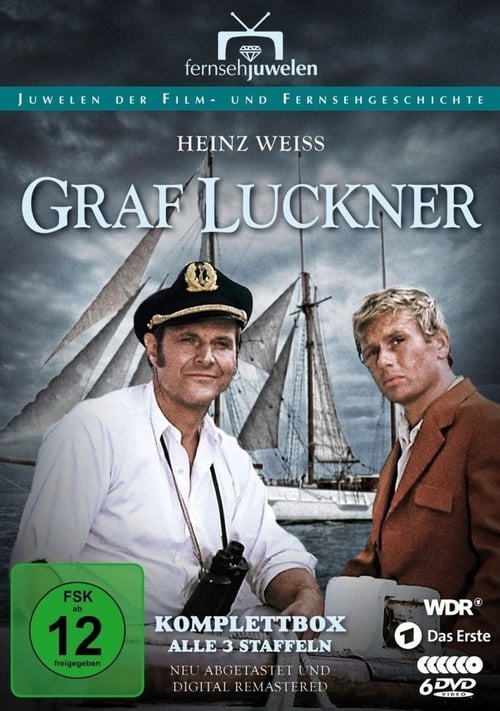
Between the first and second World Wars, we portray glorified and renown naval sea officer Felix Graf von Lucker and his fictitious ship Niobe, which is the 1887 built Amphitrite from Southampton. Von Luckner is famous for his tactical genius in the first World War, especially sinking 14 enemy ships and only losing one crewman, whilst always seeking a peaceful outcome - making him the ideal seaman.
Graf Luckner

A 1965 Italian adventure-Eurospy film directed by Sergio Sollima (credited as Simon Sterling). This is the first chapter in the Sollima's spy film trilogy with Agent 3S3. Here the intelligence agent from the U.S. is tasked with uncovering the leader of the Black Scorpion.
Agent 3S3: Passport to Hell

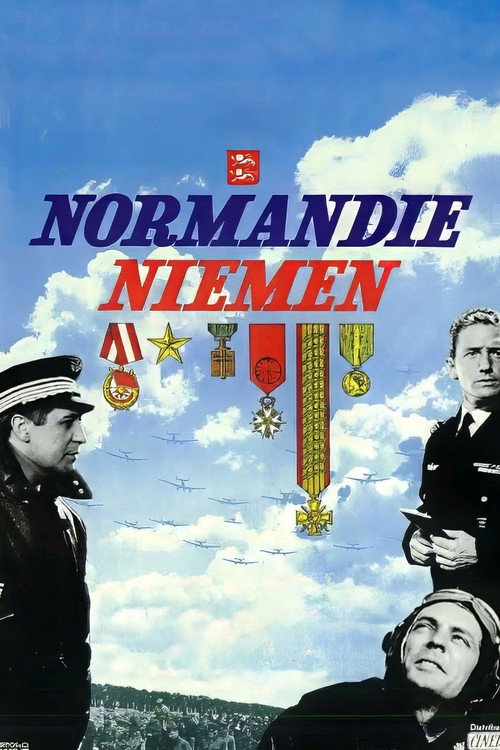
A certain number of French fighter pilots who will not accept the Second Armistice at Compiègne nor Vichy's orders decide to join the USSR. Once they have reached Moscow they resume training and form a squadron they call "Normandie". Reinforced in 1944, the squadron wins many victories. Following the acts of valor displayed by its pilots during the Battle of the Nieman River, it becomes the "Normandie-Niemen" squadron for the rest of times...
Normandy - Neman

Wrongfully imprisoned for a crime he didn't commit, Minnesota Clay seeks revenge on the man who withheld evidence at his trial. There is a problem however, he is going blind.
Minnesota Clay

The career of Revolutionary War naval hero John Paul Jones, from his youth in Scotland through his service to Catherine the Great of Russia.
John Paul Jones

A helicopter crashes in the desert, and the crew winds up in the underground city of Atlantis and get mixed up in a slave revolt.
Journey Beneath the Desert

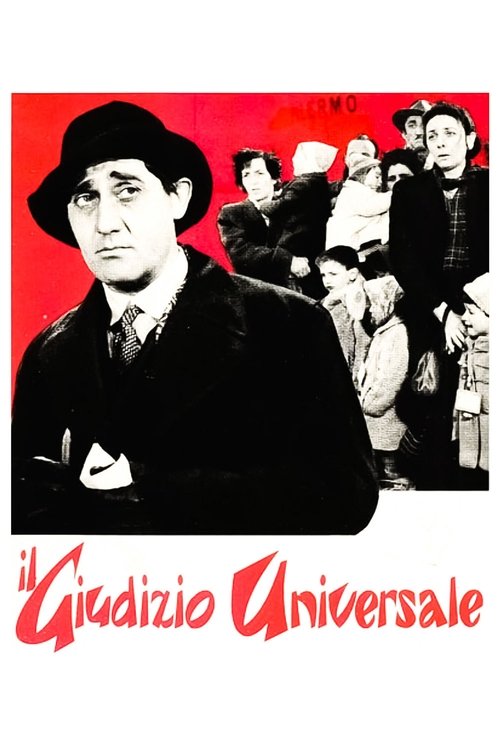
In Naples, a voice from the skies announces one morning that the final judgment will be at 6 p.m. on that day. What follows is a series of vignettes depicting various people's reactions (or lack thereof) to the announcement.
The Last Judgment

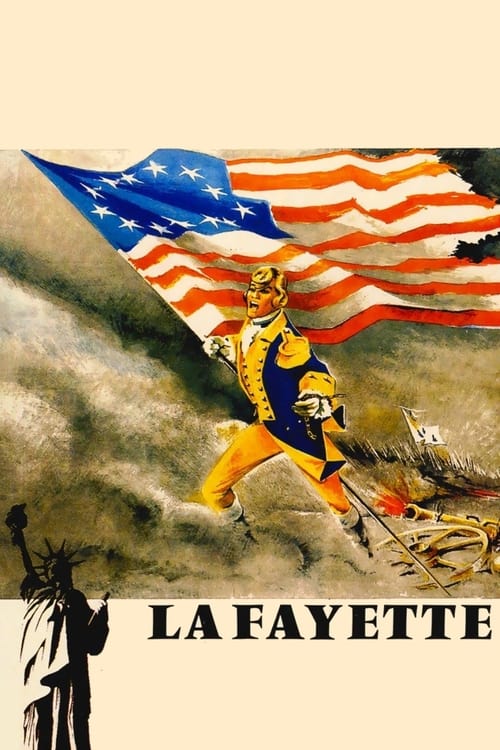
The story of Lafayette, the 19 year old pacifist who takes the side of the Colonials during the American war of Independence.
Lafayette

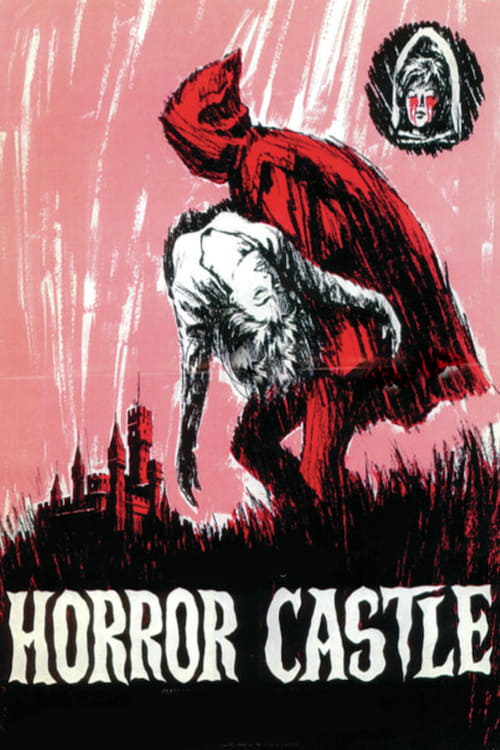
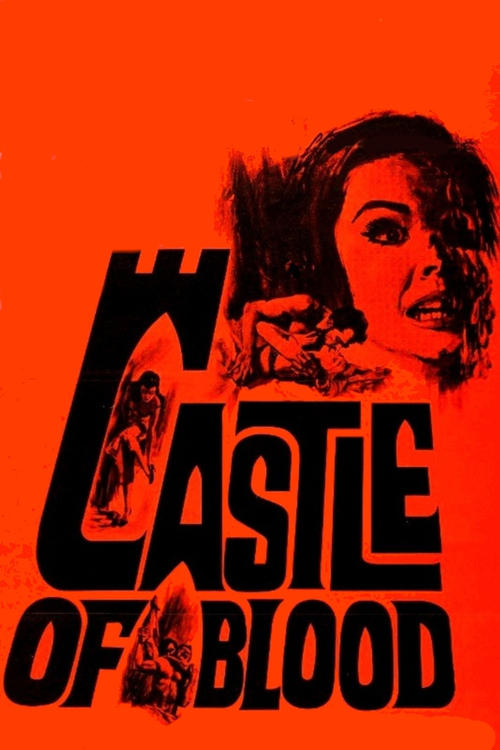
When a cynical journalist accepts a wager that he won't survive the night in a haunted castle, it unlocks an odyssey of sexual torment, undead vengeance, and a dark seductress who surrenders the gravest of pleasures.
Castle of Blood

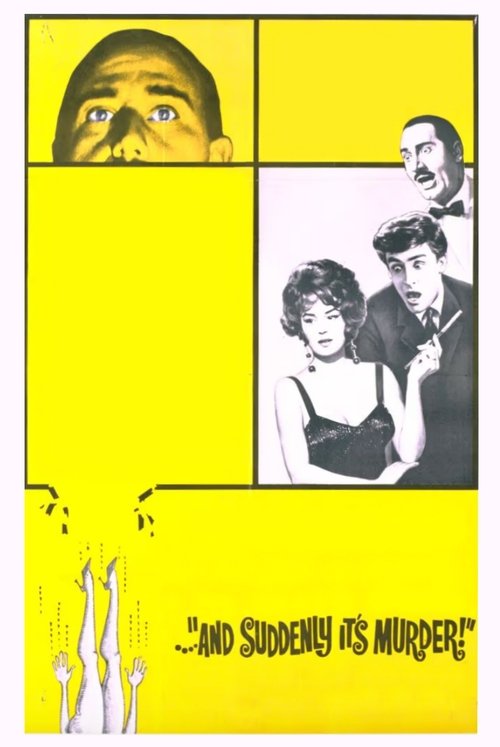
Three couples are involved in a murder at Montecarlo.
...And Suddenly It's Murder!

It was the reign of Louis XV and, in 1750, France was at war all the time, and the people, suffocated by taxes, liked their beloved Louis less and less. When the governor of Dauphiné arrived in Saint-Étienne-de-Saint-Geoirs, he had to deal with opponents of the regime who had gathered around cooper Louis Mandrin. Mandrin becomes the vigilante who respects his king, but does not tolerate the oppression of the poor through taxation.
Mandrin

A female journalist beats two male rivals to a scoop by exposing a white slave racket going on right in 50s Paris.
Illegal Cargo

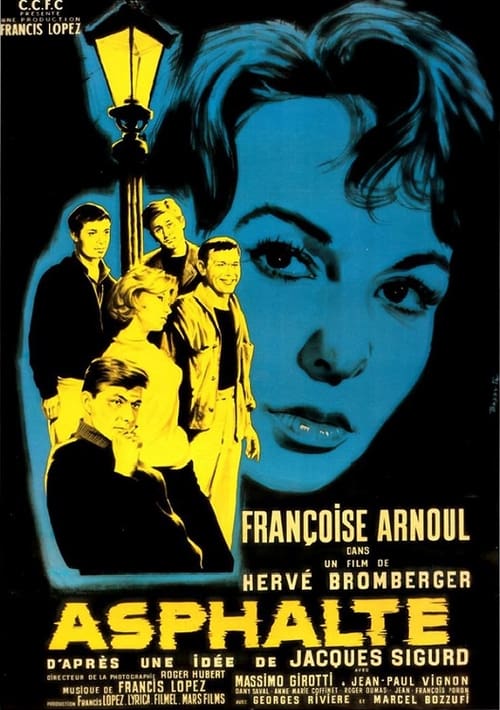
Françoise Arnould plays here a married woman who decides one day to get away from her husband and return to her childhood place, where she meets all her former friends, and lovers.
Asphalt

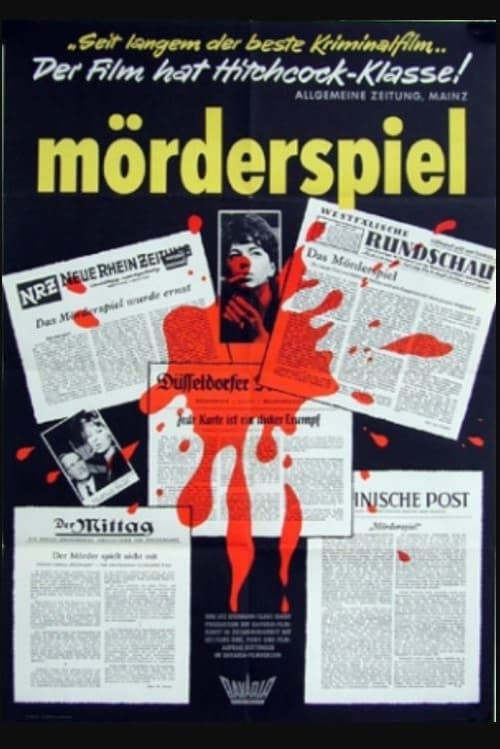
Klaus murders women. After killing another girl, Klaus is spotted by his friend Kersten as he leaves his latest victim's house. Kersten gives him a ride and Klaus begins to plot the man's death. He's a witness, after all. Nobody else can say Klaus was there except Kersten. They decide to head to a party. Klaus' unhappy wife is there. So are a bunch of other people. Killing Kersten will be difficult. Then they all play a game called... Murder Party!
Murder Party

A dozen elegant people are gathered in a writer's desirable mansion. In the grand tradition of Agatha Christie, they all have something to hide.They begin a cruel game of truth, a game where you're not supposed to tell lies. As the questions become more and more intimate and precise, the tempers rise, while outside the storm is raging. Enter a hateful person (played by Paul Meurisse, the nasty headmaster in "Les Diaboliques") who seems to know a lot about them. Someone is murdered. Whodunit?
The Game of Truth

The story of the couple from the very first meeting to break up told from a view of a man, Jean-Marc. The film shares the same plot with "Françoise ou La vie conjugale", that tells the same story from another perspective.
Anatomy of a Marriage: My Days with Jean-Marc

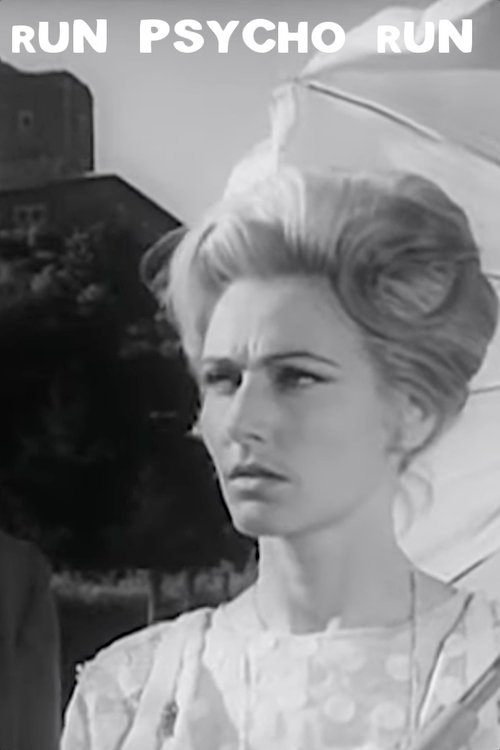
Italy, the early 19th century. A villa is the home of a small English community, all rich and superficial people lounging about in its beautiful surroundings. Claire, George's wife, and Robert, her son, are murdered by a mysterious killer. Thinking the murderer is one of the family, distraught George devises a plan to unmask the culprit. Having met a woman, Ann, who is a dead ringer for Claire, he takes her back to the villa and announces their imminent marriage. Ann is considered an outsider and treated with contempt and hostility, while George fails to find any significant clue to the solution: everybody is to be blamed, at least morally, but the final revelation is more bitter than expected...
Run, Psycho, Run

The film is a 125-minute, black-and-white biography of French priest and diplomat Charles Maurice de Talleyrand-Périgord (1754–1838), who served for 50 years under five different French regimes: the Absolute Monarchy, the Revolution, the Consulate, the Empire, and the Constitutional Monarchy. Its title comes from one of the main historical nicknames for Talleyrand, that he shares with demon king Asmodeus and English poet Lord Byron.