FEEL IT.STREAM
Columba Domínguez

Columba Domínguez

Acting

Biography

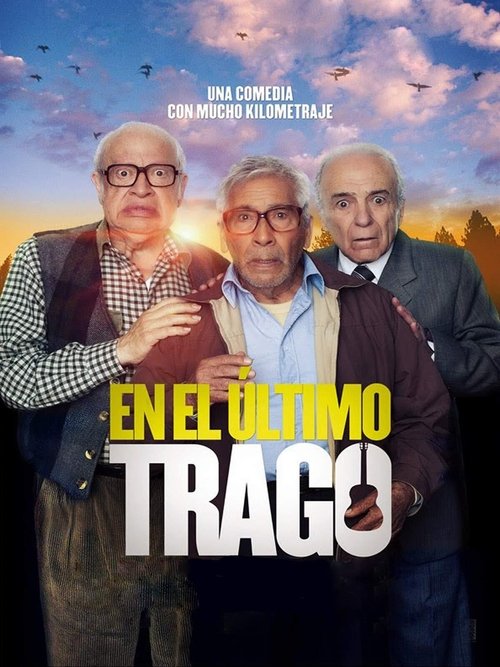
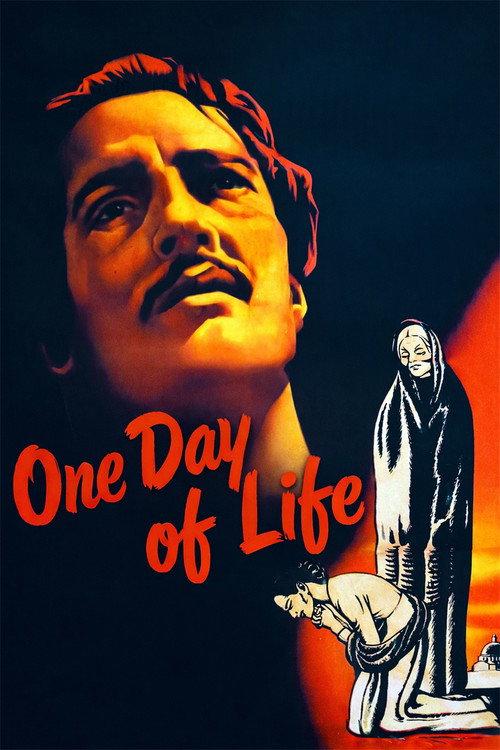
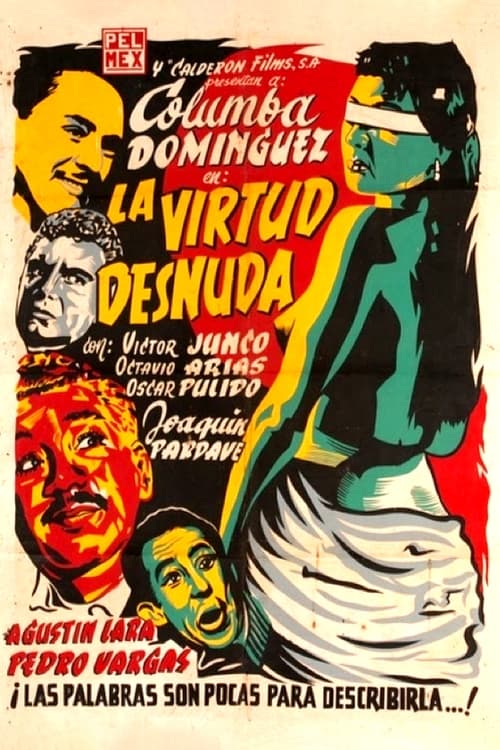
Columba Domínguez Adalid (March 4, 1929 – August 13, 2014) was a Mexican film actress. Considered a crucial figure in the Golden Age of Mexican cinema. Considered one of the muses of the film director Emilio Fernández, who, moreover, was romantically linked for several years. She is remembered particularly for her performance in the film Pueblerina (1949), considered one of the jewels of the Mexican Cinema. Columba Domínguez Adalid born on March 4, 1929 in Guaymas, Sonora, Mexico, reaching very young with her family to the Mexico City. When she went to a party with one of her sisters, was discovered by the Mexican film director Emilio Fernández, who was amazed by her beauty with very marked Mexican features and gives you entry to a movie with little roles in films such as La perla (1945) and Río Escondido (1947). In 1948, Fernandez give her the antagonistic role in the film Maclovia (1948), with María Félix. Her performance is praised by critics and thanks to this film, Fernández entrusted with the leading role that would become her best film: Pueblerina (1948). Thanks to this movie Columba rises the stardom rapidly and becomes known worldwide to be presented at the Karlovy Vary International Film Festival. In that same year she participated in La Malquerida, with Dolores del Río and Pedro Armendáriz. Preceded by the success of Pueblerina, Columba was contracted in Italy to participate in the film L'Edera (1950).[1] The same year, she filming Un día de vida, which went unnoticed in Mexico, but became a huge success in the former Yugoslavia, released in 1952. Encased in native roles, Columba separates professionally Fernandez in 1952, which allowed them to become one first figure and work under the orders of other filmmakers, such as Luis Bunuel (with whom she worked in El río y la muerte (1955)), Fernando Méndez (director of the cult film Ladrón de cadáveres (1957), considered one of the best Mexican horror films) and Ismael Rodriguez (who took her to star in two masterpieces: Los Hermanos de Hierro (1961) and Ánimas Trujano (1962), with the Japanese actorToshiro Mifune), among others. In 1962 she participated in El tejedor de milagros, a film that represented Latin America in the IX Berlin Film Festival. Columba also made the first official nude in the Mexican Cinema in the film La virtud desnuda. (1956). In the television, Domínguez participed in some telenovelas like La tormenta (1967) and El carruaje (1972). Her last appearance in the television was in Aprendiendo a amar(1979). After her retirement in 1987, Columba was devoted to dance, humanistic art, painting (coming to exhibit in Europe) and piano. In 2008, after more than 20 years of retirement from cinema, the Mexican director Roberto Fiesco, returned her to the cinema with the short film Paloma. That same year, Dominguez was honored by the International Film Festival de la Frontera, in Ciudad Juarez, in which some of the most representative titles in which he participated were projected.[2] In 2010, Domínguez made a special appearances in the films La cebra and Borrar la memoria.[3] In 2012, she participates in the film El último trago. In May 2013, Columba Domínguez was honored with the Golden Ariel Award for her contributions to the Mexican film industry.
Known For

Los ricos también lloran
5.6

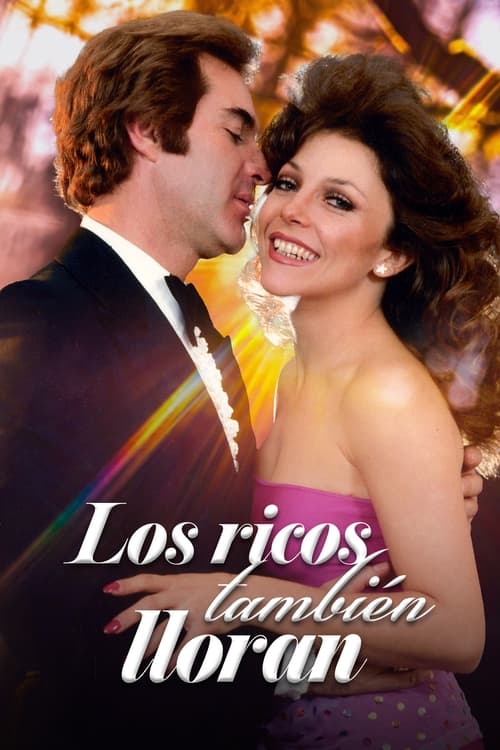
Popular telenovela produced in Mexico in 1979, starring Verónica Castro, Rogelio Guerra and Rocío Banquells. Castro also sang the theme Aprendí a Llorar, a song written by Lolita de la Colina. The telenovela was produced by Chilean Valentín Pimstein and Carlos Romero, it was directed by Rafael Banquells. The story was written by Inés Rodena and adapted by Valeria Philips.

Los ricos también lloran

1979
No image
7.0

Emilio Fernandez directs Dolores Del Rio and Pedro Armendariz in a classic tale of family and obsession. Raimunda's daughter Acacia hates her stepfather Esteban, and in order to escape her suffocating home life she's accepted a marriage proposal from a man she doesn't even love. But Esteban has become obsessed with Acacia, and in order to ensure that she doesn't leave he's plotting to murder the girl's unsuspecting fiancée. As Esteban's true nature emerges, mother and daughter must band together to support one another and make sure that their family bond remains strong even in the darkest of times.

The Unloved Woman

1949
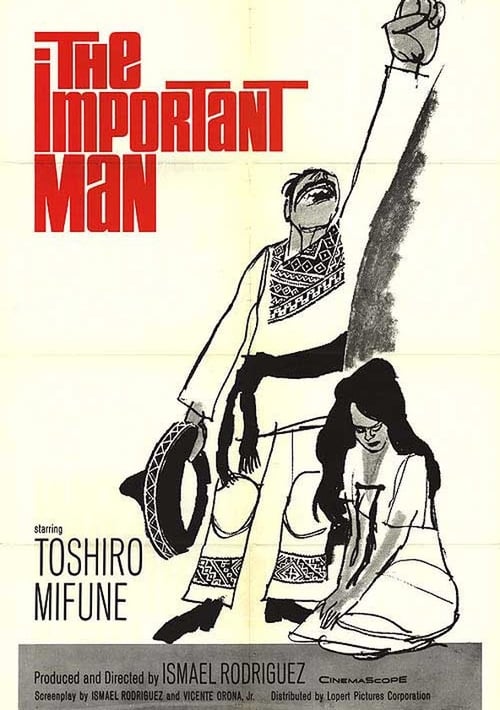
The Important Man
7.9

Animas Trujano is a colorful but irresponsible Indian in a small Mexican village. He hopes above all things someday to be chosen mayordomio of his village, a place of great honor usually conferred upon the wealthiest and most respected citizens. Animas has a loyal wife, but cheats on her and gambles away every cent they raise. Chances arise for Animas to turn over a new leaf and even hope realistically for the honor of mayordomio.

The Important Man

1961
Victimas de la pobreza
6.7

No description available.

Victimas de la pobreza

1986
The Pearl
7.2

Fisherman Quino and his wife Juana are very poor and desperate because the town's foreign doctor refuses to treat their son Coyotito, who has been bitten by a scorpion. When Quino unexpectedly finds a magnificent pearl in the sea, Juana senses that the discovery will only bring them misfortune and tries to convince her husband to return it to the sea.

The Pearl

1947
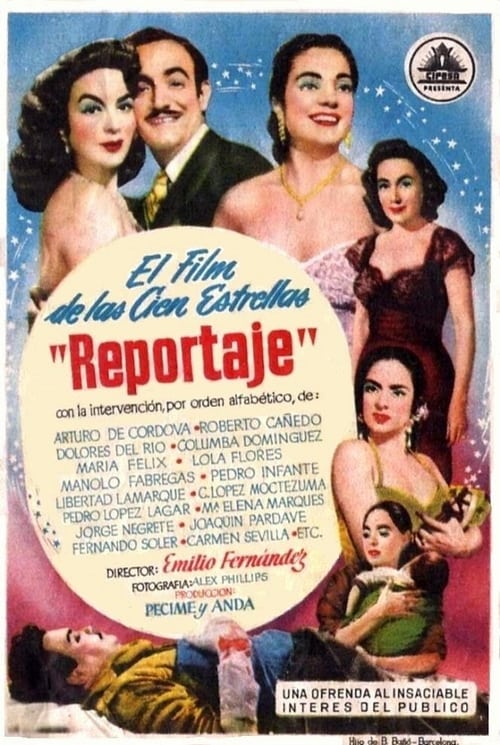
Reportaje
7.3

Reporters compete for cash prize awarded for biggest scoop on New Year's Eve.

Reportaje

1953
The River and Death
6.4

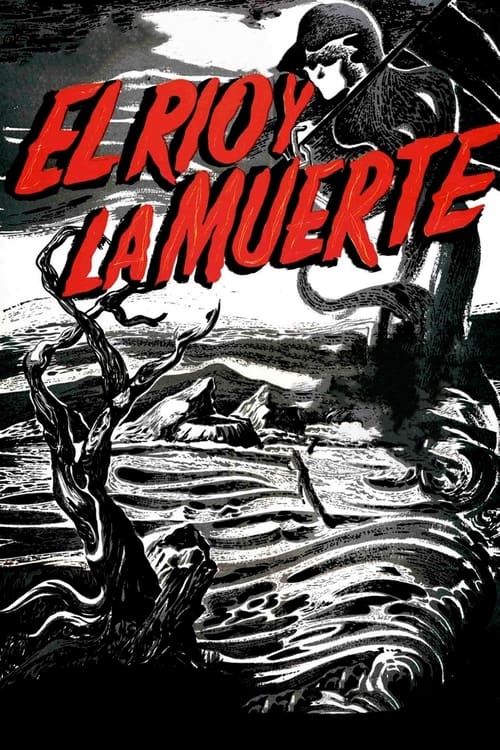
A useless and bloody vendetta has been going on for ages between two families in this Mexican village. Men, sons, have killed each other for generations, for a so-called conception of honor in a revenge that never ends since it is also triggered by people of the village. Now, today, there are only two sons left, one in each family. One has become a doctor in the big city and his culture is modern. The other last one - of the other family - hasn't left the village and is waiting for the doctor to come "home" as he plans to kill him, to settle this war on this matter of honor once and for all. And the people of the village want blood.

The River and Death

1954
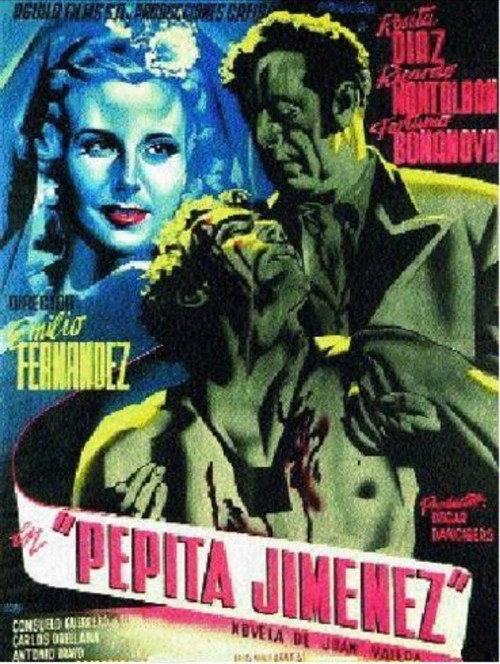
Pepita Jiménez
5.9

On March 22, four days after returning to his home in Andalusia, Luis de Vargas writes the first of his letters to his uncle and favorite professor at the seminary. He reports that his father intends to fatten him up during his vacation, to have him ready to return in the fall to finish his training for the priesthood. He mentions in passing that his father is courting a twenty-year-old, attractive widow, Pepita Jiménez; his father is fifty-five years old. Pepita had been married for only a short time to an eighty-year-old moneylender named Gumersindo. Luis is not eager to see his father marry again, but he promises his uncle not to judge Pepita before he knows her.

Pepita Jiménez

1946
Bread, Love and Andalucia
6.3

Determined to postpone his own wedding, a former marshal leaves his bride-to-be and participates in an international music festival in Spain, where he falls for a young dancer.

Bread, Love and Andalucia

1958
Little Town
6.7

Reactionary local "Big Daddy" tries to prevent a school being built in his district.

Little Town

1962
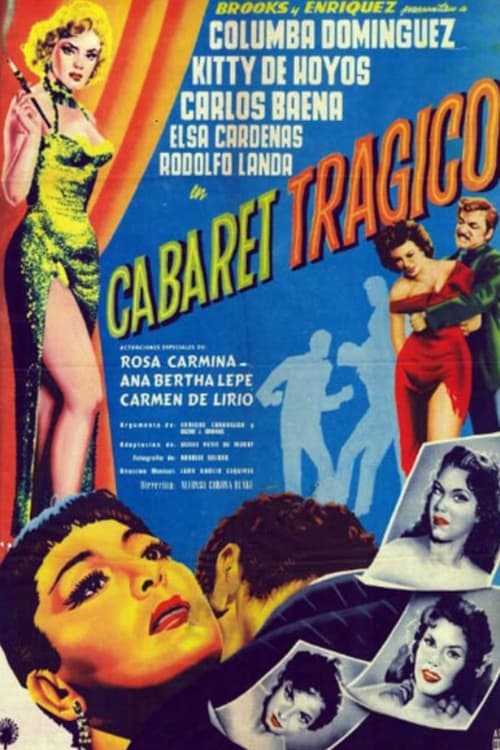
Tragic Cabaret
6.3

Young woman is sorta trapped into working as a bar-girl because of her unwitting complicity in a murder. Meanwhile, the tough broad who owns the bar faces problems of her own, mostly centered around a philandering boyfriend and an over-ambitious adopted daughter.

Tragic Cabaret

1957
Hidden River
6.2

Called by the Mexican President himself, a rural teacher goes to work in a village that is dominated by a malevolent chieftain.

Hidden River

1948
Maclovia
6.8

On a small Mexican island dwells a group of Indians who live in the traditional manner and who disdain outsiders. The beautiful Maclovia and the poverty-stricken Jose Maria are in love, but her father refuses to allow their marriage, or even any communication between them, due to Jose Maria's lack of means.

Maclovia

1948
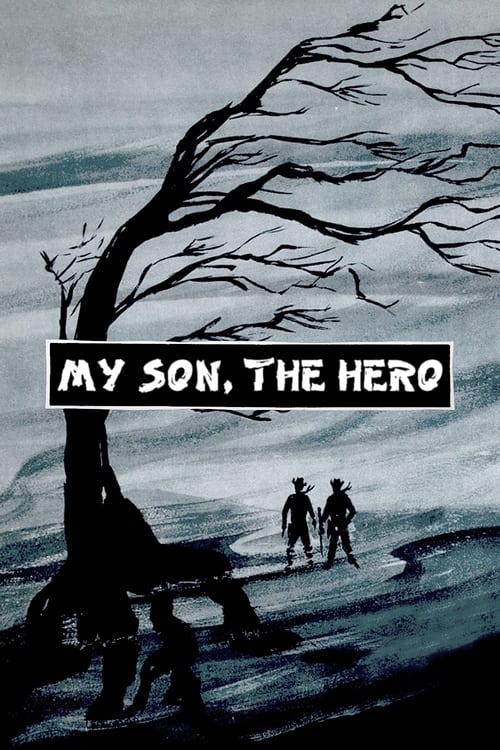
My Son, the Hero
7.9

Northern Mexico, early 20th century. Reynaldo del Hierro is murdered while riding with his sons Reynaldo and Martín, whose mother instills in them the need for revenge.

My Son, the Hero

1961
No image
9.0

No description available.

Aprendiendo a amar

1980
El caudillo
5.6

Bad-hat townsfolk want to dispossess local Indians of their tribal lands; priestess and white ally fight back. One of four in a series.

El caudillo

1957
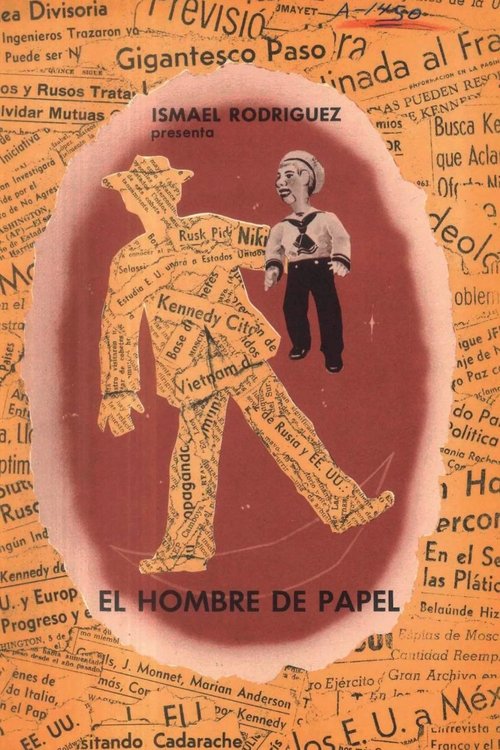
The Paper Man
6.9

A deaf and mute vagabond finds a large denomination bill in a Mexico City dump, and while he tries to buy something with it, others try to con him into giving it away.

The Paper Man

1963
Lawless Youth
6.0

Jorge is arrested and brought to trial, where it is known that he chose crime due to the abandonment of his father.

Lawless Youth

1965
La sombra de los hijos
5.6

Dying woman refuses to surrender to her unnamed movie disease until she can help her children through the big, big problems each one is facing.

La sombra de los hijos

1964
Una gallina muy ponedora
4.7

A beautiful woman discovers the rooster fighting world and in the process fall in love with a handsome boy.

Una gallina muy ponedora

1982