Wernfried Hübel
Directing
Known For
No description available.
Was halten Sie von Musik?
The 5th anniversary of the inner-German wall to West Germany and West Berlin is on the agenda. The necessity of erecting the border is illustrated by comparing the situation in 1939 and the situation in the summer of 1961 with regard to the "threat of intervention" by the Western powers. Berlin people and GDR border guards are interviewed.
Schutzwall
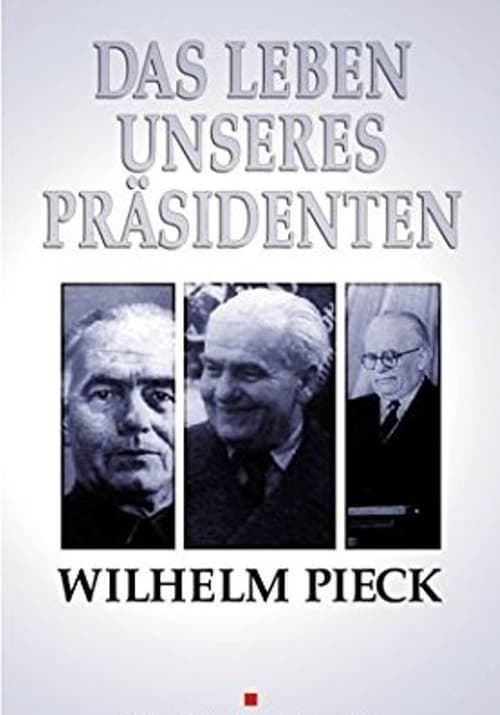
Basing his work on documentary material, Andrew Thorndike tells the life story of Wilhelm Pieck: from young worker to fighter for the German working class, and from enemy of national-socialism to the first president of the German Democratic Republic.
Wilhelm Pieck - Das Leben unseres Präsidenten
Berlin’s last barrel‐organ player, Otto Steppke, is to receive the “Golden Cylinder” atop the shining “Berlin Moon” teleballoon above Alexanderplatz. Piloted old‐style by balloon, the gala flight, hosted by the operetta’s Frau Luna, promises Lincke waltzes and Kollos tunes. But Otto’s daughter, his ex Mrs. Pusebach, and intrepid reporter Telemann conspire (along with fickle love and capricious winds) to upend the hour‐long ascent in wild, music-filled chaos.
Hallo, du altes Spreeathen!
Documentary about a country singer from Colorado who voluntarily moved to the GDR in 1972. The camera accompanies him during the rehearsal & recording of a concert, as well as the handing over of his fee to representatives of the provisional government of South Vietnam. The entertainer sings "We Shall Overcome" in front of the Brandenburg Gate, "Mississippi Line" on Mont Klamott and signs autographs on Alexanderplatz.
Dean Reed - Sänger des anderen Amerika
A look at the history of jazz, which has its origins in the music of Africans enslaved to North America 300 years ago.
The Life of Jazz
Die Prüfung (The Examination) (1952) is an East German documentary directed by Andrew Thorndike. Running at approximately 35 minutes, the film focuses on the reconstruction of schools in rural East Germany and the implementation of democratic educational reforms. It highlights the educational experiences of children in towns like Ducherow and Dessau, along with the significance of the "Day of the Teacher" in the GDR. Produced by the DEFA Studio für Wochenschau und Dokumentarfilme, the film underscores the importance of education and the teaching profession in shaping the new socialist state.
The Examination
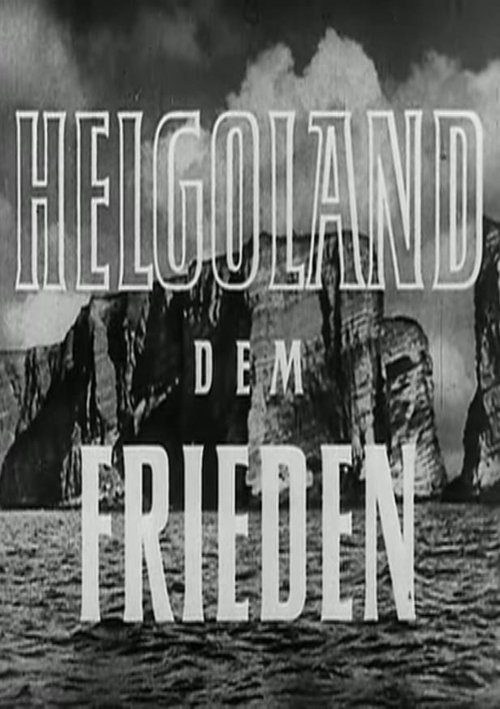
Under the sign of the swastika, it was, amongst other things, turned into a naval base, it got heavily destroyed in two waves of attack in April of 1945 by British bombers. After the war, Heligoland was made available as bombing training ground for the English army by the West-German government. Seven young people occupied the isle and began to repair the emergency shelter for sailors who got in danger. This and further major actions eventually ended the bombing exercises. Back then, the watchword was: “Heligoland to the Germans! “ – “Heligoland for peace!”
Helgoland dem Frieden
Presentation of the economic upswing in the GDR, emphasizing the discovery of the process for the production of high-temperature lignite coke and the commissioning of the Lauchhammer large-scale coking plant.
1952 - Das entscheidende Jahr
Documentary about the reconstruction of Dresden's Semperoper opera house.