Toshikuni Doi
Directing
Known For
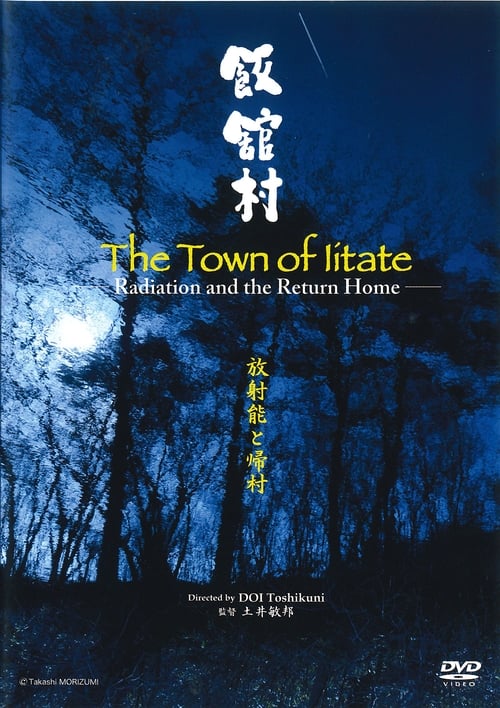
In March 2011, the world was stunned by the nuclear disaster in Fukushima. Today, the people of Iidate, a town outside the 30km radiation exclusion zone around the nuclear power plant, are still suffering. The direction of the wind, rain and snow caused radiation to reach dangerous levels and the entire town was forced to evacuate.
The Town of Iidate: Radiation and the Return Home
No description available.
Breaking the Silence

No description available.
Attack on Gaza Summer 2014

No description available.
Falluja, April 2004

Following six young volunteers in the tsunami-devastated Arahama district in Sendai.
They Came as Volunteers

A depiction of everyday life at the House of Sharing, and document of the testimonies of women who were taken as "comfort women" by the Japanese Army during the war. The second part is about Kang Deok-yeong, who depicted her experiences during the war through painting.
Living with "Memories"
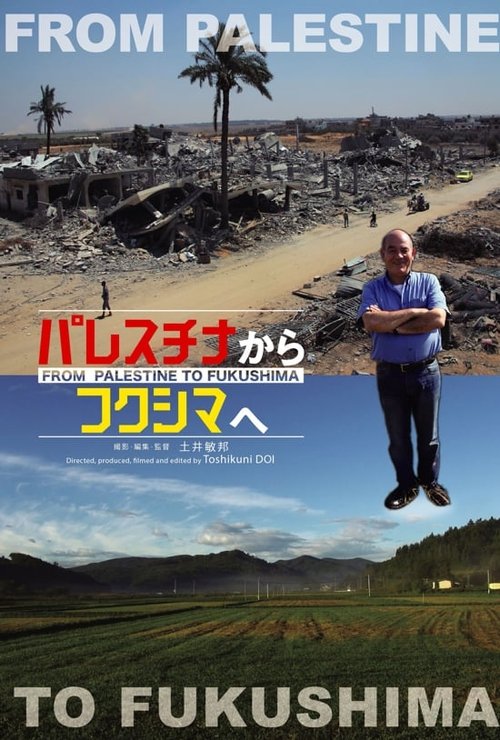
What does a Palestinian who was forced into exile by the establishment of the State of Israel and experienced the loss of home and family by bombing see in Fukushima, an area where residents have been exiled from their homeland by the nuclear power plant accident? The recipient of the “Alternative Nobel Peace Prize”, a Palestinian Human Rights Attorney, examines the commonalities of “Palestine” and “Fukushima” through a trip to Iitate Village and conversations with former residents of the village.
From Palestine to Fukushima

No description available.
Shalom, Salaam

No description available.
Encroachment

No description available.
Gaza
No description available.
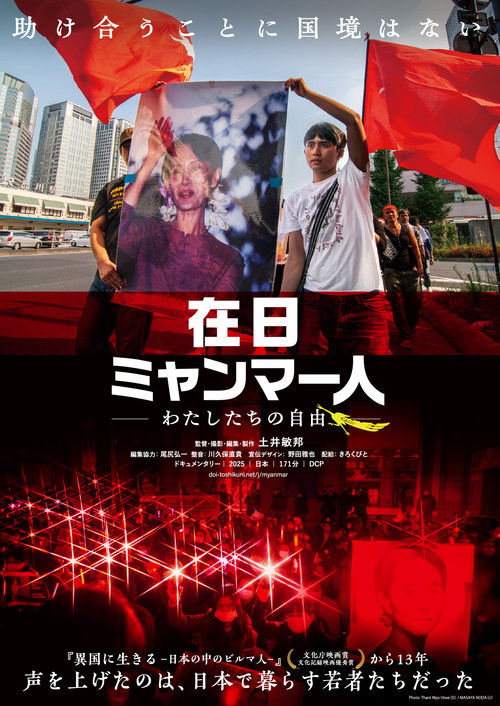
在日ミャンマー人 -わたしたちの自由-

Five part history of Gaza from 1986 to 2009: 1) Raji Sourani’s Path; 2) Two Intifadas; 3) Rise of Hamas; 4) Blockade; 5) Assault on Gaza
Life in Gaza

In March, 2011, the Fukushima Nuclear Power Plant exploded, causing a large amount of radioactive effluent to leak. Iitate Village, designated by some as "one of the most beautiful villages in Japan," was more than thirty kilometers away. But because of the direction of the wind, snow, and rain, it was heavily effected by radiation. For this reason, a month after the nuclear disaster, the Japanese government ordered the municipality to evacuate entirely. As a result, approximately 6,000 residents were forced to leave their homes.
The Town of Iitate: No Longer Home

To escape the oppressive military regime in Burma (Myanmar), Kyaw Kyaw Soe fled to Japan in 1991, leaving his wife behind in his motherland. He spends his days working in a restaurant to make a living and continuing his pro-democracy activities that were banned in Burma. Later, his wife is able to join him in Japan, and the two of them run a Burmese restaurant. Thus begins their new life together in exile. Living in Japan for more than 20 years, Kyaw Kyaw Soe is caught between the wish to be with his family in his own country and the desire to see democracy in his homeland.
Life on Foreign Land: Burmese in Japan

This film portrays three teachers with uncompromising principles, who stand up to protect freedom and democracy, fighting against increasing control and right-wing leanings at schools in Tokyo.
Live My Life
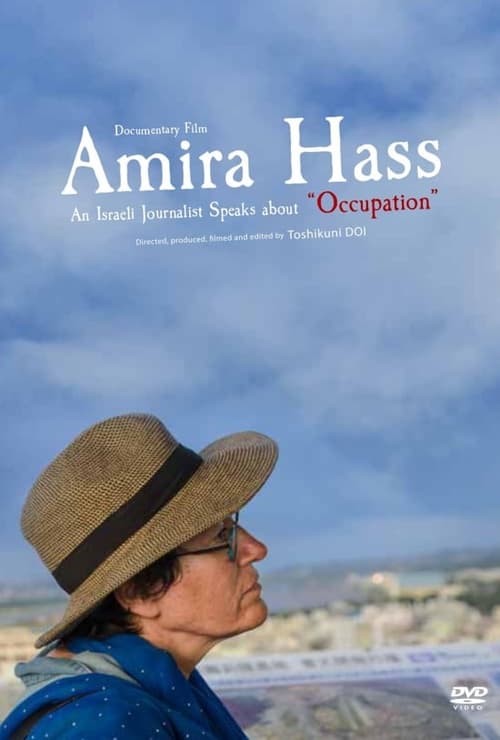
Amira Hass, a leading journalist covering the occupation of Palestine visited Japan in the fall of 2017. Amira is an Israeli who has lived in the occupied territories for more than 20 years, covering the occupation from both the Palestinian and Israeli sides. During her stay in Japan, Amira Hass talks about the Israeli occupation, and through her coverage of Okinawa, makes incisive comparisons between Palestine and Okinawa.
Amira Hass: An Israeli Journalist Speaks About "Occupation"
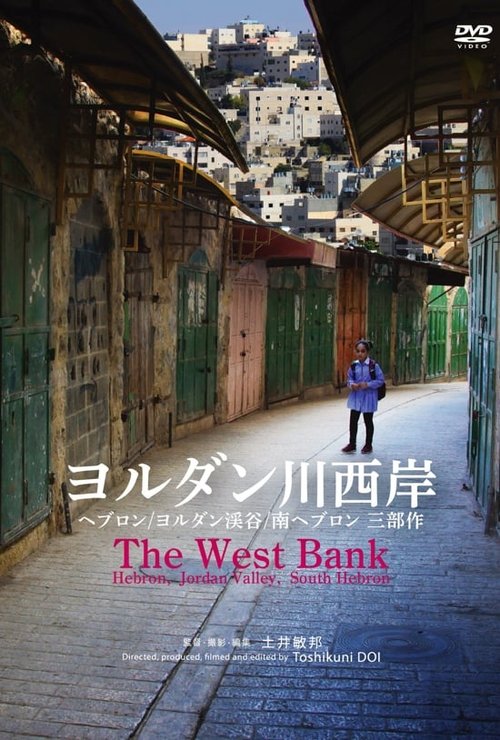
Three-part documentary on the occupation of the West Bank: 1) Hebron; 2) The Jordan Valley; 3) Southern Hebron