Karol Bakoš
Production
Known For
No description available.
Naši synovia
No description available.
Rohy
No description available.
Anička Jurkovičová
This five-part TV film tells the story of Jan Daňo, a shepherd, and his two daughters.
Nepokojná láska
No description available.
Ivanov
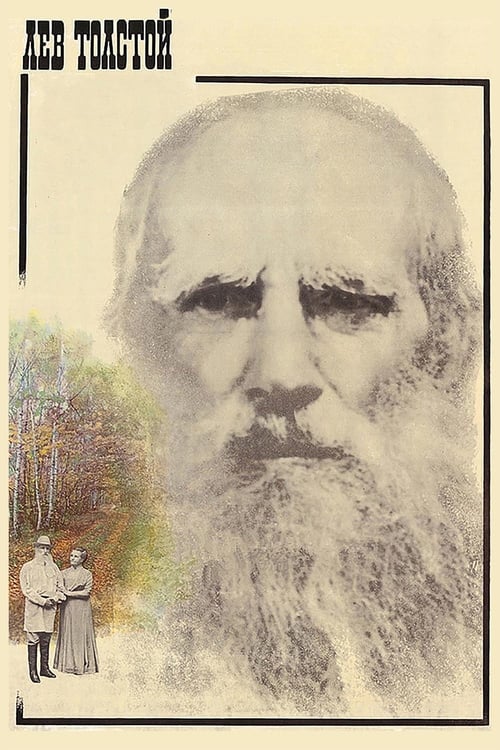
The film consists of two parts: “Insomnia” and “Departure”. We shall meet Lev Tolstoy in the final years of his life at Yasnaya Polyana. We shall see him surrounded by his family, friends, acquaintances and absolute strangers who were coming to the great man and artist from all over the world. We shall hear “the voice of his thoughts”. In his sleepless nights, we shall follow his memory of the happy youthful years and the crucial, hard ones. We shall witness Tolstoy’s tragic departure from Yasnaya Polyana and his death at an obscure little station of Astapovo.
Lev Tolstoy
No description available.
Miesto v dome
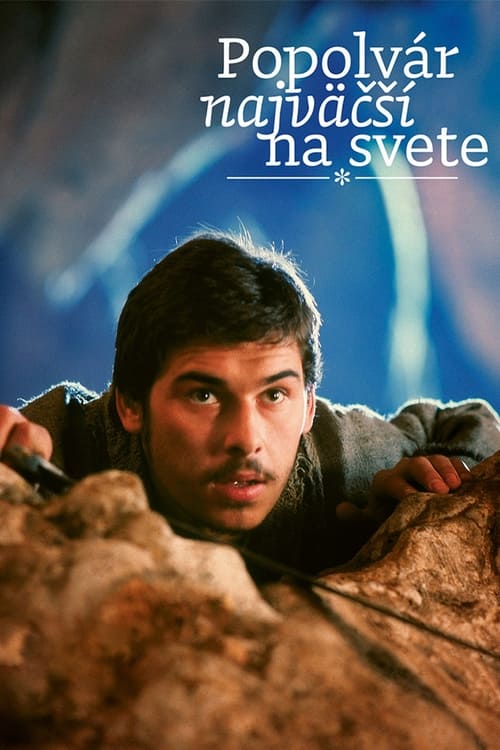
A fairy-tale about knight honour, punished evil and tender love. Three royal brothers are put to the test in the fight with the king of the underworld in order to save captured princess, Láskykvet.
Popolvar, Biggest in the World
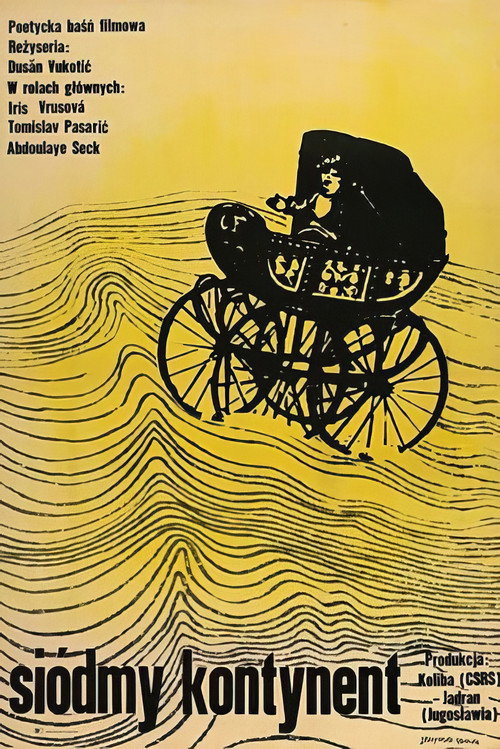
A group of children discover the new continent of the world, uninhabited by adults. Soon, many other children are joining them in that new paradise, leaving their parents and other adults baffled on all remaining continents.
The Seventh Continent
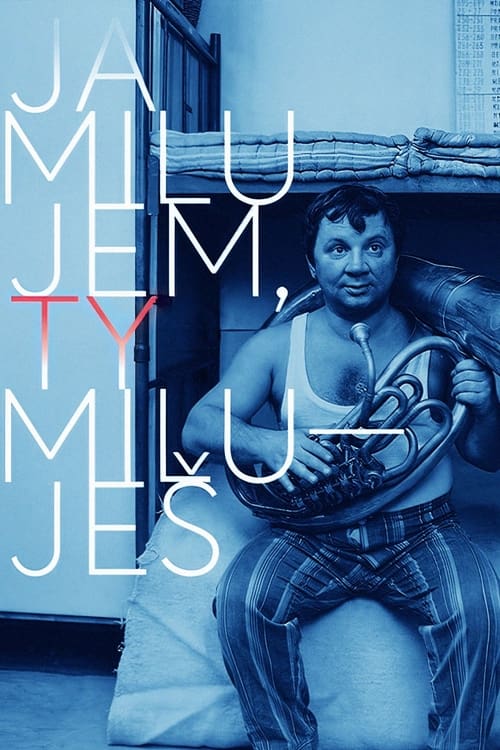
The drama called I Love, You Love was made in 1980 but because of the absurd ideological ban, the film entered cinemas nine years later. Pišta is an unmarried man who works at a freight wagon which carries letters and parcels. Alcohol helps him to overcome his handicap of being short and not good-looking. He wishes he had a woman, but the woman he really wants, ageing Viera who reloads the cargoes, has a soft spot for another man. So, Pišta has nobody and nothing, except for senile mother who sometimes fails to recognize him. The film received Silver Bear for Best Director at the International Film Festival in Berlin.
I Love, You Love
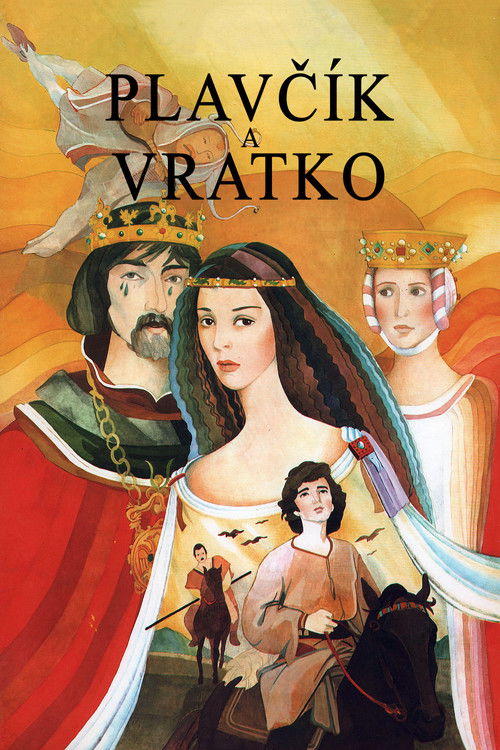
The son of a charcoal burner was once prophesied as a child to marry the daughter of a king. The king tries to prevent this by all means.
Plavčík a Vratko
No description available.
Skaly a ľudia
A young man named Milan arrives at the zoo, having decided to study veterinary medicine. He meets his older colleague Kalman, a tough and cruel zookeeper who despotically controls not only the animals but also the people around him. From that moment on, their paths in life constantly cross, and the tension between them grows, also due to their shared interest in the same woman.
Predators Pavilion
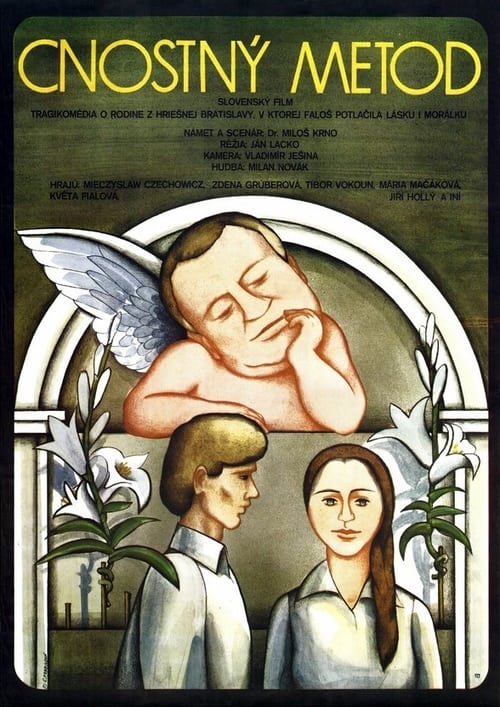
No description available.
Cnostný Metod
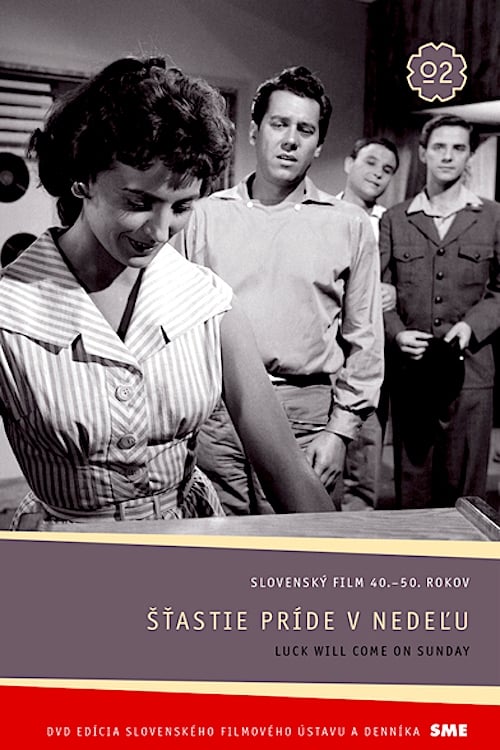
Three friends, Emil, Vrabec and Mišo, spend every Sunday playing the lottery, each nursing a personal dream: Emil wants a Jawa 250 motorcycle, Vrabec hopes for a Pionier scooter and Mišo imagines funding a world tour. Frustrated by constant losses, they decide to maximize their stake in the next draw, convinced that more money will tip the odds in their favor. Their plan takes an unexpected turn when they meet attractive Eva Dvorčíková on a televised variety show - Eva has long been Mišo’s unspoken crush. To determine who will have the right to win her affection, the friends agree to draw lots, putting their bonds and ambitions to the test.
Šťastie príde v nedeľu
The film adaptation of the novel of the same name by Peter Jilemnický is a drama about the life of poor Kysuce miners, which takes place in the thirties during the economic crisis. During the peak wave of emigration, the dream of a better life drives thousands of people to America for work. Others, in order to support their families, leave for the surrounding towns. Produced by the Bratislava Art Film Studio, studios and laboratories Bratislava - Koliba.
Unploughed Field
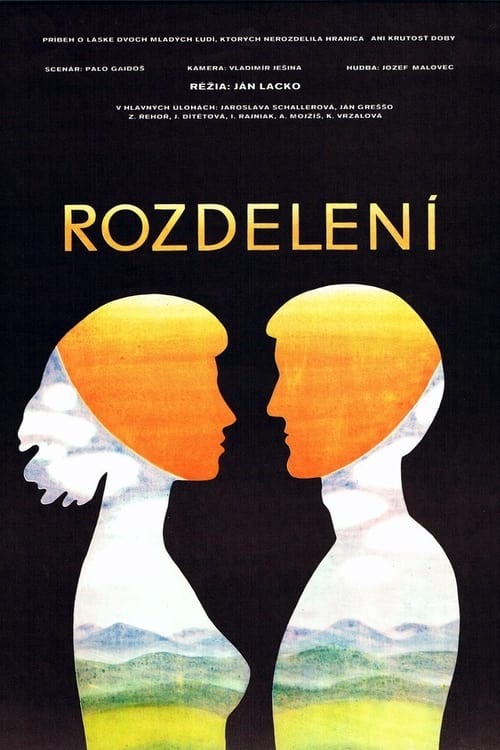
A story about the love of two young people who were not divided by borders or the cruelty of time.
Rozdelení
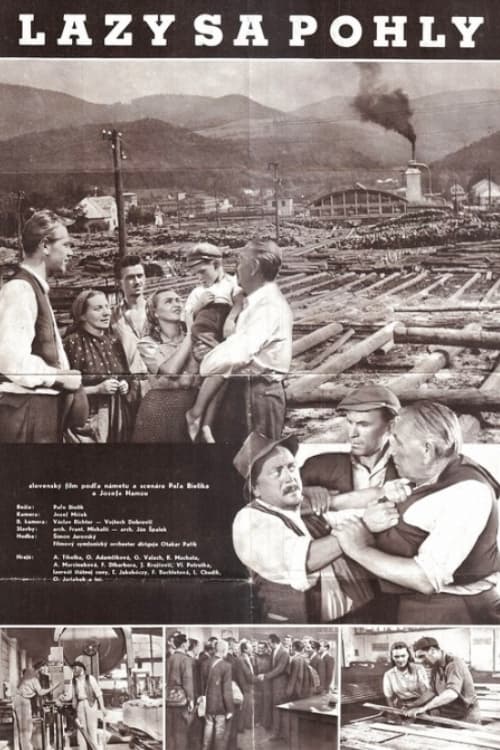
The life on the poor Slovak hills, the lazy hills, where agriculture is at a primitive stage and where the shelves give a small harvest. Meanwhile, socialist industrialization is reaching an amazing boom in the valleys. Therefore, it is necessary to solve the problem of small farmers on poor farms and the lack of labor in ever-growing industrial enterprises. The film, based on the fate of Matěj Rendek, who returns to Slovakia after 18 years from America, and on the fate of his family, who have toiled for years on poor fields and slaved for a rich farmer, shows how this problem must be solved: an agricultural cooperative is established on the lazy hills, which, with the help of machines, can handle agricultural work better and with a significantly smaller number of laborers, and most of the lazy villagers leave to work at a large sawmill.
Lazy sa pohly
Slovak movie is based on the novel by the prominent representative of Slovak prose František Hečka, who was in 1952 awarded the State Prize. The novel and the movie successfully capture the development of Slovak village after the liberation in 1945. The narrative is centred around the characters of the old Púplava, who after the liberation begins to organise a new village life, and his struggle for the construction of settlements Mrzáčky, burnt by the fascists. It is centred around the conflict, greatly reflecting the situation of the countryside at this time: the conflict between the rural poor and the rural rich. In the movie, a rich personal and emotional life of other heroes pulsate besides the main storyline. The movie ends with the final defeat of the reactionary forces by Communists in February 1948, taking over all power in the state of workers and peasants. - "The Wooden Village" is released in celebration of the 7th anniversary of the Communist February Victory.
The Wooden Village
At the beginning of normalization, stories emphasizing civic awareness once again prevailed. The hero here is a teacher from a small village in the foothills, whose inhabitants help the partisans in their fight against fascism. The hero, the only intellectual among them, agrees with them and educates not only his students in this spirit, but is also prepared to lay down his life for his ideals. When German soldiers occupy the village and force the teacher to cooperate, the model situation escalates.