Sarit Hadad
Acting
Known For

Based on James Corden show Carpool Karaoke where the host invites famous musical guests to sing along to their songs with him whilst traveling in a car driven by the host
Carpool Karaoke
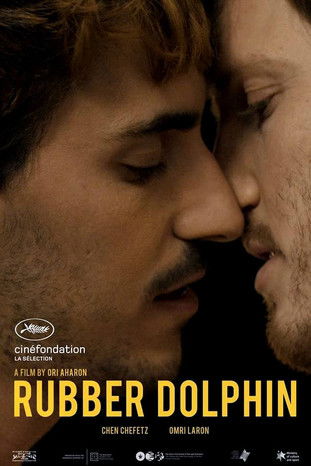
A gay love story set in a one-bedroom apartment in Tel Aviv. They meet, they have sex, they fall in love. Will it last until the morning comes?
Rubber Dolphin
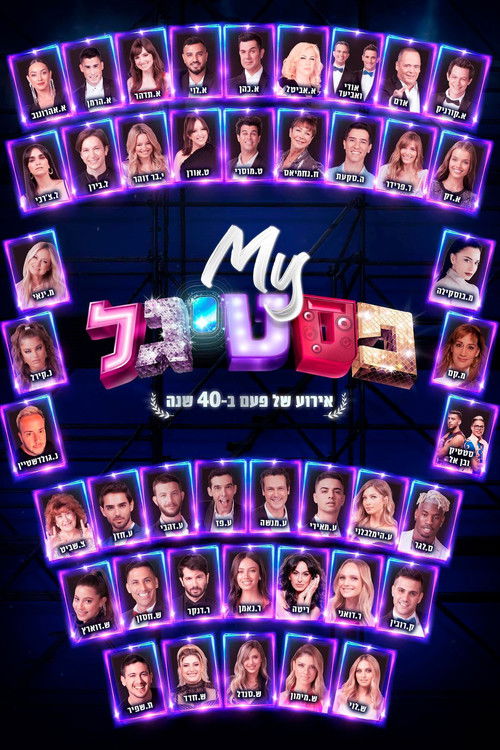
The grand celebration of the 40th anniversary of the Festigal is taking the stage. Legendary stars of previous Festigal shows have assembled to honor the show's legacy and revisit their classic songs. But behind the scenes, not everything seems to go according to plan. Previous villains of the Festigal show are furious that they weren't invited to join the celebration. Led by their anonymous leader, they scheme to sabotage the production. Due to COVID restrictions, the show couldn't be performed live. Therefore, it was pre-recorded and streamed online, with multi-choice interactive moments, "choose your own adventure"-style, using the Eko platform.
My Festigal: A 40 Years Celebration

Tzika, a father to a newborn baby called Barak, is invested in the new telenovela, "Osher". The show depicts a mother and a child named "Osher", who is the same age as Barak, navigating the departure of her father and her poor life. Years later, when Osher grows up, she sets out to find her father, which leads to an encounter between her and Barak, blurring the lines between TV and real life.
Festigal: Pelenovela
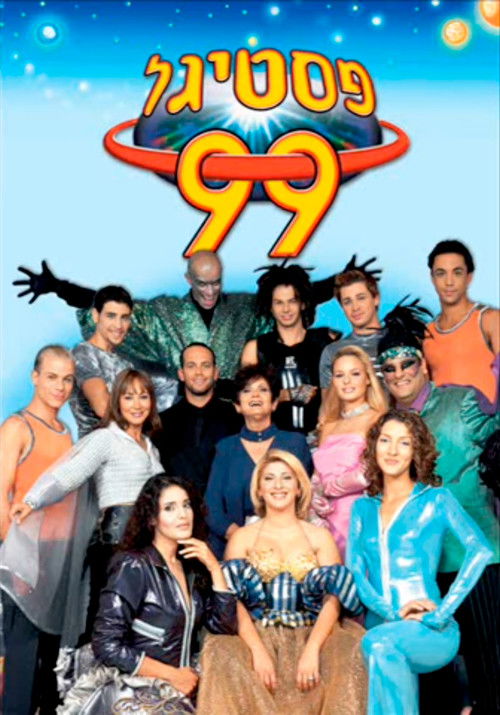
Chani "from the TV" has to travel across the galaxy and pick up personality traits that will help her save the "Year 2000" girl from the evil hands of Professor Samael and the Y2K Bug, who plot to prevent the arrival of the new millennium.
Festigal 99: The Festigal of the Next Millennium
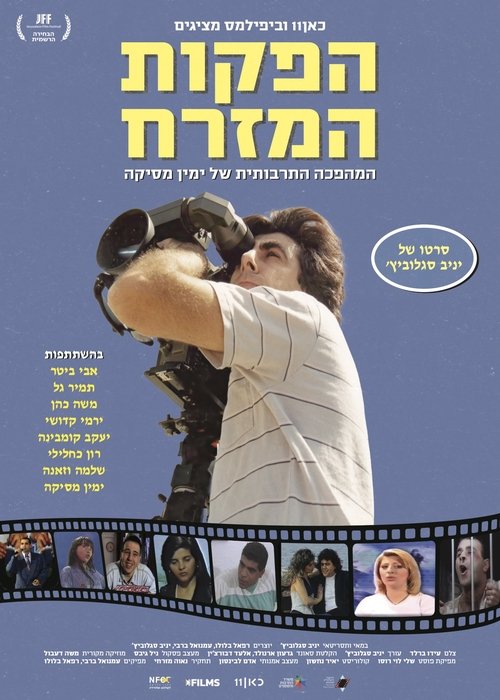
The story of Yamin Masika, the “Don Quixote" of Israeli cinema — a director, social activist, and cultural entrepreneur who played a pivotal role in transforming Mizrahi culture from the margins to the mainstream. In the 1990s, after repeated rejections by the Israeli film industry, Masika began creating underground, low-budget films and music videos featuring Mizrahi artists like Avi Bitter, Tamir Gal, Moshe Cohen, Sarit Hadad, and Zehava Ben. Though ridiculed and dismissed by the establishment, these films resonated deeply with audiences who had been excluded from mainstream media for decades, leading to a cultural revolution.