Directing
A digital influencer takes her obsession with her own image to its ultimate consequences, becoming a serial killer beyond suspicion.
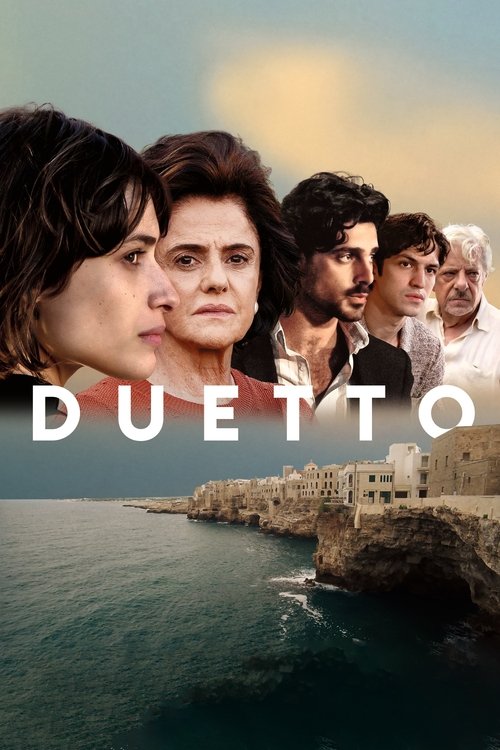
Duetto takes place in 1965 and tells the story of 18-year-old Cora, a Brazilian from an Italian family who, after losing her dad in a tragic car accident, goes with her grandmother Lucia to Puglia, Italy, where her ancestral homestead still stands. Lucia, aiming to sell an old family land lot, reencounters her sister Sofia and her husband Gino, whom she hasn't spoken to in 40 years.
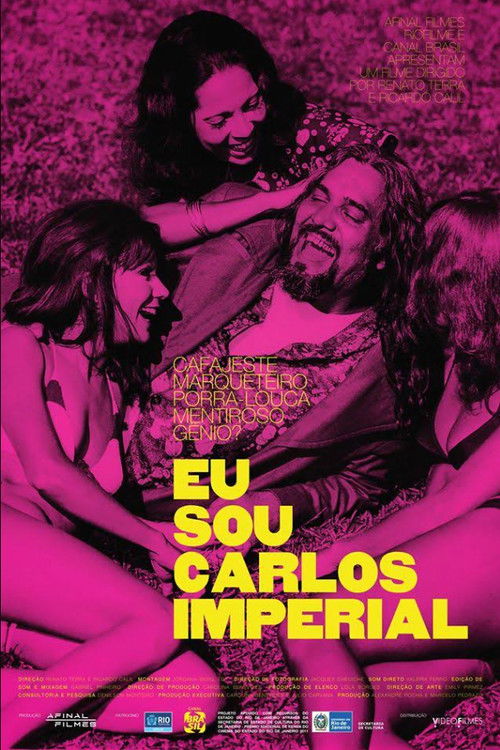
The story of a legendary figure in Brazilian culture, the multifaceted Carlos Imperial. He was a convinced womanizer and cafajeste, he was a director and actor, created TV shows, composed songs like “Vem Quente que Eu Estou Fervendo” and “Mamãe Passou Açúcar em Mim”. In addition, he is responsible for launching big names in Brazilian music, such as Roberto Carlos, Elis Regina and Tim Maia.
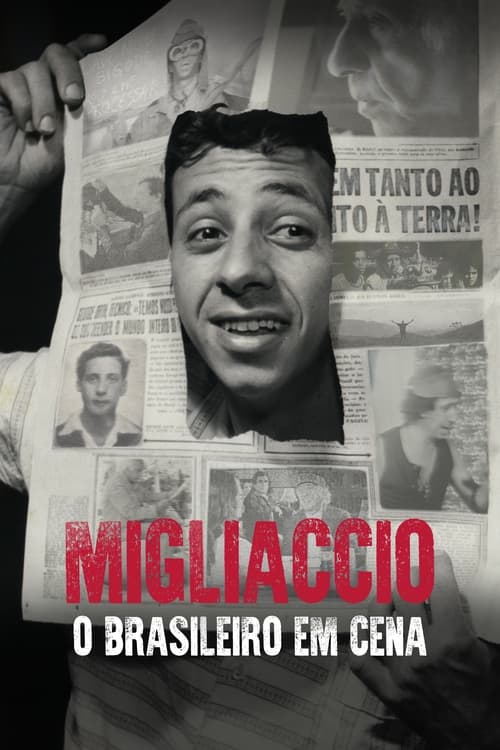
The documentary Migliaccio - O Brasileiro em Cena follows the path of those who take risks for the art, either as directors, as writers, as scenographers and even as costume designers. The Oscarito trophy received by Flávio Migliaccio in 2014 Gramado Film Festival crowns a career enmeshed by many threads. Since Migliaccio has performed in different fields of art - from cinema and theater to literature and drawing -, the documentary creates varied visual interventions to enchain the narrative, in addition to the interviews and archive pictures, such as a shadow play to represent his humble childhood, and to the cartoons the artist drew to portray his existential questions in his ranch in Rio Bonito (State of Rio de Janeiro). Images and stories that aim to show a professional and personal life pervaded by possibilities and attitudes, both artistic and political.
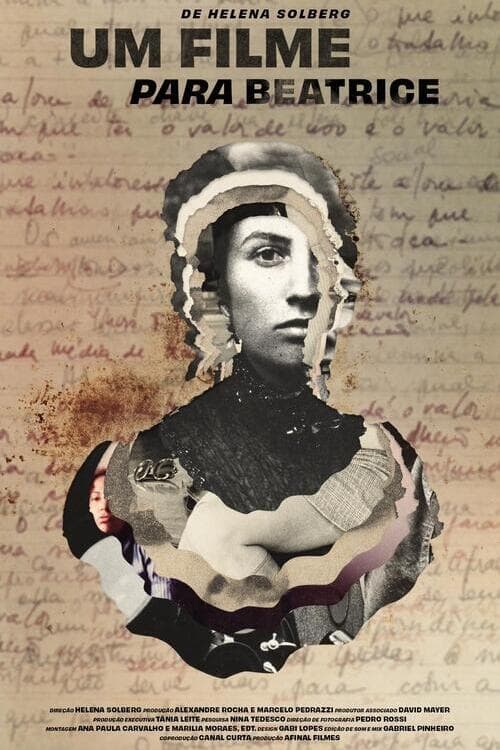
‘How are women doing in Brazil?’. It is this intriguing question, posed by an Italian journalist, that Helena Solberg tries to answer through elements of her films, from the 1960s to the present day. Along the way, encounters with figures such as Heloisa Teixeira, Rita von Hunty and Helena Vieira illuminate some of the cracks in this broad debate.
No description available.
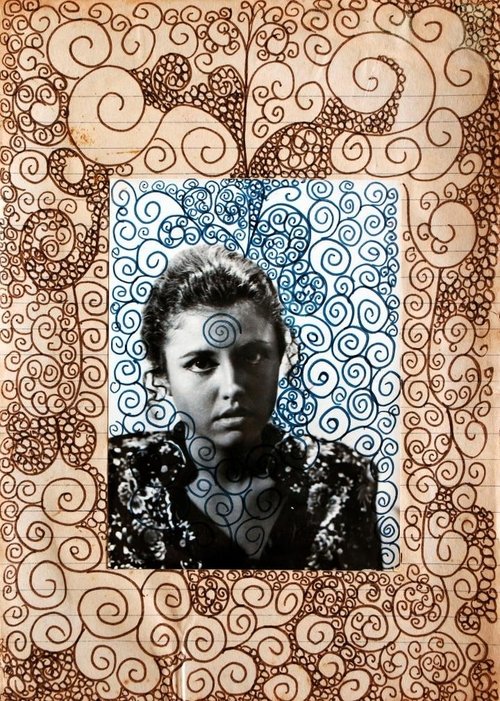
Facts of life in 1968, some remembered, some forgotten. Based on the diary Lost, by Silvia Escorel, and commented by the author in voice-over through the original letter written 54 years later, addressed to her brother a year and a half younger.