
Marta Suplicy
Acting
Biography
Marta Teresa Smith de Vasconcellos Suplicy, better known as Marta Suplicy, is a Brazilian psychologist, psychoanalyst, sexologist and politician. Throughout her political career, she was mayor of the city of São Paulo, federal deputy, minister of state in the governments of presidents Lula da Silva and Dilma Rousseff, senator of the Republic for the state of São Paulo, and secretary of International Relations for the city of São Paulo.
Known For
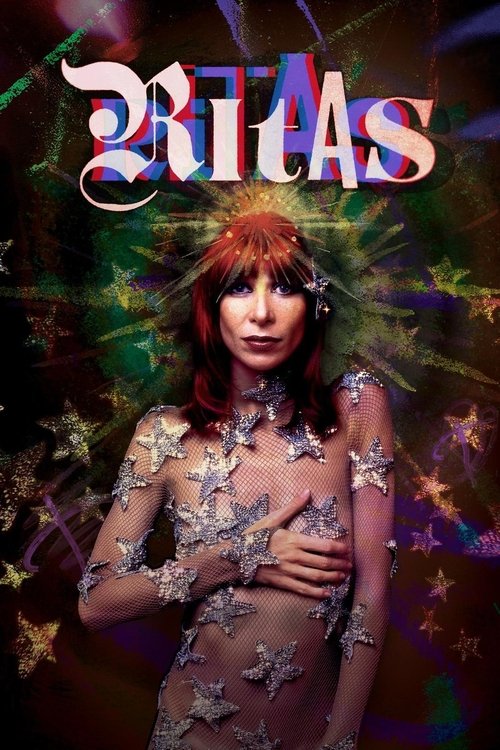
It explores Rita Lee's personal life and her creative process, revealing her musical talent and her ability to transform on stage. Rita herself guides the narrative through past interviews she gave throughout her career and current testimonies.
Ritas
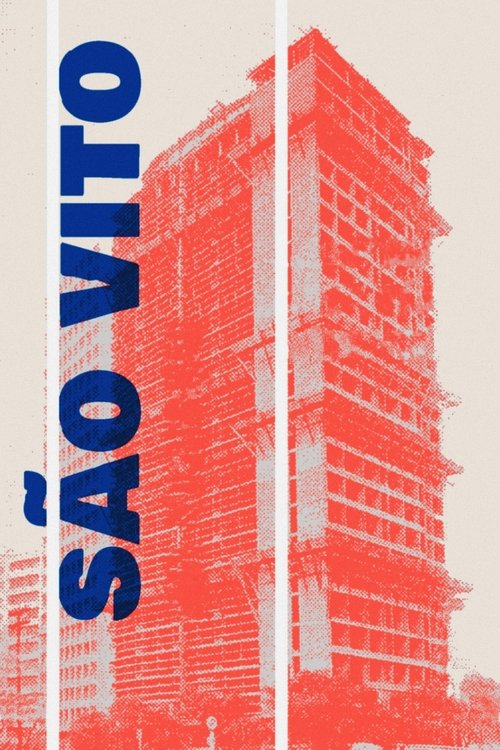
Story about the imposing building Edifício São Vito, a mark on the center of São Paulo gentrification system. The building was demolished in 2011, with many families being deallocated after an agreemente with the city town that was never accomplished.
São Vito
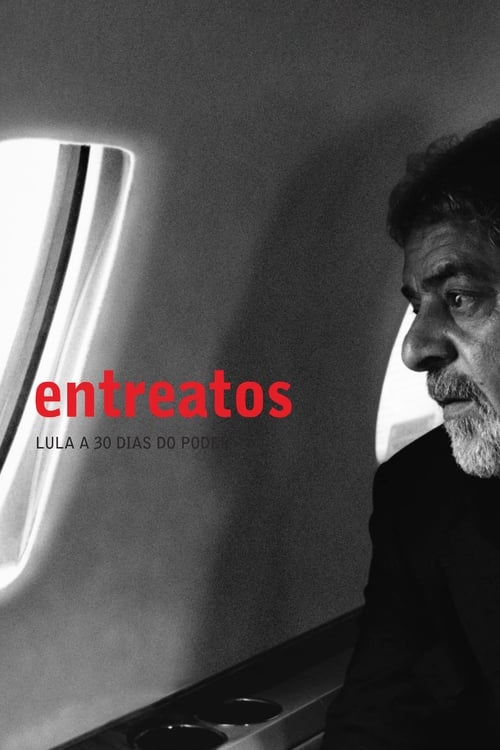
Intermissions follows Lula during the hectic election campaign for the presidency in 2002. Lula gave filmmaker João Moreira Salles and his crew complete access, and the result is an intimate documentary of what went on behind the scenes. Sometimes, Lula is afraid that he will lose his freedom as president. Combined with Lula's candor, the film's observational style provides some very special insight into one of Brazil's most popular leaders.
Intermissions

Record of the 1989 elections, when Brazil was divided between Lula and Fernando Collor. It brings together material gathered from the streets of São Paulo, television broadcasts, and support from artists like Djavan, Chico Buarque, Gilberto Gil, Lobão, and Leci Brandão. Additionally, it features footage of the marches and Lula's first interview after his electoral defeat. A work that recounts fragments of the struggle for democracy in the country.
Dias de Euforia

The most successful case of collective fight for women's rights in Brazil.
Lobby do Batom
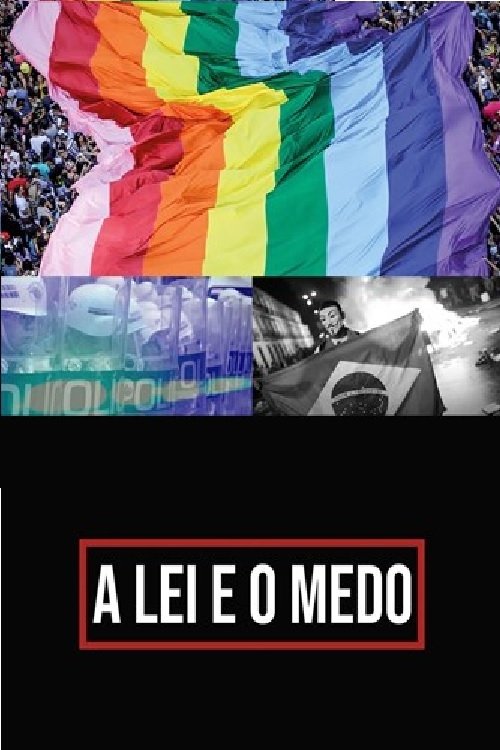
A documentary that shows the fear of the loss of democratic achievements in the face of Bolsonaro's election in 2018. The film highlights two of these laws, the one that allowed homo affective marriage, among other LGBTQ+ flags, and the one that allows arresting those who protest in the streets, created in 2013 to curb street movements against the government.
A Lei e o Medo

No description available.