João Rubio Rubinato
Directing
Known For
No description available.
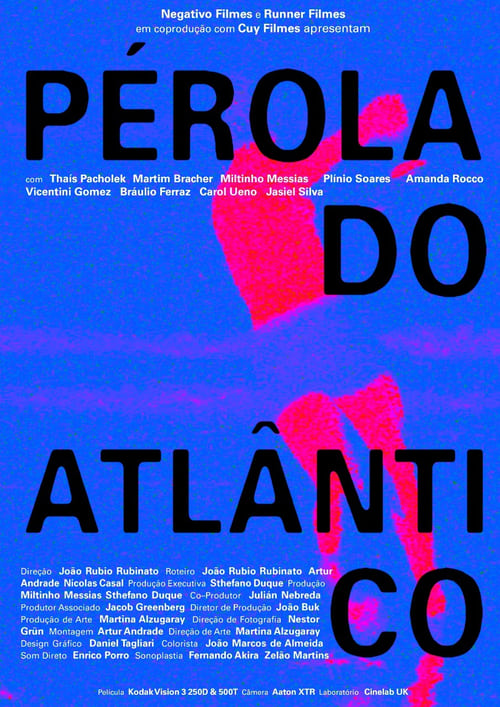
Pérola do Atlântico
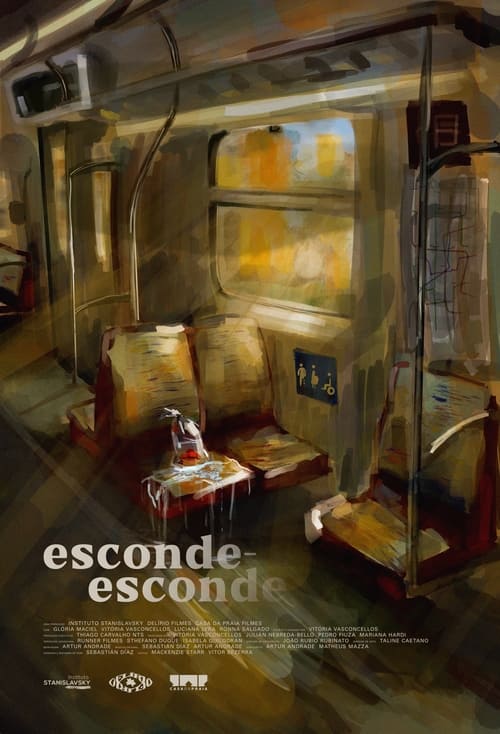
A woman conceals an intimate secret in São Paulo, unaware that her sister is following her closely.
Esconde-Esconde
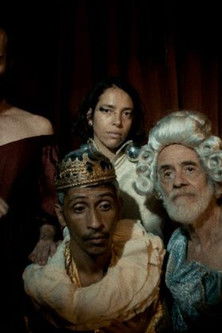
In an old, dilapidated mansion in downtown São Paulo, an old Shakespearean actor exiled from the stage lives with his ghosts. In his bed, surrounded by red curtains taken from an abandoned theater, he dreams of the plague and fire spreading throughout the country. A strange community forms around the old actor.
Deuses da Peste
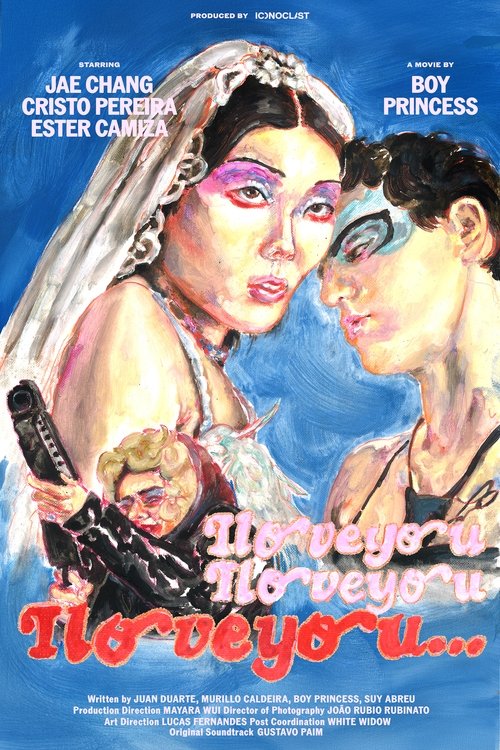
In a distant world ruled by a queer dictatorship, a non-binary couple's decision to marry challenges societal norms, blurring the lines of gender and love in a universe where inversions are the norm and limitations are mere illusions.
Iloveyou, Iloveyou, Iloveyou (...)
No description available.
Escuro

Amidst strange encounters in her life and work, Helena, a Brazilian filmmaker living in Chicago, is struck by a compelling obvious question: Where’s south?
Where's South?
No description available.
Suplício Noturno

bombs like fireworks, the artifice of televised war in a soft, black sky, perforations of light in the film’s velvet for any serious reflection the sidereal Consider in memory of the fallen in Gaza, the stars.
consider

In a small port city on the coast of São Paulo, Brazil, rapid advances in infrastructure works and growing tourist development are increasingly impacting the lives of local inhabitants. Edivaldo, a longtime resident of the region, passionate about cinema, uses his camera to record the memories and changes of the place where he grew up. Meanwhile, young Iara faces challenges in search of a new home in the Topolândia neighborhood, trying to escape the chaos caused by the construction of a highway near her home. In the midst of these transformations, an unprecedented storm hits the city.
Topo

No description available.
Rei do Brasil
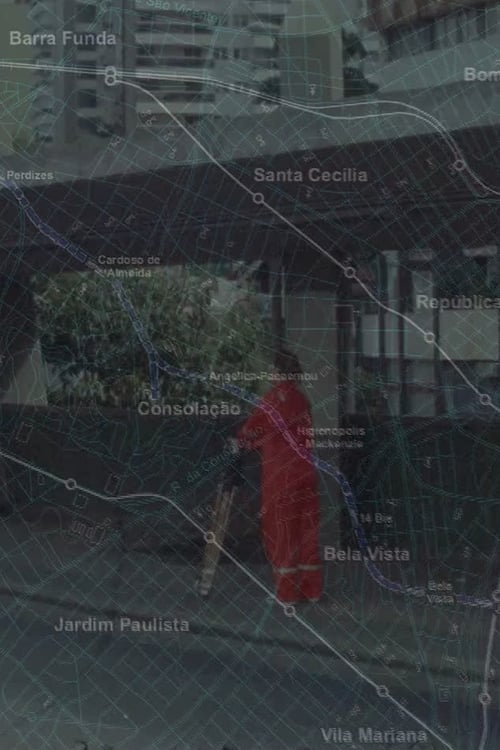
A place-specific film-excavation of Bixiga neighborhood-São Paulo. Choreography of forces that cross present time. Filmancy, clairvoyance is the vision of what is taking shape. Allegory: lobby-color, speculates. Hollow in the heart of the city, a rock. A bird ‘rappina’ lands. Novelty: Quilombo, alley, dealers: step. Vai-Vai samba school’s black and white banner. Pictograms from Benjamin’s “The Arcades project”. Progress: pluging the river while it’s possible. Commodity: Matarazzo & Metro. The real state of things, real estate: banning organic. Ground- quotation, avocados, blue taroes, water tanks, oxum: (cosmo) political reaction. Rheme maining sources: life asking for passage.
rheme maining sources
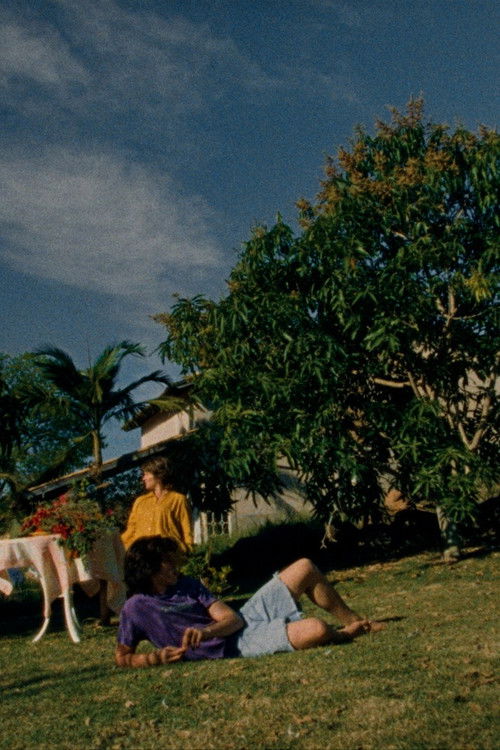
A boy feels the shadow of an irreversible environmental catastrophe drawing near. In the quiet of his backyard, he chooses to spend the last day before the world transforms beyond recognition alongside his mother. There, he witnesses the signs — the unrest of animals, the uprising of plants — while confronting the imminence of loss: not only the loss of a future he once imagined, but also the fragile bond that ties him to this woman and to this place. Guided by poetry, Late on the Planet is a meditation on the weight we give to the idea of finitude and on our precarious relationship with the more-than-human world. Inspired by the novel of the same name by Leonardo Piana.