Directing
No description available.
Documentary film about one of the last forest railways in Remetské Hámre, which transports workers and carries wood.
A document on the importance of forests to the national economy. It represents forests not only as a rich storehouse of wood, but also as an important factor for continuous water supply, as they regulate the water cycle and prevent both droughts and floods.
Film portrait about folk artists - wooden spoon maker, basket maker, artist, who make useful and beautiful objects from wood.
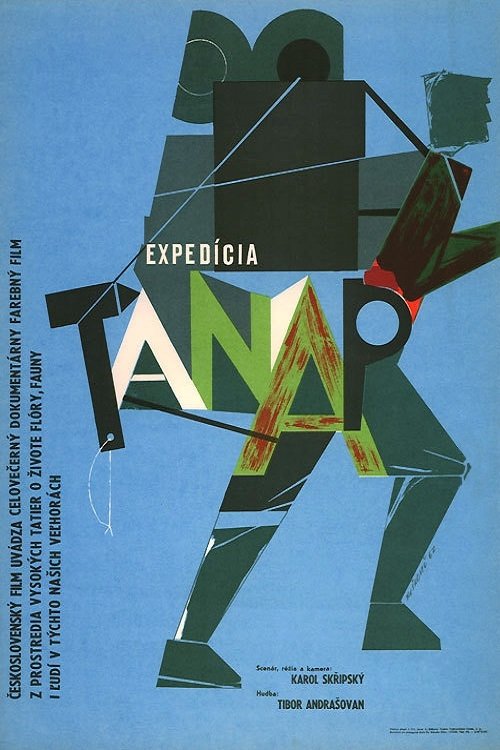
The peak of Slovak director Karol Skřipský's (1908) career can be traced back to the late 1950s to early 1960s. He is a leading popular science documentary filmmaker, known mainly for his films on nature and ethnography. In 1960, together with Martin Slivka, he released a film about ornamental motifs in folk interiors in western Slovakia, and his Ždiarske rekviem (Requiem of Ždiar) is a picture of traditional life in a Slovak mountain village throughout the year. In 1967, he attracted attention with an interesting report on the life of a lonely Robinson Crusoe in the middle of the Eastern Slovak Lowlands, entitled Štyri dni Ľudovíta Čonku (Four Days of Ľudovít Čonka). His work focuses on films about the High Tatras, and he ranks among the leading directors and cinematographers working on this theme.
A documentary picture of the coexistence of man and nature. Footage of one year in the life of Ľudovít Čonka and his wife, who are the only inhabitants of an abandoned island on the eastern Slovak river Latorica.
Documentary film about the life of people almost completely secluded from the world living in Liptovska Teplicka.