Directing
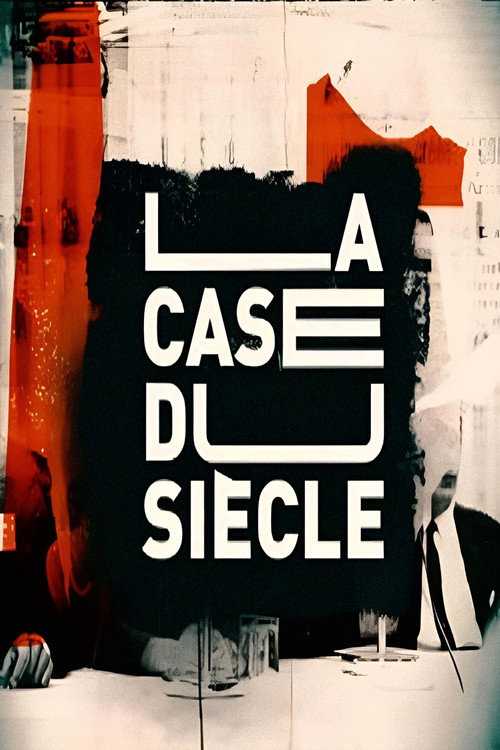
La Case du Siècle is a French television program launched in 2010 and broadcast on France 5. Hosted by Fabrice d'Almeida, it airs documentaries every Sunday that aim to shed light on the history of the 20th century, both in France and around the world. Through these documentaries, viewers can deepen their knowledge of a specific subject or simply discover a particular era. *La Case du siècle* offers an in-depth look at the events that changed the course of history.
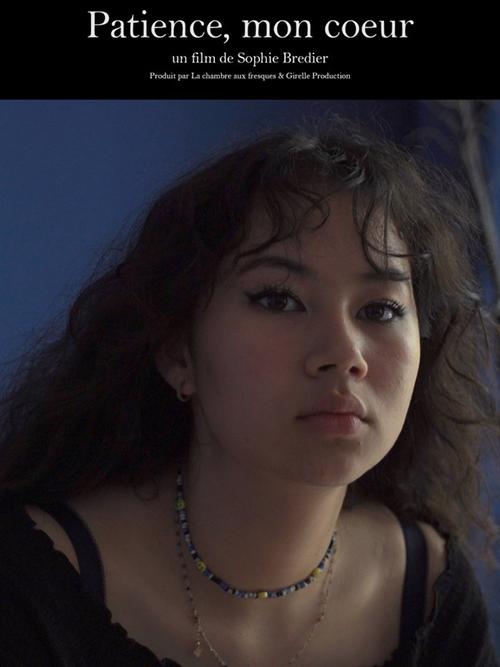
I am alone in an apartment. Opposite, a lake. I have to immerse my adoptive mother's funeral urn in it. This was her wish. How to make it? Suddenly, the ghost of my Korean mother reappears. My teenage daughter comes to support me.
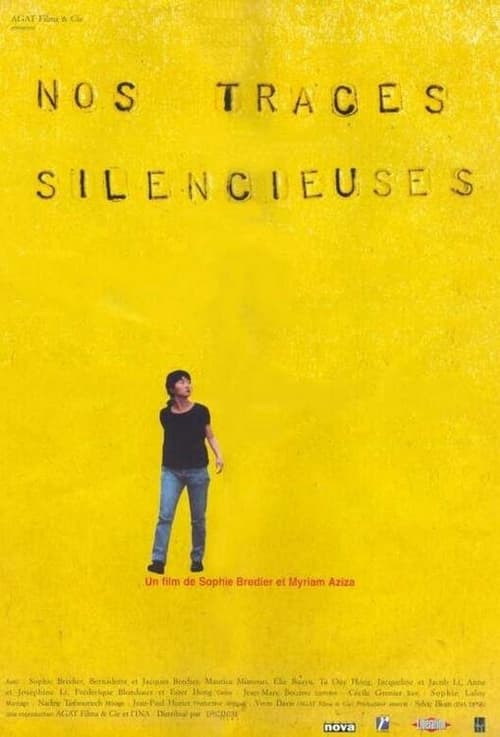
Twenty-five years after her adoption, Sophie returns for the first time to South Korea. On the scene of the separation - - the separation from a father, a sister and a country. But this private history refers to the collective history of a people divided by a line of demarcation since 1953.
A filmed personal journal in which a woman reviews her Korean ancestry, her troubled adoption, and her arrival in France.
In 2012, while filming at Saint-Louis Hospital in Paris, Sophie Brudieu met Mahmoud, a victim of the Egyptian revolution. Blinded by facial injuries, he had been brought to France for treatment with help from a humanitarian organization. Brudieu filmed him for several months—until one day, he vanished. His sudden absence unfolds into a quiet search for a missing life. Blending observational footage, voice messages, and an intimate gaze, Light of my Eyes explores what it means to see through another's eyes and reflects on memory, otherness, and the possibility of solidarity within absence.
Geishas or schoolgirls, dragon warriors or lolitas, the Asian women has never ceased to fascinate Westerners. But what is behind the profusion of images associated with them? In her very personal way, Sophie Bredier, French director of Korean origin, questions these representations in art and in the collective imagination, meeting artists such as Jean-Paul Goude, Christophe Gans, Romain Slocombe, Mariko Aoyama, Setsuko Balthus... Delving into the paths of creation and traversing fantasies that have Asian women as their object, the trajectory of the film is that of the identification of an imaginary woman and the projections that we make of her.