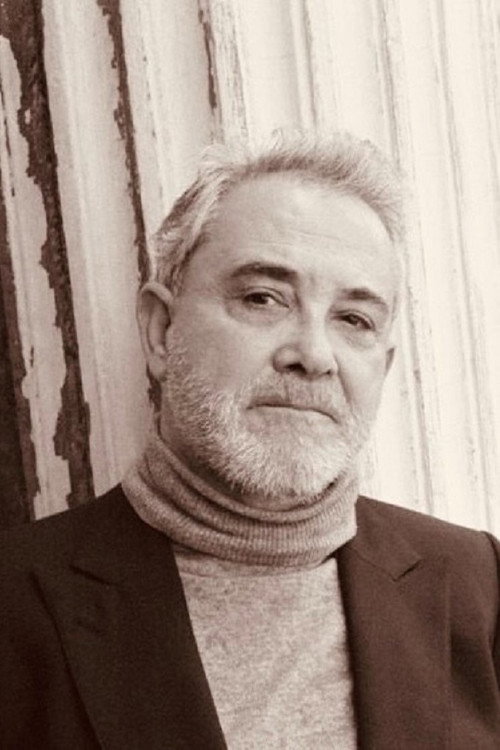
Kostas Tahtsis
Writing
Biography
Costas Taktsis (Greek: Κώστας Ταχτσής, 8 October 1927 – 25 August 1988) was a Greek writer. Described as a "landmark of post-war literature in Greece", Taktsis wrote The Third Wedding (Greek: Το τρίτο στεφάνι, romanized: To tríto stefáni) partly in Australia. The book unfolds in the years before and after World War II through the flowing personal narrative of two women: Ekavi and Nina, who speak in a direct and everyday language about what they live through. Unable to find a publisher in Greece he published it at his own expense in 1962. The book has been translated into 18 languages. The French edition was released by Éditions Gallimard in 1967, translated by Jacques Lacarrière. In 1969 it became the first Greek novel published by Penguin Books. A new English translation by John Chioles, was published as The Third Wedding Wreath, by Hermes in 1985. Many directors including Michael Cacoyannis unsuccessfully tried to produce a film based on the book. Greek broadcaster ANT1 TV produced a television series based on the book in 1995 with Nena Menti in the role of Nina and Lida Protopsalti as Ekavi. A 4-hour adaption for the theatre, directed by Stamatis Fassoulis was produced by the National Theatre of Greece in 2009–2010. Multi-lingual, he also translated ancient Greek drama, mainly Aristophanes' comedies (The Frogs, The Clouds, The Birds (play), Lysistrata), as well as foreign literature. Together with Nanos Valaoritis and others he participated in the editorial team of the pioneering literary magazine Pali (1964–1967). One theme that is ubiquitous in Taktsis's later texts is homosexuality, which he sometimes accepts and sometimes sees as a permanent curse.
Known For
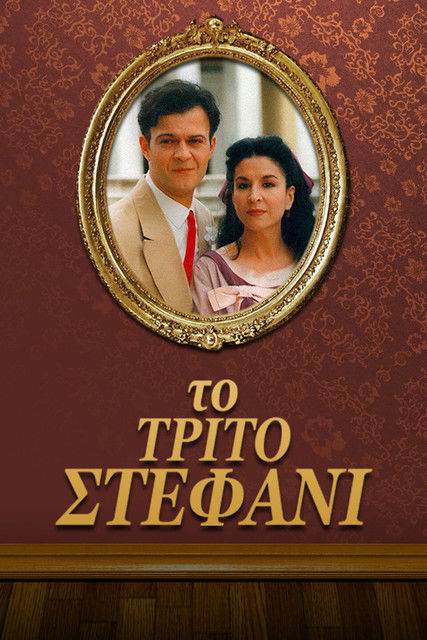
The novel's plot unfolds mainly during the interwar period and the Occupation. The protagonists and narrators are two women, Nina and her friend Hekabi, who live in these periods and faithfully describe the climate of the era through their personal stories. Nina successively performs three marriages — hence the title of the work.
The Third Wedding
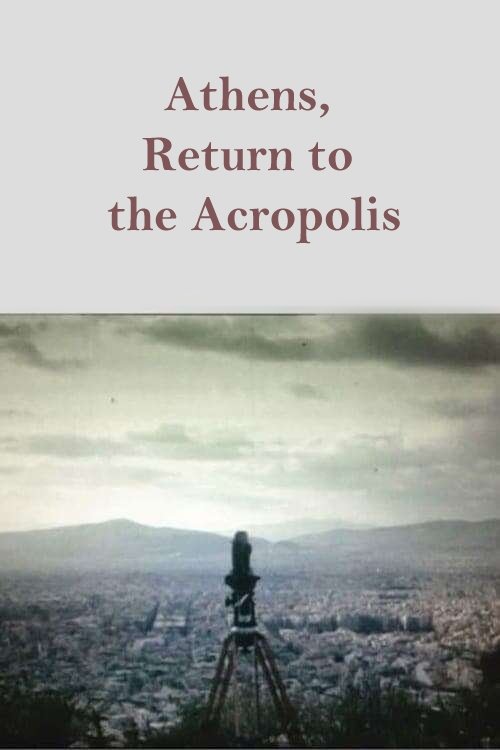
A poetic visit to the city of Athens, based on paintings, poems and philosophical texts.
Athens, Return to the Acropolis
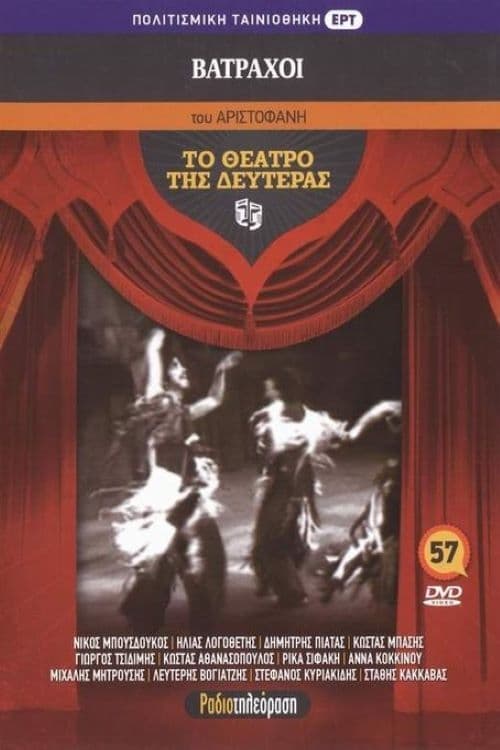
The comedy was written and played at the end of the 5th century BC, at the end of the Peloponnesian War, a time of decline of the Athenian Republic. Aristophanes, on the occasion of the political situation in his country, tries to help his fellow citizens by presenting this comedy. Dionysus and his slave Xanthias, with the instructions of Hercules, go down to Hades looking for a poet, who will bring his city out of the impasse in which it has reached. After the poetic struggle between Euripides and Aeschylus, Dionysus chooses the latter to save Athens and they leave Hades together.