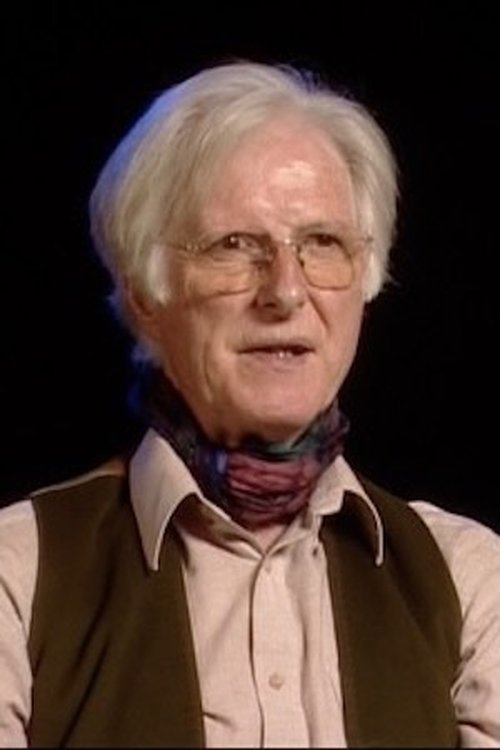
Richard Martin
Directing
Known For
The adventures of The Doctor, a time-traveling humanoid alien known as a Time Lord. He explores the universe in his TARDIS, a sentient time-traveling spaceship. Its exterior appears as a blue British police box, which was a common sight in Britain in 1963 when the series first aired. Along with a succession of companions, The Doctor faces a variety of foes while working to save civilizations, help ordinary people, and right many wrongs.
Doctor Who

Crown Court is an afternoon television courtroom drama produced by Granada Television for the ITV network that ran from 1972, when the Crown Court system replaced Assize courts and Quarter sessions in the legal system of England and Wales, to 1984.
Crown Court
A one-hour anthology television series of one-off contemporary and classic dramas produced by the BBC.
Playhouse
The trials and misadventures of the staff at a country veterinary office in Yorkshire. James Herriot, a young animal surgeon, moves to a small Yorkshire town to begin his first job.
All Creatures Great and Small
Anthology series of dramatic works.
ITV Saturday Night Theatre
Churchill's People is a British anthology series based on A History of the English-Speaking Peoples, Winston Churchill's four-volume history of Britain and its former colonies. 26 episodes were produced by the BBC and initially broadcast from 30 December 1974 to 23 June 1975.
Churchill's People
Anthology series of half hour plays produced in BBC's Television Centre's studios.
Centre Play
An anthology of 1920s set plays and musicals, transmissioned from 10 September to 10 December 1968 on BBC One.
The Jazz Age
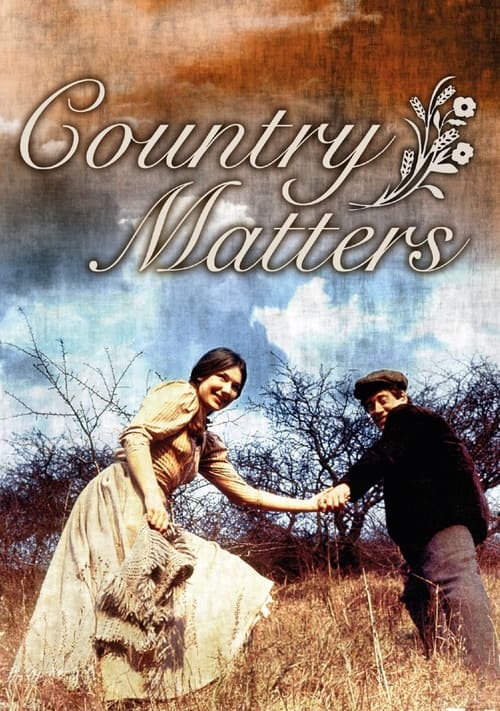
An anthology series adapted from plays and short stories by A.E Coppard and H.E. Bates, depicting English country life and rural romance at the turn of the 20th-century. It presents unsentimental stories of human relationships and raw emotions – heartfelt passions, crippling frustrations, unspoken love and destructive jealousy.
Country Matters
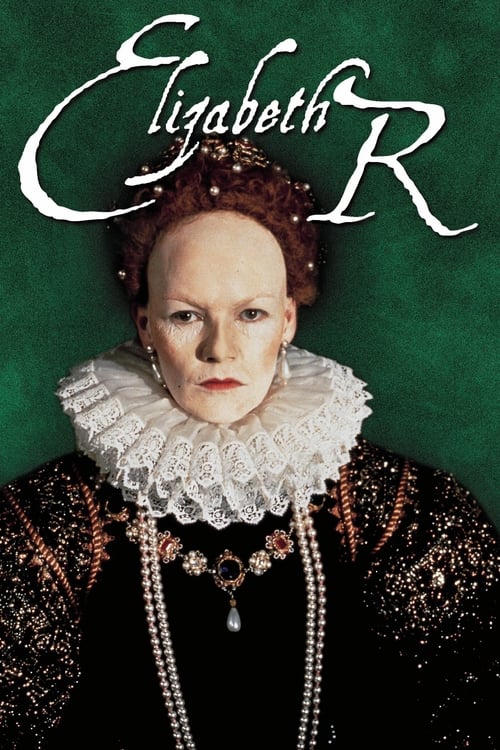
This historical mini-series documents the reign of Elizabeth I with each episode focusing on one dramatic period in the lengthy reign of the Virgin Queen, including her ascension to the throne, her various marital intrigues, her problems with her cousin Mary, Queen of Scots, and the threatened invasion of the Spanish Armada.
Elizabeth R
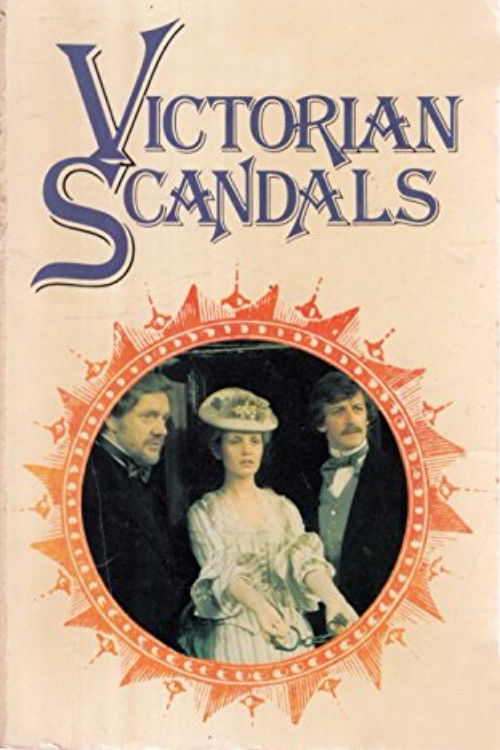
Featuring dramatised versions of true stories that shocked mainstream Victorian society.
Victorian Scandals

Sir Arthur Conan Doyle's non-Sherlock Holmes stories embodying the author's interest in boxing, the supernatural, and medical matters.
Sir Arthur Conan Doyle
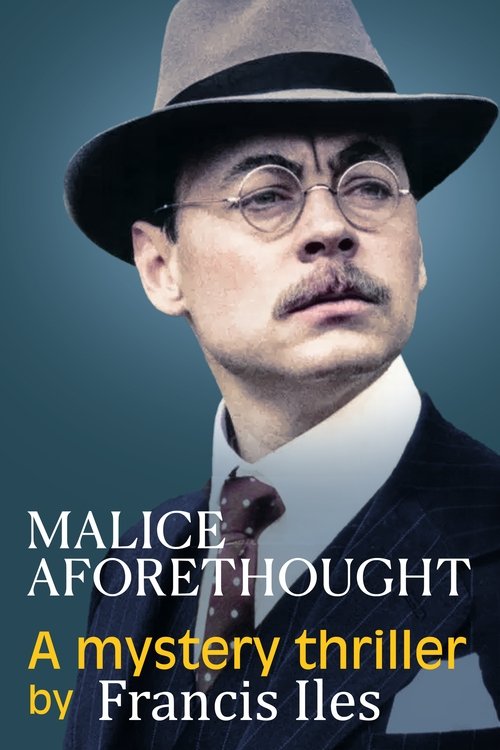
Malice Aforethought is a four-part 1979 BBC Two miniseries by Philip Mackie, adapted from Anthony Berkeley Cox's (pen name Francis Iles) 1931 noir novel of the same name. For ten years, Julia Bickleigh has despised and bullied her husband. For ten years Dr Bickleigh has dreamed of romance ... and escape.
Malice Aforethought
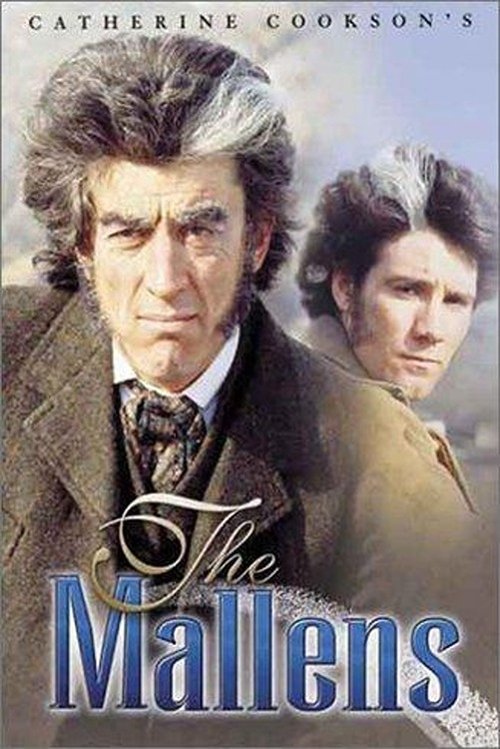
The Mallens is a British television drama based on four Catherine Cookson novels, The Mallen Streak, The Mallen Girls, The Mallen Secret, and The Mallen Curse. Produced by Granada Television for ITV1, it ran for thirteen episodes from 10 June 1979 to 3 July 1980. A ruthless 19th-century Northumberland squire, Thomas Mallen of High Banks Hall, has a genetic white streak (poliosis) in his hair and fathers numerous illegitimate children, all of whom inherit the white streak and live disastrous lives.
The Mallens
A short-lived horror anthology broadcast in the United Kingdom weekly in 1968 from 11 April until 16 May 1968 on the BBC. After complaints that is was not suitable for audiences, the series was pulled, with five of the six episodes believed lost.
Late Night Horror
Quick Before They Catch Us was a 1966 British action/adventure children's television series. It starred then child actors Pamela Franklin, Teddy Green and David Griffin as three teenagers who become amateur detectives in Swinging London during the mid-1960s. Although the series was short-lived, all three stars went on to have long and successful television careers in both the United Kingdom and the United States. Its theme song, written and performed by Brian Epstein's Paddy, Klaus and Gibson, later became a popular tune and one of the group's first hits after releasing it as a single.
Quick Before They Catch Us
A look at the appearances of the Daleks and Davros in the classic Doctor Who era.
The Dalek Tapes
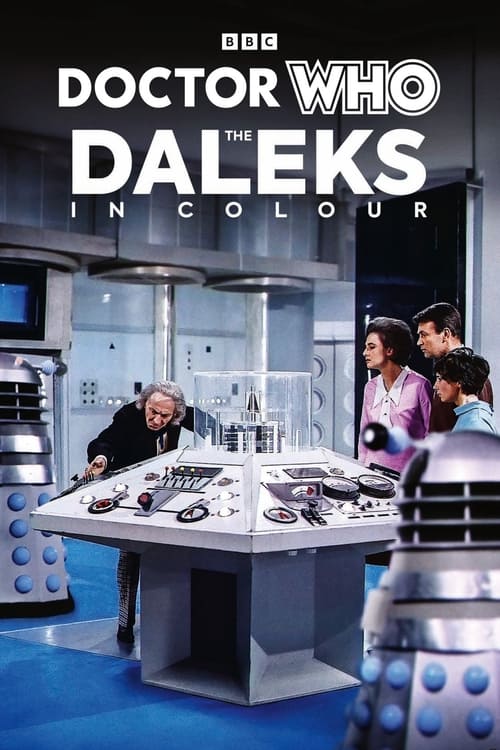
The very first crew of the TARDIS land in a petrified forest on an alien planet. Determined to explore, the Doctor leads his companions into the metal city, where they discover danger at every corner and what will become his deadliest enemy... the mutant Daleks. It's time to encounter the Daleks once again, but this time in a way you've never seen them before. Originally transmitted in December 1963 to February 1964, the seven original episodes of the first Dalek story have received a cosmic makeover, dazzlingly colourised and woven together into a 75-minute blockbuster with brand-new sound and a brand-new score created by Mark Ayres. The Daleks has been gloriously updated, whilst ensuring the original story remains as thrilling as it was in 1963.
Doctor Who: The Daleks in Colour

In this completely TARDIS-based story, the crew find themselves and their ship acting very strangely indeed. Blame runs high for the Ship's unusual behavior, until the Doctor realizes the TARDIS itself may be trying to warn them...
Doctor Who: The Edge of Destruction
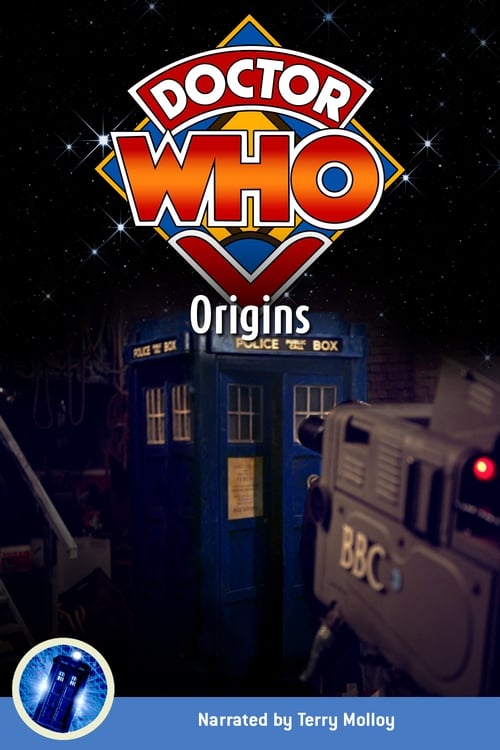
A 55-minute documentary, detailing the creation of Doctor Who, including a rare interview with creator Sydney Newman, and new interviews with producer Verity Lambert, directors Waris Hussein and Richard Martin, actors William Russell and Carole Ann Ford, title sequence designer Bernard Lodge, and TARDIS sound effect creator Brian Hodgson