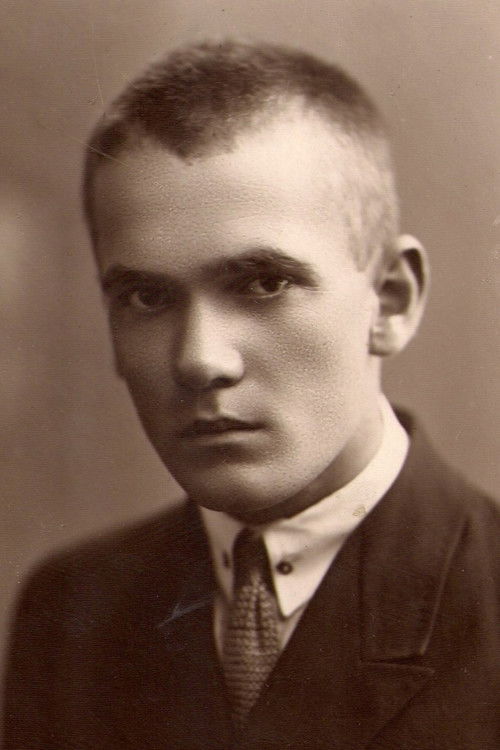
Maksim Luzhanin
Writing
Known For
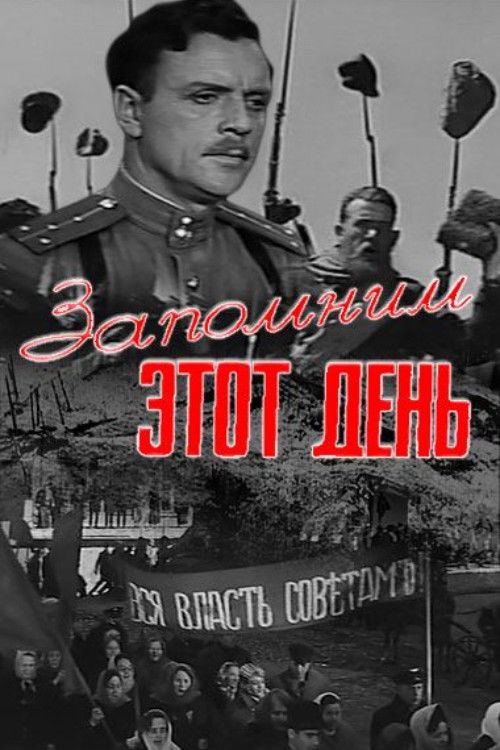
The events take place on the eve of the Great October Socialist Revolution. At the center of the film’s narrative is the судьба of a revolutionary grenadier regiment that played an important role in securing the victory of Soviet power in Belarus.
Let's Remember This Day
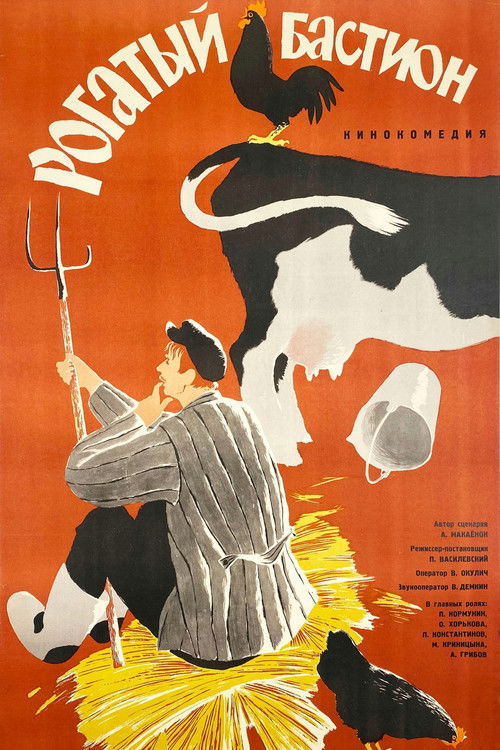
Collective farmer Lyavon Chyh prefers private farming to public farming. For his beloved cow Krasuli, he tries to steal hay from a collective farm stack, refuses to consent to the wedding of his daughter Sonya with a zootechnician Misha, because the young people are going to live in a new comfortable house without a private plot. After all, he hoped that in the person of his son-in-law he would acquire a new employee in his vast household. Worried about rumors that household plots will be cut off, he complains to the regional committee.
Horned Bastion
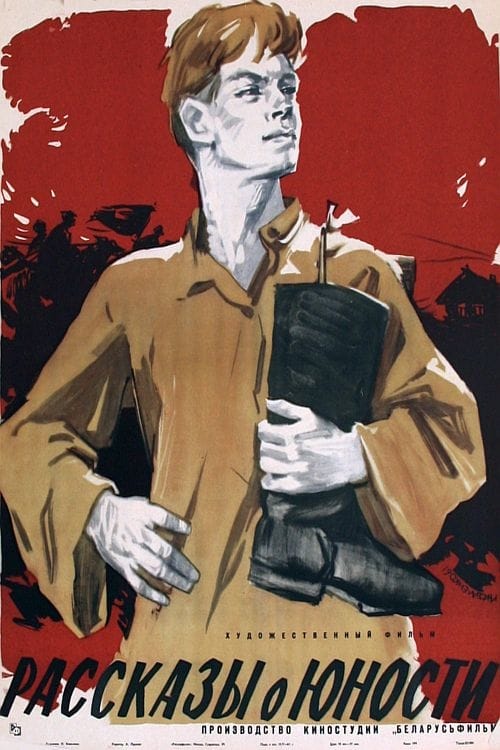
No description available.
Рассказы о юности
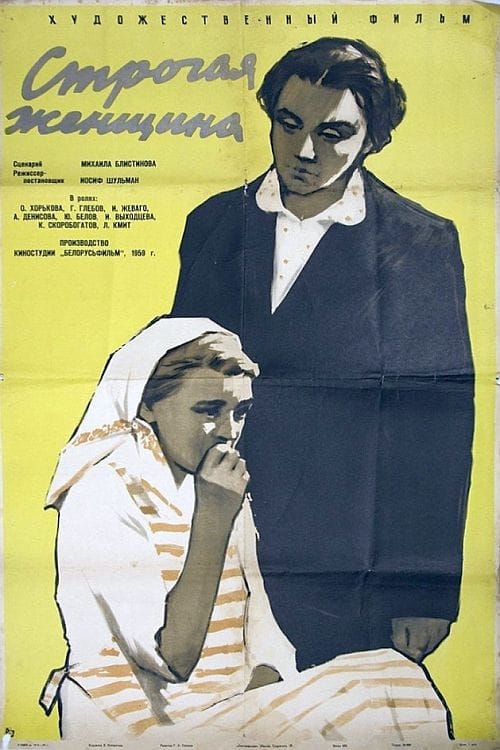
Khrystyna Zhalyuk, the chairman of the village council, has had many difficulties from the very first days of her work. The first session of the village council is disrupted due to the fault of the collective farm chairman Spyridon Zhilinka, who pretended to be sick and did not show up at the meeting. Khristina's daughter Yulka is accused of calf death and suspended from work. Makar Shulga, the former chairman of the village council, who has now settled in the district center, is weaving intrigues against Khristina. Zhalyuk discovers that Zhilinka and Shulga were engaged in eyewash, overestimating the yields of some crops.
Strict Woman
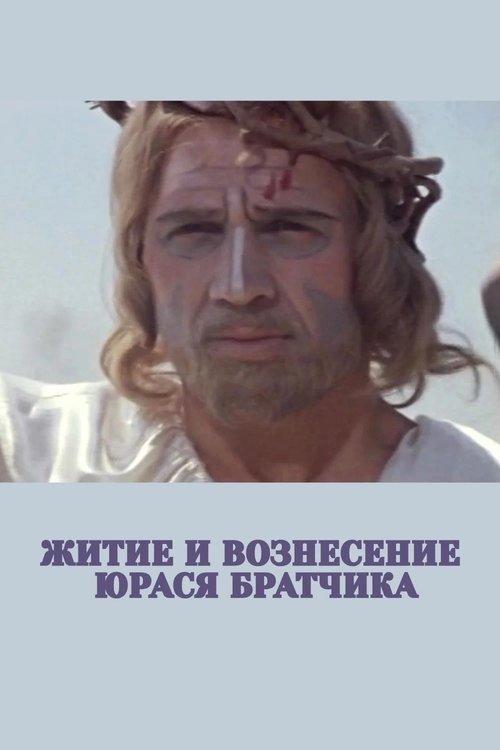
In ancient times of famine and Tatar raids, the satirist Yuras Bratchik appears to the people in the guise of Christ, and the people believe in a miracle. The cunning monk Bosyatsky decides to use this event. Arrested by order of the Cardinal, Yuras and his friends - "apostles", disguised and dressed in appropriate clothes, are brought to the people. The hungry people begin to beg for bread, and Yuras leads the crowd to the bins of the rich. Having escaped from the Cardinal, Yuras and his friends take refuge in a convent. With the help of the people they defeat both the attacking Tatars and the Cardinal's army.
The Life and Ascension of Yuras Bratchik
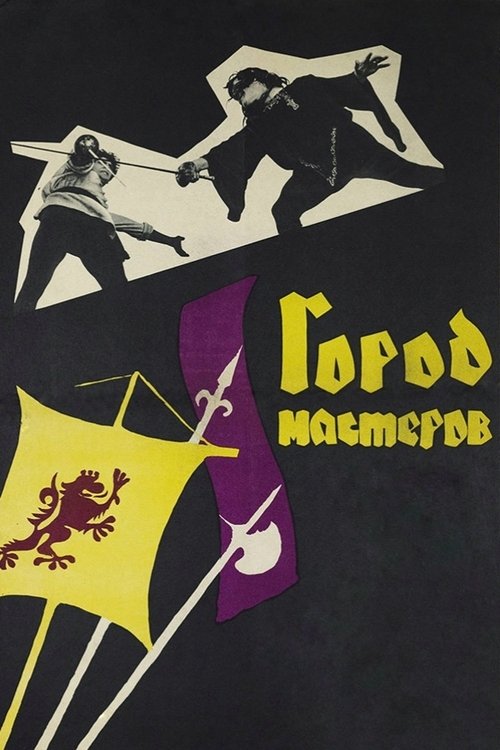
After their town is occupied the citizens are trying to fight the enemy. Based on Tamara Gabbe fairy tale.
The City of Masters
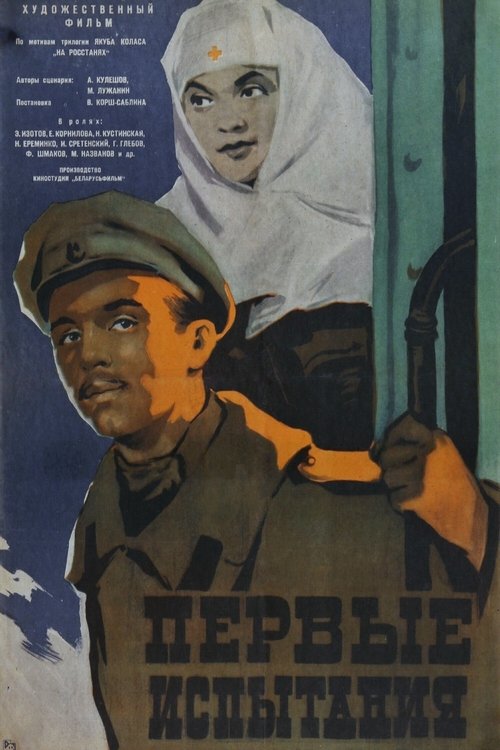
The young teacher Lobanovich, who has just graduated from the seminary, comes to the remote Polessky village of Telshino to teach the peasant children to read and write. In the heads of seminarians persistently hammered into the idea that the Tsar-father endlessly cares about the common people, and the people respond to him sincere filial gratitude. Arriving in the village, the teacher saw a different picture. The Poleshuk people are beaten down, driven, living in mud, darkness, tightly entangled in a network of prejudices and superstitions....
First Trials

Returning to his native village at the end of his military service, Victor (Yuri Sarantsev) brought his bride into the house - and soon they got married. Victor works on the collective farm with great enthusiasm, he is appointed a foreman, but the happiness of old Danila, Victor’s father, is overshadowed by dirty gossip - as if Victor’s father is not he, but Shandybovich, whose unseemly deeds were recently exposed by Victor.
Happiness Must Be Protected
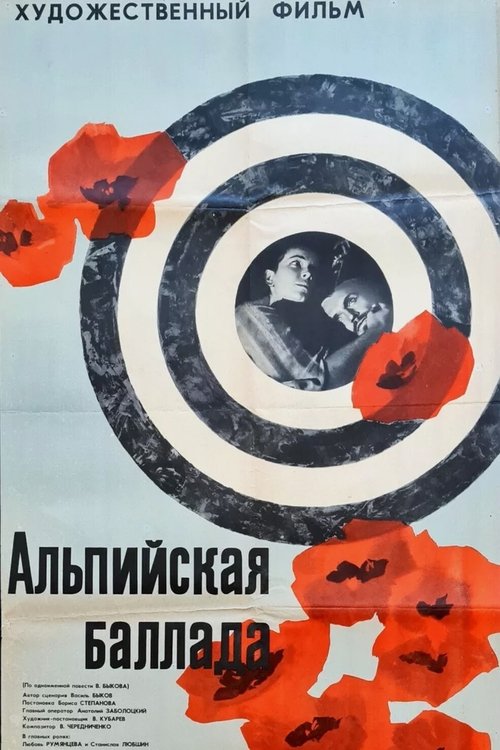
A romantic tale set during WW2 between a Soviet (Belarusian) soldier and Italian girl, who try to escape the horrors together.
Alpine Ballad
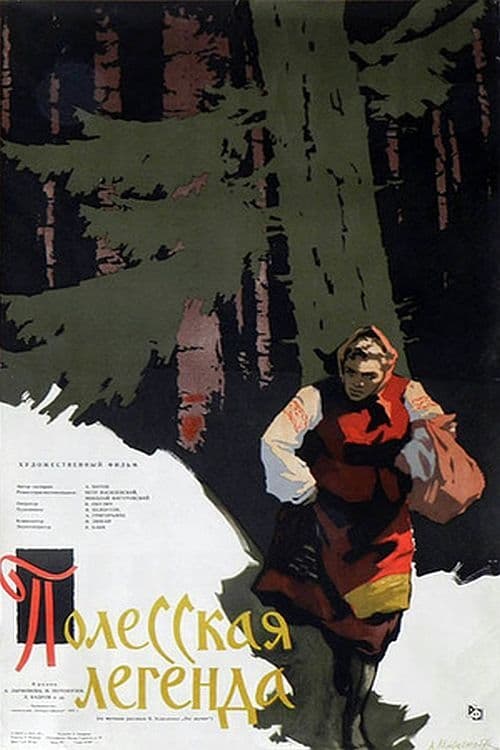
No description available.
Полесская легенда
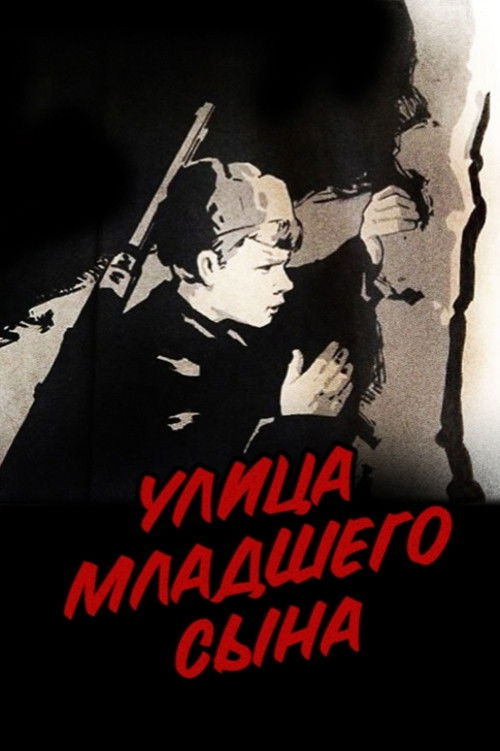
No description available.
Street of the Youngest Son
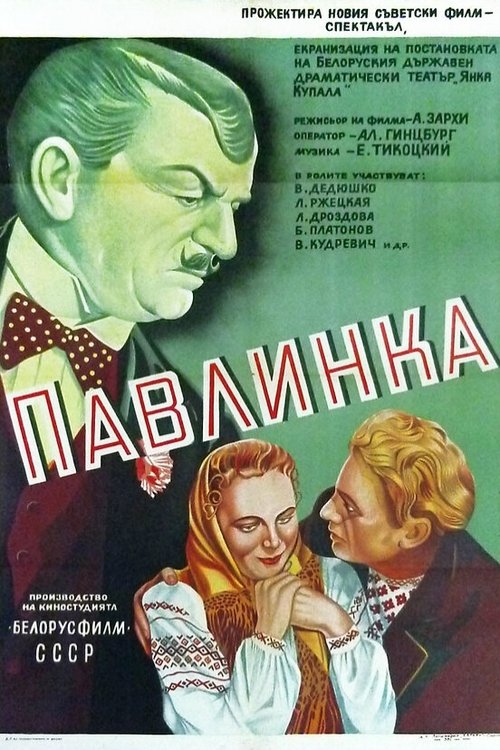
About the love of a Belarusian peasant girl Pavlinka and a village teacher Yakim, about the obstacles that stood in their way, about how they fought against them and defended their happiness.