Richard Gilbert
Production
Known For
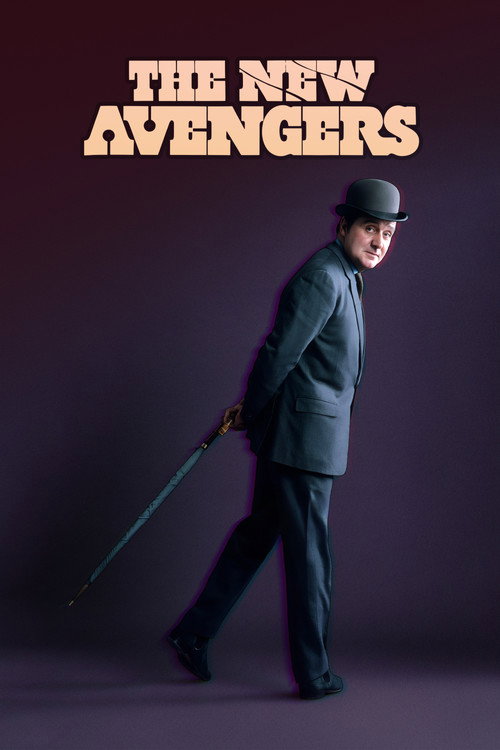
The New Avengers is a British secret agent fantasy adventure television series broadcast during 1976 and 1977. It is a sequel to the 1960s series The Avengers and was developed by Albert Fennell and Brian Clemens. A joint United Kingdom-France-Canada production, the show picks up the adventures of John Steed and his team of Avengers fighting evil plots and world domination. Whereas in the original series Steed had almost always been partnered with a woman, in the new series he had two partners: Mike Gambit, a top agent, crack marksman and trained martial artist, and Purdey, a former trainee with The Royal Ballet who was an amalgam of many of the best talents from Steed's previous female partners.
The New Avengers
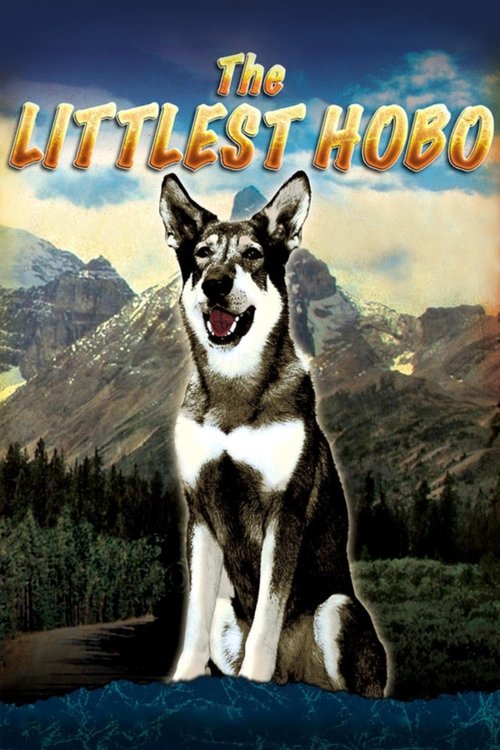
The Littlest Hobo is a Canadian television series based upon a 1958 American film of the same name directed by Charles R. Rondeau. The series first aired from 1963 to 1965 in syndication, spanning six seasons and was revived for a popular second run on CTV from October 11, 1979 to March 7, 1985. It starred an ownerless dog. All three productions revolved around a stray German Shepherd, the titular Hobo, who wanders from town to town, helping people in need. Although the concept was perhaps similar to that of Lassie, the Littlest Hobo's destiny was to befriend those who apparently needed help. Despite the attempts of the many people whom he helped to adopt him, he appeared to prefer to be on his own, and would head off by himself at the end of each episode. Never actually named on-screen, the dog is often referred to by the name Hobo or by the names given by temporary human companions. Hobo's background is also unexplained on-screen. His origins, motivation and ultimate destination are also never explained. Although some characters appeared in more than one episode, the only constant was the Littlest Hobo himself.
The Littlest Hobo
Our Miss Pemberton is a British television programme which aired on the BBC from 1957 to 1958. A drama, it was about life in a small town. All 56 episodes were broadcast live and no telerecordings appear to have survived, leaving them lost.
Our Miss Pemberton
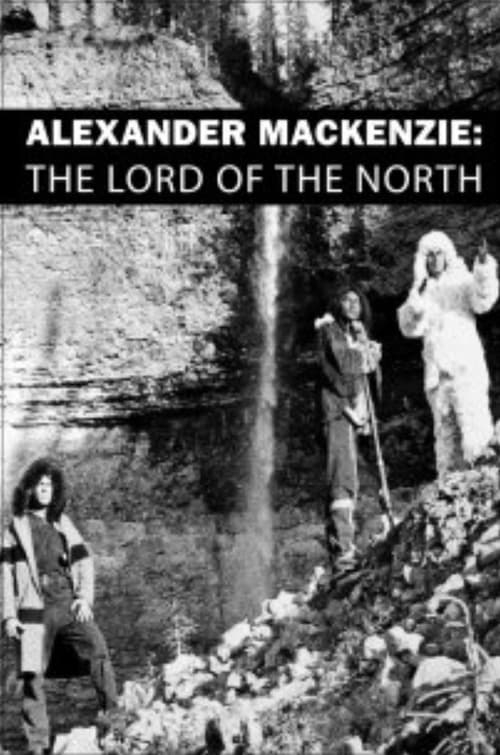
Filmed on the great Mackenzie River, this short fiction film recreates the amazing voyage of the man who gave his name to it. Following the path outlined in Mackenzie's journal, the film depicts his arduous journey by canoe all the way to the salt water of the Arctic Ocean - one of the great epics of northern exploration.
Alexander Mackenzie: The Lord of the North
This short film realistically portrays the conflict Henry Hudson experienced when he went in search of an open water route to the Orient, and no one would follow him. What he discovered instead was an inland sea, a discovery that ended in tragedy.
The Last Voyage of Henry Hudson
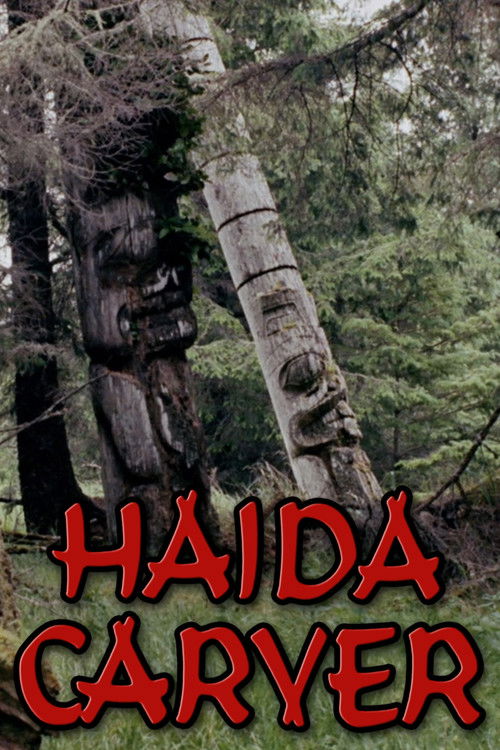
On Canada's Pacific coast this film finds a young Haida artist, Robert Davidson, shaping miniature totems from argillite, a jet-like stone. The film follows the artist to the island where he finds the stone, and then shows how he carves it in the manner of his grandfather, who taught him the craft.
Haida Carver
A jetliner spans the miles, sheering through clouds to open sky and scenic vistas of the provinces below. Glimpses of town and country, of people of many ethnic origins, of a resourceful and industrious nation - impressions it would take days and weeks to gather at first hand - are brought to you in this vivid 1800-kilometer panorama.
Trans-Canada Journey
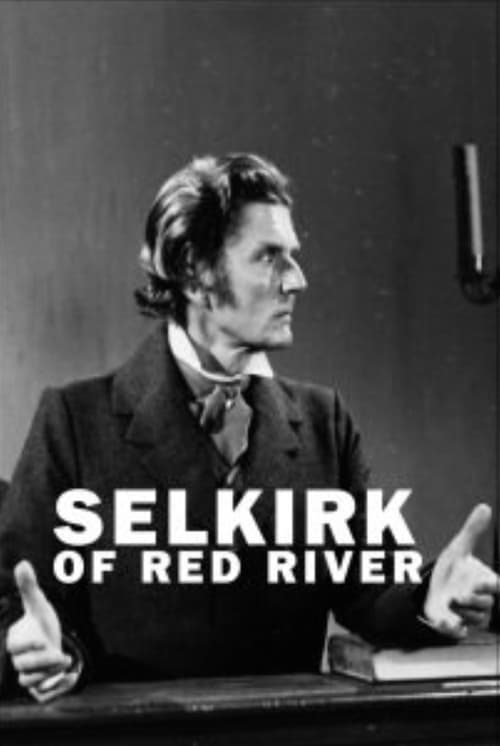
This film tells the story of the Red River settlement, now the city of Winnipeg, Manitoba. The pioneer venture of Thomas Douglas, Earl of Selkirk, to establish a colony brought opposition from the North West Company, the Hudson's Bay Company’s powerful rival. A fine cast of actors portrays the ensuing dispute.
Selkirk of Red River
A cross-cultural study of child-rearing in India, France, Japan, and Canada, observing how family practices around a one-year-old reflect broader cultural values, with commentary by Margaret Mead.
Four Families
This short documentary explores issues surrounding the integration of Canadian Indigenous people into social institutions such as the non-Indigenous school systems and workforce. Questions arise about the viability and desirability of integration, and old prejudices are revealed in interviews and commentary from both Indigenous and non-Indigenous Canadians.