
Pınar Öğrenci
Directing
Known For
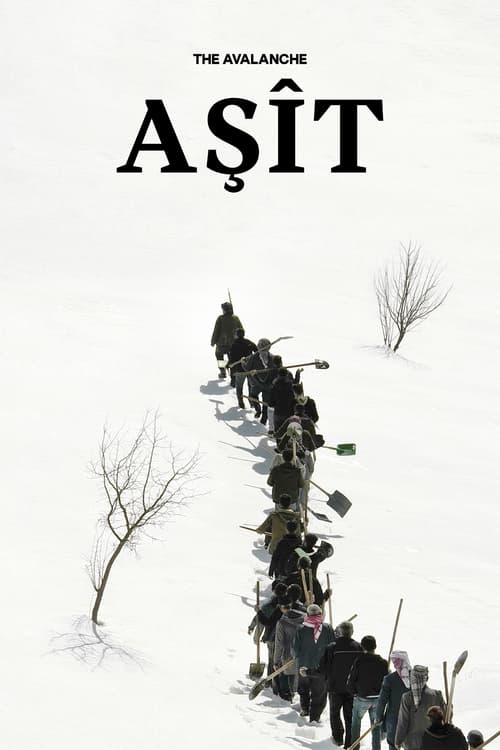
Loosely inspired by Stefan Zweig’s novella, in which playing chess is depicted as a means of surviving fascism, The Avalanche recounts the events of the Armenian genocide, still contested by the Turkish state. Pinar Öğrenci uses archives and present-day footage of the region to uncover the traumas left by the Armenian people on their landscape and their memories.
The Avalanche

Turkish Delight follows the story of the production of lokum (Turkish Delight), one of the most emblematic delicacies of Turkish culinary culture, that extends from Western Anatolia to the Greek island of Syros. Known as ’rahat-ul hulkum’ in Arabic and ’lokoumi’ in Greek, ’lokum’ came to be called as ’Turkish Delight’ at the end of the 19th century, when nationalist policies were introduced, and became the breadbasket for refugees fleeing the war that would soon begin. The film tells part of the story of Syros, which was built with the labour of Greek (Rum in Turkish) refugees from Anatolia and the islands, and focuses on the forced separation of peoples who lived together for centuries.
Turkish Delight
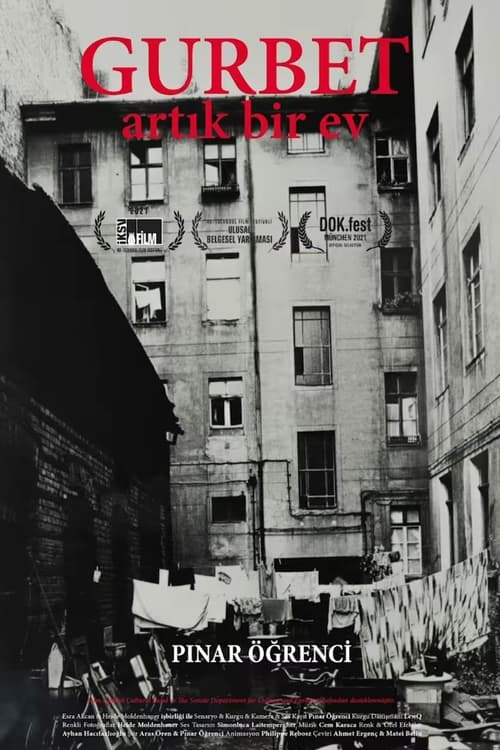
Pınar Öğrenci’s first documentary film examines the effects of discriminatory urban policies implemented in the 1980s in Berlin on “guest workers.” The starting point of the film is IBA (International Bau Austellung), the post-war urban renewal project carried out in the district of Kreuzberg between 1984 and 87. The photographs taken by the architect Heide Moldenhauer, who worked for IBA, and various archival materials form the basis of the film. Nearly forty years after they were taken, Öğrenci finds the people in the photographs to hold interviews with them and displays the hidden history of Kreuzberg through the experiences and solidarity stories of women immigrants.
Abroad Is A Home Now
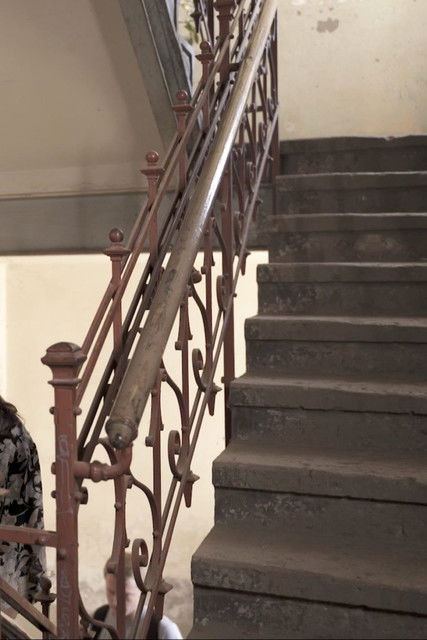
Inventory 2021 is a remake of the original film Inventur-Metzstrasse 11 shot by Yugoslav director Želimir Žilnik in Munich in 1975. In this second version of his film, set in the city of Chemnitz and shot in 2021, Öğrenci offers an alternative look at the situation of people of different genders, ages and ethnicities living in Germany as immigrants. As in the original work, the filming takes place inside the building where the people are supposedly staying, who, one after the other, introduce themselves to the camera by briefly telling who they are and how they live their situation as immigrants.