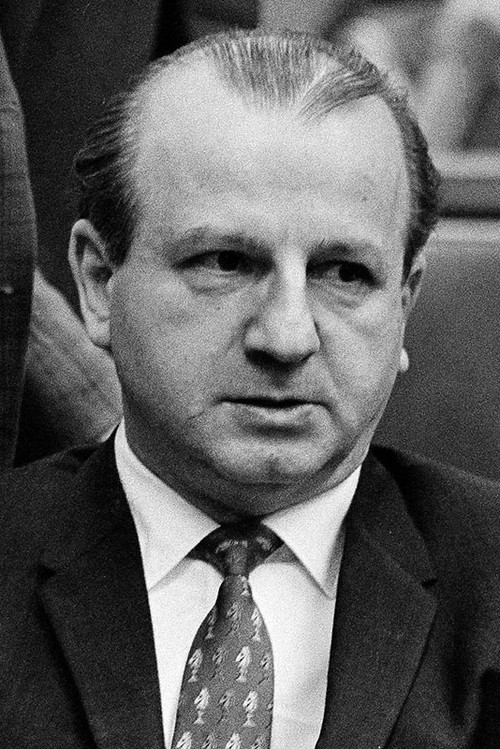
Jack Ruby
Acting
Biography
Jack Leon Ruby (born Jacob Leon Rubenstein; April 25, 1911 – January 3, 1967) was an American nightclub owner and alleged associate of the Chicago Outfit who murdered Lee Harvey Oswald on November 24, 1963, two days after Oswald was accused of the assassination of President John F. Kennedy. A Dallas jury found Ruby guilty of murdering Oswald and sentenced him to death. Ruby's conviction was later appealed, and he was to be granted a new trial; however, he became ill in prison and died of a pulmonary embolism from lung cancer on January 3, 1967.
Known For
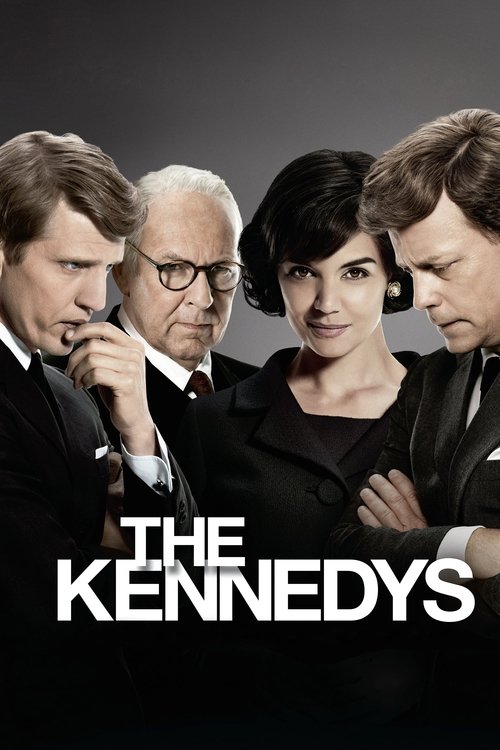
The triumphs and tragedies of the most popular political family in American history.
The Kennedys
History's Mysteries was an American documentary television series on the History Channel.
History's Mysteries
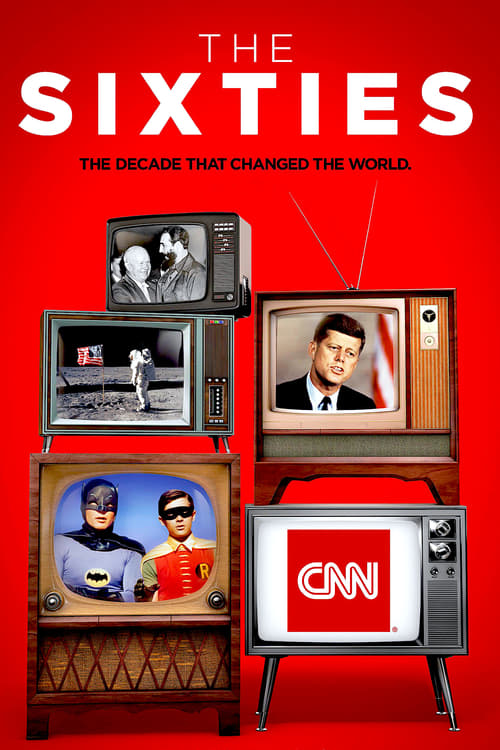
The space race, the cold war, "free love," civil rights and more: The decade of the 1960s shaped our history -- and changed the world. In collaboration with Tom Hanks, Gary Goetzman and Mark Herzog, CNN explores perhaps the most transformative decade of the modern era in a 10-part documentary series and brings new insights into how those events shaped today.
The Sixties
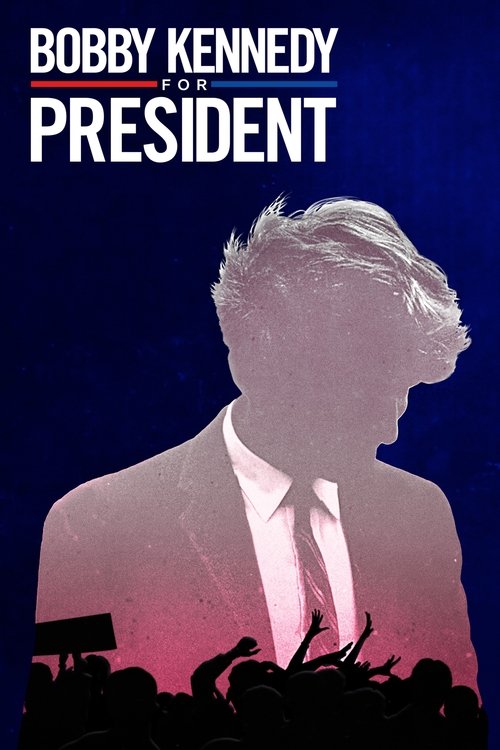
Historic footage and leading voices of the era examine the "Bobby Phenomenon" of the 1960s and the legacy of the man who helped redefine the country.
Bobby Kennedy for President
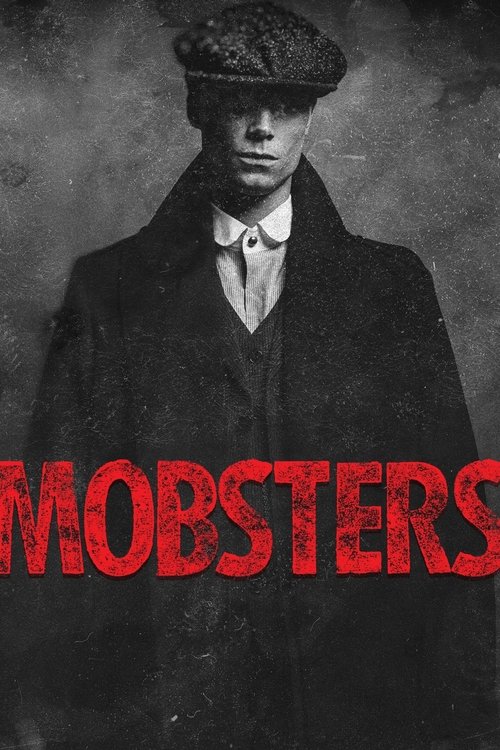
Mobsters is an American documentary television series that profiles the lives of infamous individuals in history; the series puts the spotlight on some of history's most infamous gangsters and all that went on during their reigns. The series airs on The Biography Channel. Some episodes of Mobsters are rehashes of the similar TV Series American Justice as well as Notorious (TV series), both series that were originally broadcast on Biography Channel's sister channel, A&E Network; some episodes also rehash segments from another A&E series American Gangster, which began airing on the Black Entertainment Television channel. The only differences are the intro of the episodes and the lead-in's after commercials. Besides this, the rehashed episodes are no different in any way.
Mobsters
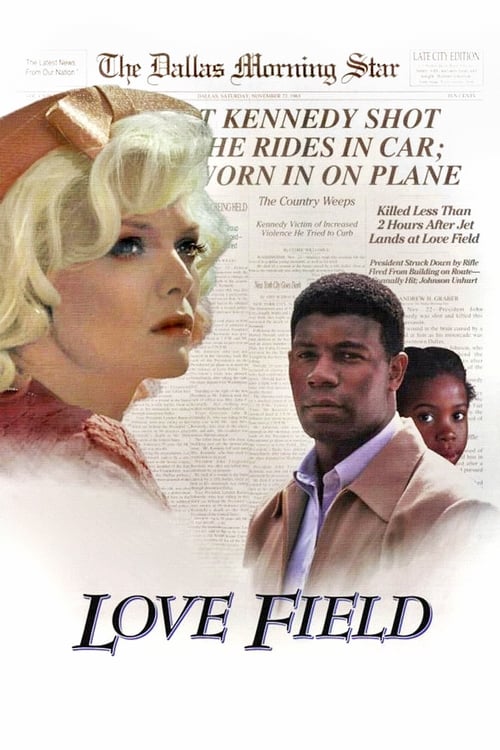
Dallas housewife Lurene Hallett's life revolves around the doings of Jacqueline Kennedy. She is devastated when President Kennedy is shot a few hours after she sees him arrive in Dallas. Despite her husband Ray's prohibition, she decides to attend the funeral in Washington, D.C. Forced to travel by bus, she befriends Jonell, the young black daughter of Paul Couter. Sensing something wrong, her good intentioned interference leads the mixed race threesome on an increasingly difficult journey to Washington with both the police and Ray looking for them.
Love Field
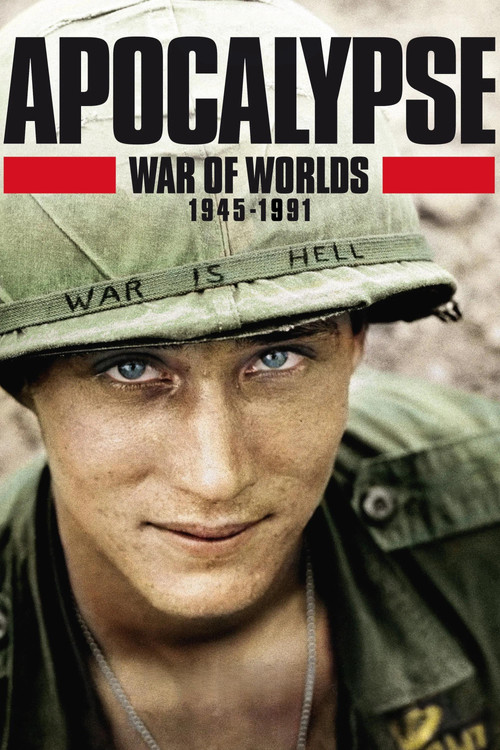
The story of this fantastic period of history between 1945 and 1991, which was defined by the confrontation of two worlds and two systems. The capitalist West, dominated by the ever-powerful United States, is pitted against the Communist East, the Soviet Empire.
Apocalypse: War of Worlds (1945-1991)
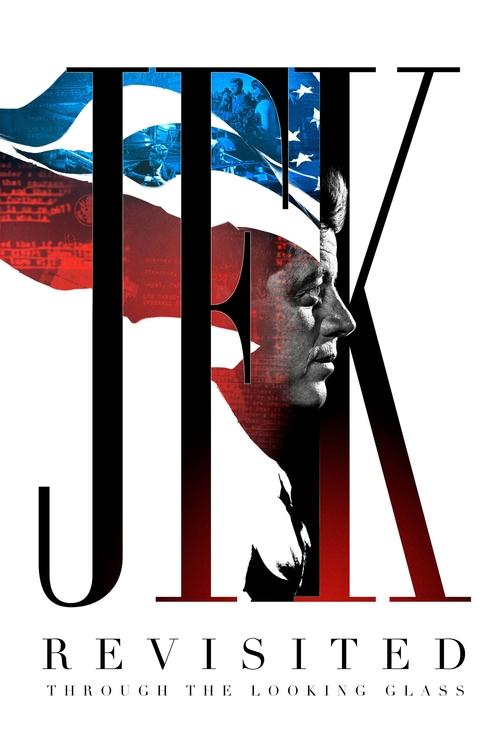
Thirty years after the release of his film JFK (1991), filmmaker Oliver Stone reviews recently declassified evidence related to the assassination of President John F. Kennedy, which took place in Dallas on November 22, 1963.
JFK Revisited: Through the Looking Glass
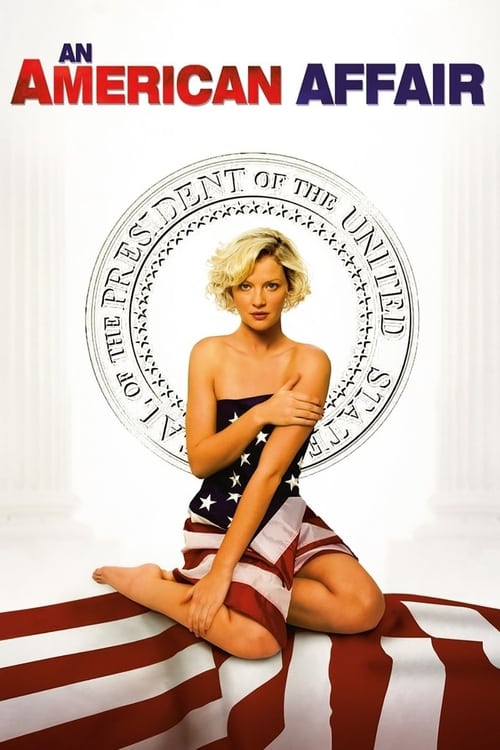
In the early 1960s, teenager Adam Stafford (Cameron Bright) becomes obsessed with his new neighbor, Catherine Caswell (Gretchen Mol), a divorcée and free spirit. Stafford spies on Caswell as she meets with strange men, and, despite the warnings of his conservative parents, he begins working for her as a gardener. Amid rumors of her affair with President Kennedy, the two become close, but political intrigue surrounding her acquaintances soon infringes on their friendship.
An American Affair
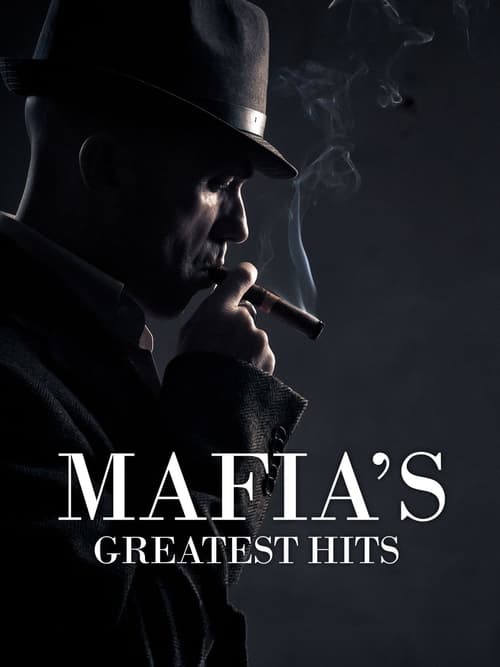
Uncovers the extraordinary truth behind some of the Mafia's most notorious outlaws, and reveals how the FBI and law enforcement developed the techniques to crack the organization and bring it to justice. This is the story of the rise and fall of the Mafia, told by the people who brought it down.
Mafia's Greatest Hits
illustrates how directors pushed boundaries and altered the art of filmmaking during the turbulent, swinging 1960s. Narrated by Woody Harrelson, "Reel Radicals" features clips from such seminal films as Arthur Penn's "Bonnie and Clyde" (1967); Mike Nichols' "The Graduate" (1967); Dennis Hopper's "Easy Rider" (1969); John Frankenheimer's "The Manchurian Candidate" (1962); Stanley Kubrick's "Dr. Strangelove" (1964) and "2001: A Space Odyssey" (1968); John Schlesinger's "Midnight Cowboy" (1969); Richard Brooks' "Elmer Gantry" (1960) and "In Cold Blood" (1967); and Norman Jewison's "In the Heat of the Night" (1967) and "The Thomas Crown Affair" (1968). Frankenheimer, Jewison, Hopper, Schlesinger, Penn, Buck Henry, Paul Mazursky, Roger Corman and Arthur Hiller are among the filmmakers who discuss the decade.
Reel Radicals: The Sixties Revolution in Film
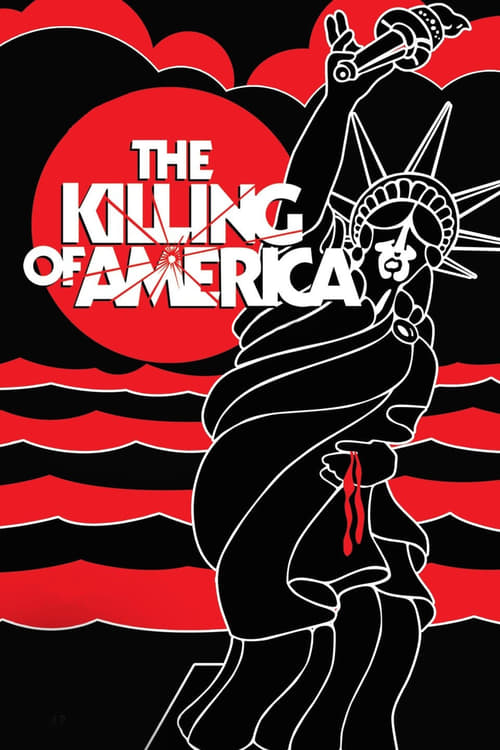
A documentary of the decline of America, composed of archival material and exclusive footage, carnage, madness, and mayhem with an unapologetic sincerity on the factual depiction of violence in the industrialized nation of the United States. Featuring a juxtaposition of detailed accounts of terrible acts, brutal behavior, and interviews from experts and convicted killers alike.
The Killing of America
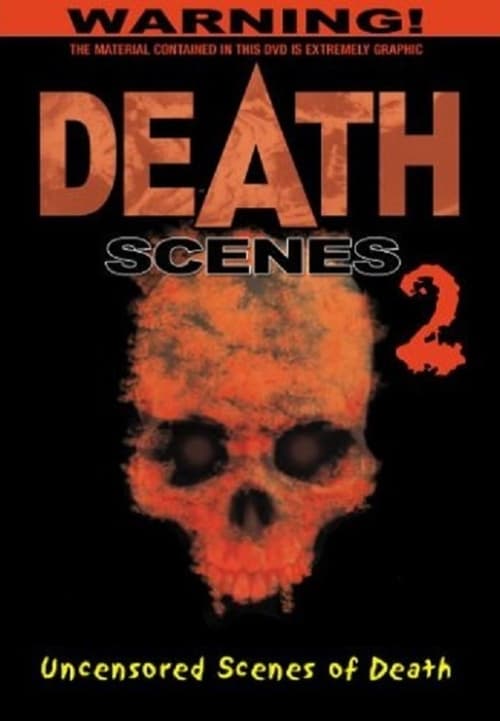
DEATH SCENES II continues the exploration into the dark recesses of violence and rage that ended in such heinous crimes as the Manson Family's assault on society. You'll see the gruesome aftermath of mob reprisals, public executions and international terrorism. DEATH SCENES II uniquely ushers the brave and curious into a spellbinding trip through the reality that is our world today.
Death Scenes 2
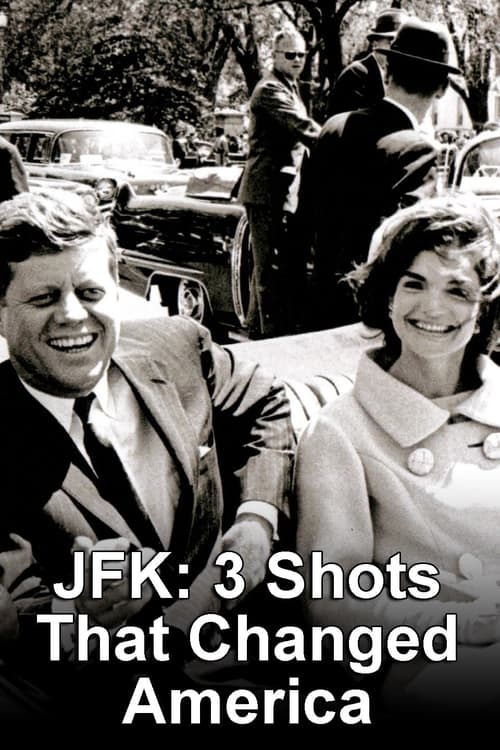
The film is an unnarrated collection of archived news and home movie footage shot as events unfolded, some of it rarely seen. Part one deals with the time from President Kennedy's arrival in Dallas on November 22, 1963 through the murder of Lee Harvey Oswald less than 48 hours later. Part two deals with the Warren Commission, its critics and those who suspect a conspiracy, the assassinations of Martin Luther King, Jr. and Robert F. Kennedy in 1968 and the turmoil that followed, and the continuing doubt about the assassinations and the effects this has had on American society.
JFK: 3 Shots That Changed America
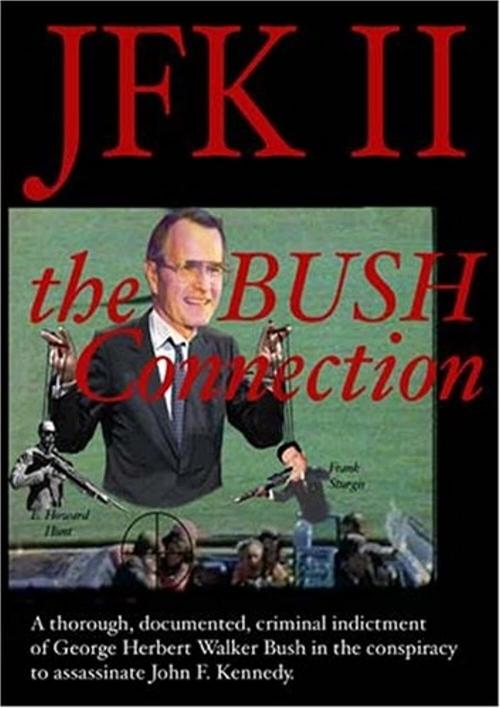
Four part documentary about JFK's murder, and who had reasons and means to do it, and to escape. - Part 1: History is written by the winners. Part 2: Through the Looking Glass. Part 3: Who killed JFK?. Part 4: Deep History.
JFK II: The Bush Connection
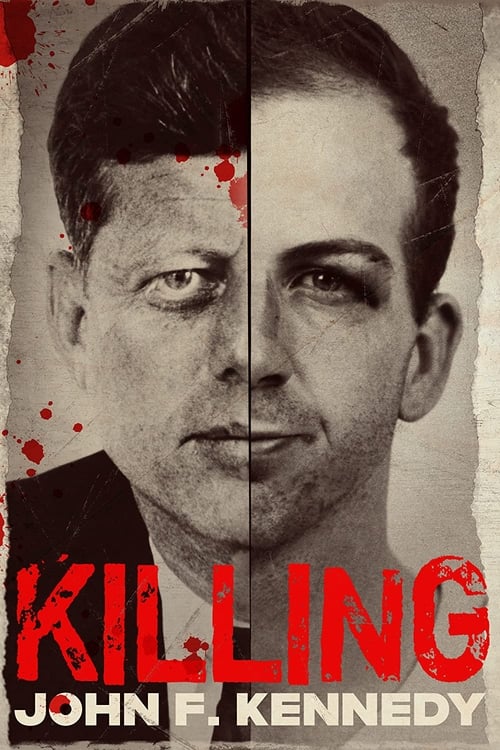
John F Kennedy was one of America's greatest presidents. He was the voice of the people who was a natural public speaker and a cool calm figure in front of the cameras. His influence helped push America through the most dangerous moments of the cold war, diffusing what could have been world nuclear destruction. But in November 1963, his life would come to a devastating end through the hands of an assassin. But who would kill one of the most popular presidents? Why was he a target? Join us as we investigate the life and career of JFK and ask the question...Who was really behind the killing of JFK?
Killing John F. Kennedy
The world is still reeling from the assassination of JFK - but has yet to lose his kid brother Bobby. In the midst of all this, a reluctant hero by the name of Lucien Rivard becomes enmeshed in a web of global political intrigue and corruption.
The American Trap
Jimmy Hoffa was one of the most powerful men in America. In 1974 he disappeared, never been seen again: one of the greatest mysteries of the 20th century.
Killing Jimmy Hoffa
Frame 313 examines several theories that have been offered about who was responsible for the JFK Assassination including the single bullet theory, the CIA/Mafia theory, the Soviet Union/KGB theory, the Mafia hit theory, and the CIA/Anti-Castro theory.
Frame 313: The JFK Assassination Theories
September 11th... Pearl Harbor... the assassination of JFK. Days that forever changed America. But the Kennedy assassination is different: 50 years after it happened, most Americans think we don't know who did it. Now History has conducted the largest nationwide survey ever attempted on the topic to learn exactly what the country believes. Who do Americans suspect was really responsible for JFK's death?