Dorothy Gish
Acting
Biography
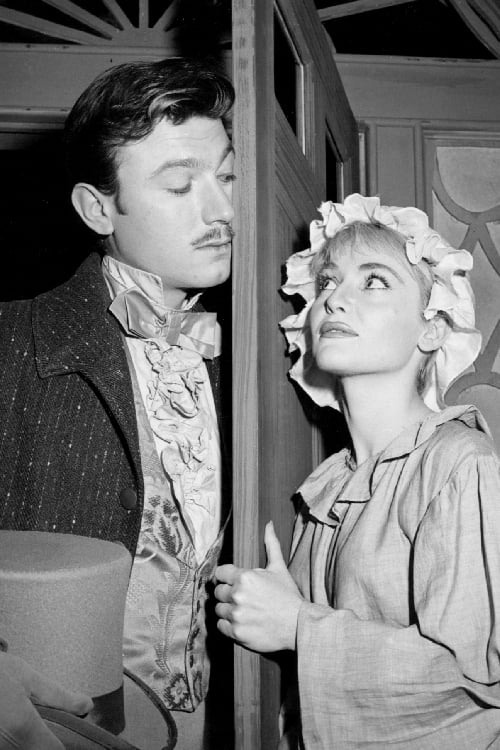
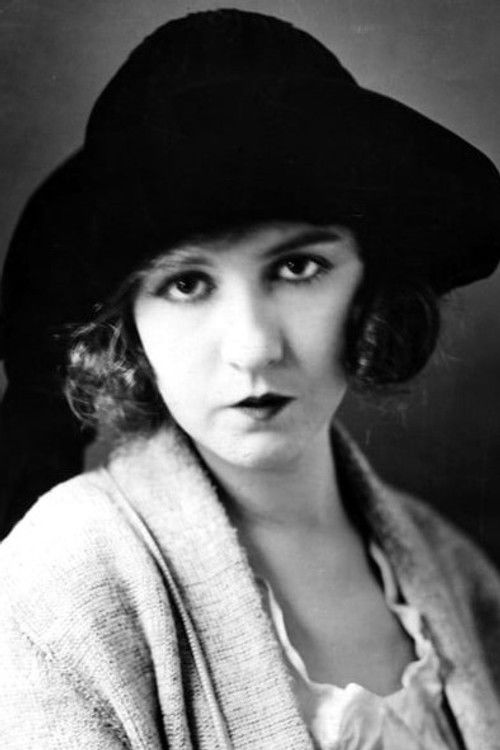
From Wikipedia, the free encyclopedia Dorothy Elizabeth Gish was an American actress of the screen and stage, as well as a director and writer. Dorothy and her older sister Lillian Gish were major movie stars of the silent era. Dorothy also had great success on the stage, and was inducted into the American Theatre Hall of Fame. Dorothy Gish was noted as a fine comedian, and many of her films were comedies.
Known For

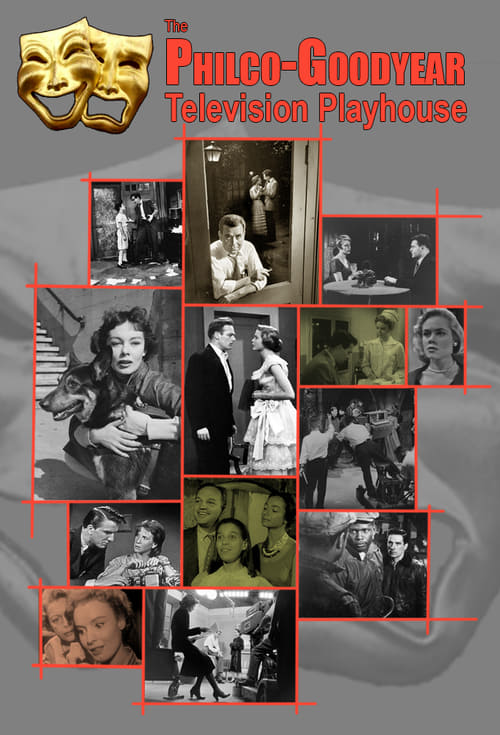
The Philco Television Playhouse is an American anthology series that was broadcast live on NBC from 1948 to 1955. Produced by Fred Coe, the series was sponsored by Philco. It was one of the most respected dramatic shows of the Golden Age of Television, winning a 1954 Peabody Award and receiving eight Emmy nominations between 1951 and 1956.
The Philco Television Playhouse

Robert Montgomery Presents is an American dramatic television series which was produced by NBC from January 30, 1950 until June 24, 1957. The live show had several sponsors during its seven-year run, and the title was altered to feature the sponsor, usually Lucky Strike cigarettes, for example, Robert Montgomery Presents Your Lucky Strike Theater, ....The Johnson's Wax Program, and so on.
Robert Montgomery Presents

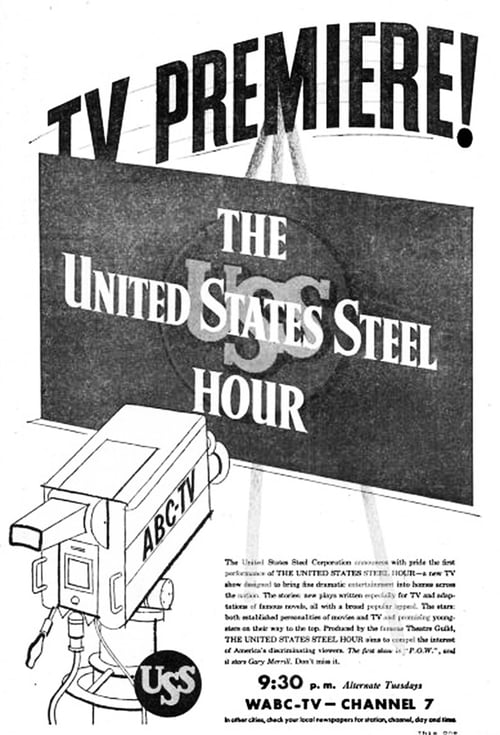
The United States Steel Hour is an anthology series which brought hour-long dramas to television from 1953 to 1963. The television series and the radio program that preceded it were both sponsored by the United States Steel Corporation.
The United States Steel Hour
Lux Video Theatre is an American anthology series that was produced from 1950 until 1959. The series presented both comedy and drama in original teleplays, as well as abridged adaptations of films and plays.
Lux Video Theatre

The Goodyear Television Playhouse is an American anthology series that was telecast live on NBC from 1951 to 1957 during the "Golden Age of Television". Sponsored by Goodyear, Goodyear alternated sponsorship with Philco, and the Philco Television Playhouse was seen on alternate weeks. In 1955, the title was shortened to The Goodyear Playhouse and it aired on alternate weeks with The Alcoa Hour. The three series were essentially the same, with the only real difference being the name of the sponsor. Producer Fred Coe nurtured and encouraged a group of young, mostly unknown writers that included Robert Alan Aurthur, George Baxt, Paddy Chayefsky, Horton Foote, Howard Richardson, Tad Mosel and Gore Vidal. Notable productions included Chayefsky's Marty starring Rod Steiger, Chayefsky's The Bachelor Party, Vidal's Visit to a Small Planet, Richardson's Ark of Safety and Foote's The Trip to Bountiful. From 1957 to 1960, it became a taped, half-hour series titled Goodyear Theater, seen on Mondays at 9:30pm.
Goodyear Television Playhouse

The Alcoa Hour is an American anthology television series that was aired live on NBC from 1955 to 1957. The series was sponsored by Alcoa.
The Alcoa Hour

This syndicated anthology series staged a different play every week covering all genres, dramas, comedies, musicals, fantasies, mysteries, et al, utilizing some of the best talent appearing on Broadway.
Play of the Week

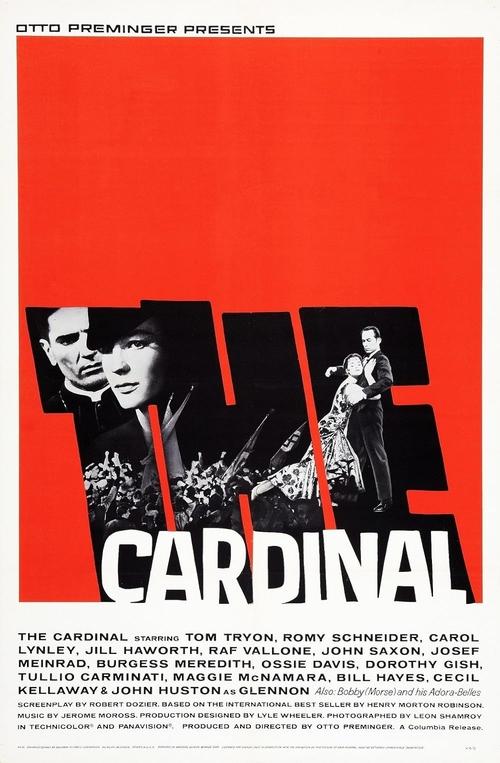
A young Catholic priest from Boston confronts bigotry, Nazism, and his own personal conflicts as he rises to the office of cardinal.
The Cardinal
A drama series that ran every other week, attracted top notch actors and actresses, and was broadcast from New York City.
The Elgin Hour

An anthology series based in New York City which attracted a high caliber group of actors, often Broadway stars. Stories were both drama and comedies, some original but others adaptions of films and plays.
The Ford Theatre Hour
An American television anthology drama series which offered adaptations of Pulitzer Prize winning plays, stories and novels.
Pulitzer Prize Playhouse

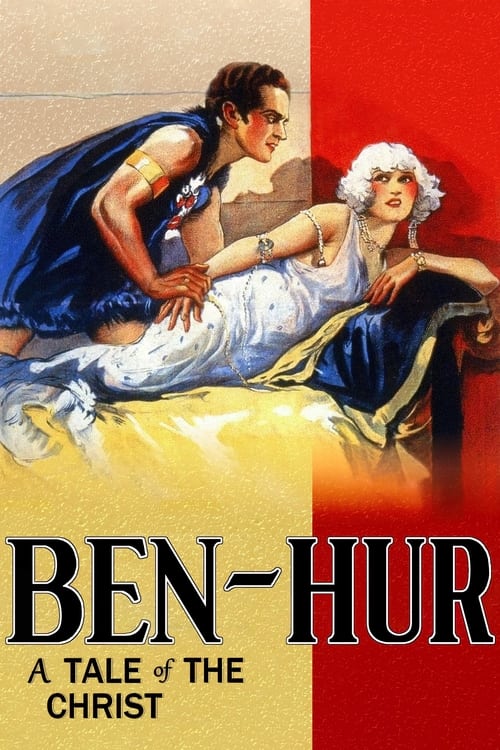
Erstwhile childhood friends, Judah Ben-Hur and Messala meet again as adults, this time with Roman officer Messala as conqueror and Judah as a wealthy, though conquered, Israelite. A slip of a brick during a Roman parade causes Judah to be sent off as a galley slave, his property confiscated and his mother and sister imprisoned. Years later, as a result of his determination to stay alive and his willingness to aid his Roman master, Judah returns to his homeland an exalted and wealthy Roman athlete. Unable to find his mother and sister, and believing them dead, he can think of nothing else than revenge against Messala.
Ben-Hur: A Tale of the Christ

France, on the eve of the French Revolution. Henriette and Louise have been raised together as sisters. When the plague that takes their parents' lives causes Louise's blindness, they decide to travel to Paris in search of a cure, but they separate when a lustful aristocrat crosses their path.
Orphans of the Storm

A man recognizes the thief who had previously robbed him as one of the men involved in an unrelated mob shootout.
The Musketeers of Pig Alley

In 1923, two young ladies depart, unescorted, for a tour of Europe. Their great naïvité and efforts to seem grown-up lead them into many comic misadventures.
Our Hearts Were Young and Gay

May and her younger sister, Carol, live in a small town. May is the more lovely of the two, but Carol is wooed by Frank, a country boy. George, a city man, comes to town on a visit, falls in love with Carol and wins her away from Frank. Carol is pleased with his attentions and poor Frank is brokenhearted. Calling one day to see Carol, George meets May and falls madly in love with her, and finally runs away with her and they are married. Carol, in despair, turns back to Frank and they are married, and a year later a baby is born.
The Sisters

Behold in this film the Uplifter, a peculiarity of the human species, quite convinced that all that is, is wrong. Forth to the uplift he minds everybody's business but his own, until that business is as clean, pure and spotless as himself. Verily in these later days is there no school of art named, "Minding One's Business."
The Reformers

A home movie version of the Dumas play. A young woman becomes a courtesan and tragedy befalls her. Appearances are made by many socialites of 1920s Paris and New York.
Camille: The Fate of a Coquette

To fulfill a dying mother's bequest for her daughter, the town pastor purchases the daughter a stylish hat, and gossip spreads through the town.
The New York Hat

It's love at first sight for the Boy, but obstacles— namely shyness, and the temerity of other suitors— place themselves in the way of his love. Unknowingly, the Boy and the young woman of his fancy both stay at the home of mutual friends— But all is not well, as robbers lurk outside the house.