Kao Jun-honn
Directing
Known For
No description available.
Zyaw na pinciriq nqu llingay Mbngciq
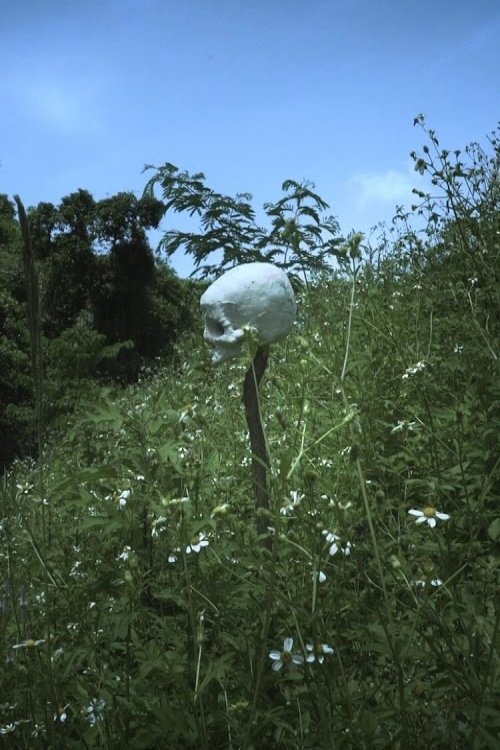
In the Dabao River basin, where the Llyong Topa indigenous community used to be, stands a 'ghost temple' where hundreds of Atayal people were buried. They fell victims to Japanese government's first wave of indigenous genocide during its colonial rule of Taiwan. The massacre occurred much earlier than the Wushe Incident (1930), yet it is still rarely known to the world. The filmmaker visited the mountains over a hundred times, seeking clues to fill in the blanks of history.
Llyong Topa
The film replicates one of the 7cm Mountain Gun which were used during Japan's 'Pacification' campaign against Indigenous peoples. During this trip, Kao invites Atayal youth to return to the original mountain location shelled by Japanese police in 1906. They fire towards a distant hotel, now located on the site of a village once occupied by the Japanese. With a tone of playfulness and irony, the film subverts colonial aggression while exploring the possibilities of artistic action.