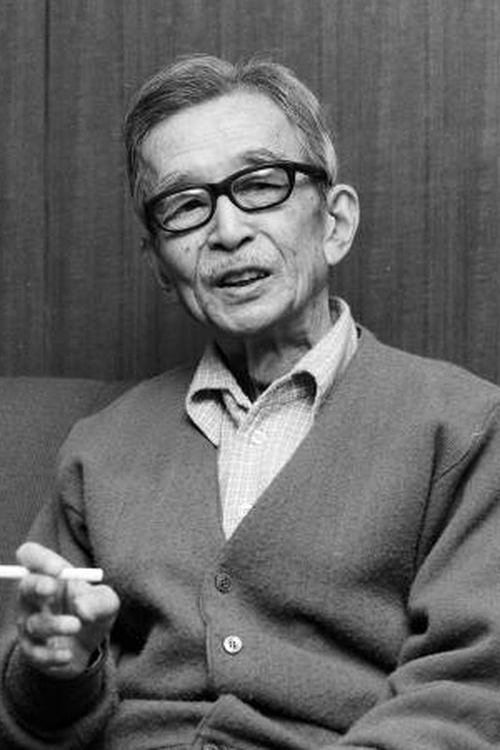
Nobuo Nakamura
Acting
Biography
Nobuo Nakamura (中村伸郎 Nakamura Nobuo, September 14, 1908–July 5, 1991 ) was a Japanese actor, who made notable appearances in the films of Akira Kurosawa and Yasujiro Ozu in the 1950s and 1960s. Perhaps his most famous roles were those of the callous deputy mayor in Kurosawa's Ikiru (1952), and the hairdresser's henpecked husband in Ozu's Tokyo Story (1953). Nakamura is famous for many notable performances in theatre. In 1937, he founded the Bungakuza company along with Haruko Sugimura, Seiji Miyaguchi, and Masayuki Mori. Nakamura played Polonius in Hamlet, Herod in Wilde's Salome, Aleksandr Vladimirovich Serebryakov in Chekov's Uncle Vanya, and Krapp in Krapp's Last Tape. He also appeared in Macbeth, The Merchant of Venice, and The Cherry Orchard . In the 1950s and 1960s, he played major roles in Yukio Mishima's plays such as Rokumeikan, My Friend Hitler, and so on. In 1963, Nakamura left Bungakuza company and founded the NLT company with Mishima. His most famous and successful role is considered to be The Professor in Ionesco's The Lesson. He performed The Lesson for the first time in 1972 and had played The Professor every Friday night at a small theatre in Shibuya, Tokyo until 1983. Description above from the Wikipedia article Nobuo Nakamura, licensed under CC-BY-SA,full list of contributors on Wikipedia.

Known For

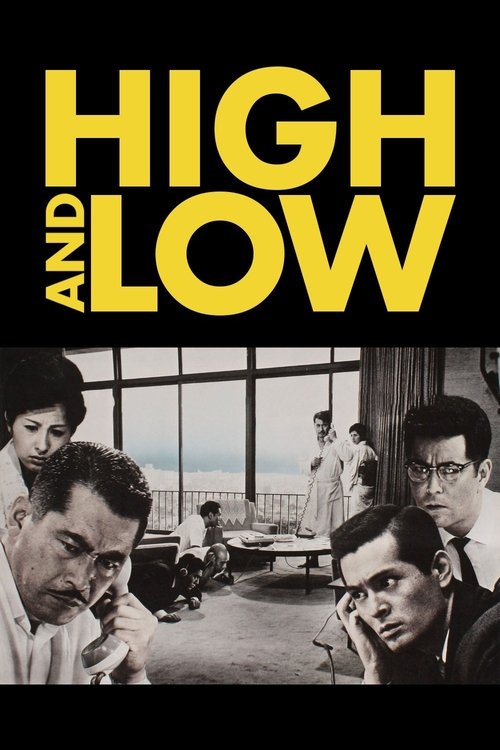
A Yokohama shoe executive faces a wrenching choice when kidnappers mistakenly seize his chauffeur’s son but demand the ransom anyway.
High and Low

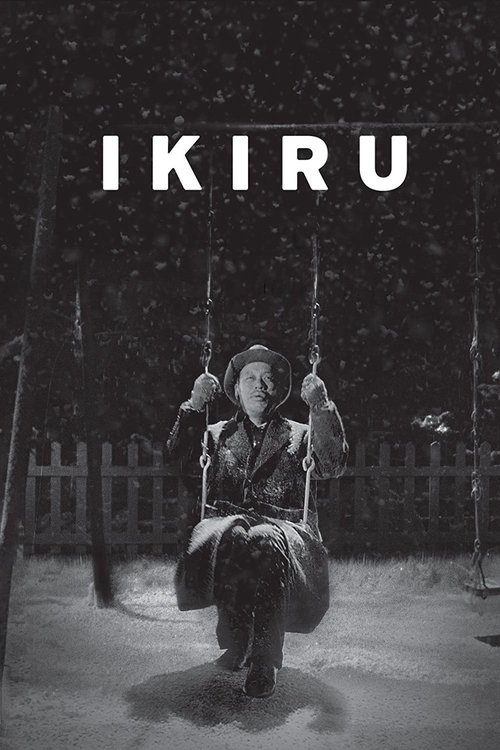
Kanji Watanabe is a middle-aged man who has worked in the same monotonous bureaucratic position for decades. Learning he has cancer, he starts to look for the meaning of his life.
Ikiru

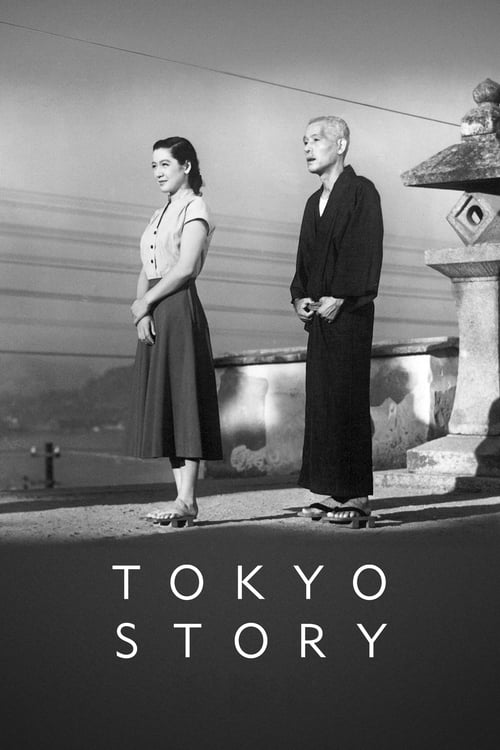
The elderly Shukishi and his wife, Tomi, take the long journey from their small seaside village to visit their adult children in Tokyo. Their elder son, Koichi, a doctor, and their daughter, Shige, a hairdresser, don't have much time to spend with their aged parents, and so it falls to Noriko, the widow of their younger son who was killed in the war, to keep her in-laws company.
Tokyo Story

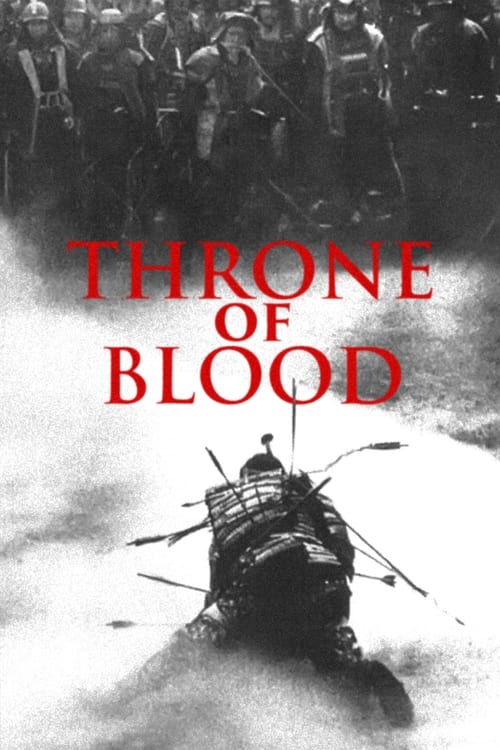
Returning to their lord's castle, samurai warriors Washizu and Miki are waylaid by a spirit who predicts their futures. When the first part of the spirit's prophecy comes true, Washizu's scheming wife, Asaji, presses him to speed up the rest of the spirit's prophecy by murdering his lord and usurping his place. Director Akira Kurosawa's resetting of William Shakespeare's "Macbeth" in feudal Japan is one of his most acclaimed films.
Throne of Blood

In this humorous paean to the joys of food, a pair of truck drivers happen onto a decrepit roadside shop selling ramen noodles. The widowed owner, Tampopo, begs them to help her turn her establishment into a paragon of the "art of noodle-soup making". Interspersed are satirical vignettes about the importance of food to different aspects of human life.
Tampopo

After handing in a report on the treatment of Chinese colonial labor, Kaji is offered the post of labour chief at a large mining operation in Manchuria, which also grants him exemption from military service. He accepts and moves with his newlywed wife Michiko, but when he tries to put his ideas of more humane treatment into practice, he finds himself at odds with scheming officials, cruel foremen, and the military police.
The Human Condition I: No Greater Love

In this loose adaptation of "Hamlet," illegitimate son Kôichi Nishi climbs to a high position within a Japanese corporation and marries the crippled daughter of company vice president Iwabuchi. At the reception, the wedding cake is a replica of their corporate headquarters, but an aspect of the design reminds the party of the hushed-up death of Nishi's father. It is then that Nishi unleashes his plan to avenge his father's death.
The Bad Sleep Well

The story contrasts the life of two doctors, former classmates and now both assistant professors at Naniwa University Hospital in Osaka. The brilliant and ambitious surgeon Goro Zaizen stops at nothing to rise to a position of eminence and authority, while the friendly Shuji Satomi busies himself with his patients and research.
The White Tower

A team of geophysicists investigating seismic activity on the seafloor discover that the islands of Japan, after suffering from massive volcanic eruptions and earthquakes, will be pulled into the ocean, killing millions.
Submersion of Japan

An economic drama depicting the struggle and collapse of a Japanese general trading company. The US branch president of a trading company challenges Japan's internal power struggle and the North American oil market.
The Trading Company

Widower Shuhei Hirayama's caretaker is his 24-year-old daughter, Michiko. Gradually, he comes to realize that Michiko should not be obliged to look after him for the rest of his life, so he arranges a marriage for her.
An Autumn Afternoon

During WWII, Germans obtain the immortal heart of Frankenstein's monster and transport it to Japan to prevent it being seized by the Allies. Kept in a Hiroshima laboratory, it is seeming lost when the United States destroys the city with the atomic bomb. Years later a wild boy is discovered wandering the streets of the city alone, born of the immortal heart.
Frankenstein Conquers the World

An American scientist tells two colleagues about the finding of an abominable snowman living in the Japanese alps, where it is worshipped by a remote tribe as a god, and how it was discovered by modern man after it raided a skiers shelter following an avalanche, killing all inside. This is an adaptation of the Japanese film "Jūjin Yuki Otoko" (1955) with added American-made footage, narration, and music.
Half Human: The Story of the Abominable Snowman

A floating amorphous life-form descends from the atmosphere to consume carbon in the form of diamonds.
Dogora

Following the detonation of the atomic bombs on Hiroshima and Nagasaki, the Japanese military and the government clash over the demand from the Allies for unconditional surrender. Minister of the Army Anami leads the military officers who propose to fight on, even to the death of every Japanese citizen. Emperor Hirohito, however, joins with his ministers in asking the unthinkable, the peaceful surrender of Japan. When the military plots a coup to overthrow the Emperor's civilian government, Anami must face the choice between his desires and loyalty to his Emperor.
Japan's Longest Day

Gaira, a humanoid sea beast spawned from the discarded cells of Frankenstein's monster, attacks the shores of Tokyo. While the Japanese military prepares to take action, Gaira's Gargantua brother, Sanda, descends from the mountains to defend his kin. A battle between good and evil ensues, leaving brothers divided and a city in ruins.
The War of the Gargantuas

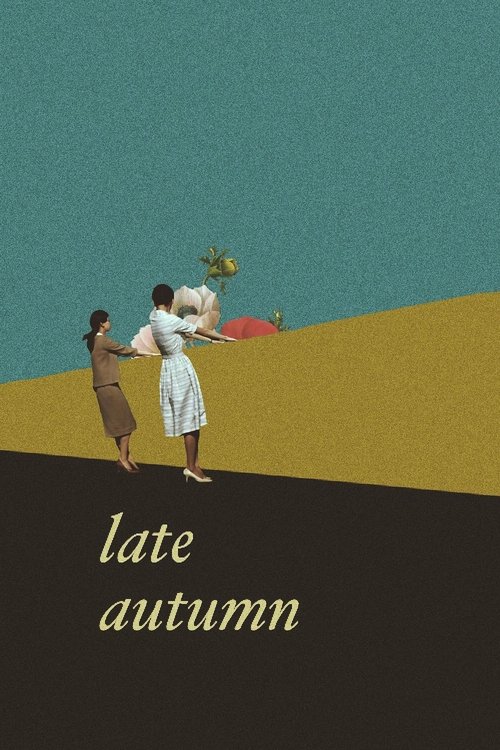
A woman and her daughter are each forced to contend with an increasing pressure to marry, particularly from three men who knew her late husband.
Late Autumn

Two sisters find out the existence of their long-lost mother, but the younger cannot accept the fact that she was abandoned as a child.
Tokyo Twilight

An aging foundry patriarch, gripped by terror of nuclear annihilation, tries to uproot his family to Brazil. When they petition to have him declared incompetent, a family-court counselor witnesses his obsession slide into ruin—and asks whether ignoring the atomic threat is any saner.
I Live in Fear

Wataru's outwardly liberal views on marriage are severely tested when his daughter declares her love for a coworker and is adamant to live her own way, instead of agreeing to an arranged marriage. Outwitted by his female relatives, Hirayama stubbornly refuses to admit defeat.