Juliana Carneiro da Cunha
Acting
Biography
Juliana Carneiro da Cunha (Rio de Janeiro, January 19, 1949) is a Franco-Brazilian actress and dancer. Since 1989 she has lived in France, where she has performed in several plays.
Known For

'Ti-Ti-Ti' presents a humorous plot, set in São Paulo, whose central theme is the professional, familial, and romantic rivalry between André Spina and Ariclenes Martins, or Ari, as he is known to those closest to him. The two were childhood friends and always fought a lot, engaging in tireless disputes over the same girlfriends.
Ti Ti Ti

No description available.
Carmem

Cristiano Vilhena is a young man from the countryside who dreams of high society, risking his happiness alongside Simone.
Selva de Pedra

No description available.
Helena

No description available.
Liberdade, Liberdade

No description available.
Olho por Olho

A group of women gets together on social media to expose the sexual harassment they all suffered from a renowned specialist in reproductive medicine. The saga of perseverance and courage of these women begins when one of them decides to talk and reveal what was until then confined by the doctor’s office walls.
Harassment

No description available.
De Quina Pra Lua

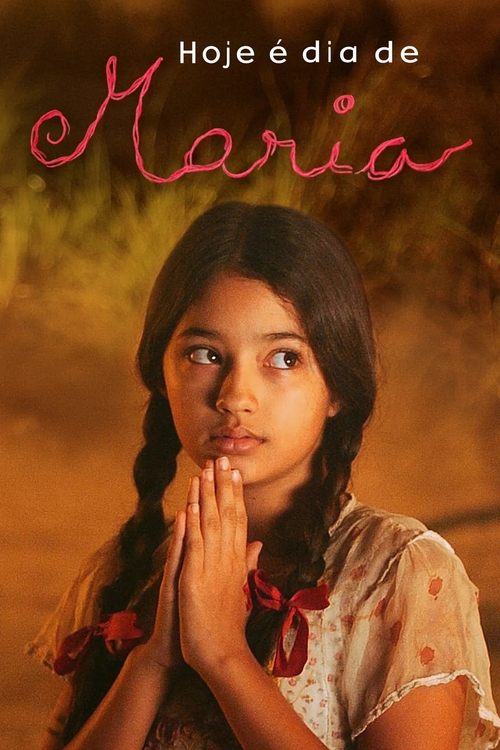
Maria is an orphan girl who suffers from her stepmother's wickedness. She then decides to escape in search of the fringes of the sea and takes a long walk through Brazilian folk tales. On her journey, she meets several fantastic characters.
Hoje é Dia de Maria

The story of the man who embodied the great transformations of the turn of the century, acclaimed almost worldwide as the first man to fly a plane - the 14 Bis. Set in France and Brazil in the late 19th and early 20th centuries, the production follows the aviator's trajectory, from his childhood at his family's coffee plantations in the interior of Minas Gerais, to the sophisticated Paris lounges and air clubs.
Santos Dumont

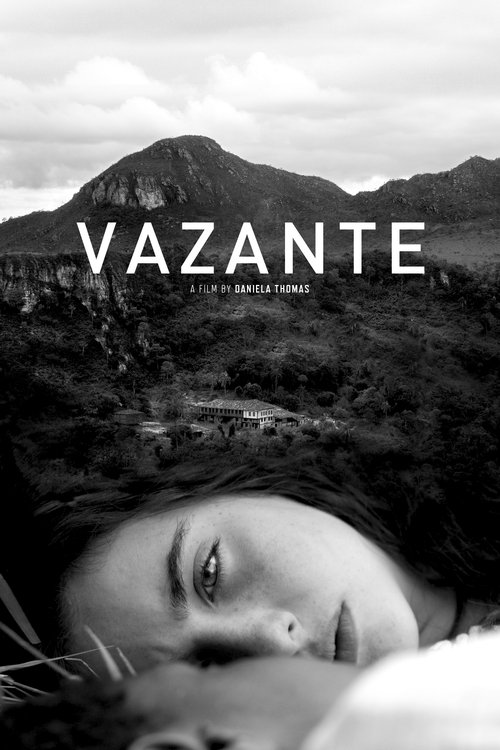
Brazil 1821. Upon his return to the imposing farmhouse, Antonio, a rich cattle herder, finds out that his wife dies in labor. Forced to live in the property with numerous African slaves, he marries his wife's niece. A restless soul, he returns to droving, leaving his young wife behind alone with the slaves.
Vazante

On an unusual day, a series of coincidences lead Eduardo to meet Monica at a party. A curiosity is aroused between the two and, despite not being alike, they fall madly in love. In 1980s Brasília, their love needs to mature and learn to overcome differences.
Eduardo and Monica

Malu — a mercurial, unemployed actress living with her conservative mother in a precarious house in a Rio de Janeiro slum — tries to deal with her strained relationship with her own adult daughter while surviving on memories of her glorious artistic past.
Malu

Fantasy comedy about Brazilian writer Oswald de Andrade, one of the most important icons of Modernism in Brazil. In the film, Oswald is played by two actors: Ítala Nandi, as his feminine anima, and Flávio Galvão, as the masculine half.
The Brazilwood Man

Maria, a virgin spinster, is trying magical superstitions to find a husband. In her dialogue with the marriage saint, she implores for a companion. Her father offered her as a bride to Saint Djalminha, if the saint saved her during her complicated birth which ended in the death of her mother. Since then Maria has lived this dilemma: revered and loved by the residents and pilgrims that believe she is a miracle worker; she is desperate to live a great love, with a flesh and blood prospect with real passionate desire. She asks for a sign from the heavens, a clue on how to find a crumb of love when a gypsy arrives on scene saying "someone who loves her very much, but she doesn't know will come from afar on an artists' caravan." Maria can't take the solitude she is living anymore and decides "to find Mr. Right," no matter how much it may cost.
Maria do Caritó

The couple Laura and Israël have a five-year-old son, Lucas. They live together but seem to have lost interest in one another's thoughts and cares. Their relationship seems headed for the rocks, and the only one who seems to still be looking for something from life is Lucas.
Abandonment

Based on William Shakespeare's "Macbeth". Elias is a successful executive who works in the second largest private bank in Brazil. One day, Elias meets a mysterious woman who claims to be able to predict his future and says he will become vice president that day and the next day, he will become president of the Bank. The wheel of fortune is bound activated and a series of murders is committed by Elias and his wife Clara, leaving a trail of blood on his way to power and making them executioners and victims of their own destinies.
The Moving Forest

Interspersed with documentation of dancer Juliana Carneiro da Cunha’s "Possession" performance, which draws from Christian mysticism, in the filmmaker’s words this experimental short is about “the psychic suffering of women in a patriarchal society”. It takes the viewer on a disorienting journey—with abrupt cuts in sound and image—through the Catholic Church, repressed sexuality, racial violence perpetrated by white women, maternal fatigue, male chauvinism and drug addiction…
Hysteries

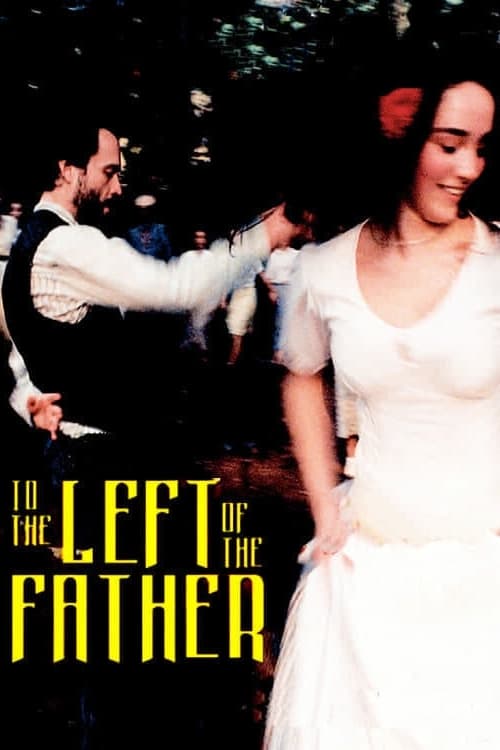
In 1940s São Paulo, Pedro’s tasked to retrieve his estranged brother André. André’s departure stems from a domineering father, an overly affectionate mother, and Pedro’s jealousy over the father’s favoritism. Further complicating matters is André’s unconventional relationship with their sister, Ana.
To the Left of the Father

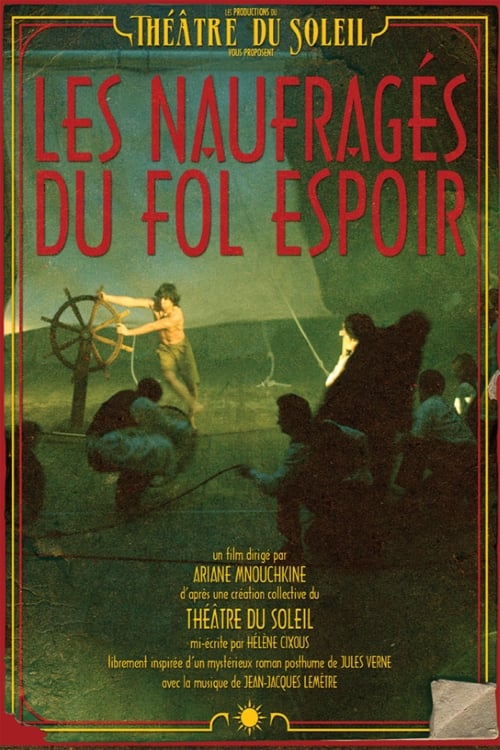
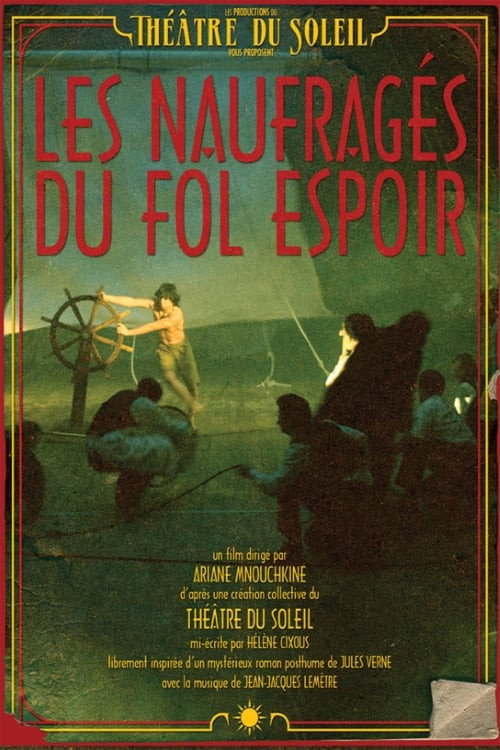
A film-crew in the early twentieth century, the cabaret known as ‘Le Fol Espoir’ has been transformed into an amateur soundstage. The motion picture tells the story of a ship and its passengers – from the famous opera singer down to the petty criminal. The film is an optimistic political fable intended to educate the masses. There’s comedy aplenty – slapstick punches, custard pies and gags reminiscent of Buster Keaton and Fatty Arbuckle; there’s adventure, high drama moments of great bravura , and passionate love stories. The filming begins on June 28th 1914, the day of the Archiduke Franz Ferdinand’s assassination in Sarajevo, the gunpowder that sets Europe alight. It ends with news of another assassination – that of Jean Jaures on July 31st followed by the general conscription of August 1st, heralded by church bells across France. The allegory of the shipwreck is filmed at breakneck pace during the last five weeks before war breaks out.